Planeje uma viagem
Idioma: Português (BR)
Planejador de viagensPlaneje sua viagem em um mapa

Principais destinos

EnglishDeutschFrançaisEspañolPortuguêsPortuguês (BR)Italiano
Alerta de viagem · BrasilSão Paulo fica em ou perto de uma área em que os governos recomendam evitar todas as viagens, exceto as essenciais: Favelas hag annezadoù dibreder e kêr vras.As recomendações dependem do seu passaporte. Leia a recomendação do governo do seu país antes de reservar.Recomendação oficial
Áreas com alertas
  • Ceilândia · evitar viagens não essenciais · Itália, EUA
  • Favelas hag annezadoù dibreder e kêr vras · evitar viagens não essenciais · Espanha, Nova Zelândia, EUA
  • Paranoá · evitar viagens não essenciais · Itália, EUA
  • Santa Maria · evitar viagens não essenciais · Itália, EUA
  • São Sebastião · evitar viagens não essenciais · Itália, EUA
  • Takad ar frontier gant Venezuela · evitar viagens não essenciais · Alemanha, França

Também indicado por um governo: Stribenn 160 km a-hed holl frontierioù an douar (EUA), Complexo da Maré (Canadá), Complexo da Penha (Canadá), Stribenn 20 km a-hed ar frontier bolivian (hep Parc Broadel Pantanal) (Canadá), Stribenn 20 km a-hed ar frontier kolombian (Canadá), Stribenn 20 km a-hed ar frontier gant Guiana Bro-C'hall (Canadá), Stribenn 20 km a-hed ar frontier gant Guyana (Canadá), Stribenn 20 km a-hed ar frontier paraguayan (Canadá), Stribenn 20 km a-hed ar frontier perevian (Canadá), Stribenn 20 km a-hed ar frontier gant Surinam (Canadá), Stribenn 50 km a-hed ar frontier venezuelan (Canadá), Stêr Amazonas hag e leurenn etre Codajás ha Belém do Solimões (Stad Amazonas) (Reino Unido), Takadoù frontier (n'eo ket resevet) (França), Parc broadel Chapada Diamantina (Trilha do 21) (Espanha), Planaltina (Itália), Favelas Rio de Janeiro (Alemanha), Samambaia (Itália)

GovernoRecomendaçõesAtualizadoLeia a recomendação
Reino Unido (FCDO)No advice against the whole country (regional advisories)–Leia a recomendação
Estados Unidos (Departamento de Estado)Exercise increased caution (regional advisories)31 de ago. de 2026Leia a recomendação
Canadá (Global Affairs)Exercise a high degree of caution (regional advisories)–Leia a recomendação
Alemanha (Auswärtiges Amt)No advice against the whole country (regional advisories)27 de out. de 2026Leia a recomendação
Nova Zelândia (SafeTravel)Exercise increased caution due to high crime rates (regional advisories)–Leia a recomendação
França (Ministério da Europa e Relações Exteriores)Vigilance renforcée (pays à risque) (regional advisories)–Leia a recomendação

Verificado diariamente com base nas recomendações publicadas pelos governos; última verificação em 3 de nov. de 2026.RoamLedger resume recomendações oficiais; não são recomendações de nenhum governo.

Pateo do Collegio
Museu

Pateo do Collegio

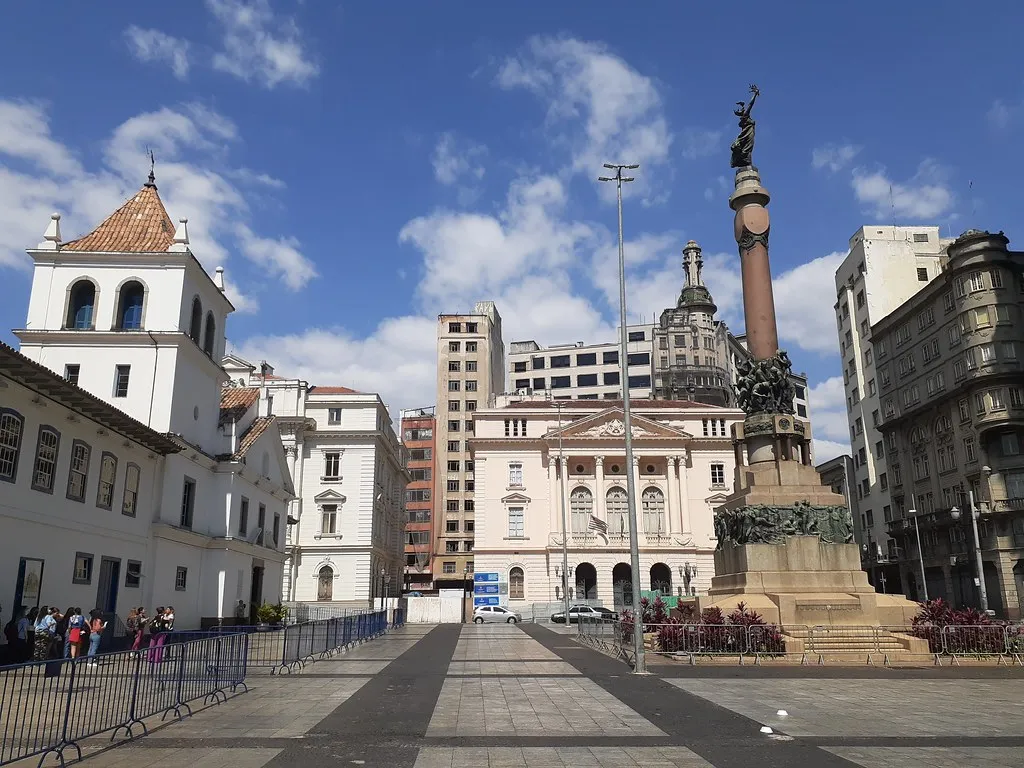
Pateo do Collegio marks the site where Jesuits José de Anchieta and Manoel da Nóbrega founded São Paulo in 1554, in the city’s historic centre.

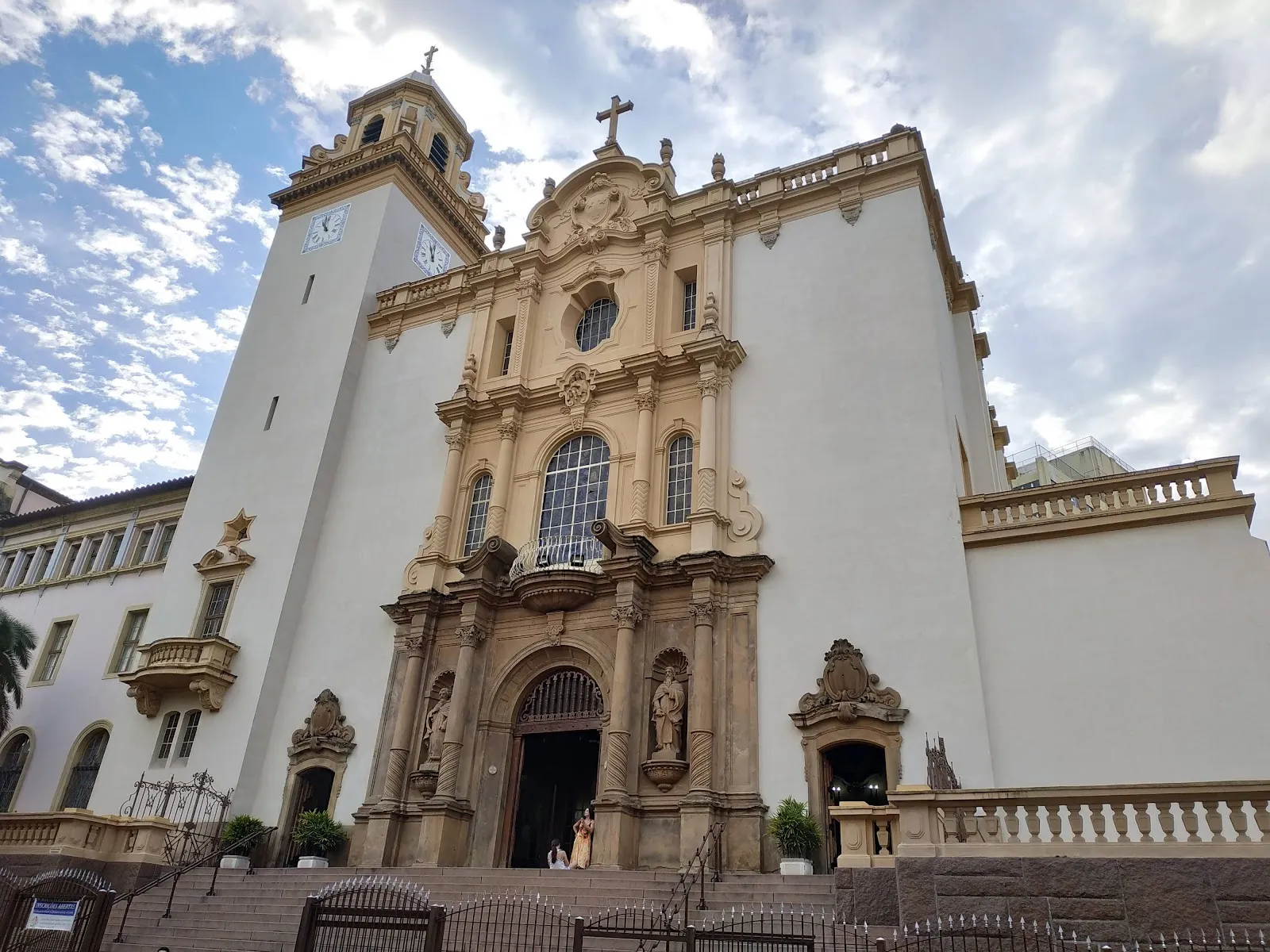
Pateo do Collegio marks the site where Jesuits José de Anchieta and Manoel da Nóbrega founded São Paulo in 1554, in the city’s historic centre. The present Portuguese Colonial-style building was rebuilt in the 1950s. Its museum displays maps of early São Paulo, sacred art and relics; the grounds also include a garden, crypt, library and the São José de Anchieta Church. Visit for a compact look at the city’s beginnings and Jesuit history. The courtyard can be seen without entering the museums, which require a ticket.

The site where São Paulo began
Pateo do Collegio
Pateo do Collegio

Pateo do Collegio is associated with the Jesuit foundation of São Paulo in 1554. José de Anchieta and Manoel da Nóbrega were among the priests who established a school here. The first structure was a simple hut made from mud and straw; the site later underwent changes and periods of neglect.

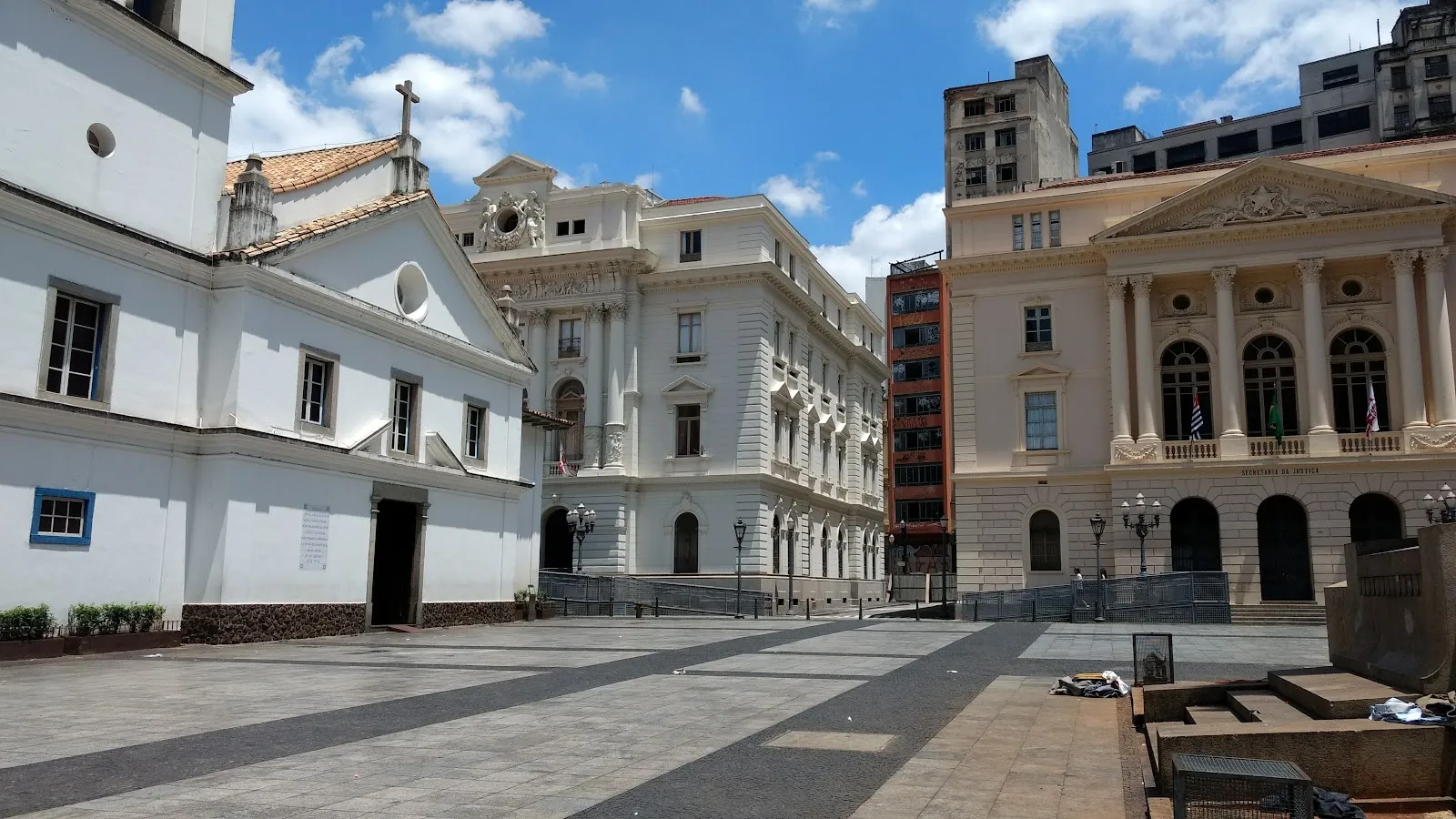
The building now on the square is a Portuguese Colonial-style reconstruction from the 1950s. Its appearance recalls the colonial period, but it is not the original 1554 structure. The church was constructed in 1896 in a style based on the earlier chapel.

Museum, church and grounds
Pateo do Collegio
Pateo do Collegio

The Anchieta Museum presents material connected with São Paulo’s beginnings, including maps of the city in colonial times, sacred art and relics. The complex also includes the São José de Anchieta Church, the Jesuit Museum of Sacred Art, the Padre Antônio Vieira Library, a crypt and a garden. The courtyard can be visited without entering the museums; museum visits require a ticket.

Check access before travelling if your visit falls on a religious event or public holiday. The site may be closed to general visitors while a service is being prepared. Guided tours are another way to learn more about the place and its collections.

Perguntas frequentes

Where was São Paulo founded?

Pateo do Collegio marks the site where Jesuits established the city in 1554.

Is Pateo do Collegio free to visit?

The courtyard can be visited for free. You need a ticket to enter the museums.

What can you see inside Pateo do Collegio?

The museum displays maps of early São Paulo, sacred art and relics. The complex also has a church, garden, crypt and library.

Is the current building original?

No. The present Portuguese Colonial-style building was rebuilt in the 1950s. The site itself is associated with São Paulo’s founding in 1554.
Mais atrações imperdíveis em São Paulo

Explorar tudo