Planeje uma viagem
Idioma: Português (BR)
Planejador de viagensPlaneje sua viagem em um mapa

Principais destinos

EnglishDeutschFrançaisEspañolPortuguêsPortuguês (BR)Italiano
Alerta de viagem · BrasilSalvador fica em ou perto de uma área em que os governos recomendam evitar todas as viagens, exceto as essenciais: Favelas hag annezadoù dibreder e kêr vras.As recomendações dependem do seu passaporte. Leia a recomendação do governo do seu país antes de reservar.Recomendação oficial
Áreas com alertas
  • Ceilândia · evitar viagens não essenciais · Itália, EUA
  • Favelas hag annezadoù dibreder e kêr vras · evitar viagens não essenciais · Espanha, Nova Zelândia, EUA
  • Paranoá · evitar viagens não essenciais · Itália, EUA
  • Santa Maria · evitar viagens não essenciais · Itália, EUA
  • São Sebastião · evitar viagens não essenciais · Itália, EUA
  • Takad ar frontier gant Venezuela · evitar viagens não essenciais · Alemanha, França

Também indicado por um governo: Stribenn 160 km a-hed holl frontierioù an douar (EUA), Complexo da Maré (Canadá), Complexo da Penha (Canadá), Stribenn 20 km a-hed ar frontier bolivian (hep Parc Broadel Pantanal) (Canadá), Stribenn 20 km a-hed ar frontier kolombian (Canadá), Stribenn 20 km a-hed ar frontier gant Guiana Bro-C'hall (Canadá), Stribenn 20 km a-hed ar frontier gant Guyana (Canadá), Stribenn 20 km a-hed ar frontier paraguayan (Canadá), Stribenn 20 km a-hed ar frontier perevian (Canadá), Stribenn 20 km a-hed ar frontier gant Surinam (Canadá), Stribenn 50 km a-hed ar frontier venezuelan (Canadá), Stêr Amazonas hag e leurenn etre Codajás ha Belém do Solimões (Stad Amazonas) (Reino Unido), Takadoù frontier (n'eo ket resevet) (França), Parc broadel Chapada Diamantina (Trilha do 21) (Espanha), Planaltina (Itália), Favelas Rio de Janeiro (Alemanha), Samambaia (Itália)

GovernoRecomendaçõesAtualizadoLeia a recomendação
Reino Unido (FCDO)No advice against the whole country (regional advisories)–Leia a recomendação
Estados Unidos (Departamento de Estado)Exercise increased caution (regional advisories)31 de ago. de 2026Leia a recomendação
Canadá (Global Affairs)Exercise a high degree of caution (regional advisories)–Leia a recomendação
Alemanha (Auswärtiges Amt)No advice against the whole country (regional advisories)27 de out. de 2026Leia a recomendação
Nova Zelândia (SafeTravel)Exercise increased caution due to high crime rates (regional advisories)–Leia a recomendação
França (Ministério da Europa e Relações Exteriores)Vigilance renforcée (pays à risque) (regional advisories)–Leia a recomendação

Verificado diariamente com base nas recomendações publicadas pelos governos; última verificação em 3 de nov. de 2026.RoamLedger resume recomendações oficiais; não são recomendações de nenhum governo.

Forte de Santo Antônio da Barra
Museu

Forte de Santo Antônio da Barra

Forte de Santo Antônio da Barra stands at the entrance to Todos os Santos Bay in Salvador, with the Barra Lighthouse rising above its stone walls.

Forte de Santo Antônio da Barra stands at the entrance to Todos os Santos Bay in Salvador, with the Barra Lighthouse rising above its stone walls. The fort is recognized as Brazil’s oldest military structure, and its compact Bahia Nautical Museum brings the coast’s maritime history into view through old maps, navigation instruments, model ships, artillery and shipwreck finds. Climb the lighthouse for views across the bay and coastline, then take in the sunset from the grassy area outside.

A fort at the bay entrance
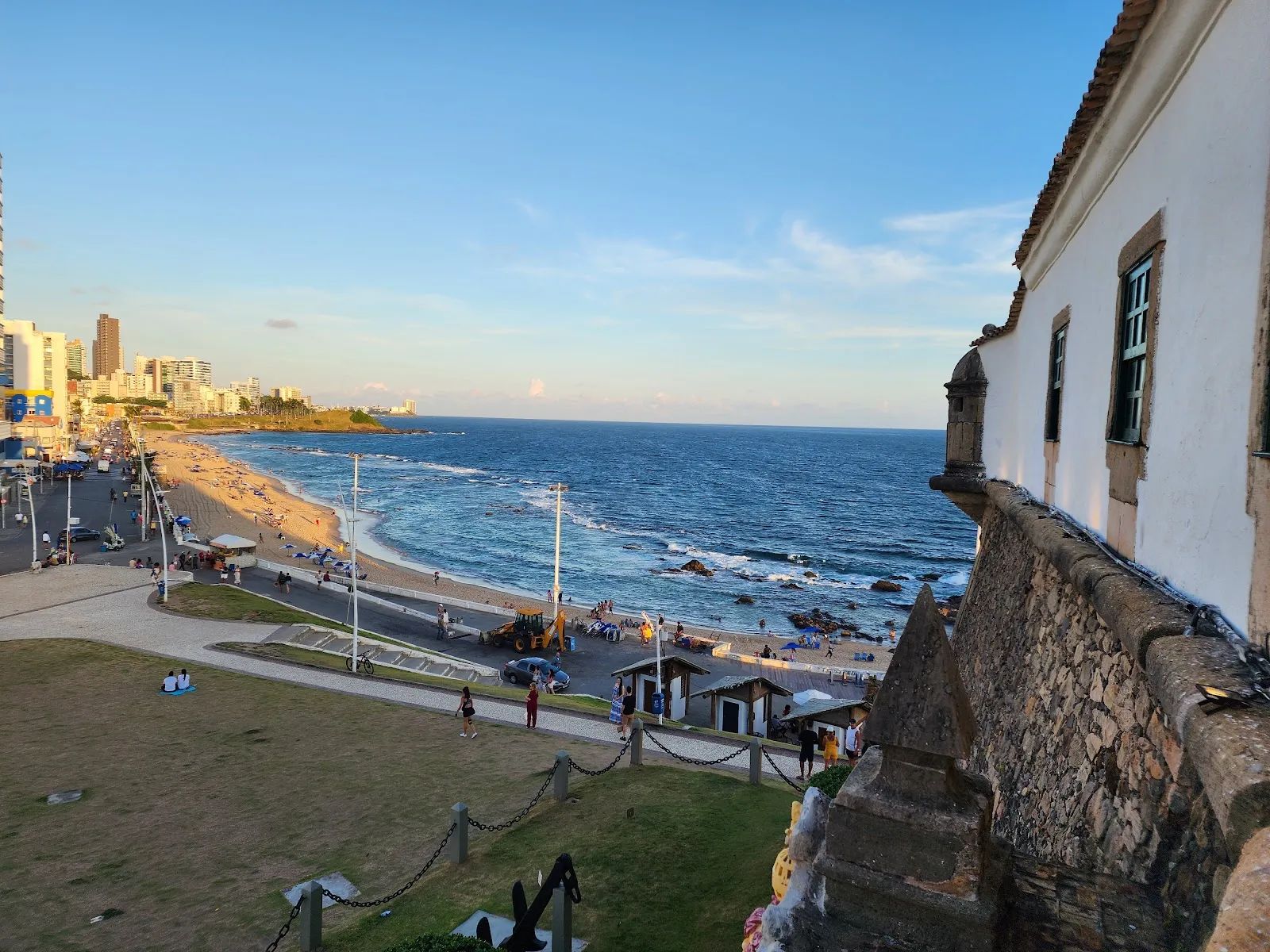
Forte de Santo Antônio da Barra

Forte de Santo Antônio da Barra occupies the northern entrance to Todos os Santos Bay, at the tip of Salvador’s peninsula. Recognized as Brazil’s oldest military structure, it was built to guard the city and the bay. The fort began as a tower with ten sides, then underwent enlargement and repairs in the late sixteenth century, followed by further alterations between 1602 and 1702.

The lighthouse now associated with the fort came later. Shipwrecks on the coral reefs near the bay entrance prompted its construction. Its light helped guide vessels approaching the harbor. Whale oil fueled the lamps until electricity was installed in 1937.

Inside the Bahia Nautical Museum
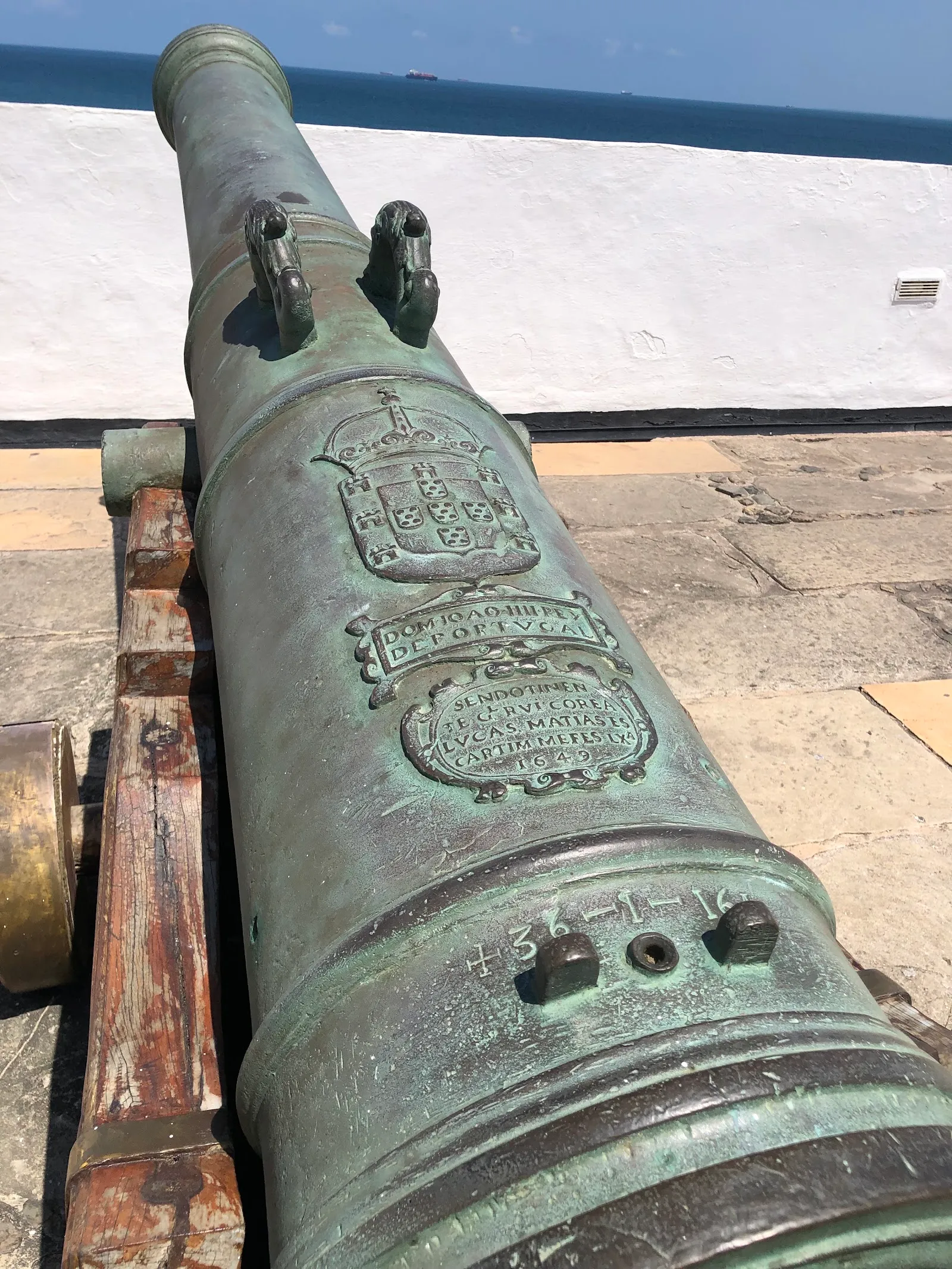
Forte de Santo Antônio da Barra

The Bahia Nautical Museum is housed within the fort. Its permanent displays trace Portuguese navigation and maritime activity along the Bahian coast. Look for old maps, navigation equipment, artillery and model vessels, as well as remains from shipwrecks recovered by archaeologists offshore.

The museum also covers the history of the slave trade. The exhibits give context to the fort’s position on a strategic sea route and to the ships that entered the bay.

Views from the lighthouse and fort

The lighthouse and fort look out over the ocean and the coastline around Salvador. From the lighthouse’s upper level, the view takes in the city and Todos os Santos Bay. Around the fort, changing angles bring the coast into view, including the stretch toward Porto da Barra Beach and Morro do Cristo.

The grassy area outside the fort is a place to pause as the sun sets over the bay. Weekends can be busier, with people gathering outside for photos and time on the grass. Street vendors may approach visitors, so keep valuables secure.

Perguntas frequentes

What can you see inside Forte de Santo Antônio da Barra?

The Bahia Nautical Museum has old maps, navigation equipment, artillery, model vessels and shipwreck remains. Its displays also cover Portuguese maritime history and the slave trade.

Can you climb the Barra Lighthouse?

Yes. Climb to the top for views of Salvador and Todos os Santos Bay.

When is a good time to visit?

Go at sunset for views over the bay. Weekdays tend to be quieter than weekends.

How long should you allow for a visit?

Allow about 1 to 2 hours to see the museum, explore the fort and climb the lighthouse.

Mais atrações imperdíveis em Salvador

Explorar tudo