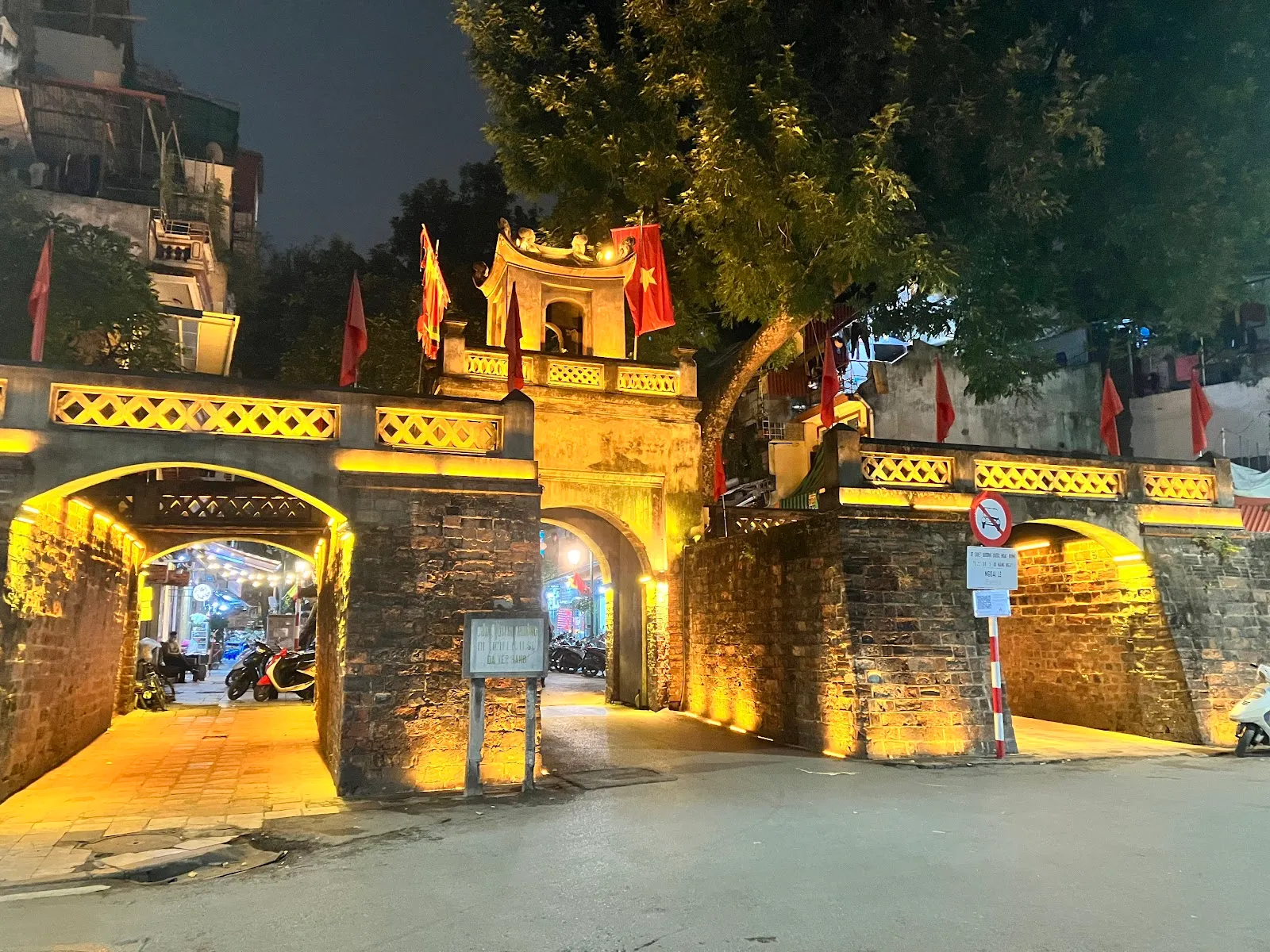
Old East Gate, also called Ô Quan Chưởng, is the only surviving gate from the outer walls of Hanoi’s Thăng Long citadel. Set at 4 P. Hàng Chiếu in the Old Quarter, it has a large central arch, two smaller side arches and traditional brickwork. The gate was built in the 18th century and later renovated after fighting with French forces. Stop to look closely at its structure and consider the history behind its name; entry is free, and the surrounding streets are busy with local activity.
The last gate of the old citadel
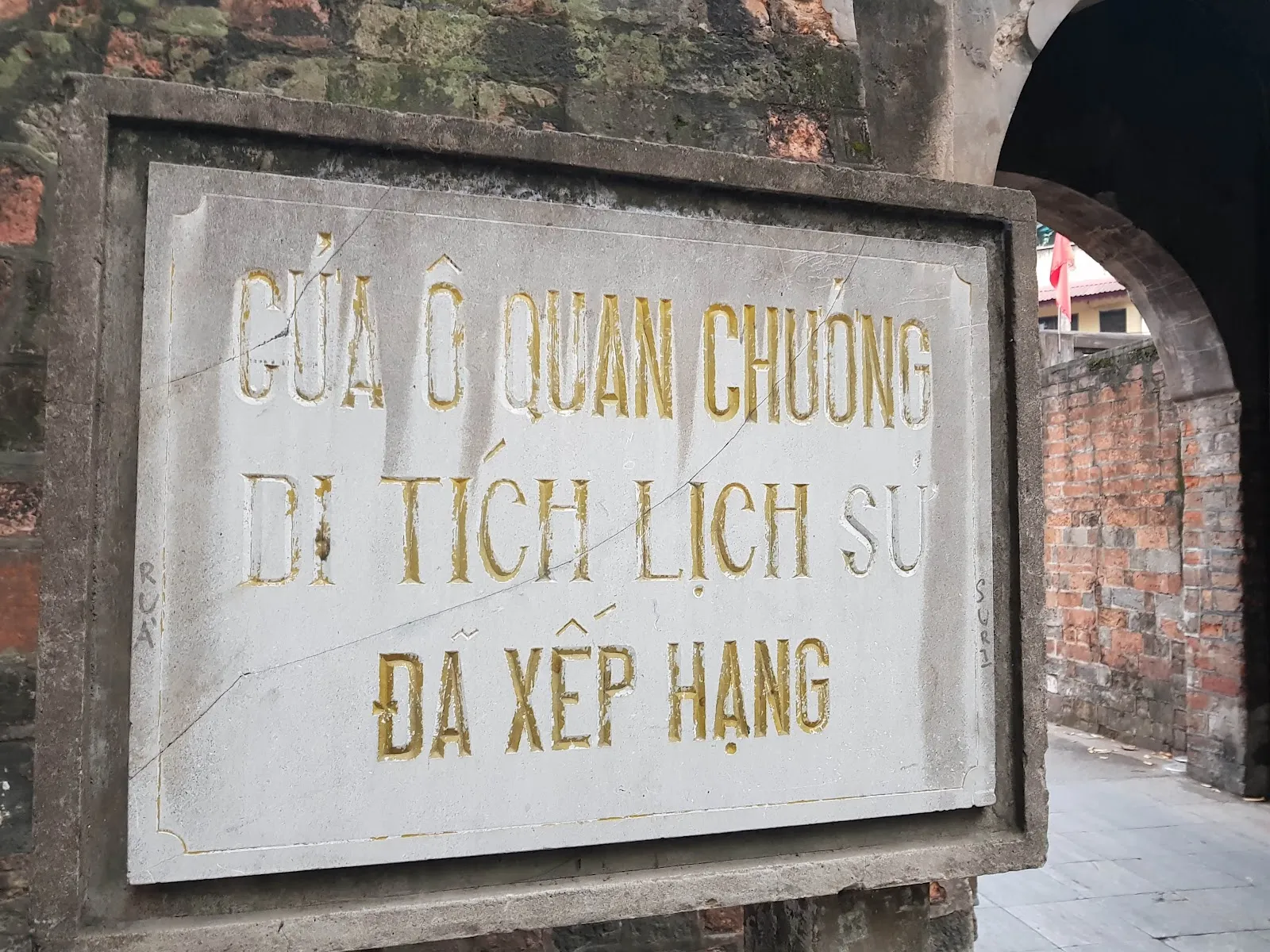
Ô Quan Chưởng, also known as Old East Gate or Đông Hà Gate, is the sole surviving gate of the outer walls of the Thăng Long citadel. It stands at 4 P. Hàng Chiếu in Hanoi’s Old Quarter, among busy streets and newer buildings.
The gate dates to the 18th century and was renovated in the 19th century after fighting with French forces. Its present name commemorates Vietnamese officials and soldiers who died defending it. The accounts provided differ on some details of the gate’s construction and defence, so those specifics are best left aside.
What to look for
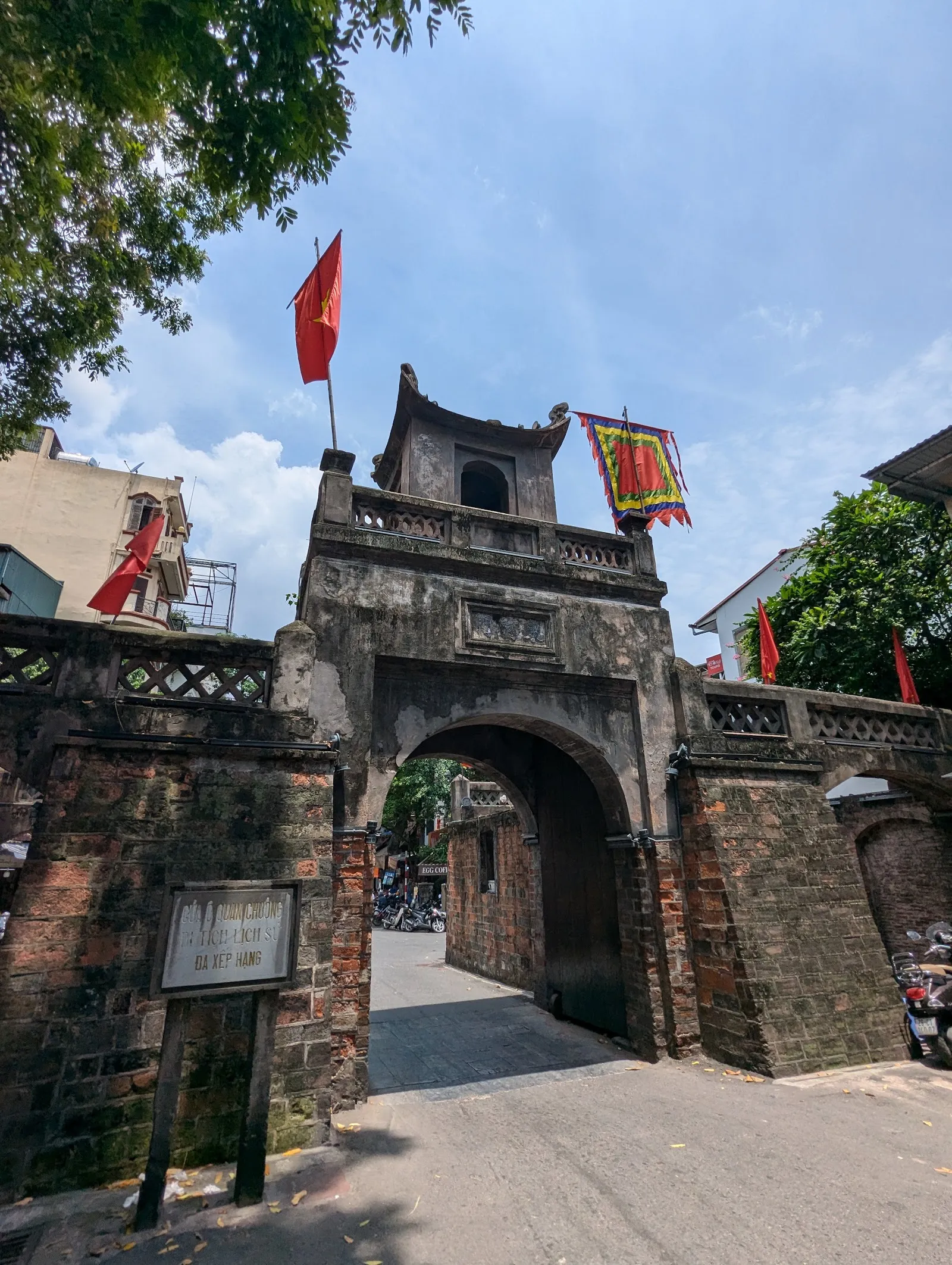
The structure has one large central arch and two smaller arches at the sides. Its brickwork and traditional form make it easy to distinguish from the modern buildings around it. Take time to view the gate from the surrounding street and notice how it sits within the Old Quarter’s everyday traffic.
The gate is open to the public at no charge. An evening visit lets you combine the stop with street food nearby. Hoan Kiem Lake and St. Joseph Cathedral are suggested as other places to include in a walk around Hanoi.
FAQ
Is there an entry fee for Old East Gate?
No. Entry is free.
Where is Old East Gate?
It is at 4 P. Hàng Chiếu in Hanoi’s Old Quarter.
When is a good time to visit?
Go in the evening, when street food is available in the surrounding area.
What is notable about Old East Gate?
It is the only surviving gate from the outer walls of the Thăng Long citadel.