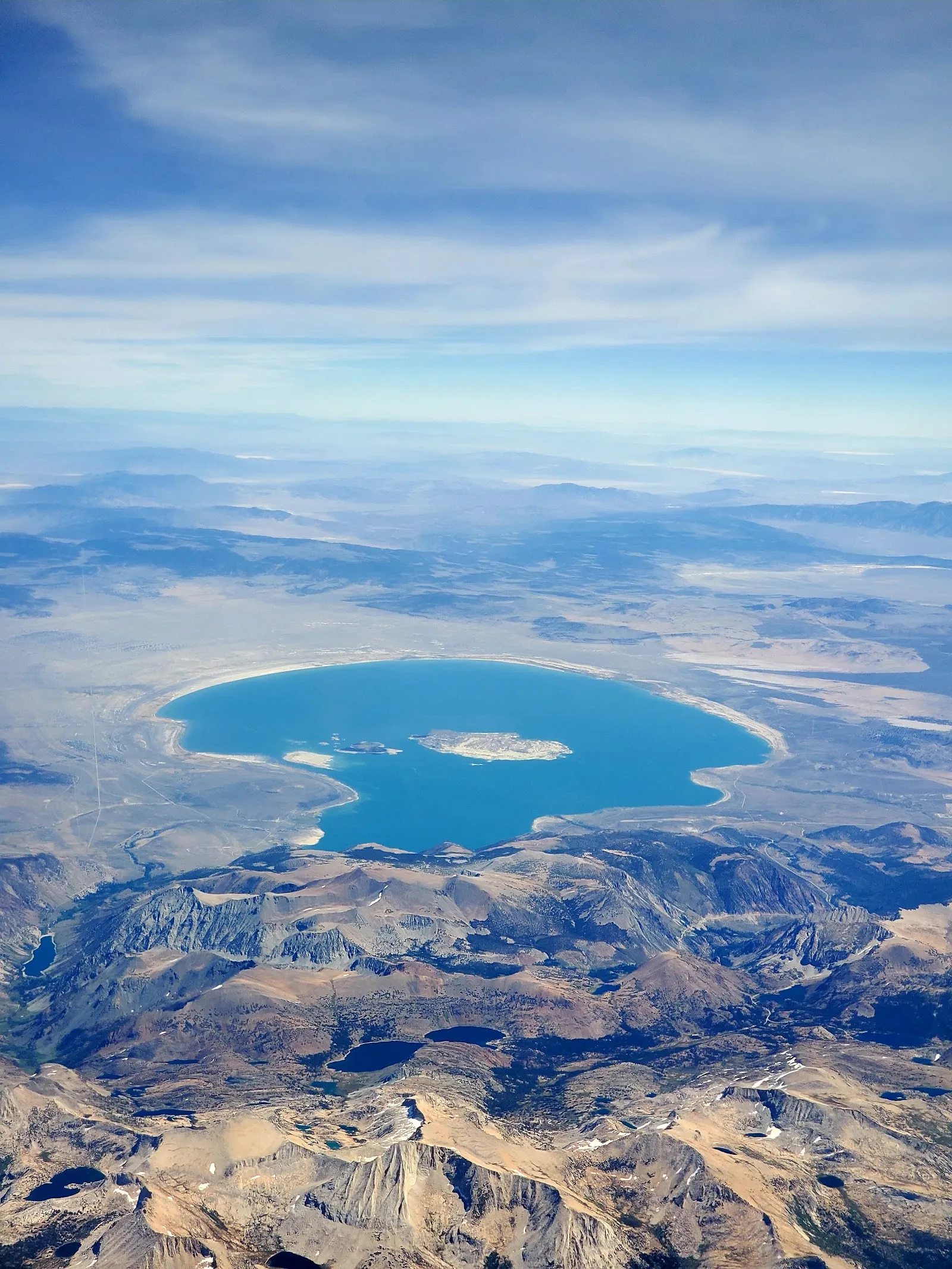
Mono Lake, near Lee Vining on California’s eastern side of Yosemite, is known for its saline water and unusual tufa towers. These pale limestone formations rise from the shore, especially clearly at the South Tufa area, where a short trail brings you close to them. The lake’s blue surface, surrounding mountains and changing light make it a rewarding stop for photography and birdwatching. Visit at sunrise or sunset for reflections and colorful skies, or come in winter to see the formations against snowy peaks.
How the tufa towers form
The pale towers along Mono Lake’s shore are made of calcium carbonate, or limestone. They began underwater, where calcium carried by freshwater springs met carbonate-rich lake water. Over time, the reaction built up the formations now visible at the water’s edge.
The towers are the main reason to stop at the South Tufa area. A short trail leads through them and around the shoreline, with views across the lake to the surrounding mountains. Look closely at the formations as you walk; their irregular shapes stand out against the open water.
A visit in different seasons
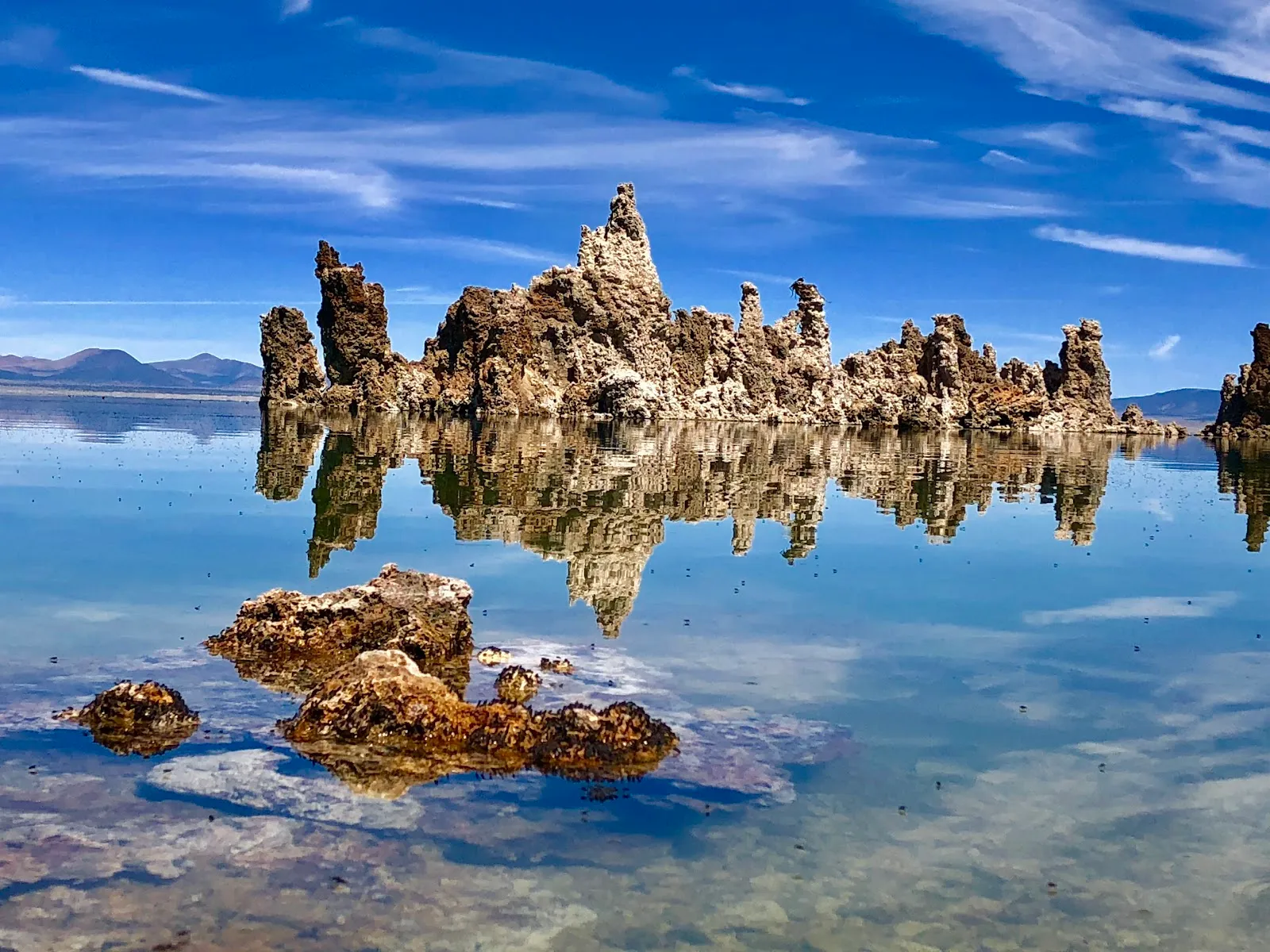
Sunrise and sunset bring changing color to the water and surrounding sky, and the formations can be reflected on the lake’s surface. Early morning can also mean a quieter walk. In winter, snowy mountain scenery adds a different backdrop; the southern shore has been accessible in late November.
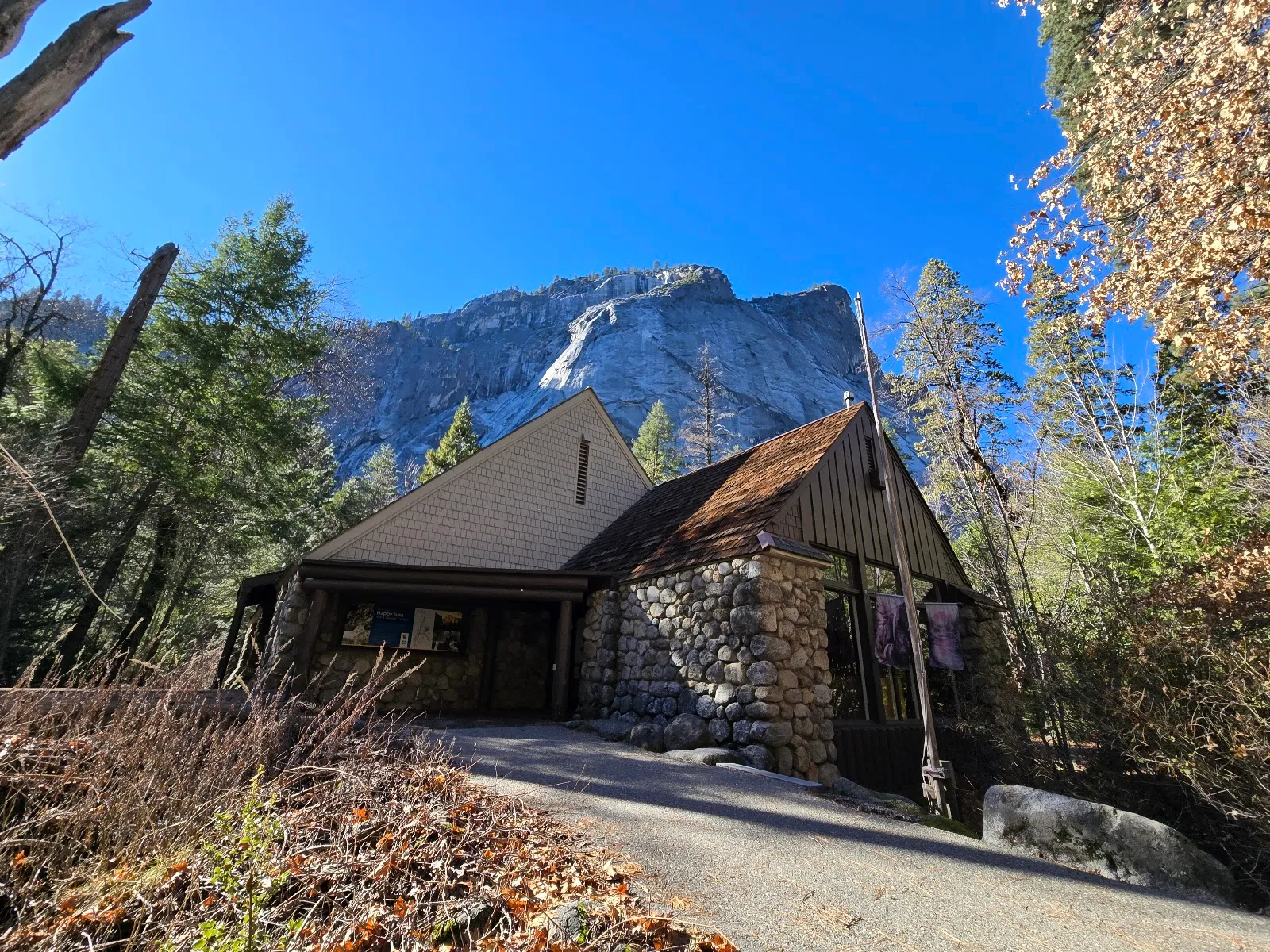
The shore is also a place to watch for birdlife, including gulls. Tiny flies gather in swarms along the water’s edge. If you want context before heading to the lake, the Mono Basin Scenic Area Visitor Center, north of Lee Vining on Highway 395, has exhibits about the area’s geology, birds and history, plus a short interpretive trail to the shore.
FAQ
How long should I spend at Mono Lake?
Allow about 1 to 1.5 hours for a visit focused on the South Tufa area and its short walking trail.
What is the South Tufa Trail?
It is a short trail around the tufa formations at the lake’s edge, giving you close views of the towers.
When is the best time to visit Mono Lake?
Sunrise and sunset bring changing light to the lake and formations. Winter visits can include snowy mountain views.
What causes Mono Lake’s tufa towers?
Calcium from freshwater springs reacts with carbonate-rich lake water, gradually forming calcium carbonate towers.