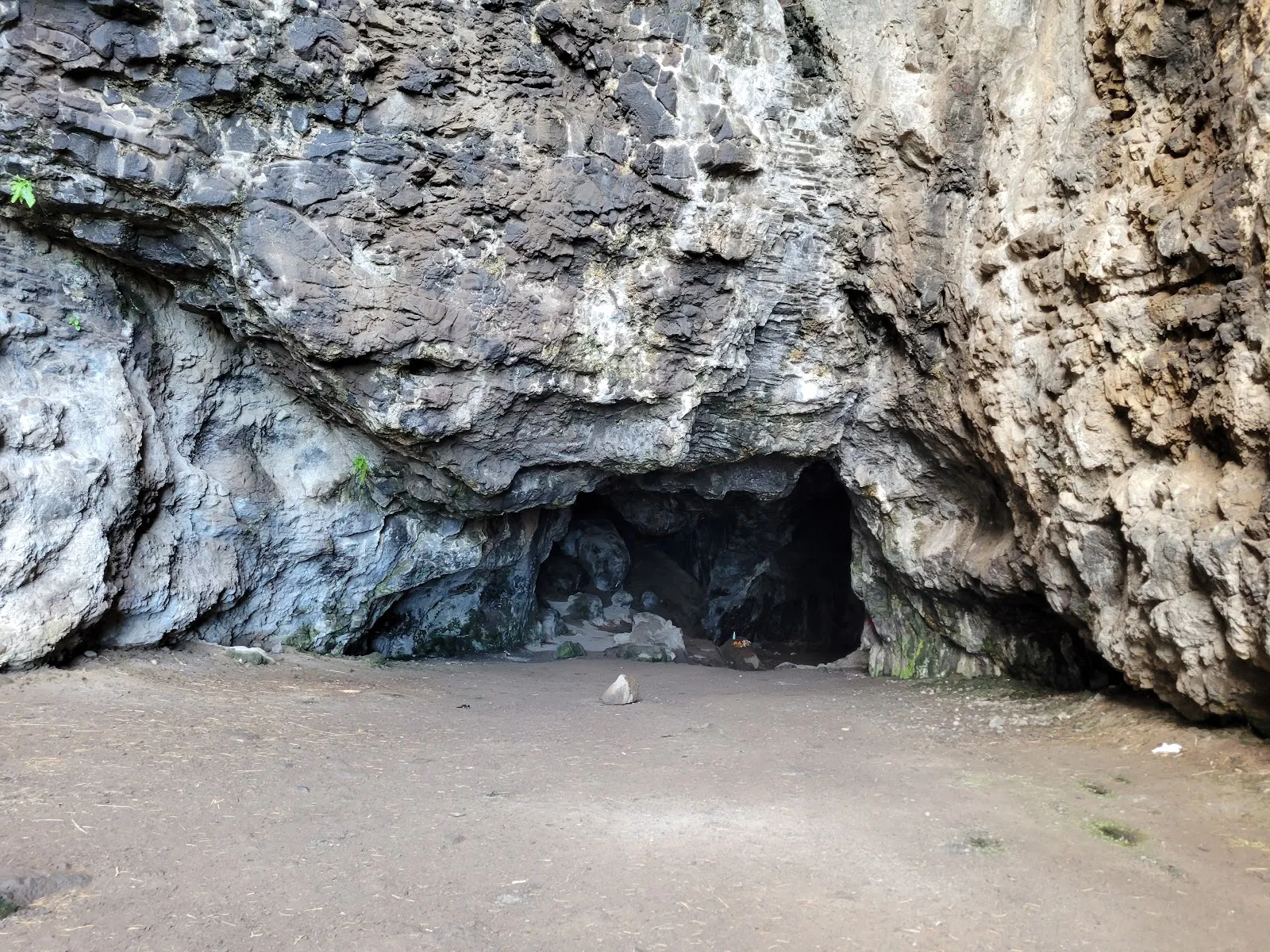
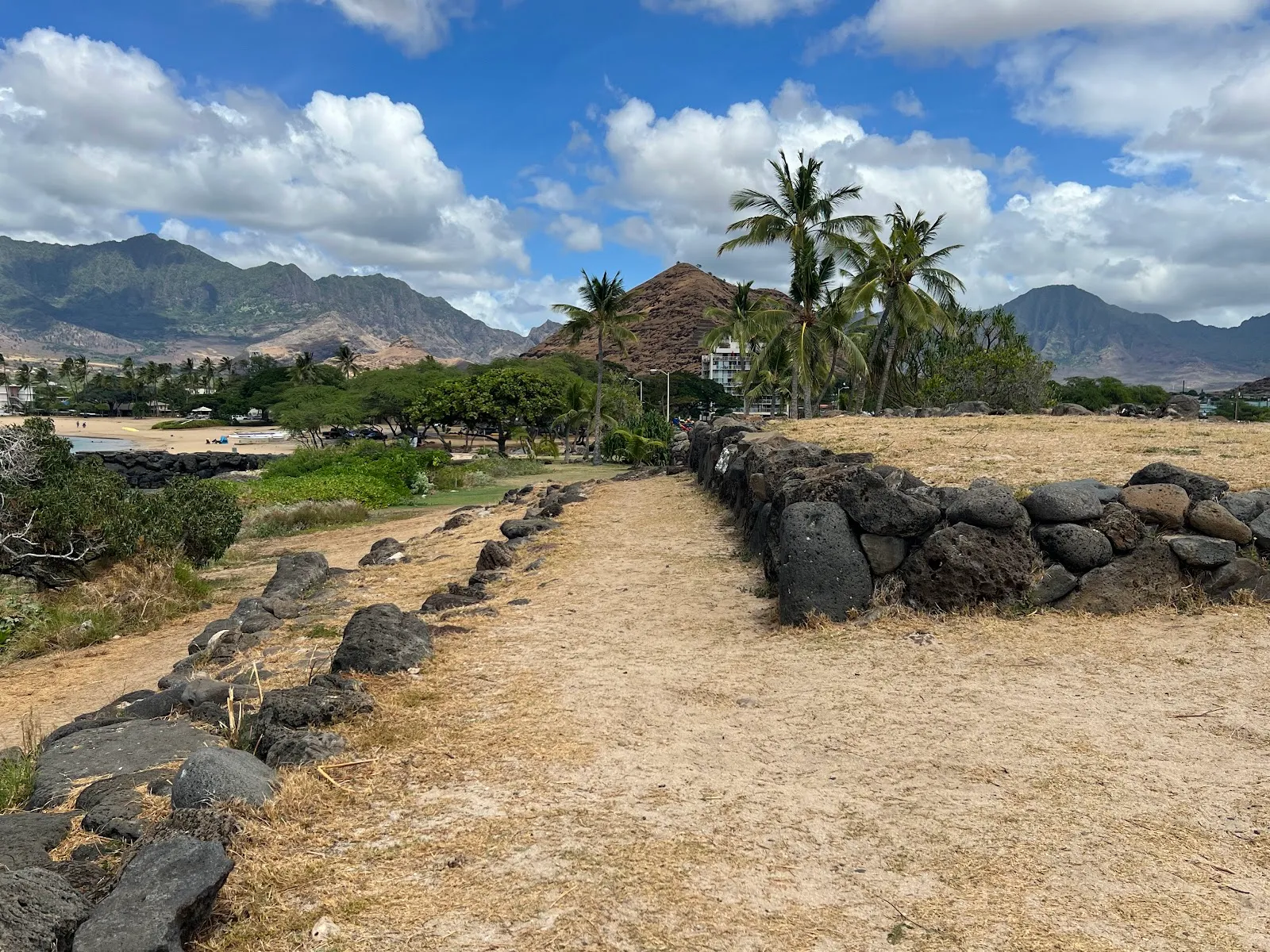
Inside Koko Crater on Oʻahu’s southeastern side, this 60-acre botanical garden takes you through a dry, sunny collection of plants from Hawaiʻi, Africa, Madagascar and the Americas. Follow the roughly two-mile loop past cacti and succulents, mature baobab, moringa and acacia trees, and a plumeria grove near the entrance. The unpaved route is mostly flat but rocky, and the crater’s heat makes this a different kind of garden walk from Oʻahu’s rainforest settings. Entry is free.
A dry garden inside Koko Crater
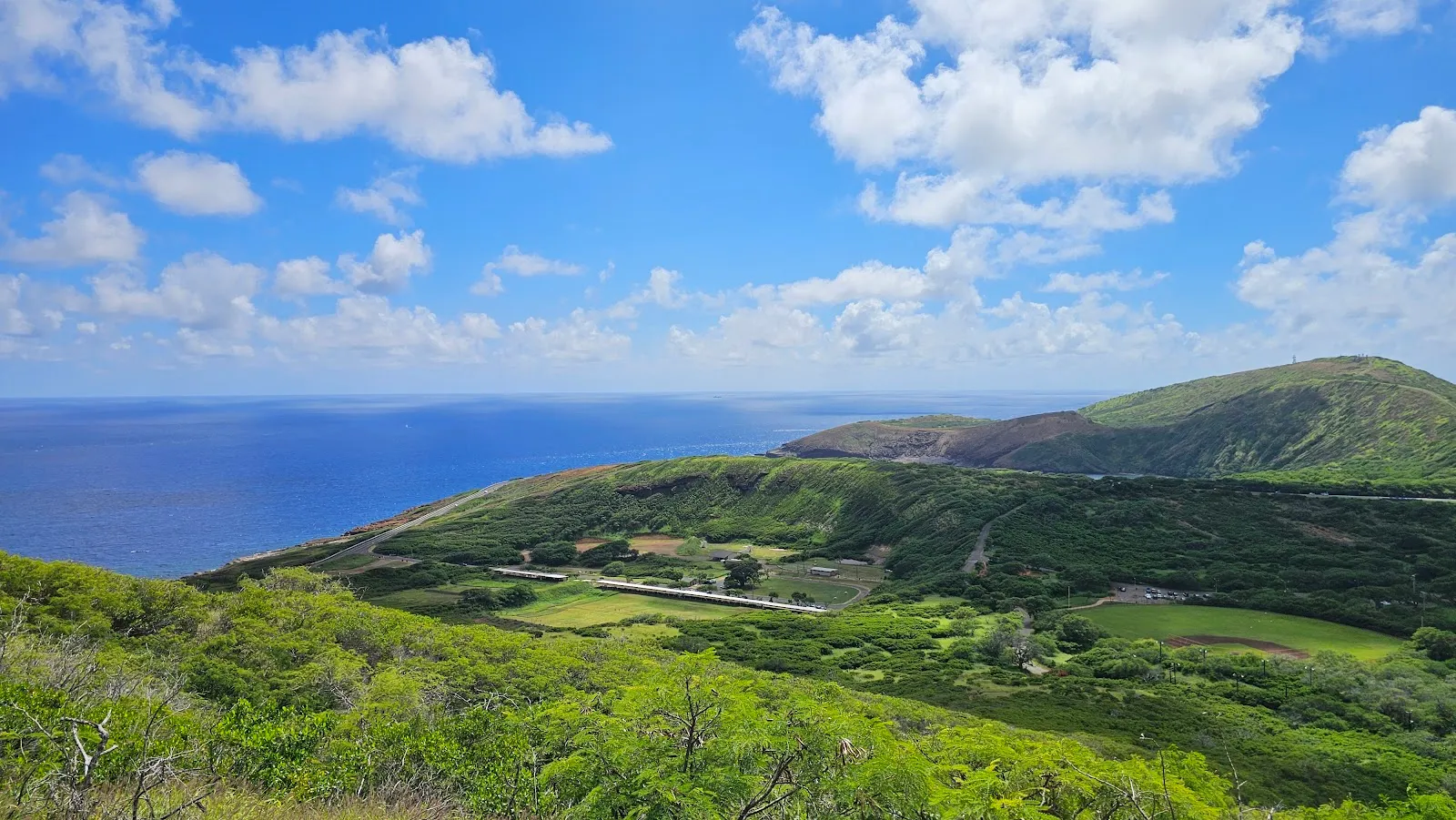
Koko Crater Botanical Garden occupies 60 acres within the 200-acre crater basin on Oʻahu’s southeastern side. The garden was established in 1958, when land in the crater was set aside for botanical use. Its setting shapes the collection: the interior is hot and dry, so the garden focuses on plants suited to arid conditions and low water use.
That makes the walk different from a visit to a lush, rainforest-style garden. Cacti and succulents are prominent, alongside dryland palms and plants from regions such as Africa and Madagascar. Hawaiian plants are also part of the collection. The mature trees include baobab, moringa and acacia, growing far from their native ranges.
Follow the collections around the crater
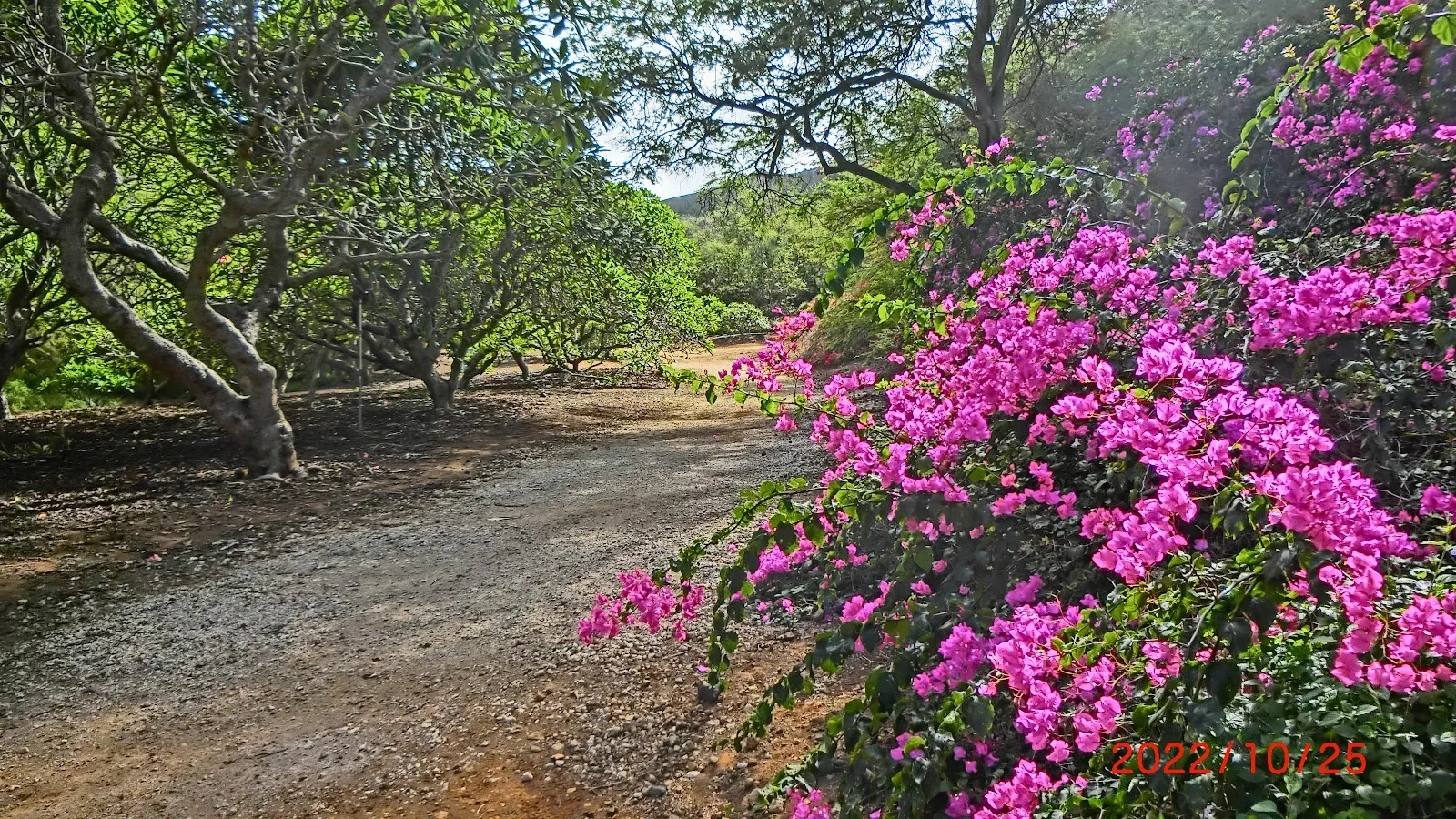
A roughly two-mile loop connects the garden’s plant areas. The route is self-guided, with paths and signs that lead through collections associated with Hawaiʻi, Africa, Madagascar and the Americas. Pick up a map at the entrance to help navigate the grounds; the map can be difficult to read.
The trail is largely flat, but its unpaved surface is rocky and can become rutted after rain. Closed shoes are a sensible choice. This loop is a gentler alternative to climbing the steep railway steps on the other side of Koko Crater, though the exposed, hot terrain still makes the walk a physical outing.
Plumeria and other stops along the way
The plumeria grove is near the entrance, so you can see it without completing the full circuit. The flowers are especially notable in summer, when the grove blooms. Elsewhere, look for the cactus and succulent collection, dryland palms and plants from Africa and Madagascar. The different sections give the walk a clear sense of place despite the crater’s dry, dusty terrain.
There is no restaurant or food menu in the garden information provided. Bring what you need for your walk, and plan around the heat: early morning or later in the day is a more comfortable time to explore. Parking is limited, and facilities are basic; reports note a portable toilet rather than an indoor restroom.
FAQ
Is Koko Crater Botanical Garden free?
Yes. Admission is free.
How long does the garden walk take?
Allow about 1 to 2 hours for the roughly two-mile loop, depending on how long you spend among the plant collections.
Is the trail difficult?
The route is mostly flat, but unpaved and rocky, and parts can be rutted after rain. It is less steep than the railway-step climb on the crater’s other side.
Are there restrooms at the garden?
Facilities are limited. A portable toilet has been reported, but there is no indoor restroom.