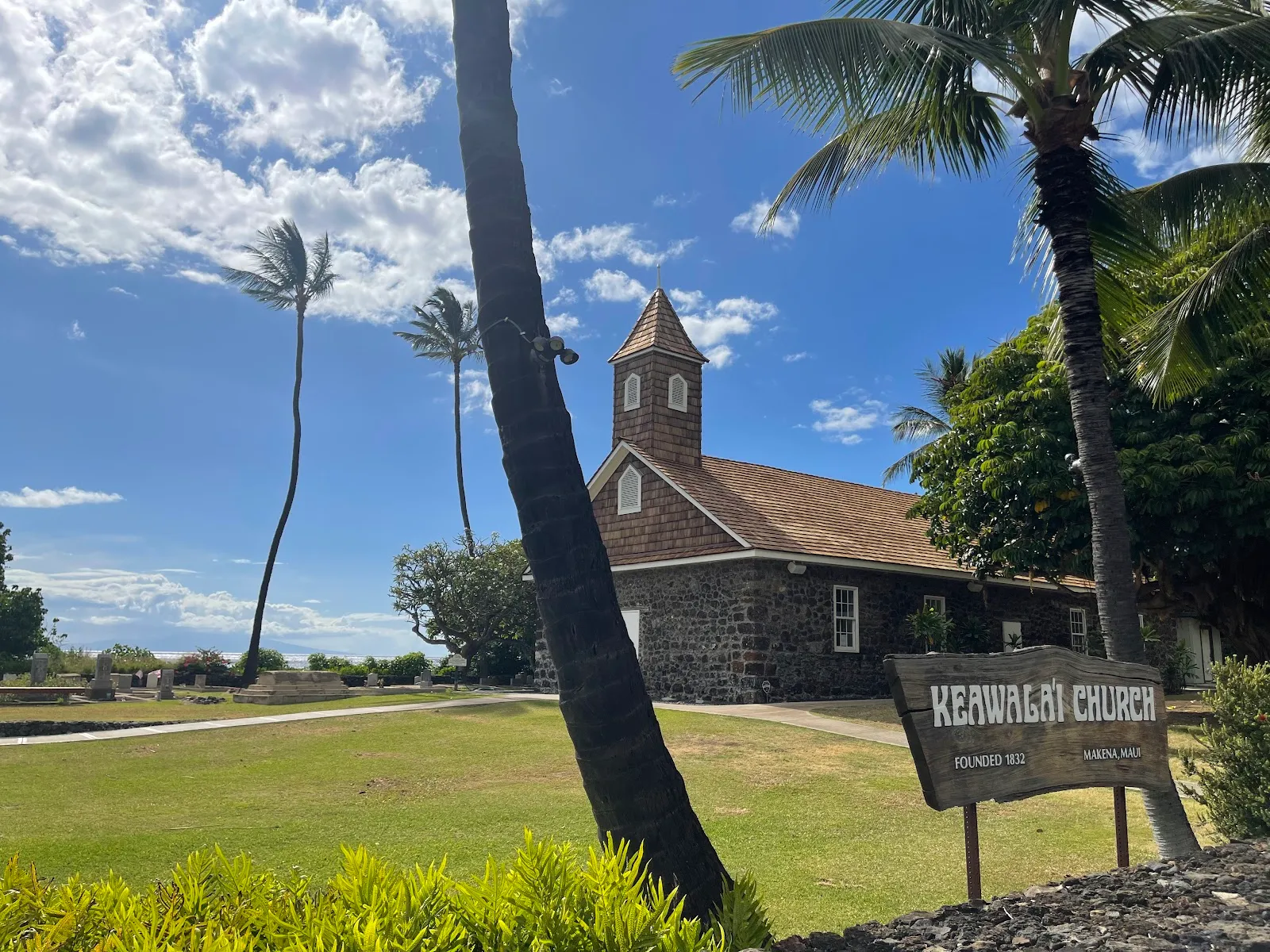
Keawalaʻi Congregational Church is a historic seaside church on Makena Road in Kihei, Maui. Founded in 1832, it began as a structure made from pili grass and was rebuilt about 20 years later with lava stone, timber and coral mortar. Its grounds include old graves and flowering trees, with views toward Molokini Crater, the Pacific Ocean, the West Maui Mountains and Kahoʻolawe. Visit for a quiet look at the church’s history, or attend a service where Hawaiian and English are both used.
The church’s early construction
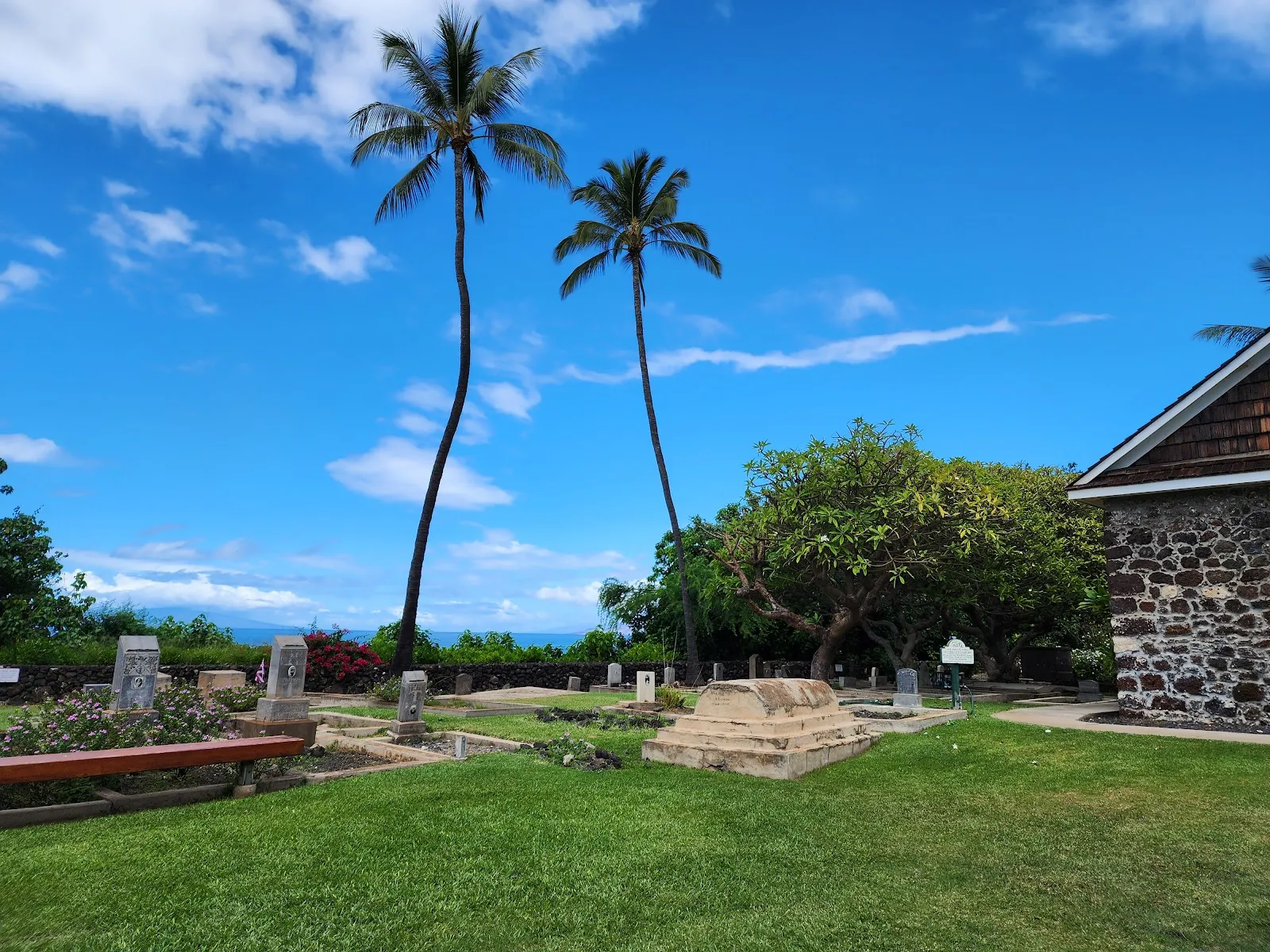
Keawalaʻi Congregational Church was founded in 1832. Its first building was made from pili grass. About two decades later, the church was rebuilt with lava stone, timber and coral mortar. The stones were cut from bedrock by hand, and local timber was used for the supporting beams.
The surviving church connects the site to an earlier period of Maui’s history. Its construction materials also tell a practical story: stone, coral mortar and locally cut wood replaced the original grass structure.
The grounds and services
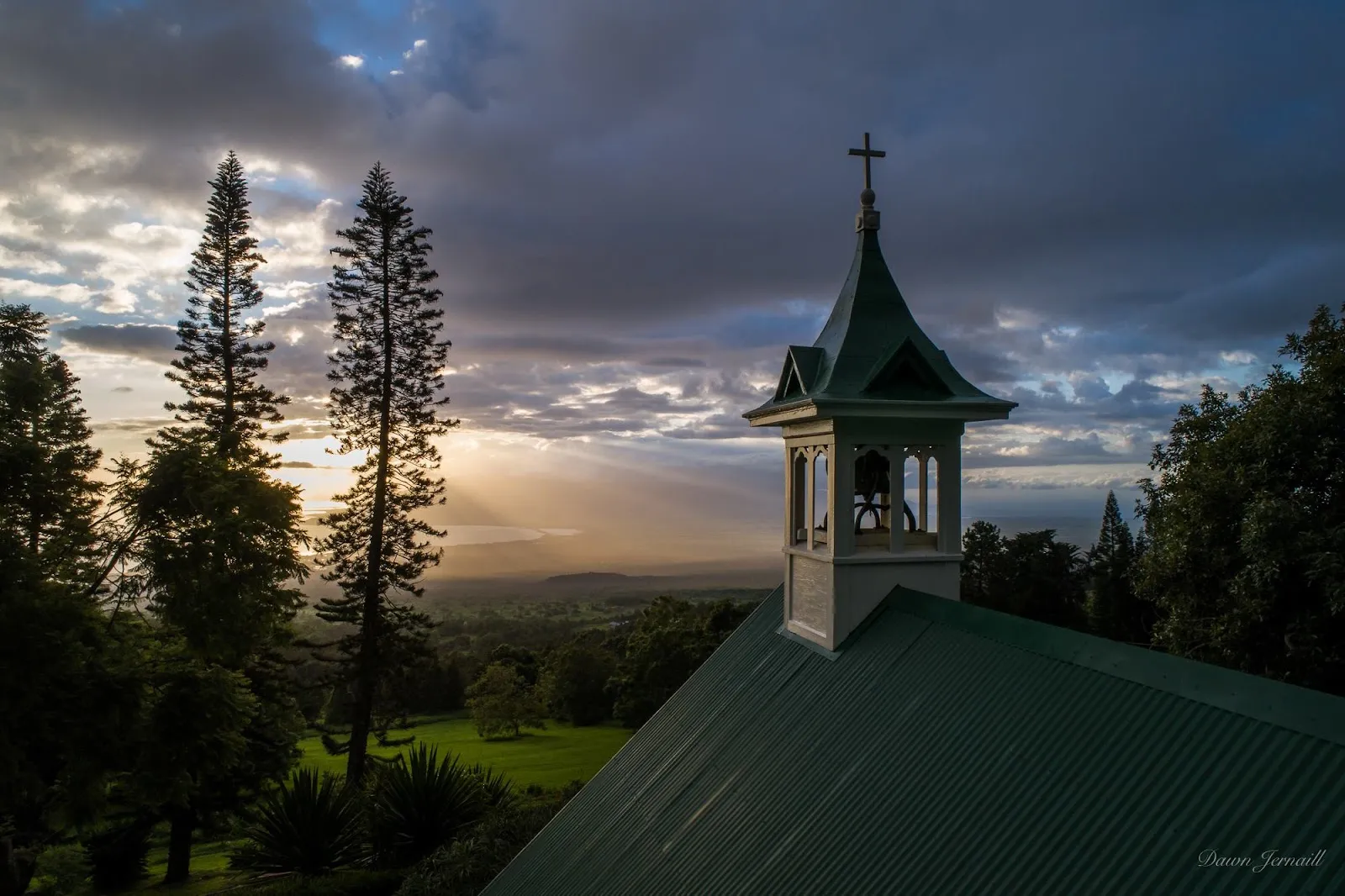
Flowering trees and greenery surround the church, alongside old graves. Signs on the grounds mark areas where visitors should take care not to step on graves.
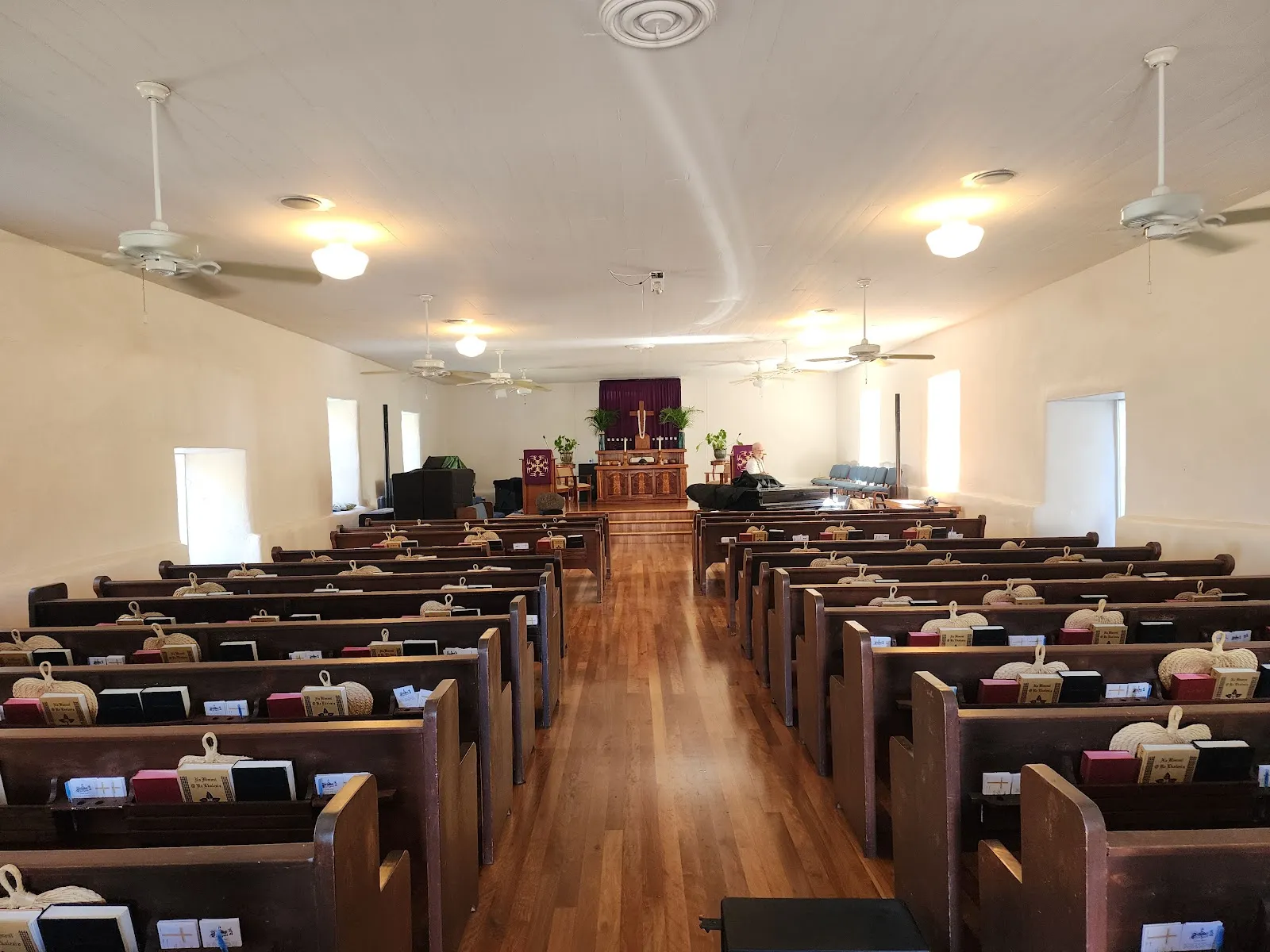
Services include both Hawaiian and English. Easter is a time when visitors can experience the church’s music and welcome; Sunday services are another opportunity to attend. The church is also used for intimate weddings, with nearby beaches including Makena Cove providing additional settings for photographs.
FAQ
When was Keawalaʻi Congregational Church founded?
The church was founded in 1832. Its first structure was made from pili grass, then rebuilt about 20 years later with lava stone, timber and coral mortar.
What can you see from the church grounds?
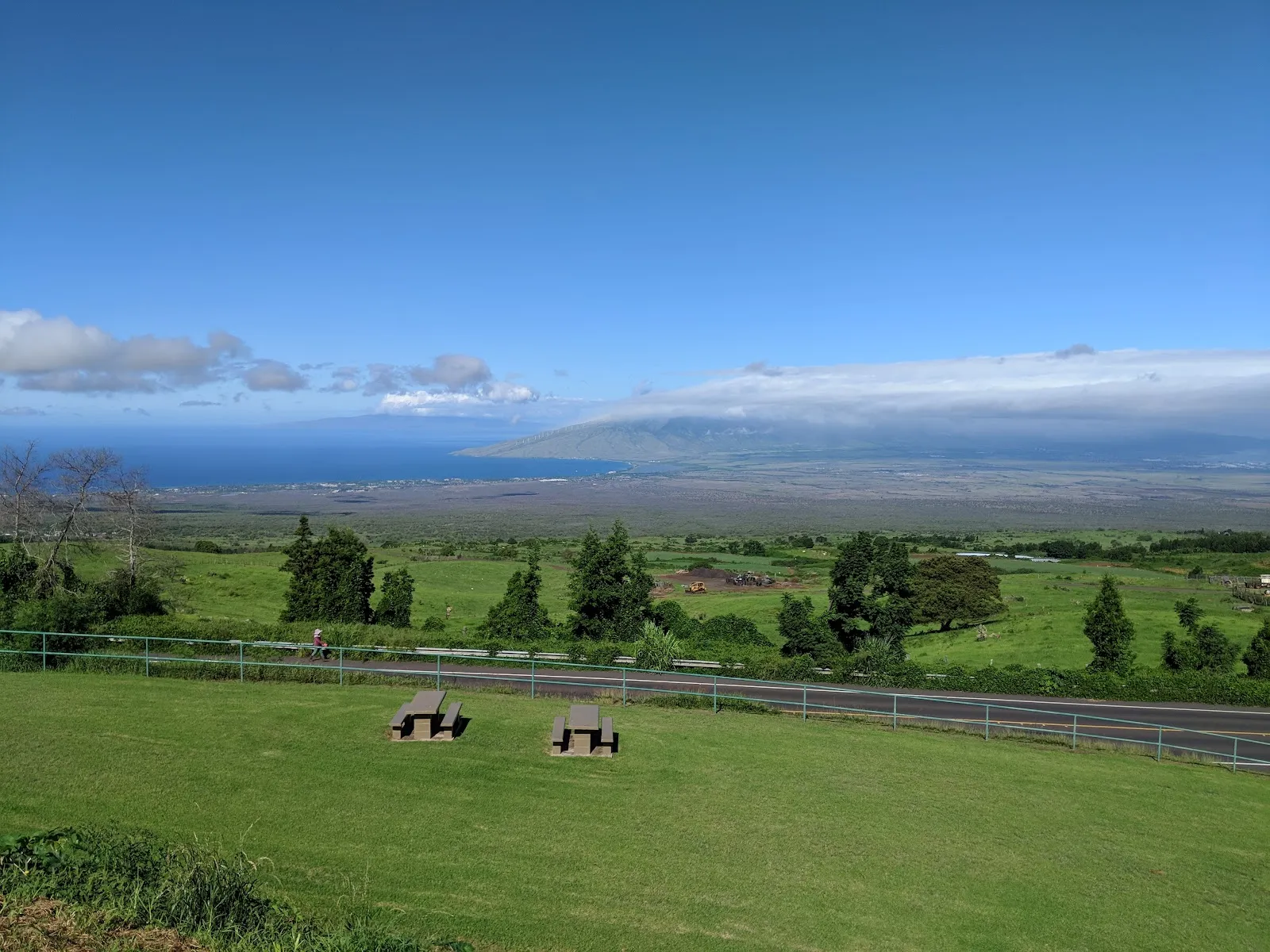
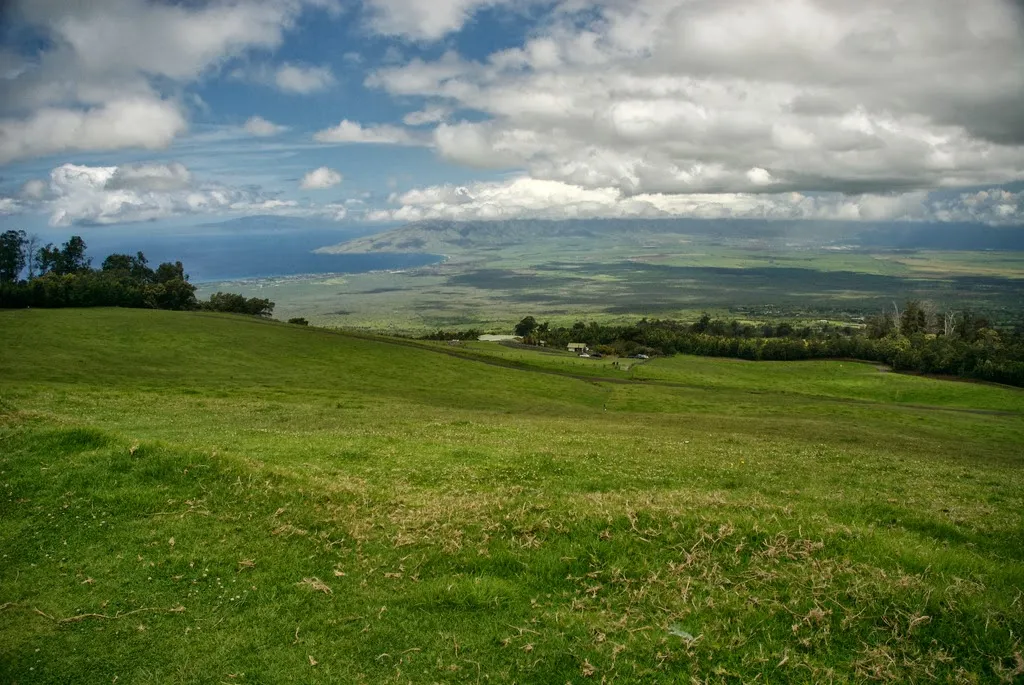
The grounds have flowering trees and old graves. Views include Molokini Crater, the Pacific Ocean, the West Maui Mountains and Kahoʻolawe.
Are services held in English?
Services include both Hawaiian and English.
What should visitors take care around?
Follow the signs on the grounds and avoid stepping on the old graves.