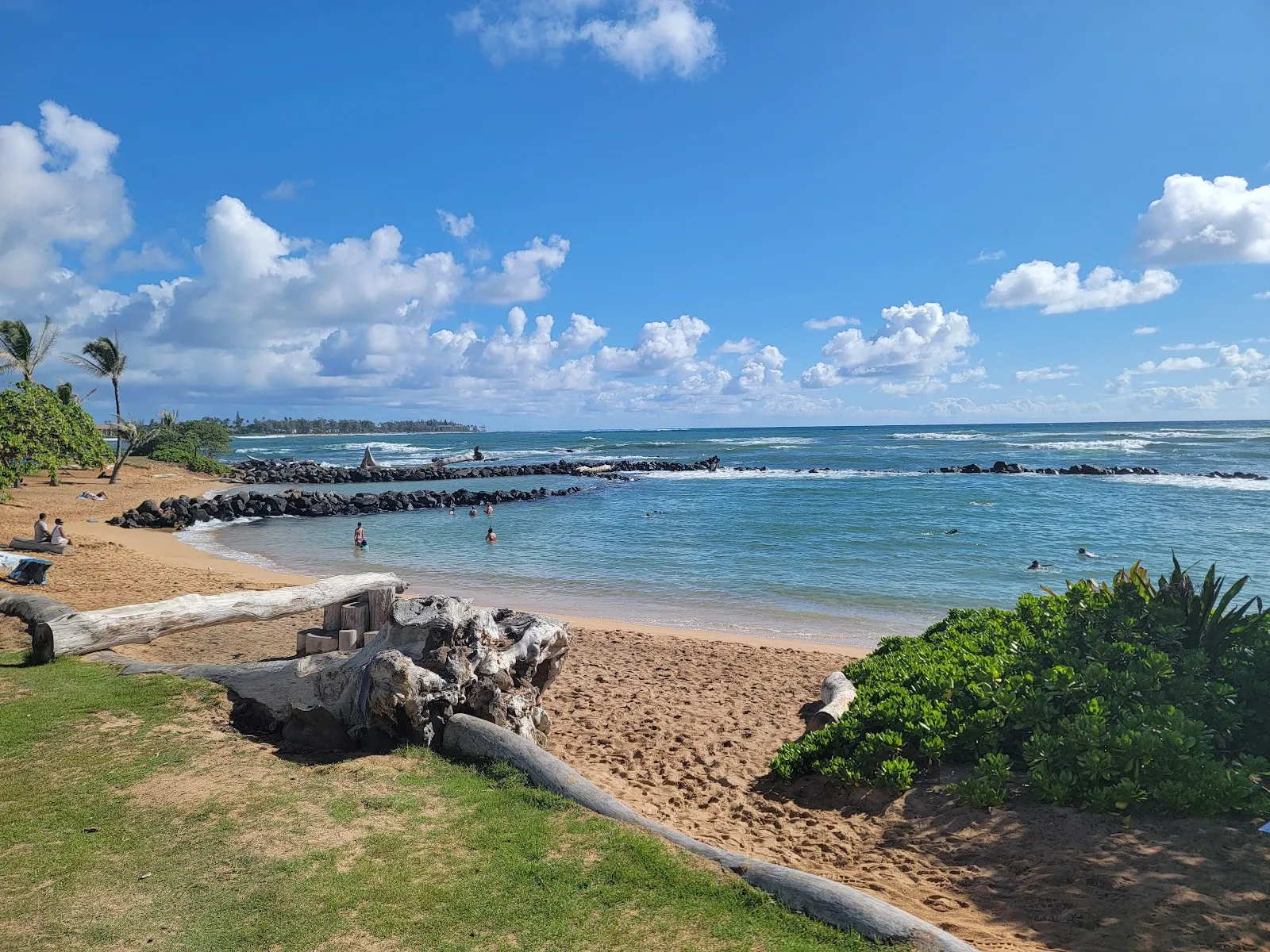
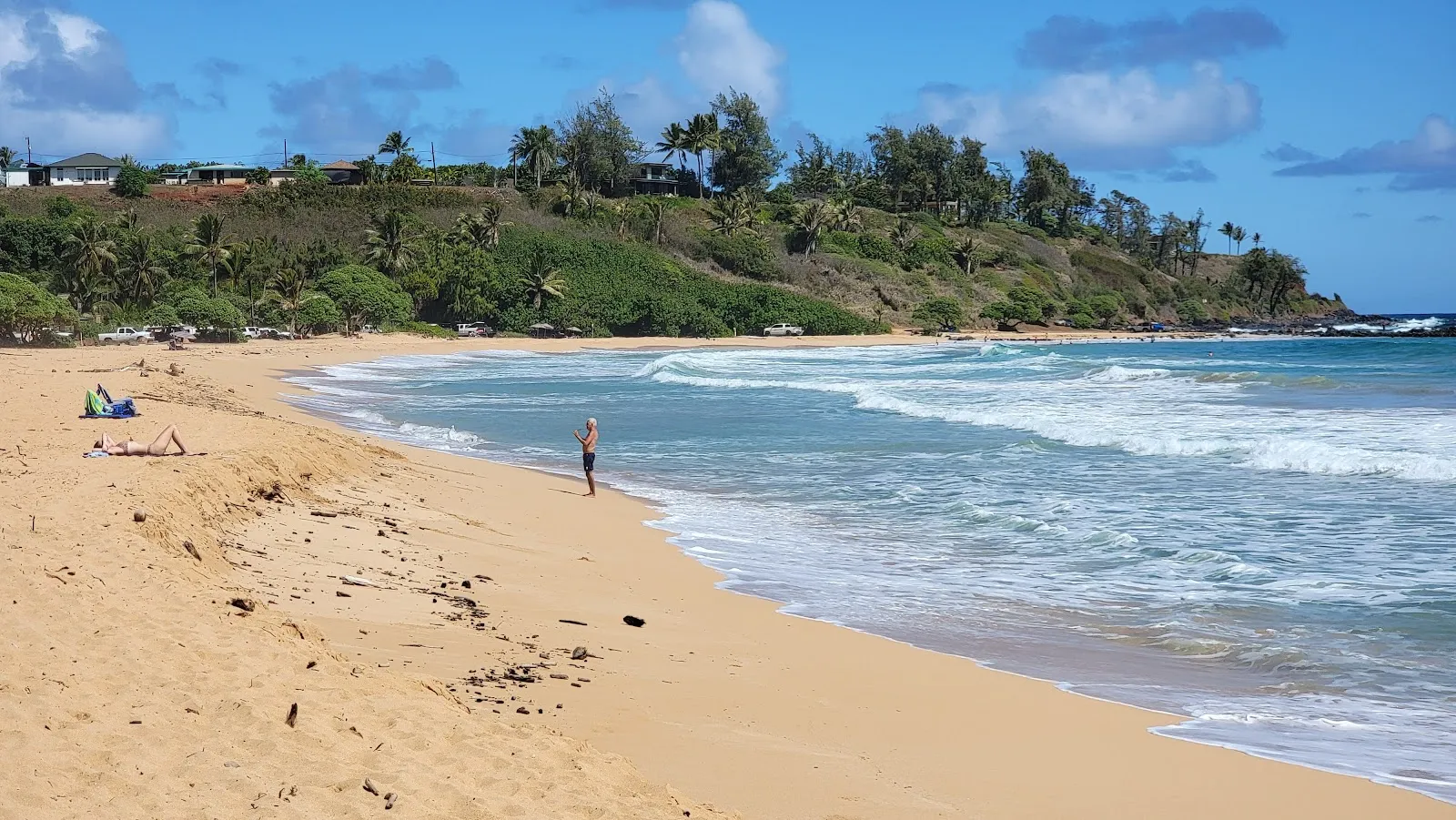
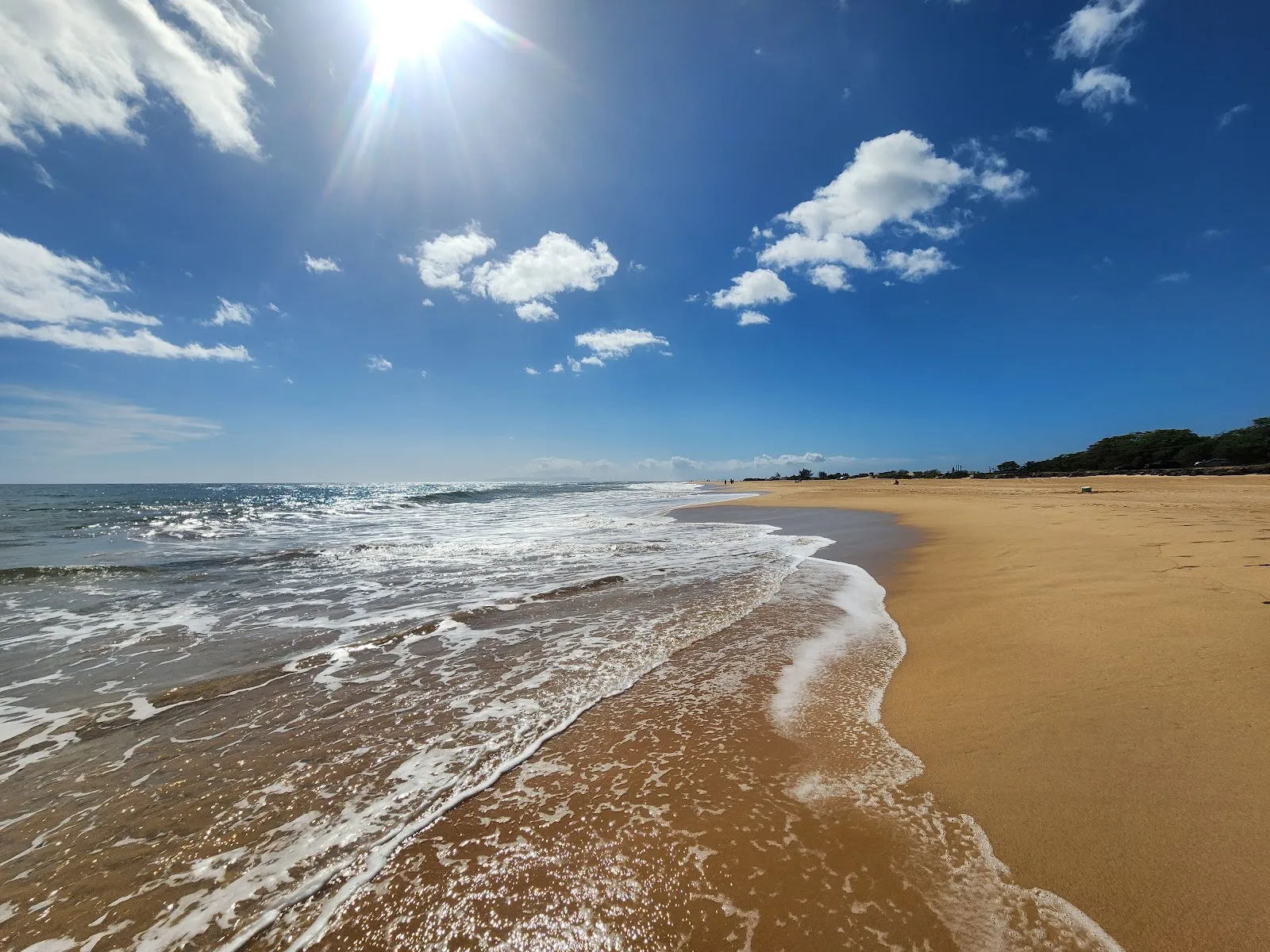
Salt Pond Beach Park is a crescent-shaped beach near Hanapēpē on Kauaʻi’s southwest coast. An offshore reef shelters a lagoon with shallow areas for swimming and beginner snorkeling, while the eastern tide pools are a good place to look for small reef fish. The park has picnic shelters, shaded tables, barbecue grills, restrooms, showers and lifeguards. Nearby salt ponds are still used by Native Hawaiian families to harvest sea salt; they are not open to visitors. Stay for sunset over the west-facing shore.
A reef-sheltered beach near Hanapēpē
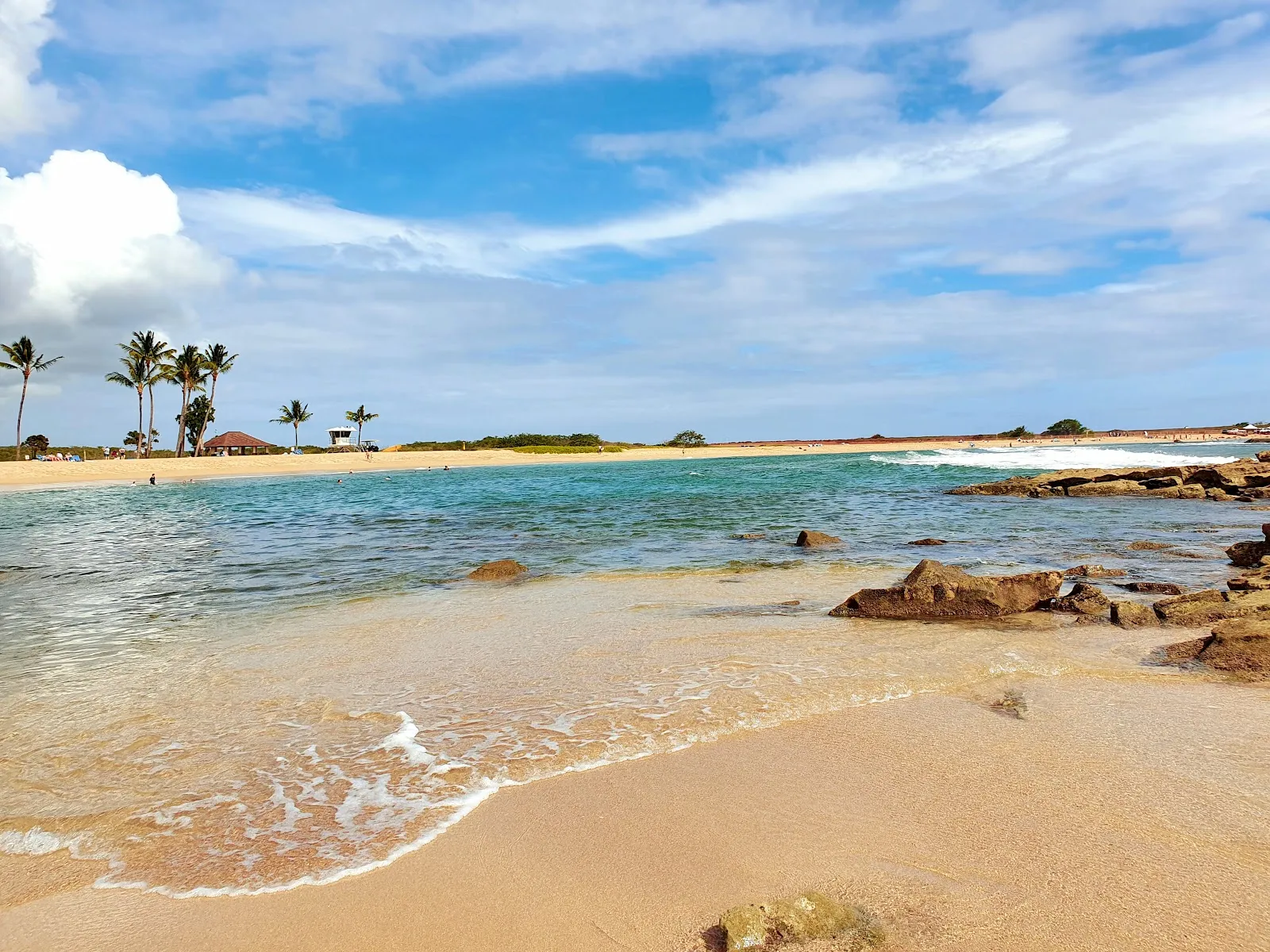
Salt Pond Beach Park lies on Kauaʻi’s southwest coast, near Hanapēpē. Its crescent of sand fronts a lagoon protected by an offshore reef and natural rock barriers. The sheltered water can be calmer than the open coast, with shallower areas at either end of the bay. Conditions can still change, so check the surf before entering the water.
The park suits a relaxed beach day with swimming, snorkeling or time on the sand. Picnic areas sit among grassy spaces and shade, and facilities include restrooms, outdoor showers, barbecue grills and lifeguards. Windsurfing is another activity associated with the beach.
Where to look for marine life
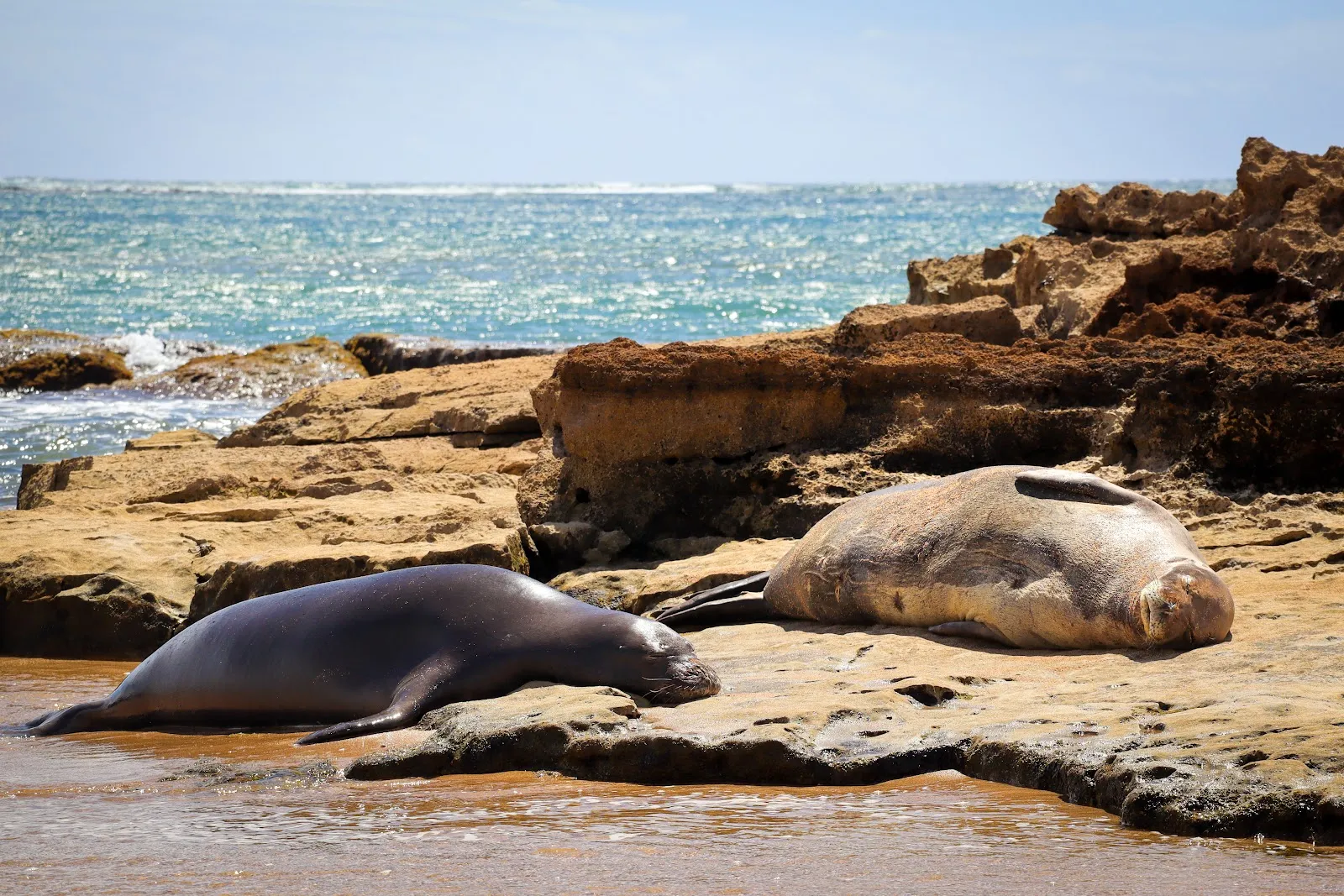
The eastern side of the beach has tide pools where small reef fish can be seen. Another snorkeling area is around the rocky outcropping near the salt ponds; the small cove at the far west end is also suggested for snorkeling. The water is shallow in places, making it a practical setting for beginners, though high surf is a reason to stay out.
The sheltered lagoon has also been used by families with young children. Some parts are shallow enough for wading and splashing, while the main bay becomes deeper. Use the lifeguard service as a resource and choose a spot that suits the conditions on the day.
The salt ponds and local tradition
The park takes its name from nearby salt ponds, where Native Hawaiian families continue the traditional practice of making sea salt. Seawater is collected in beds and left to evaporate, leaving crystals that are gathered for use in food and other purposes. The ponds are reserved for this practice, so visitors should view them without entering or touching them.
The salt beds connect the beach to a living local tradition. They are a place to observe respectfully, not an extension of the public swimming area.
Picnics, camping and sunset
Picnic shelters and tables, grills and broad grassy areas make the park useful for spending time out of the water. Camping is also permitted, giving visitors a way to stay into the evening. The beach faces west, so sunset is a natural time to settle along the shore or in the picnic area.
The park can become busy later in the day, and its shelters may have a lively atmosphere. Arriving early can help with parking; if quiet is your priority, the park’s social, picnic-centered setting may not be the right fit.
FAQ
Is Salt Pond Beach Park good for swimming?
The offshore reef and rock barriers shelter a lagoon with shallow swimming areas. Conditions can change, so avoid entering the water when surf is high.
Where is the best place to snorkel at Salt Pond Beach Park?
Try the eastern end near the tide pools, the rocky outcropping by the salt ponds, or the small cove at the far west end. Do not snorkel when surf is high.
Can visitors enter the salt ponds?
No. The ponds are reserved for Native Hawaiian families who harvest salt there. View them respectfully from outside.
What facilities does Salt Pond Beach Park have?
The park has picnic shelters and tables, barbecue grills, restrooms, outdoor showers and lifeguards. Camping is permitted.