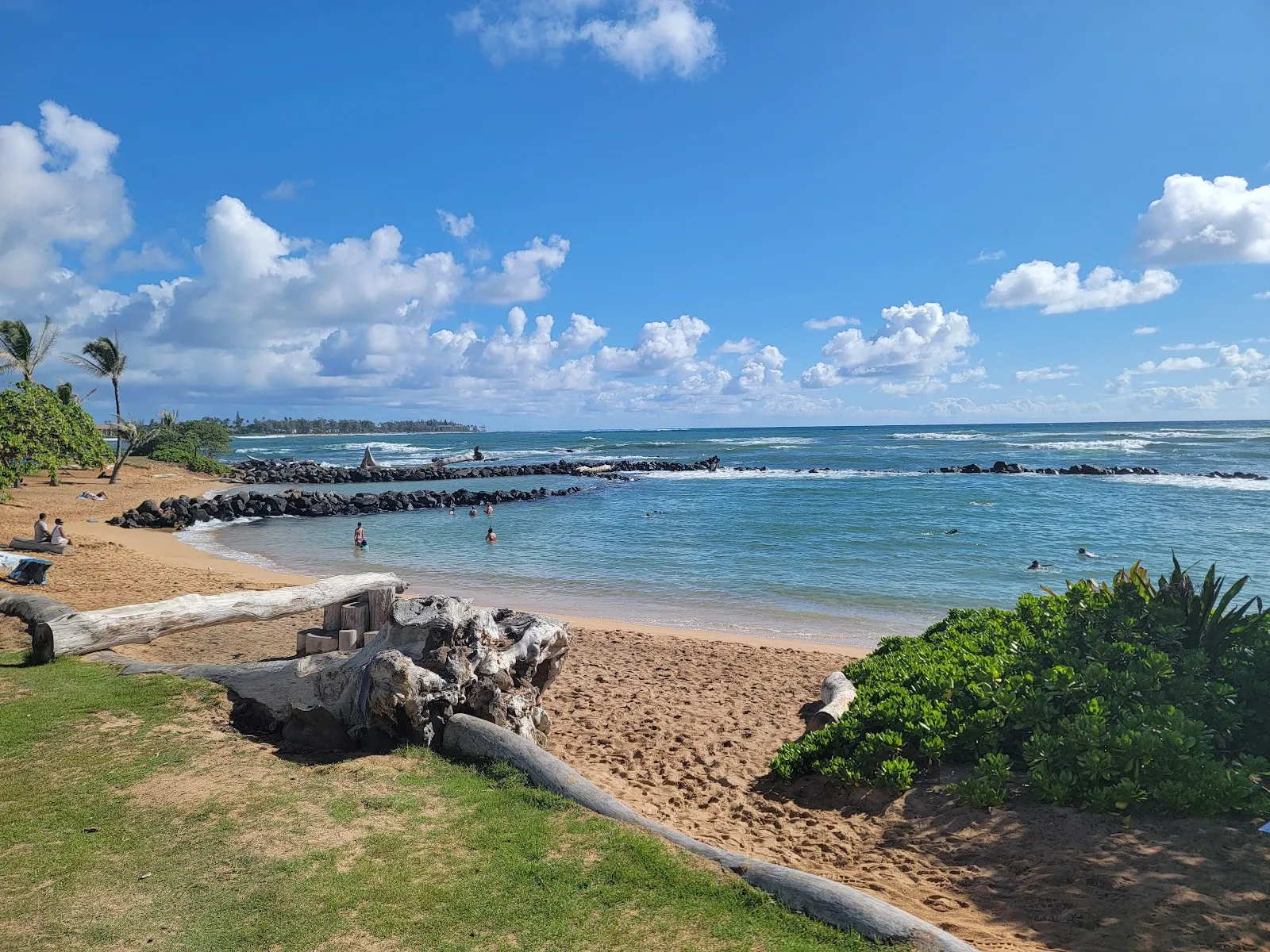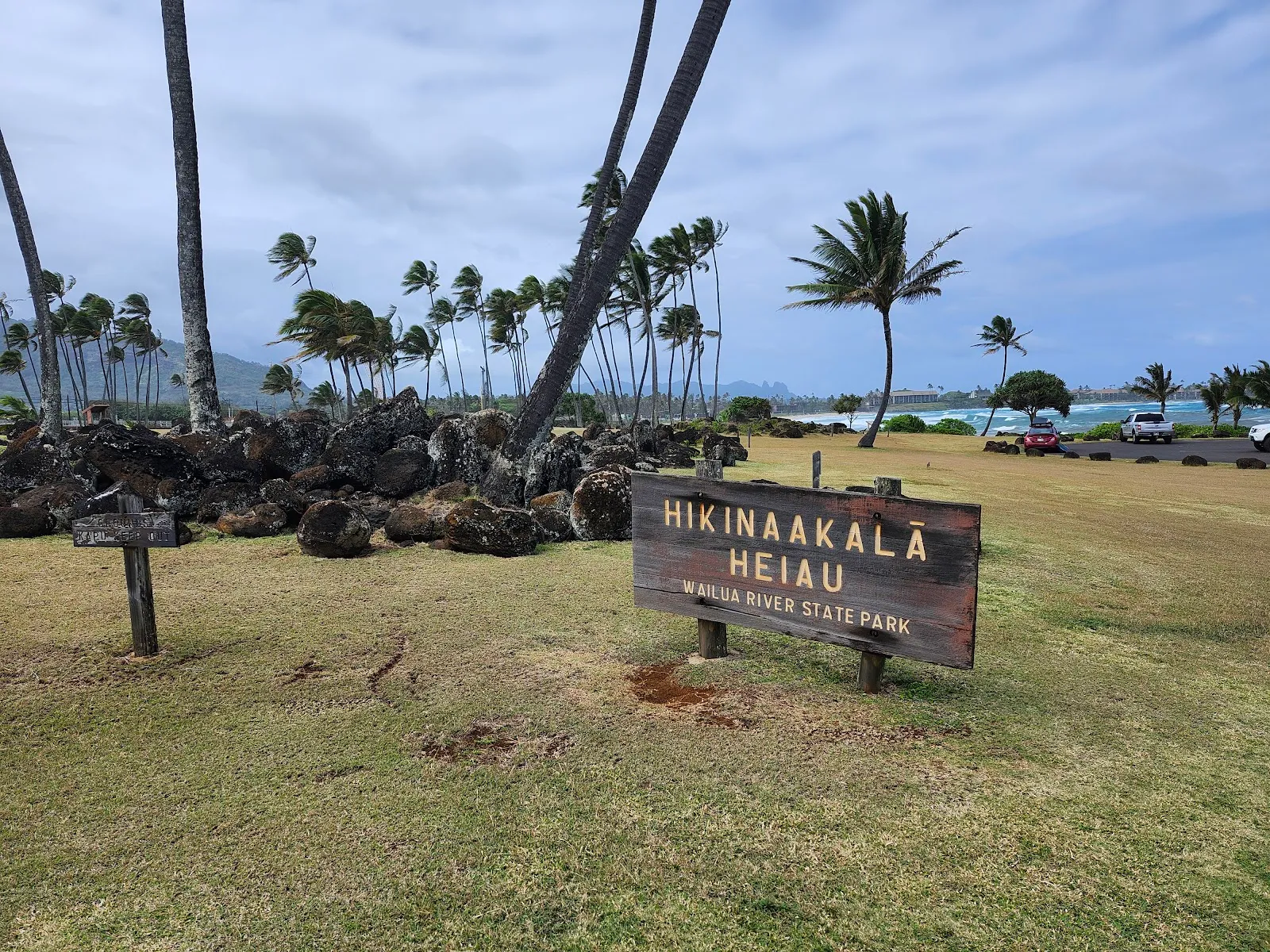
Hikinaakala Heiau stands near the mouth of the Wailua River, beside the Pacific and just north of Lydgate Park on Kauaʻi. The name means “rising of the sun,” and dawn was once marked here with chants and prayers. The heiau is now reduced to foundation stones, but its setting at the coast helps explain its connection to sunrise. Take time to view the remains with care, then enjoy the nearby beach and its fenced pool. This is a sacred place, so leave the stones where they are.
A place for the rising sun
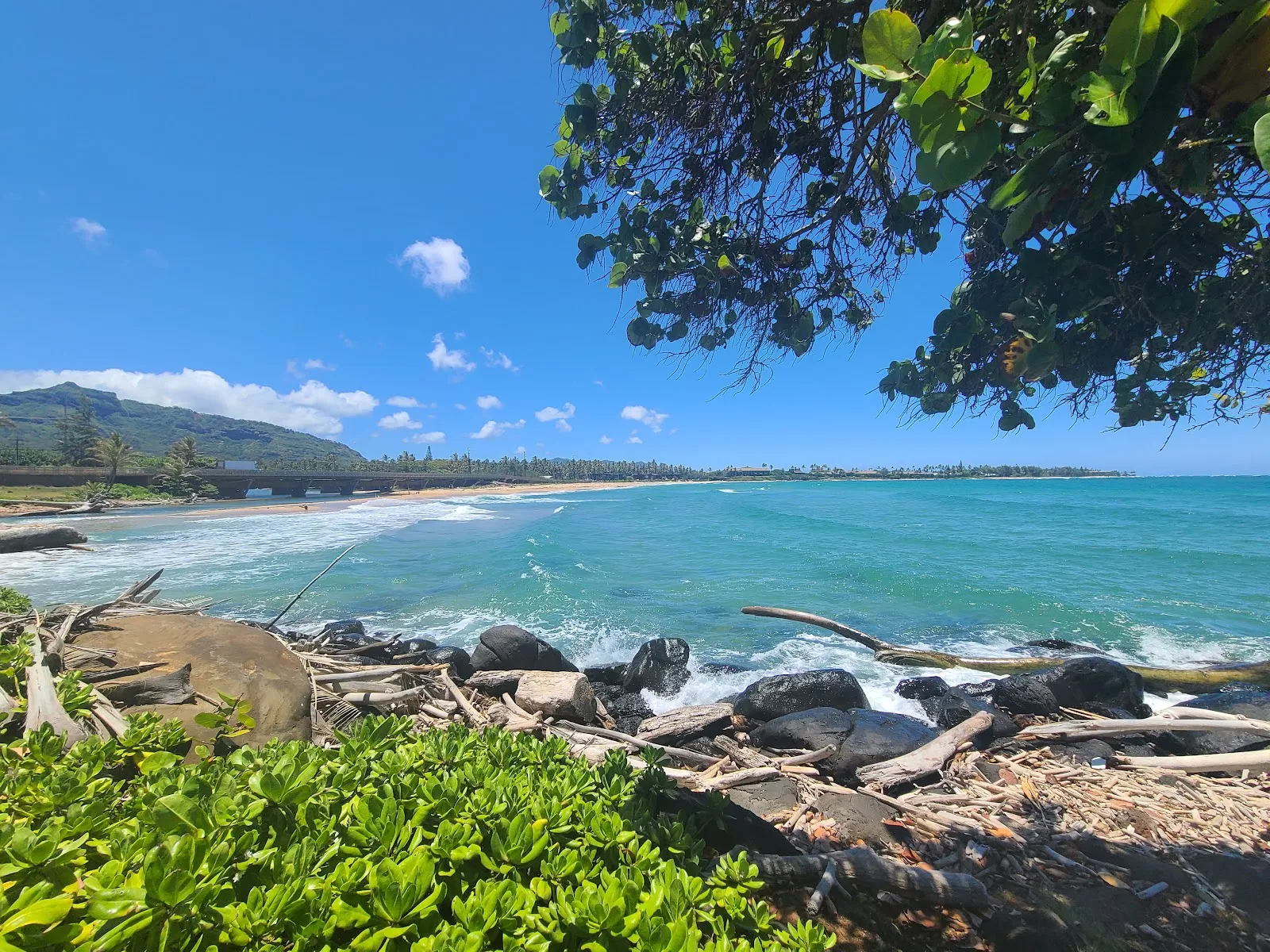
Hikinaakala means “rising of the sun.” Located beside the mouth of the Wailua River, where it meets the Pacific, the heiau was associated with welcoming the sun. Sunrise was traditionally marked here with chants and prayers.
The remains are modest today: foundation stones from what was once a much larger enclosure. One account describes the original structure as covering almost an acre, with walls about six feet high and up to 11 feet wide. The site is part of a sacred oceanfront complex that also appears to have included a place of refuge, known as a puʻuhonua.
Viewing the remains with care
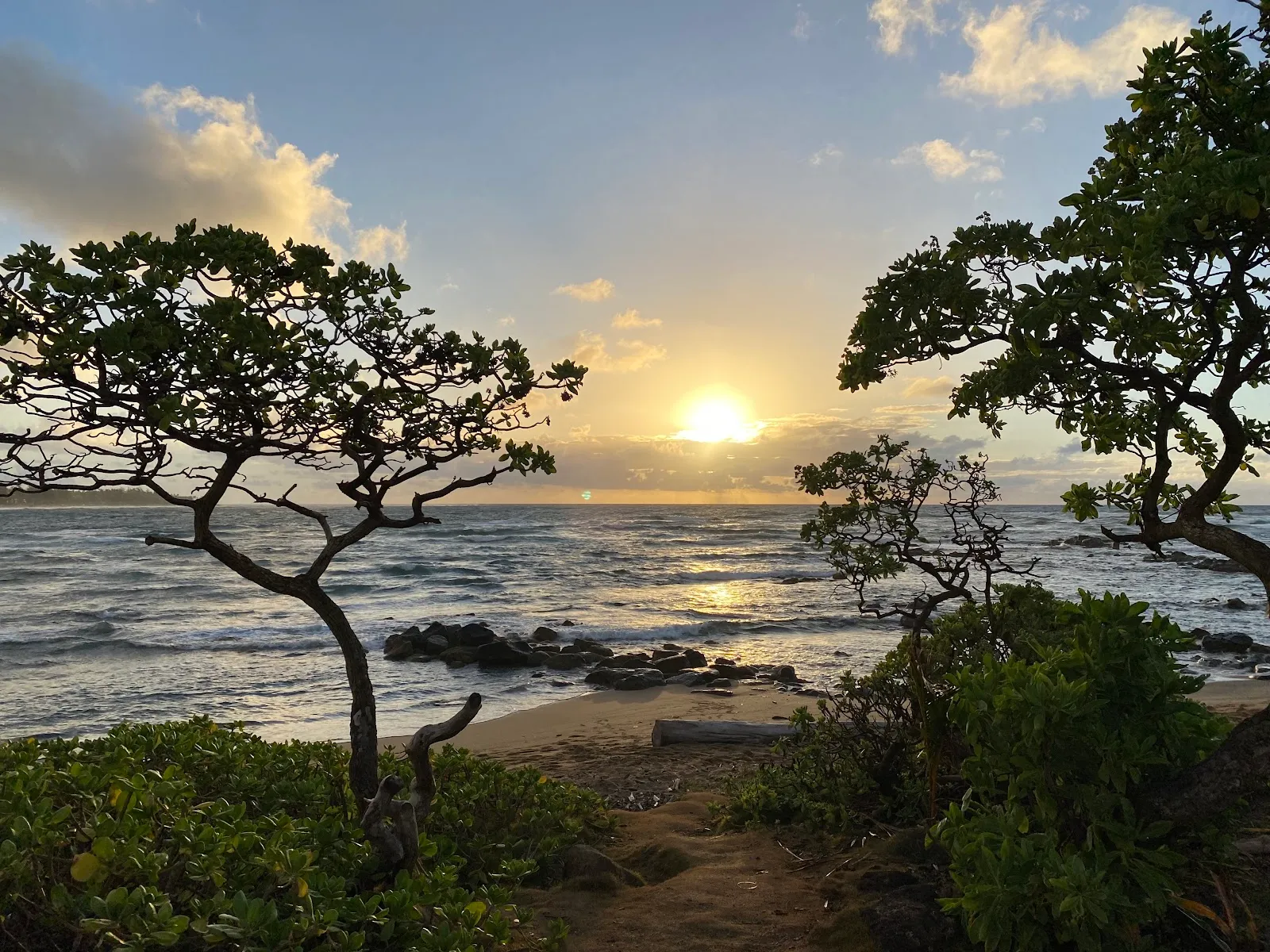
The heiau is just north of Lydgate Park, near the river mouth. Its coastal setting gives a clear sense of why sunrise mattered here, with the Pacific beside the site and the river meeting the sea nearby.
Treat the stones as part of a sacred place. Do not move or take rocks from the area. The nearby beach has a fenced pool, and a playground and disc golf course offer other ways to spend time in the vicinity.
FAQ
Where is Hikinaakala Heiau?
It is on Nalu Road in Kapaʻa, next to the mouth of the Wailua River and just north of Lydgate Park.
What does Hikinaakala mean?
The name means “rising of the sun.” Sunrise was traditionally marked at the heiau with chants and prayers.
What remains at the heiau today?
The site is reduced to foundation stones. The original enclosure was much larger, with walls described as about six feet high and up to 11 feet wide.
Can I move stones at Hikinaakala Heiau?
No. Leave the rocks and stones in place out of respect for the site's cultural significance.