
On Spaska Street in Kyiv’s Podil area, the Hetmans Museum traces the history of the Ukrainian Hetmanate and its rulers. More than 6,000 exhibits relate to hetman administration, with a permanent display arranged across four halls devoted to Ivan Mazepa, Bohdan Khmelnytsky, Pylyp Orlyk and Pavlo Skoropadsky. You can see artworks and historical documents in several languages, including Classical Ottoman Turkish and French. English-language information and guided tours help place the collections in context; check for art exhibitions or events during your visit.
Four halls on the Hetmanate
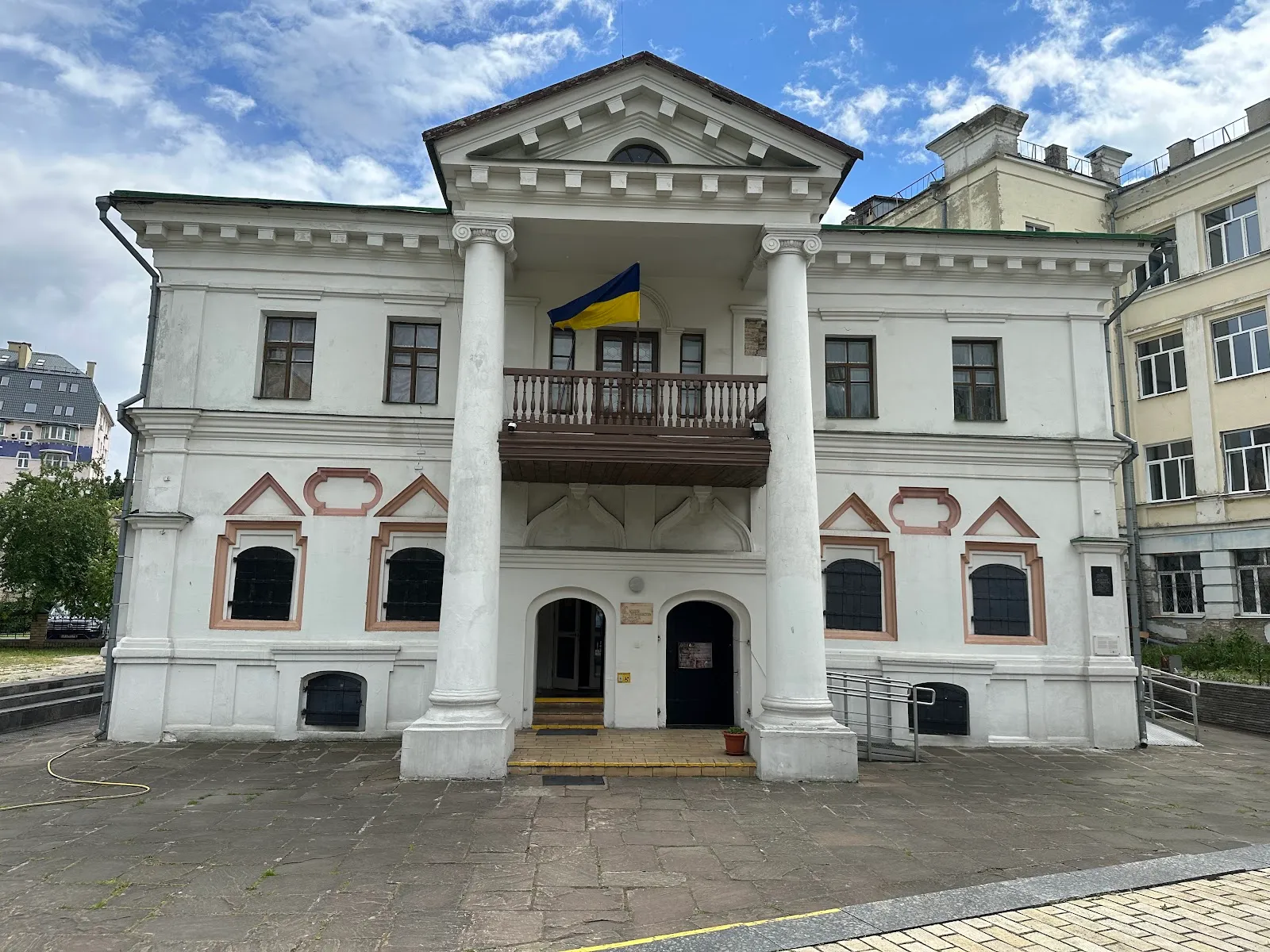
The permanent exhibition is divided into four halls, each devoted to a named figure: Ivan Mazepa, Bohdan Khmelnytsky, Pylyp Orlyk and Pavlo Skoropadsky. Together, the displays cover the era of hetman power and the administration associated with the hetmans.
The museum’s collection includes more than 6,000 related exhibits. Artworks and historical documents form part of the display, with documents in languages including Classical Ottoman Turkish and French.
Tours and cultural events
Guided tours provide a way to explore the exhibits with additional historical context. English-language information is available, which can help English-speaking visitors follow the subject matter.
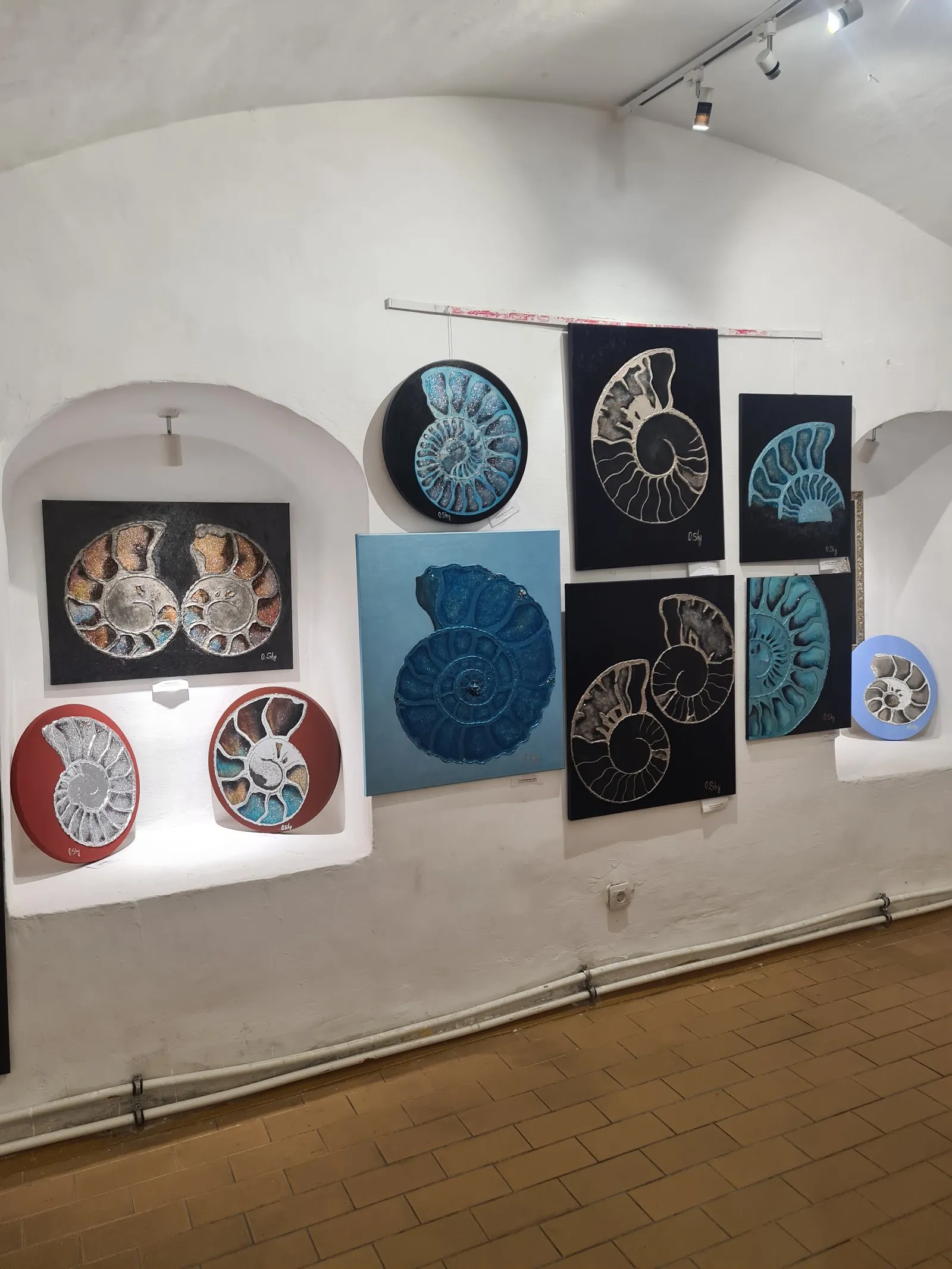
The museum also hosts art events. The international Pavlovka pinhole fest has been held here; check the museum’s website for information about current exhibitions and events before you go.
FAQ
What is the Hetmans Museum about?
It explores the history of the Ukrainian Hetmanate and the rulers associated with it.
How many exhibits does the museum have?
Its collection includes more than 6,000 exhibits related to hetman administration.
Which figures are covered in the permanent exhibition?
Four halls are devoted to Ivan Mazepa, Bohdan Khmelnytsky, Pylyp Orlyk and Pavlo Skoropadsky.
Is English-language information available?
Yes. English-language information and guided tours are available.


