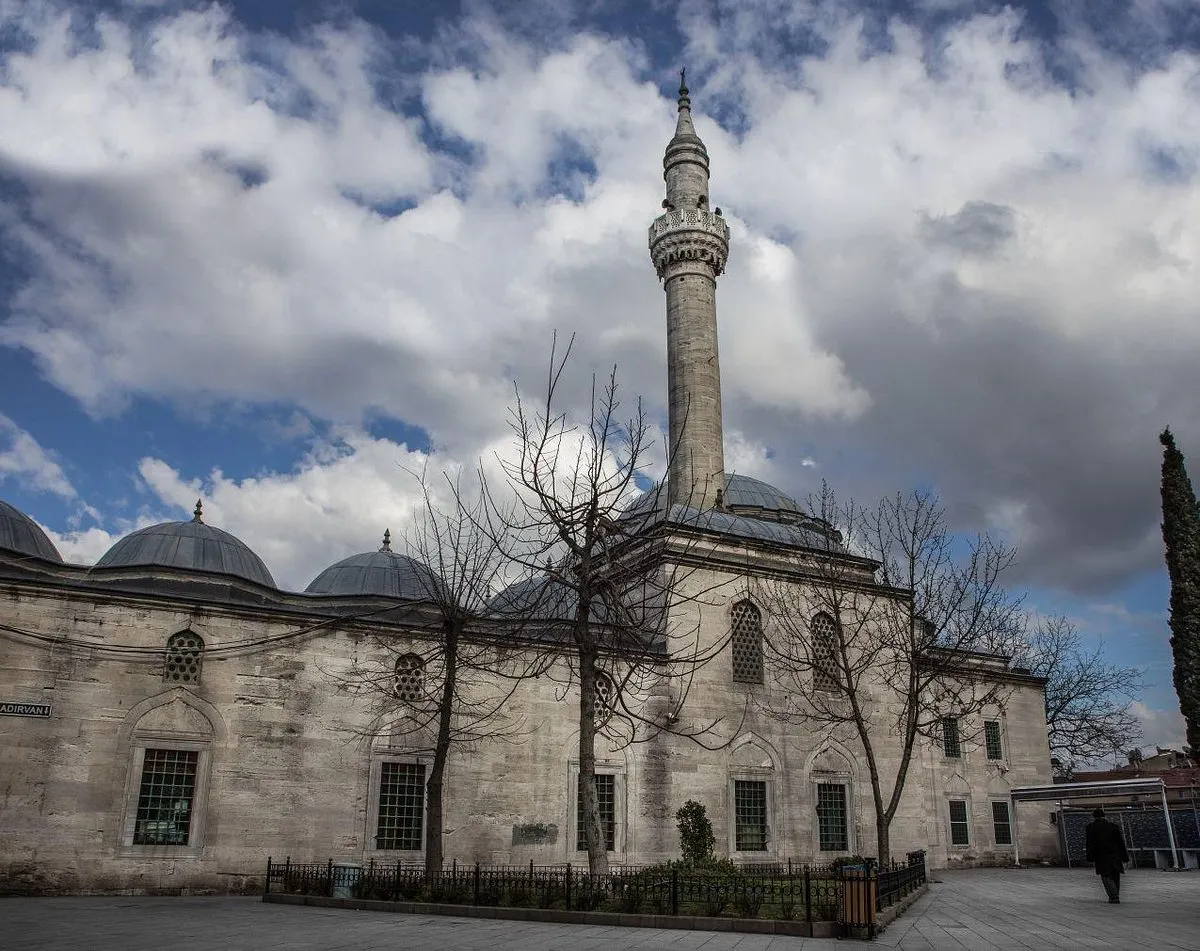
Gazi Ahmet Pasa Cami is a 16th-century Ottoman mosque in Istanbul’s Topkapı district, built by architect Mimar Sinan. Its complex includes a madrasa, a tomb, an infants’ school and a public fountain. Inside, look for the mosque’s detailed design and graceful curves; outside, the madrasa surrounds three sides of the courtyard. The mosque is a calm stop for anyone interested in Ottoman architecture. Dress modestly and keep quiet inside as a courtesy to people who come to pray.
A mosque by Mimar Sinan
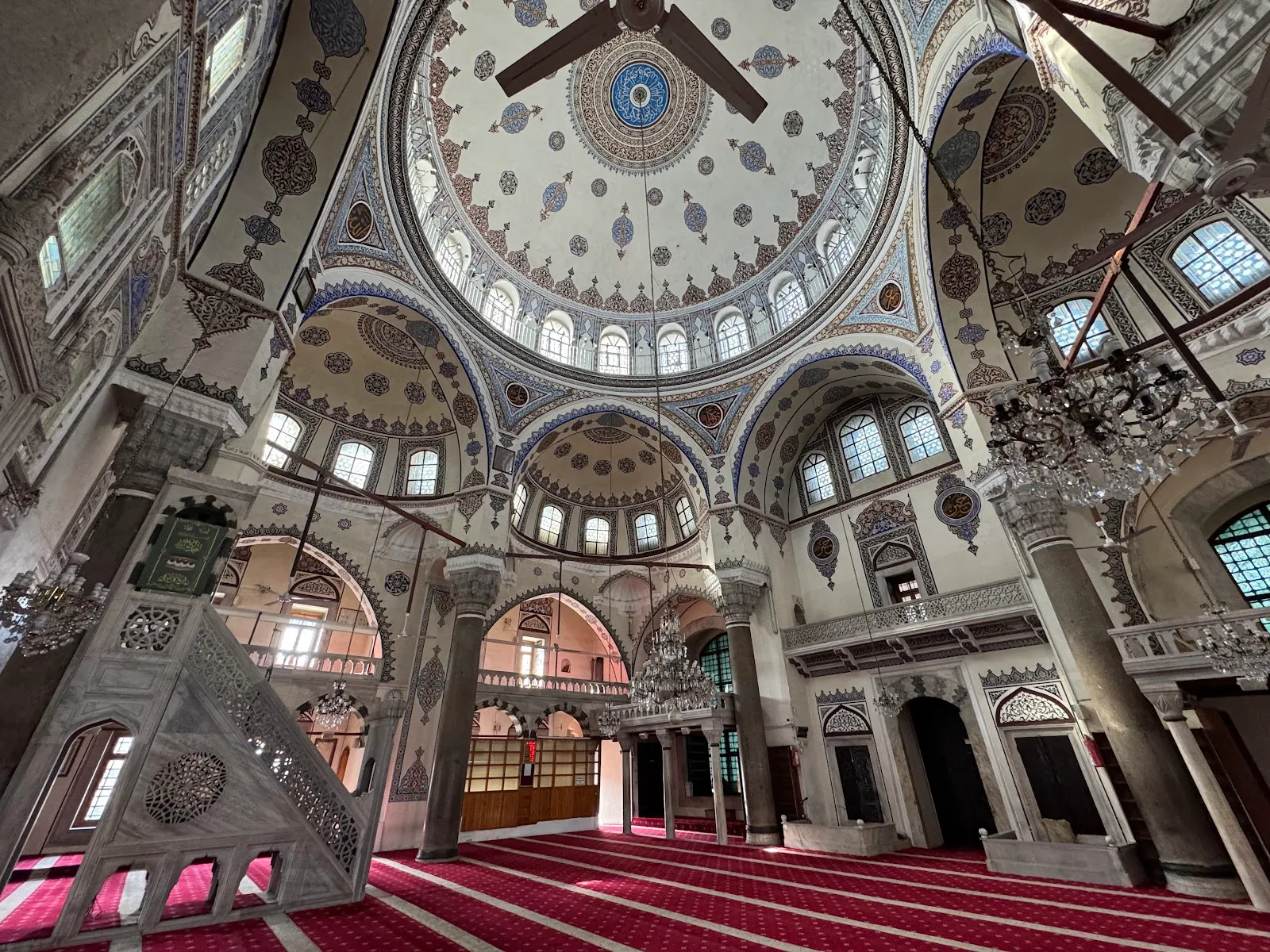
Construction of the complex began in 1555 at the initiative of Kara Ahmed Pasha, a grand vizier under Sultan Suleiman the Magnificent. He died before the work was complete, and construction paused for a time. Mimar Sinan designed the mosque, which was renovated in 1696. The dome was damaged in the 1894 earthquake and later reconstructed.
The courtyard and surrounding complex
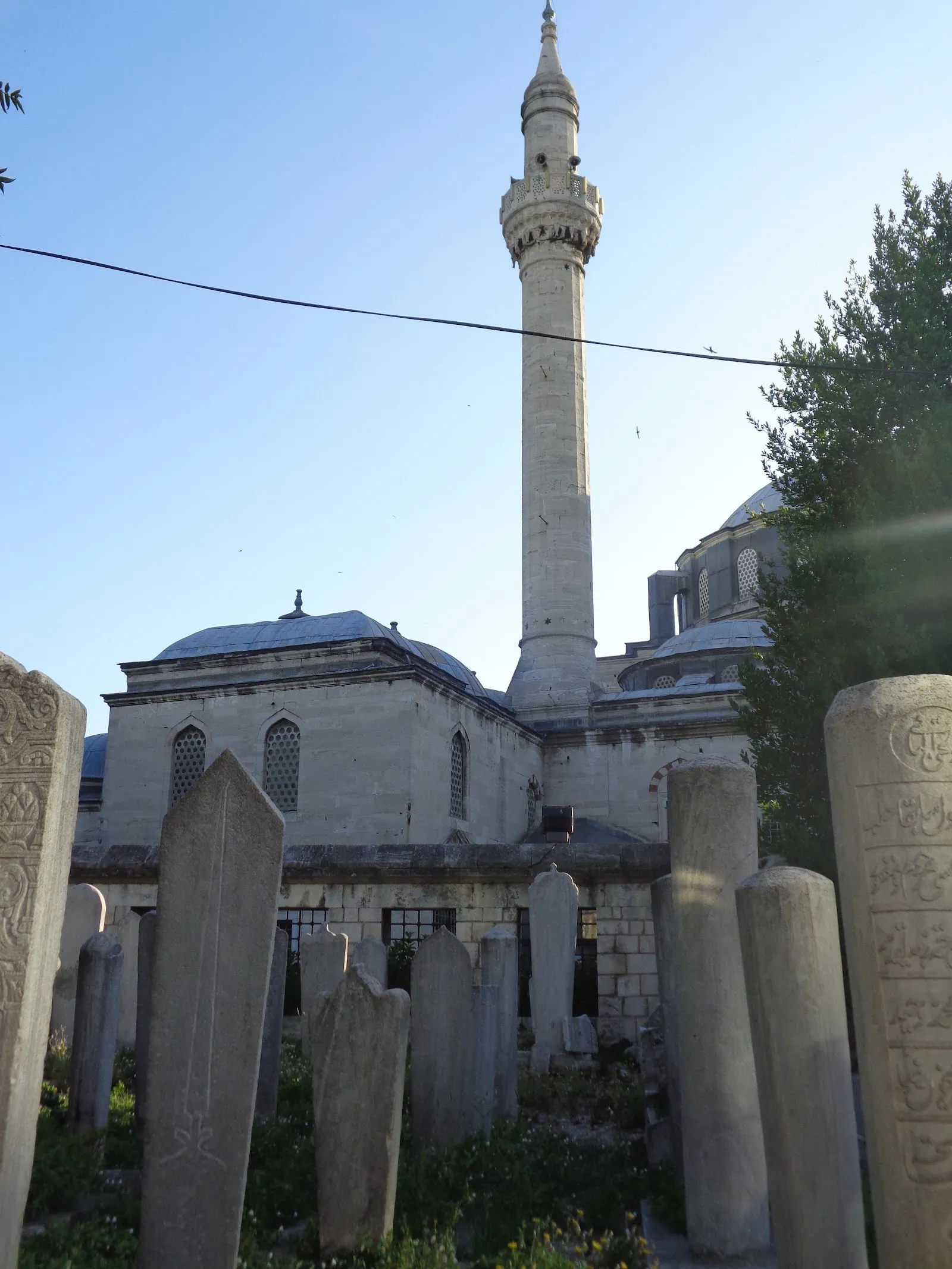
The mosque formed part of a larger complex, or kulliye, with a madrasa, an infants’ school, a public fountain and a tomb. The madrasa surrounds three sides of the mosque courtyard. The infants’ school and tomb stand beyond the outer courtyard wall, beside the street. As you walk around the site, these buildings give a sense of how the mosque was connected to education and community life.
FAQ
Where is Gazi Ahmet Pasa Cami?
It is in the Topkapı district of Istanbul, at Bican Bağcıoğlu Ykş. Sok. No:32, in Fatih.
Who designed the mosque?
The mosque was designed by Mimar Sinan.
What else is part of the complex?
The complex includes a madrasa, an infants’ school, a public fountain and a tomb.
What should I wear to visit?
Dress modestly when entering the mosque and keep quiet inside.


