
Fatih Mosque, or Fatih Camii, is a major Ottoman mosque in Istanbul’s Fatih district, away from the city’s main tourist centre. Its spacious courtyard, domes and minarets make the complex worth a stop, while the calm interior offers a place to pause and observe daily religious life. The mosque stands on the site of the Byzantine Church of the Holy Apostles and contains the tomb of Mehmed II, the Ottoman sultan who commissioned it. Allow time to explore the surrounding neighborhood and its traditional markets.
A mosque built on an older sacred site
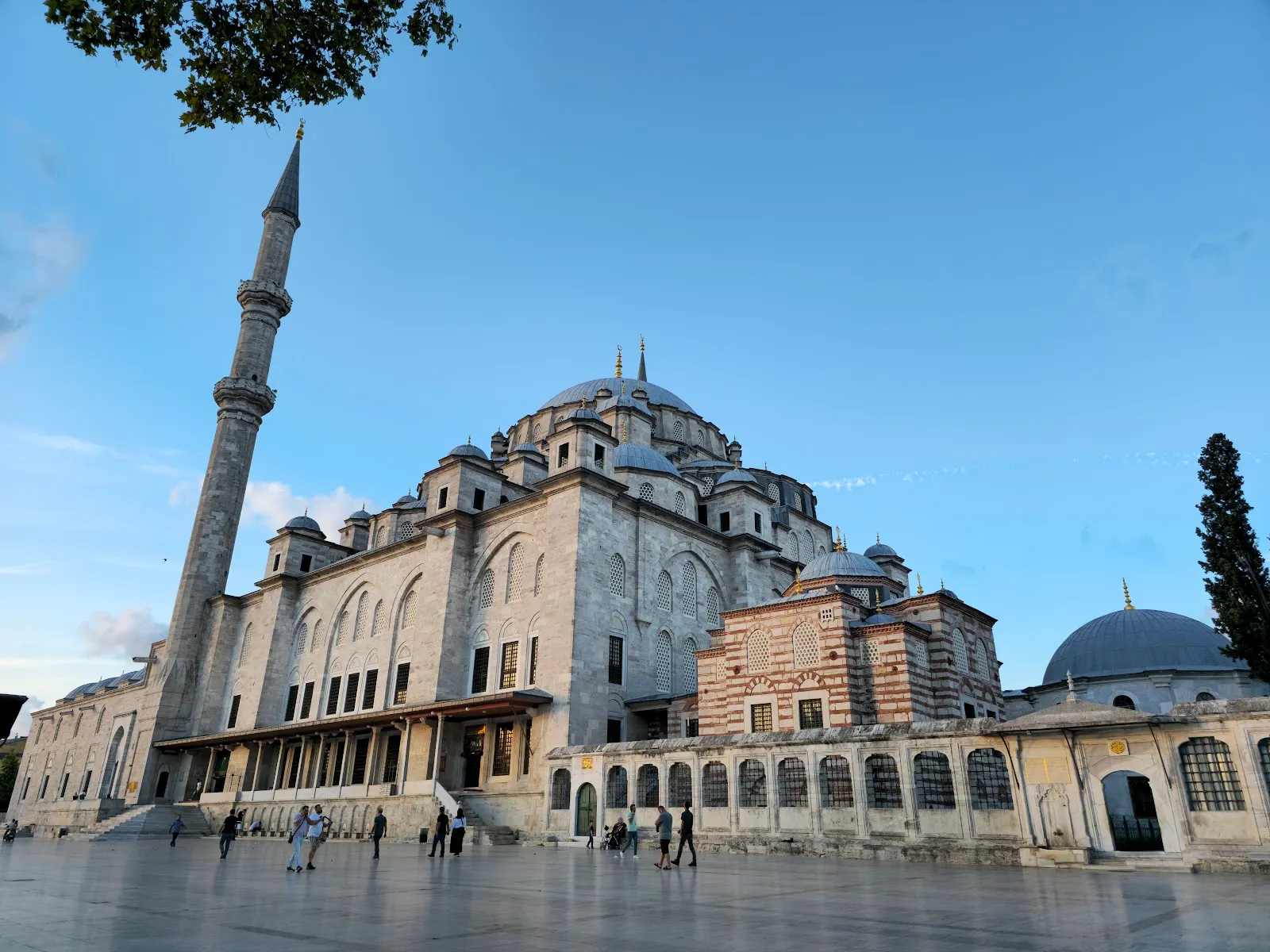
Mehmed II commissioned Fatih Mosque after the Ottoman conquest of Constantinople. Construction began in 1463 and the original complex was completed in 1470. It was the first great imperial mosque built by the Ottomans after the conquest, and its construction formed part of the city’s transformation into an Ottoman capital.
The site had an earlier history. The mosque was built where the Church of the Holy Apostles once stood, an important Byzantine church and burial place for Roman and Byzantine emperors. The church was demolished after the conquest. Some of its artifacts were later moved to the Istanbul Archaeological Museum.
Rebuilt after the 1766 earthquake
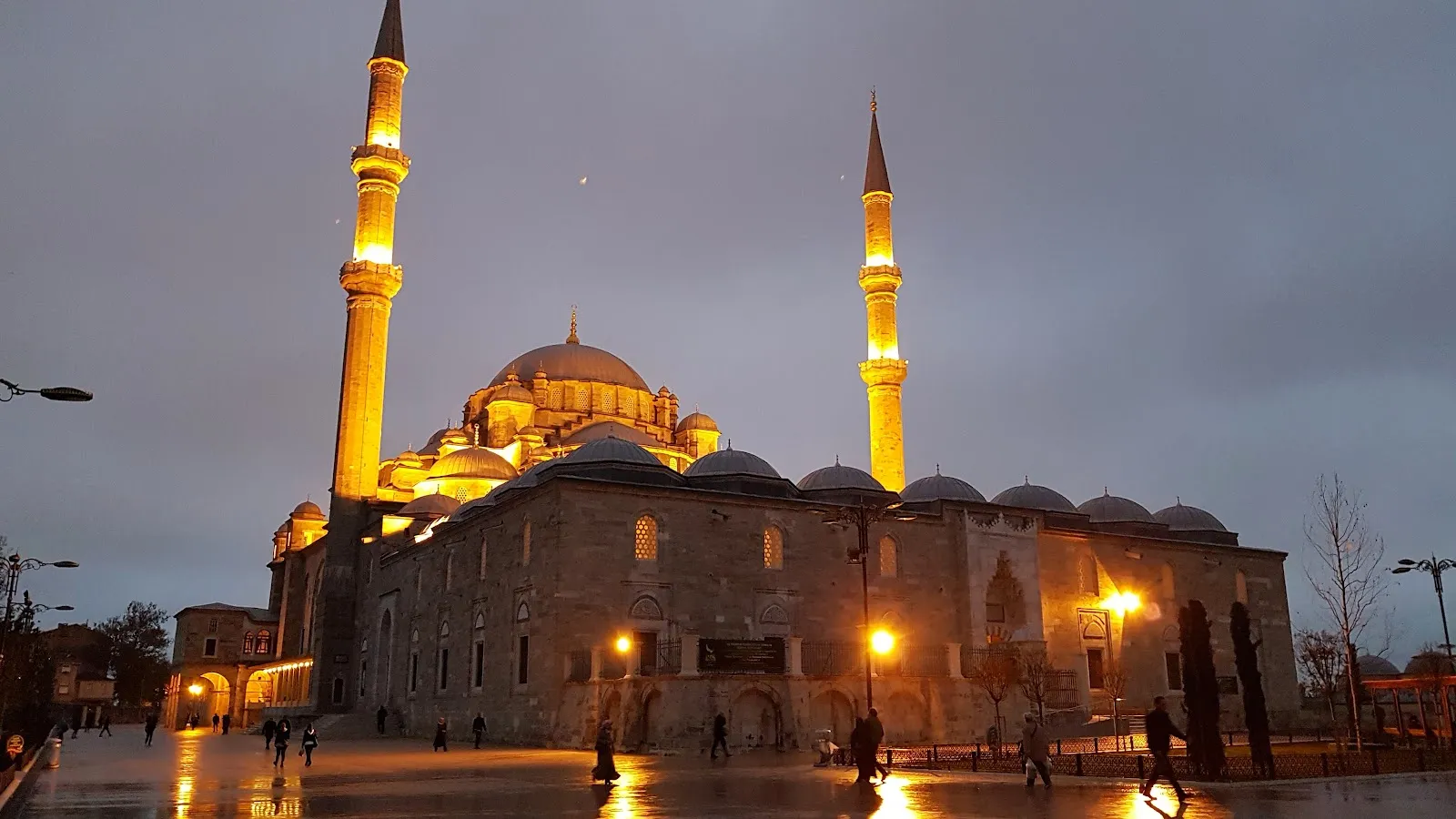
The first mosque did not survive intact. An earthquake in 1766 severely damaged it, and the building was reconstructed in the 18th century. The present mosque has an Ottoman design influenced by Baroque styles, with marble and calligraphy among its details. Its domes and minarets give the building a strong presence on the hilltop site.
The courtyard is a central part of the visit. It is spacious and provides a quieter place to pause before or after entering the prayer hall. Inside, look for the calligraphy, painted details and high ceiling. The sanctuary remains a place of worship, so keep your visit respectful and follow any requests made on site.
The mosque complex and Mehmed II’s tomb
Fatih Mosque was part of a larger külliye, or mosque complex. Its associated institutions included religious schools, a library, a hospice and a hospital; accounts of the complex also mention a soup kitchen. These buildings connected worship with education and community services.
The tomb of Mehmed II is within the complex, alongside the tomb of his wife, Gülbahar. The tomb gives the site an added historical dimension and remains an important place of remembrance. Restoration work has taken place around the area, but the tomb has been accessible.
A neighborhood market day
Fatih Mosque sits within a district known for its local religious life, shops and traditional markets. On Wednesdays, Fatih Pazarı, a large street market, sets up near the mosque. Stalls sell food, clothing and household goods, giving you a chance to pair the visit with a walk through the neighborhood.
Nearby streets also have local eateries and shops. The mosque is a useful starting point for exploring Fatih on foot, especially if you want to spend time outside Istanbul’s busiest tourist areas.
FAQ
How long should I spend at Fatih Mosque?
Plan for about 15 to 20 minutes at the mosque. Add time if you want to visit Mehmed II’s tomb or explore the surrounding neighborhood.
What is Fatih Mosque known for?
It was the first great imperial mosque built by the Ottomans after the conquest of Constantinople. It stands on the site of the Byzantine Church of the Holy Apostles and contains the tomb of Mehmed II.
Is there a market near Fatih Mosque?
Yes. Fatih Pazarı, a large street market selling food, clothing and household goods, takes place near the mosque on Wednesdays.
What should I wear to Fatih Mosque?
Dress modestly when entering the mosque, and be respectful of people who are there to pray.


