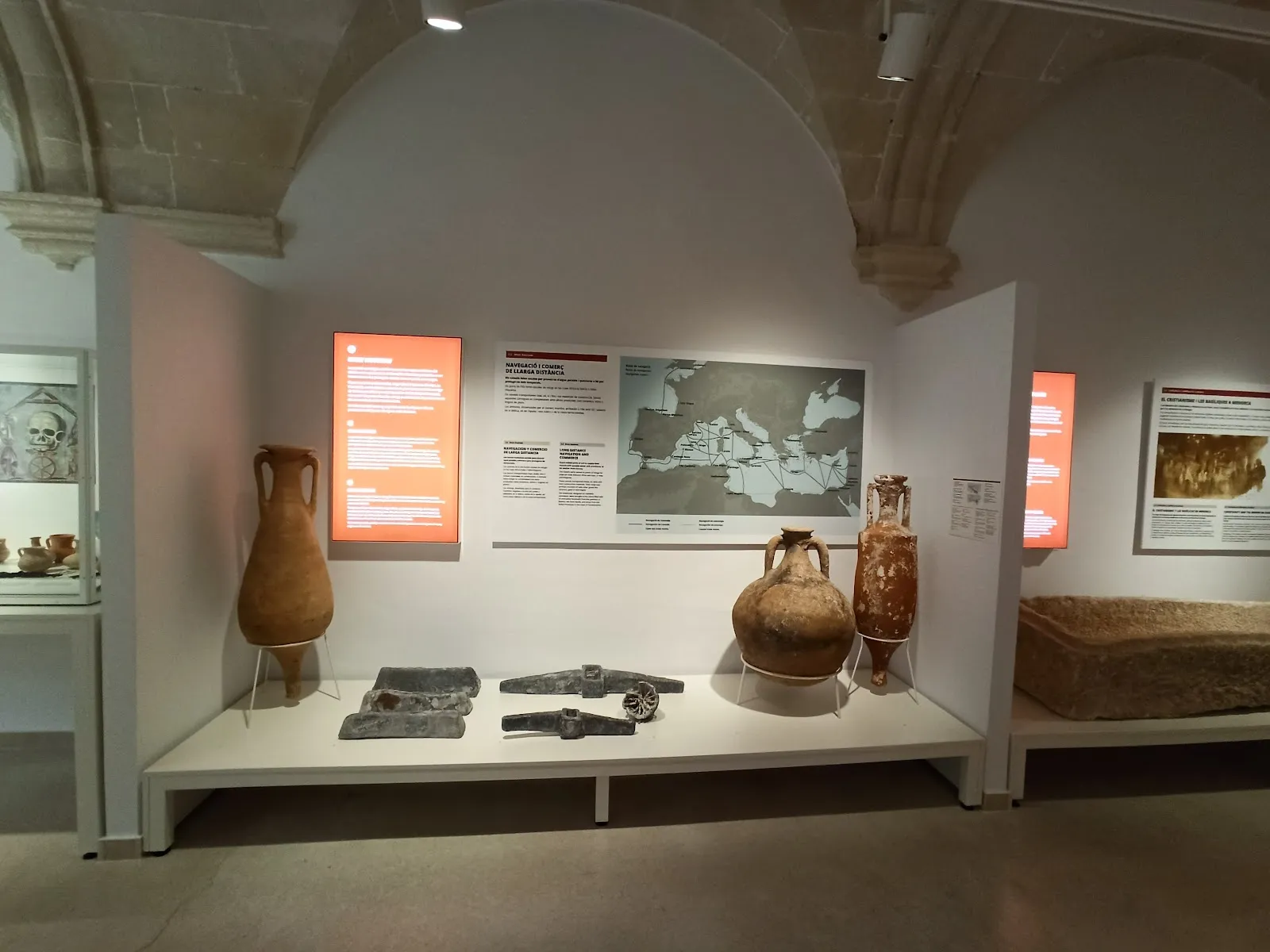
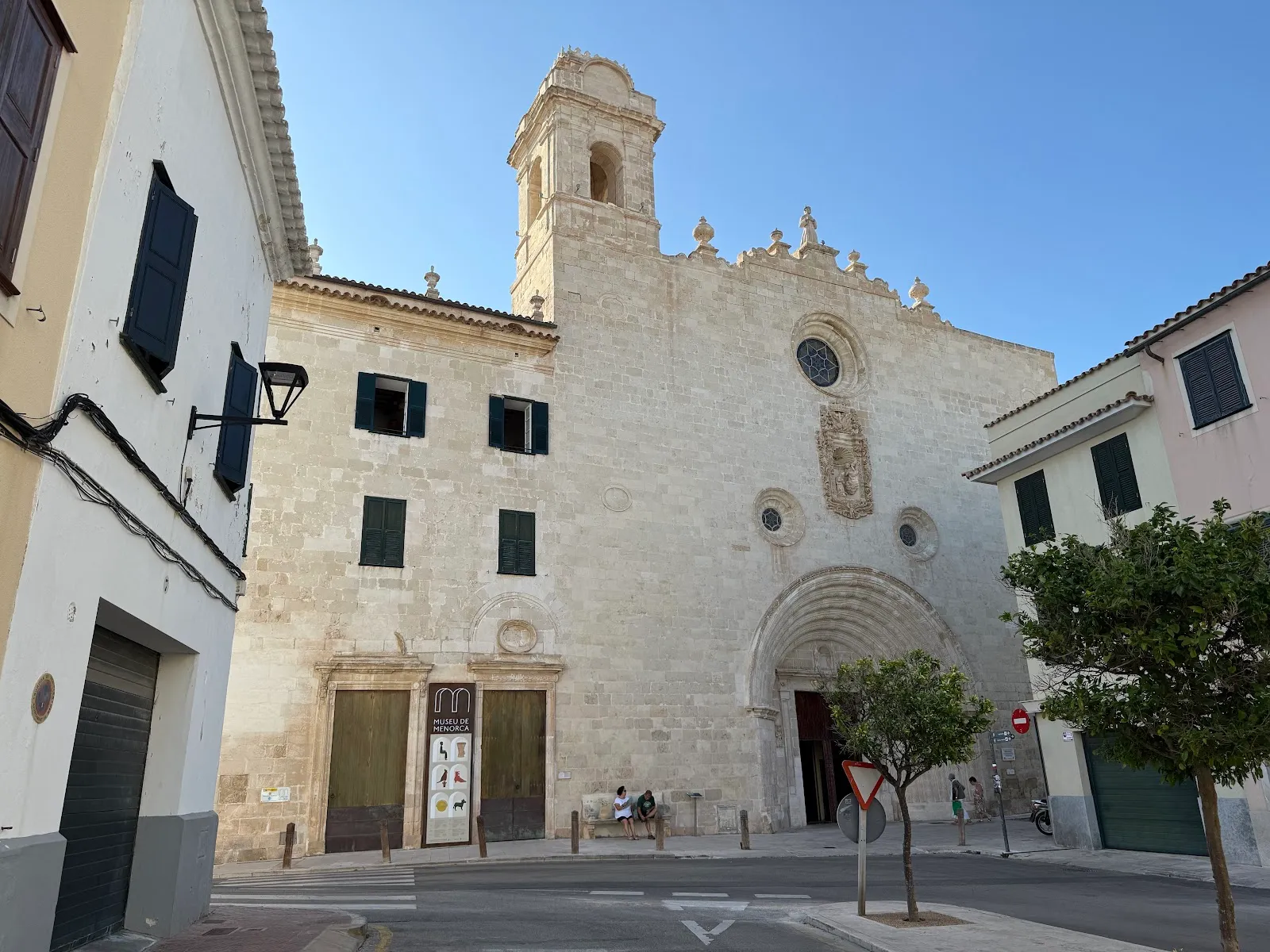
Museo de Menorca occupies a restored 17th-century Franciscan monastery above the harbour in Maó. Its displays trace the island’s history from prehistoric settlers and Talayotic culture through Roman, Byzantine and Islamic periods to later British, French and Spanish rule. Look for archaeological finds, sculptures, historic maps and paintings, as well as mosaics from an early Christian basilica on Illa del Rei. Short explanations accompany the objects, and the chronological layout makes the collection easier to follow. Allow time to explore the former monastery as well as its galleries.
A monastery above Maó harbour
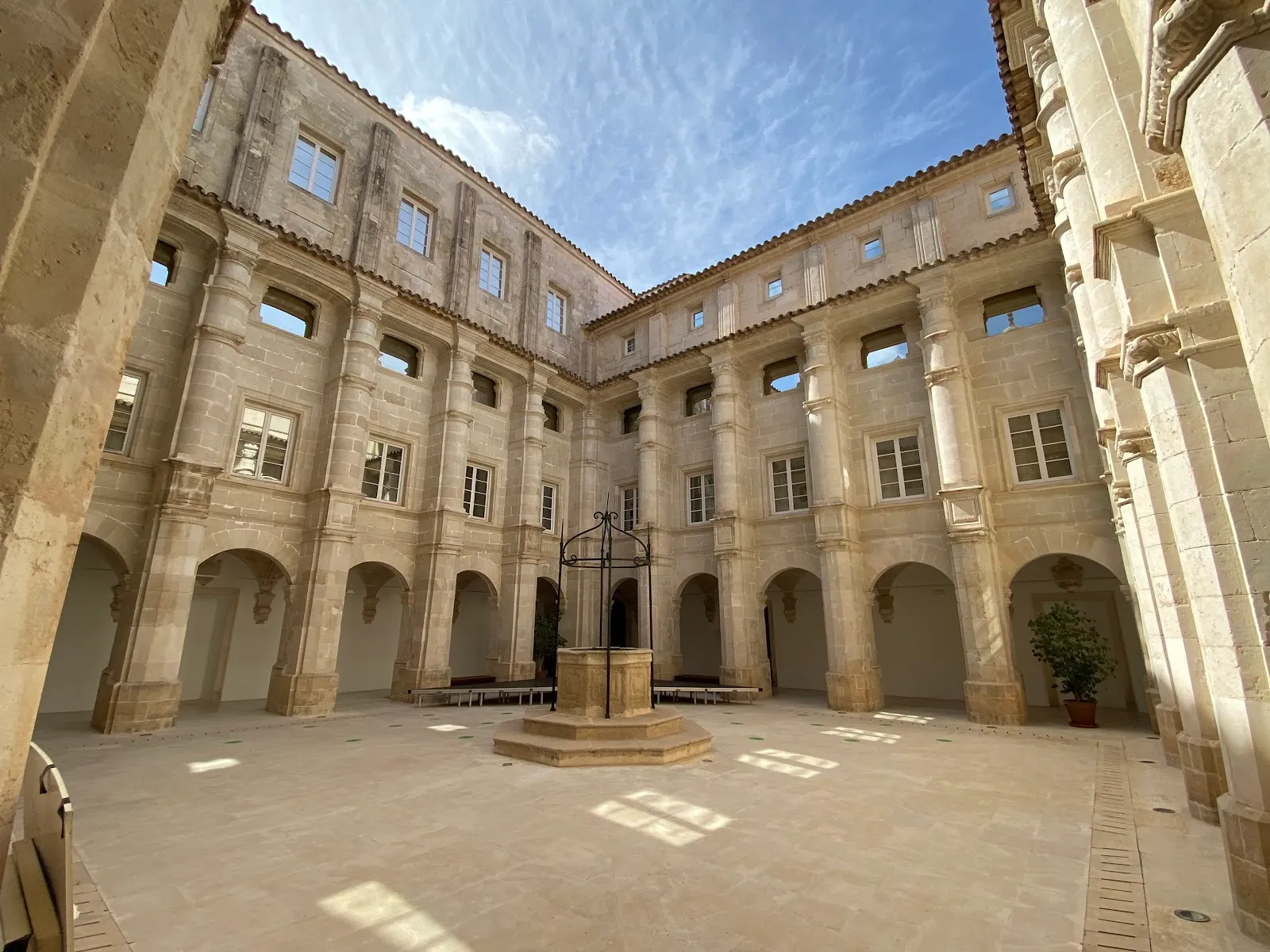
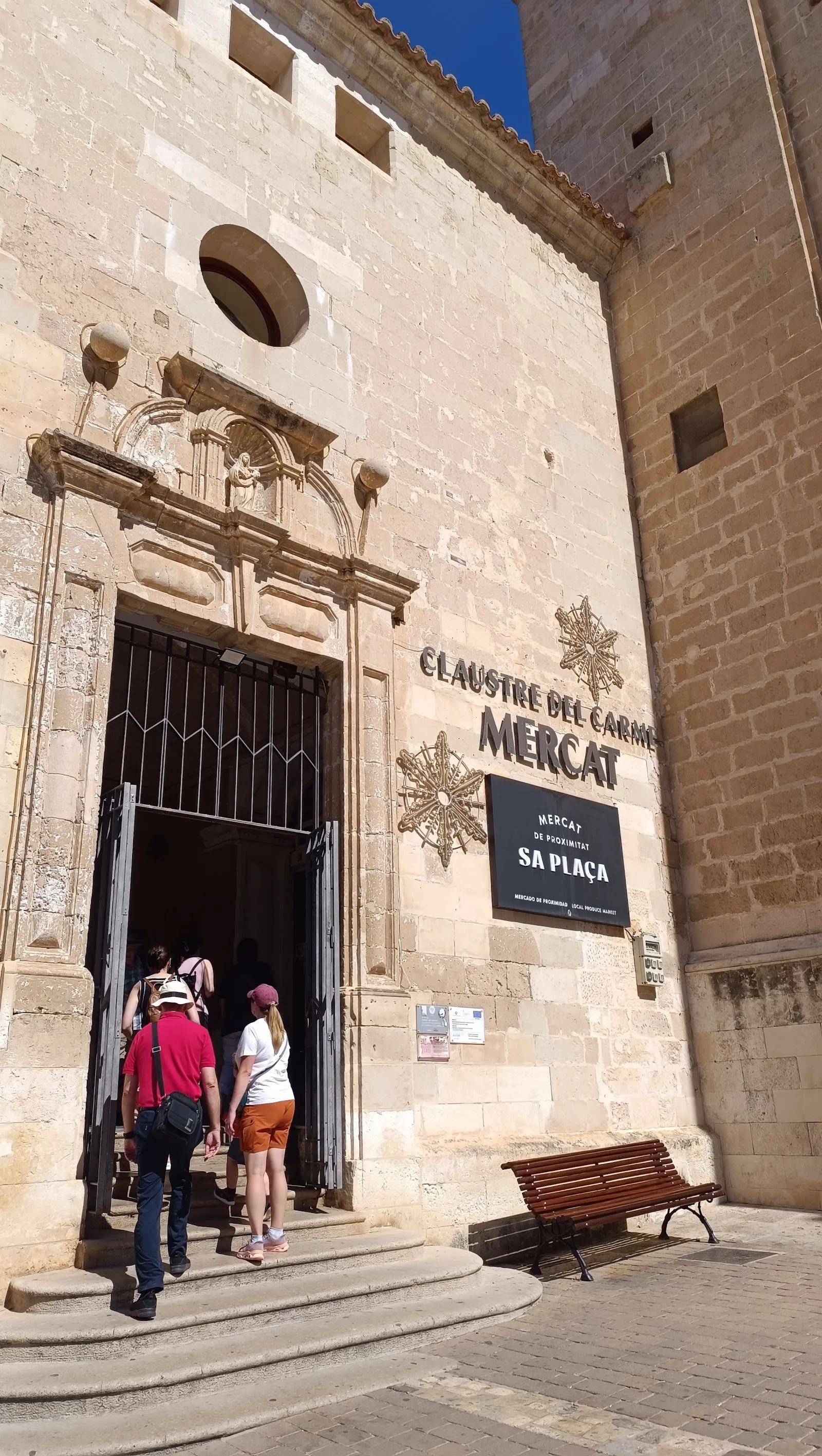
Museo de Menorca is housed in the former convent of Sant Francesc de Maó, a Franciscan complex dating to the 17th century. Its position above the harbour connects the museum’s setting with the history told in its galleries: Maó’s large natural port shaped the island’s contact with successive powers and cultures.
The building has also served other purposes, including as a nautical school, public library, high school and children’s home. Today its rooms hold the island’s main museum collection. The historic architecture and the exhibits belong to the same visit, so leave time to look around the former convent as you move between galleries.
From prehistoric settlers to the Talayotic period
The collection begins with the earliest human presence on Menorca and follows the island’s changing societies through the centuries. Archaeological objects provide context for the remains and sites found across the island, particularly those associated with Talayotic culture. Tools, pottery and bronze figures help show the material life of this prehistoric period.
Menorca’s Talayotic remains are recognised as a UNESCO World Heritage site. Seeing related objects in the museum can help put the island’s archaeological sites into context. The galleries use short explanations alongside the artefacts, making it possible to follow the historical sequence without relying on specialist knowledge.
Occupations, maps and art
Later galleries cover Roman, Byzantine and Islamic periods, followed by the island’s contested history under British, French and Spanish rule. Menorca’s position and harbour form part of this story. Historic maps and objects from different periods help trace how outside powers shaped life on the island.
The collection also includes ancient sculptures and paintings from later centuries, including works from the 18th to the 20th century. Among the archaeological displays are mosaics from an early Christian basilica on Illa del Rei, in the channel off Es Castell. Together, the objects show how the museum moves beyond a single era to present the island’s changing history and culture.
Planning your visit
A visit typically takes about 1.5 to 2 hours if you want to explore the galleries at an unhurried pace. The chronological arrangement gives the visit a clear route from early history through later periods. The museum is described as accessible, with multilingual signage and air conditioning, useful on hot days.
Free entry is available on Sundays and from 3 pm on Tuesdays and Thursdays between October and May, according to the supplied visit information. Confirm the current arrangements before setting out. There are vending machines for refreshments, but no café. Nearby parking can be difficult, so allow extra time if you are arriving by car.
FAQ
How long do you need at Museo de Menorca?
Allow about 1.5 to 2 hours to explore the collection at a relaxed pace.
When is entry free at Museo de Menorca?
The supplied information lists free entry on Sundays and from 3 pm on Tuesdays and Thursdays between October and May. Check current arrangements before your visit.
What can you see at Museo de Menorca?
The collection covers the island’s history from prehistoric and Talayotic times through Roman, Byzantine and Islamic periods to later occupations. It includes archaeological finds, maps, sculptures, paintings and mosaics from an early Christian basilica on Illa del Rei.
Is there a café at Museo de Menorca?
There is no café, but vending machines provide refreshments.