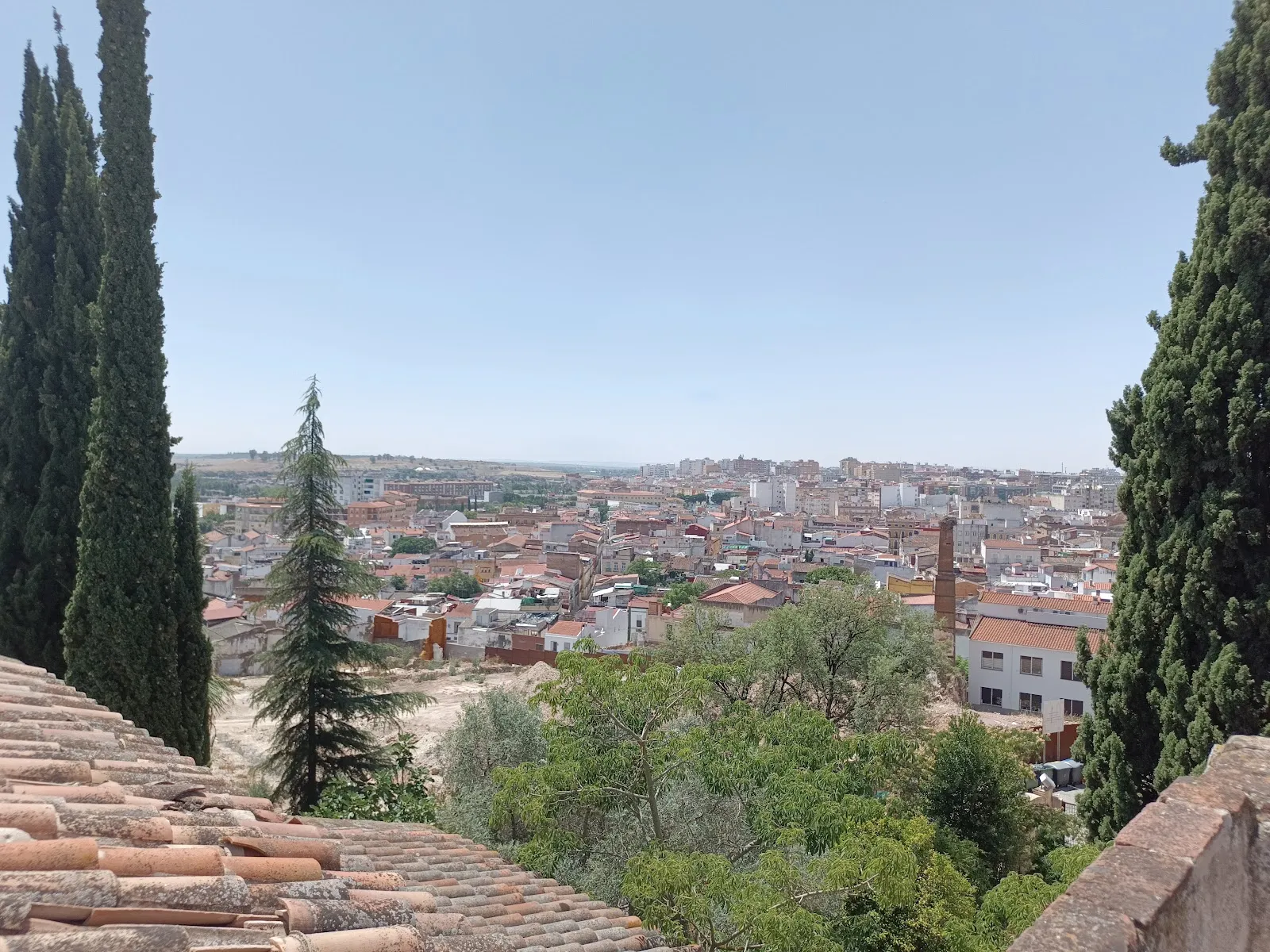
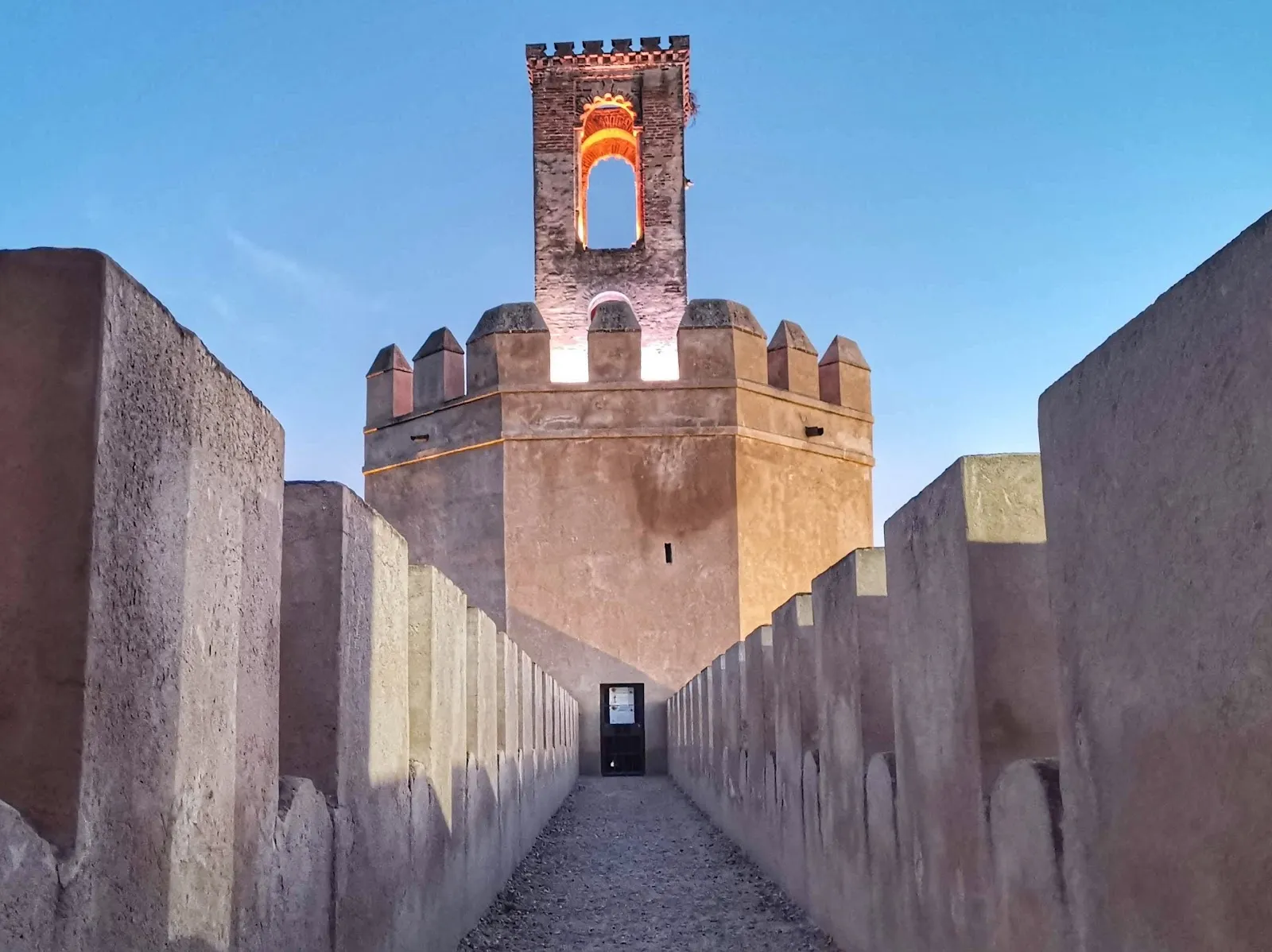
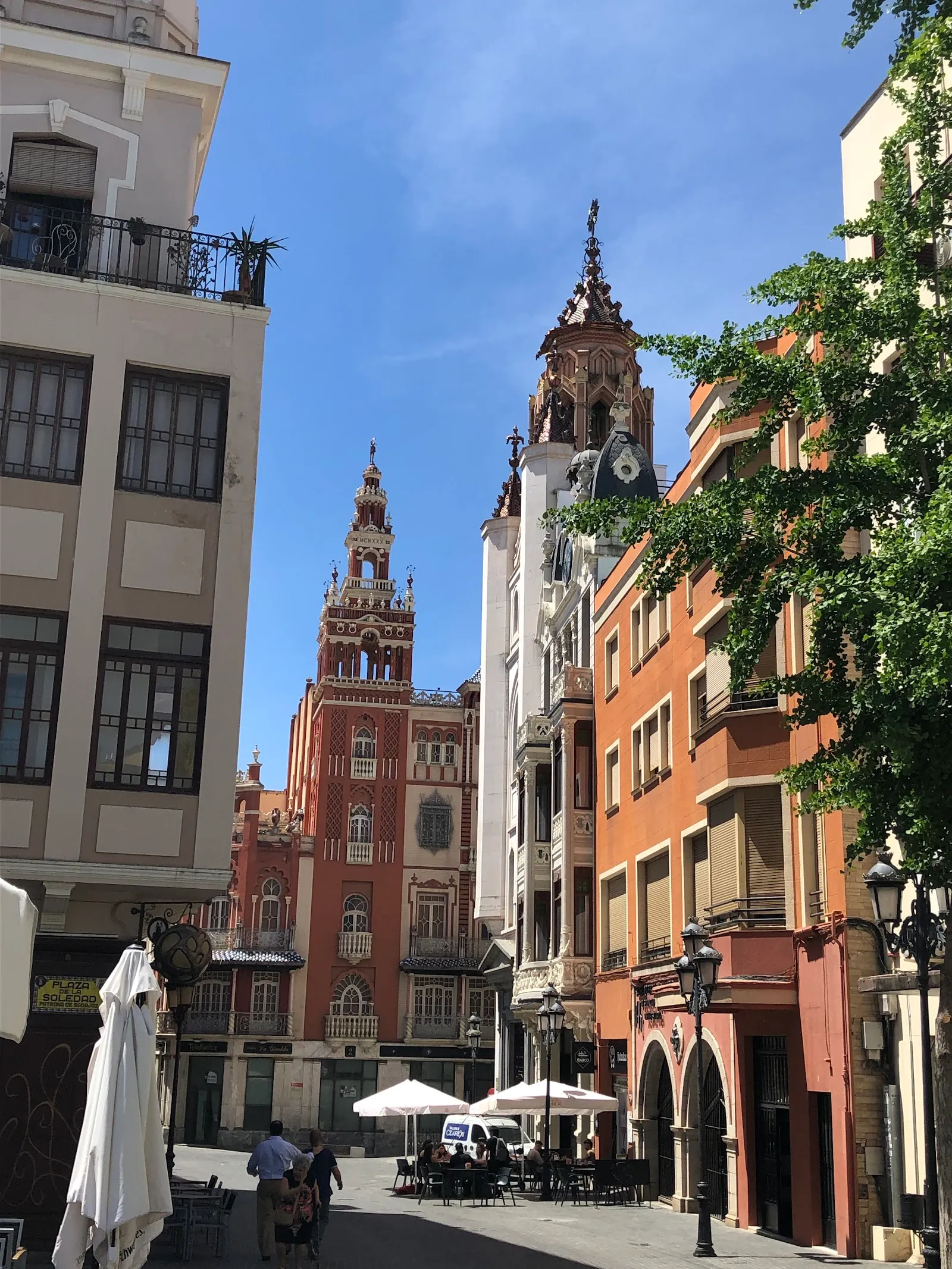
The Alcazaba de Badajoz is a fortress on a hill above the city, begun under Muslim rule and later extended. You can walk its walls for views over the city and the Plaza Alta below, and entry is free. Inside are older ruins, university buildings and the Provincial Archaeological Museum, which holds more than 20,000 pieces from sites across the province. Go in the morning or evening, when the walk is cooler.
Founding and the Almohad period
The fortress was ordered built by Abd al-Rahman ibn Marwan, a Muladi, meaning a convert to Islam from Christianity. He founded the town of Batalyaws, which later became Badajoz. The founding date is given as 870 or 875.
The fortress was altered and extended over the centuries. Its most important reforms came in the Almohad period, and it reached its greatest splendour under the Aftasid dynasty. The Alcazaba was declared a Historic-Artistic Monument in 1931.
The walls were built to control the route from the Castilian plateau to Portugal and Andalusia. The site sits on a hill above the Guadiana River, which gave the defenders steep ground below the walls.
What remains inside the walls
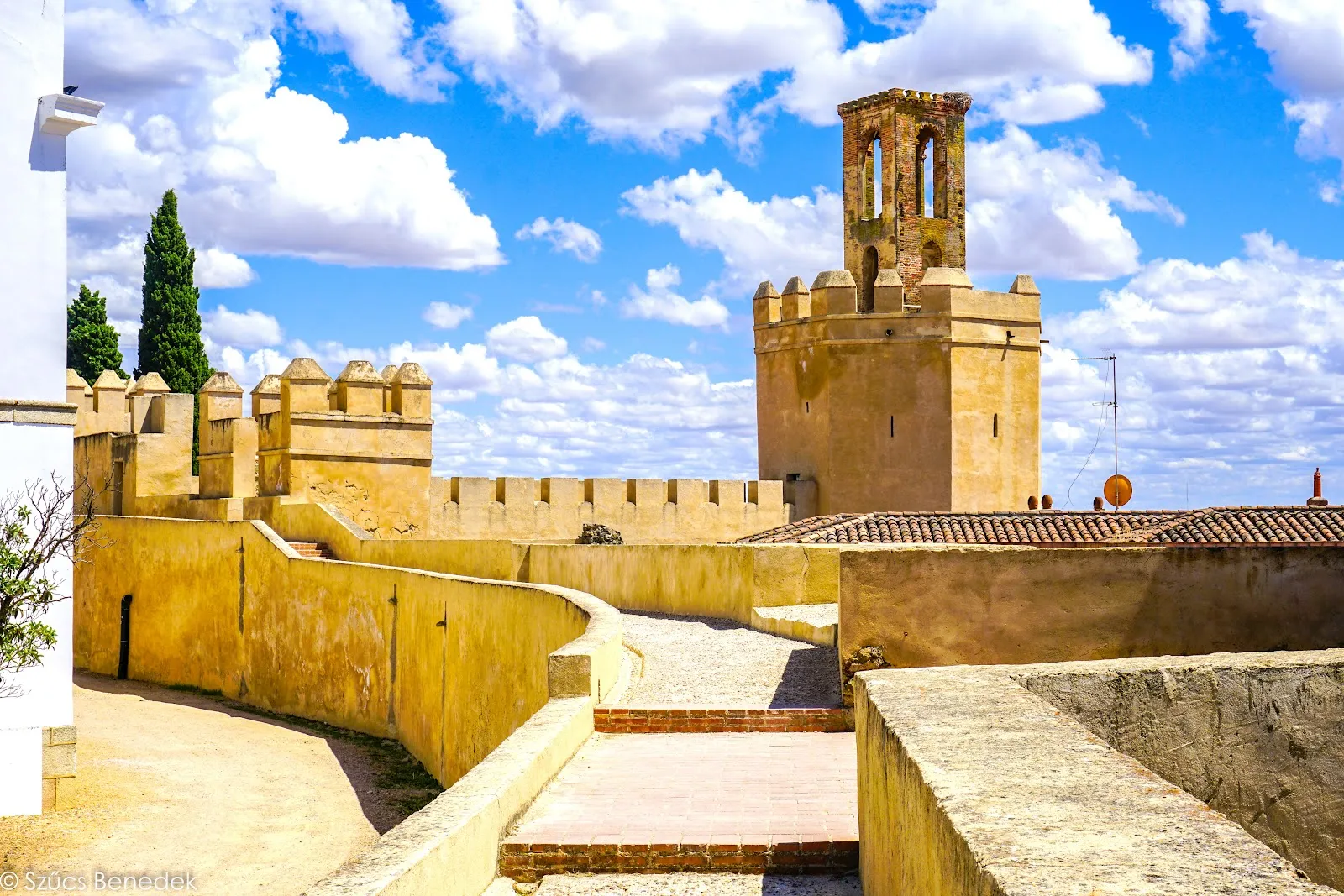
Much of the interior is now landscaped ground with the ruins of older buildings. These include the Consolación and Rosario hermitages, the old Calatrava church and the remains of several medieval fortified houses.
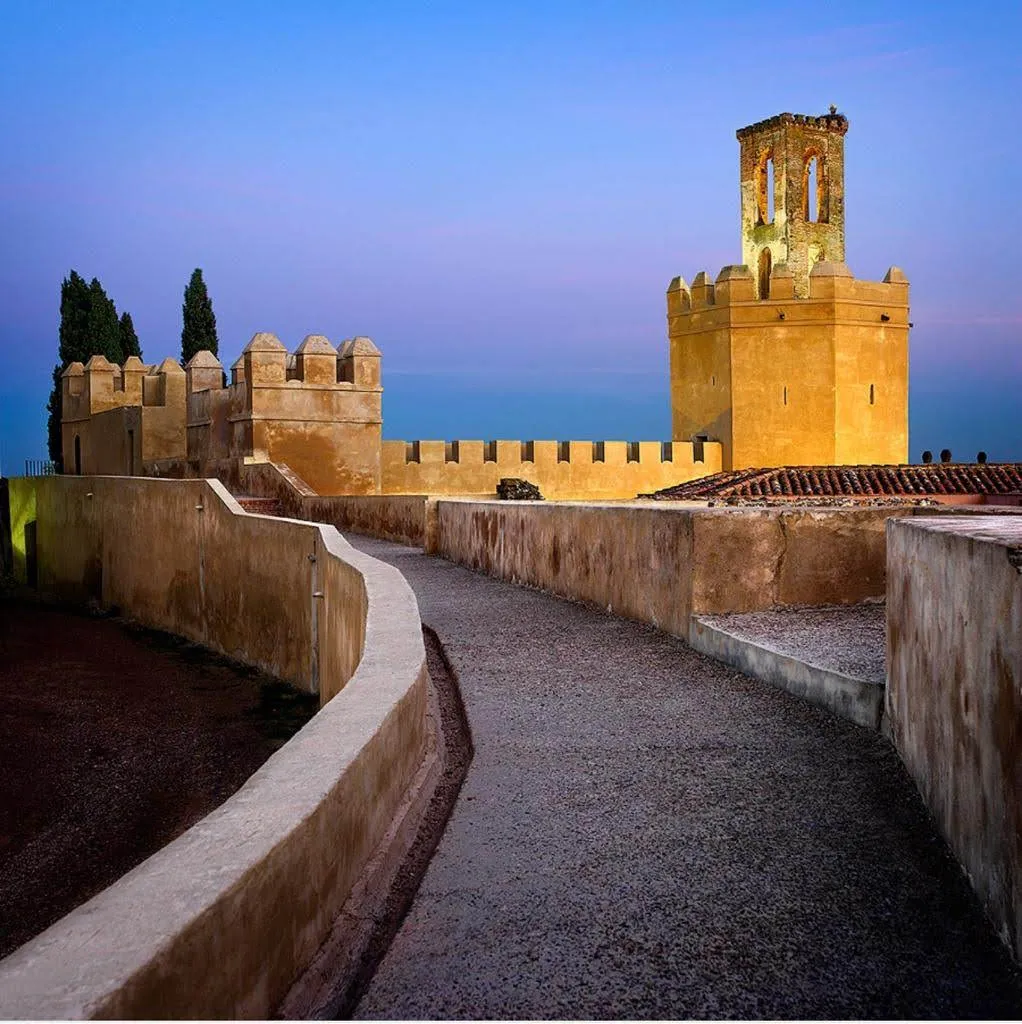
Up to three mosques once stood inside, within a small settlement that lasted until the fifteenth century. Next to the Alcazaba is the Espantaperros tower, which dates from the Almohad period and has an octagonal plan.
University buildings now stand inside the walls, which changes the original character of the site. Some of the older structures are still easy to make out as you walk.
The Provincial Archaeological Museum
The museum is housed in the Alcazaba and displays more than 20,000 pieces from archaeological sites in the province. The collection ranges from Visigothic architectural elements and Arab ceramics to tombstones and Roman mosaics.
The collection of Bronze Age stelae is one of the most complete in the Iberian Peninsula. Allow time for the museum if you want to see the stelae and the late antique and medieval pieces in detail.
Walking the walls
The perimeter walk is the main reason to visit. Views open up from different points of the wall, and the information panels along the route explain the history of the walls and citadel in three languages.
Because of the stairs and the heat, plan the walk for the cooler hours. Wear shoes with good grip, and take water, since there is little shade or seating inside.
The site is also used for events, and the sunset views from the walls are a draw in their own right.
FAQ
Is there an entry fee?
No. Entry to the Alcazaba is free.
Is the Alcazaba wheelchair accessible?
The entrance and the parking area are wheelchair accessible. The wall walk includes many steps, and some sections are difficult with a stroller.
When is the best time to visit?
The morning or the evening is best, because midday gets hot and there are few places to rest.
Is there a museum inside?
Yes. The Provincial Archaeological Museum is in the Alcazaba and holds more than 20,000 pieces from sites across the province. It has been closed at times, so check before you go.