Novodevichy Convent, also called the Bogoroditse-Smolensky Monastery, is a historic religious complex in Moscow. Founded in 1524, it is known for its preserved churches and other 17th-century buildings, including the domed Smolensk Cathedral. The grounds also include gardens and the Novodevichy Cemetery, where figures such as Anton Chekhov and Nikita Khrushchev are buried. Come to see the architecture and learn about the convent’s place in Russian history; in summer, more of the site is open to explore.
A convent founded in 1524
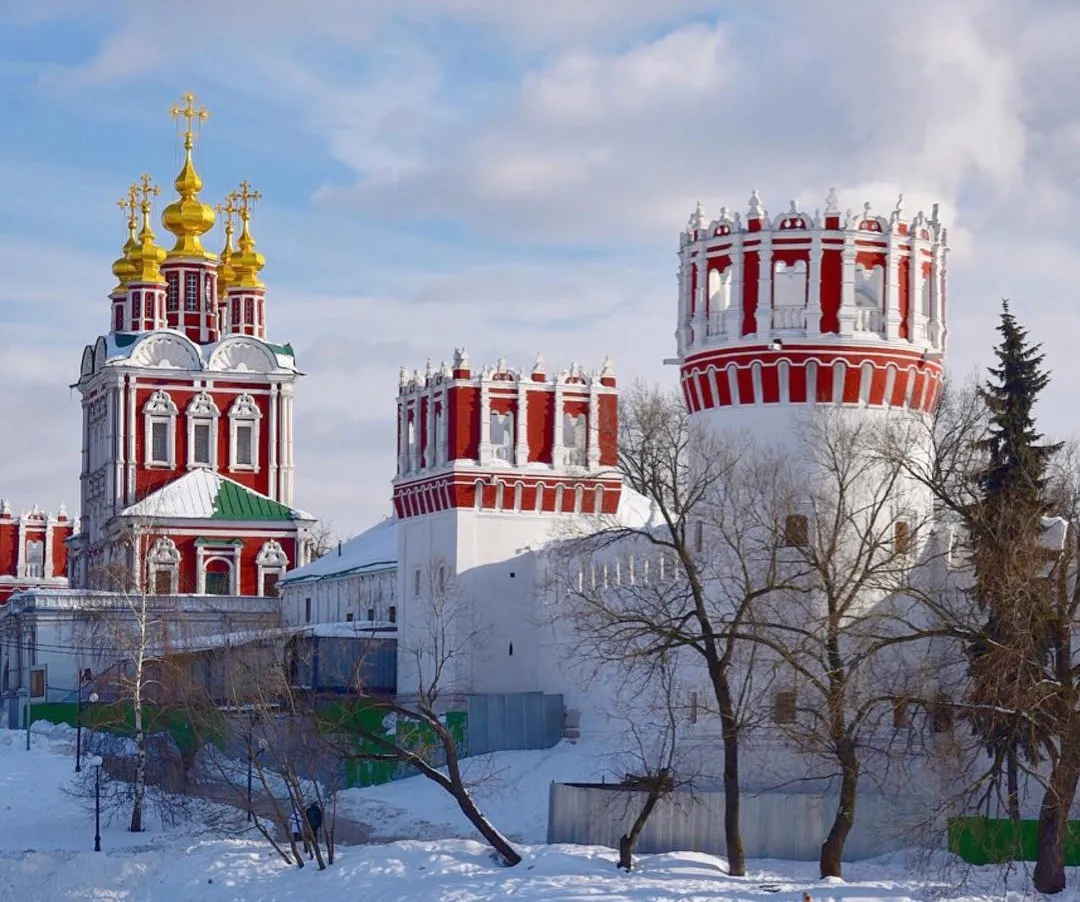
Grand Prince Vasili III founded Novodevichy Convent in 1524. Its establishment commemorated Moscow’s recapture of Smolensk in 1514. Also known as the New Maidens’ Monastery, it became a home for women from noble and royal families. Some women entered religious life there by choice; others were sent to the convent after losing favour or political power.
The convent’s history is closely tied to Russia’s religious and political life. Peter the Great’s half-sister, Sophia Alekseyevna, lived there after he took power. The complex has served different purposes over the centuries: it closed in 1922, and parts of it were used as museums and for theological education during the Soviet period. Nuns returned in 1994, and the convent was returned to the Russian Orthodox Church in 2010.
Churches and architecture inside the walls
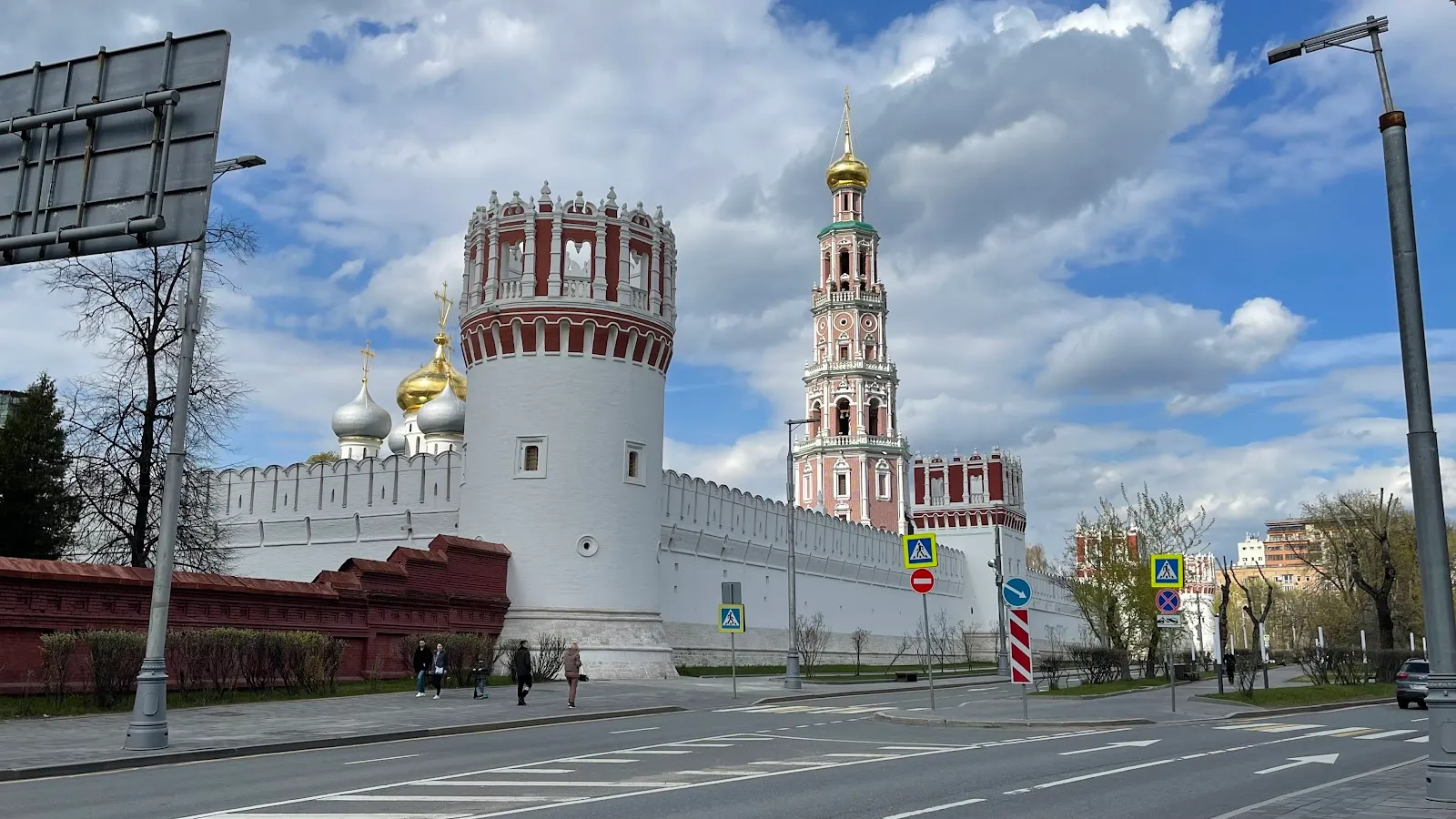
The fortified complex contains churches, cathedrals, a bell tower and former residential buildings. The white Smolensk Cathedral is its central landmark. Built in the 16th century, it is noted for frescoes and religious icons. The ensemble also includes an octagonal bell tower and buildings associated with Moscow Baroque architecture.
The convent was designated a UNESCO World Heritage Site in 2004. Much of its historic architecture has survived since the 17th century, making the site a chance to see several periods of Russian religious building within one enclosed complex. Renovation work has affected access at times, so the parts open to visitors can change.
The cemetery and grounds
Novodevichy Cemetery lies beside the convent and is the burial place of many prominent Russians. Its graves include those of writer Anton Chekhov and former Soviet leader Nikita Khrushchev. The cemetery also contains people from military, scientific, performing arts and political life.
Allow time to walk through the grounds and the park behind the convent. Gardens, trees and flowers soften the view of the high walls and church buildings. The surrounding area has also been described as a peaceful place to pause, away from the busy streets of Moscow.
Visiting respectfully
Novodevichy is a functioning religious site, as well as a historic complex. If you plan to enter a church, dress with that in mind: women should cover their heads and shoulders, and men should wear long trousers. A calm manner is appropriate in the churches and around people using the grounds for worship.
Summer is the most practical season for exploring the buildings and gardens, as more areas are open then. Renovations have led to closures and changes in access, so check current arrangements before setting out. Tickets in advance are recommended.
FAQ
When was Novodevichy Convent founded?
Grand Prince Vasili III founded the convent in 1524, in connection with Moscow’s recapture of Smolensk.
What can you see at Novodevichy Convent?
The complex includes Smolensk Cathedral, other historic churches and buildings, a bell tower, gardens and the Novodevichy Cemetery.
What should I wear inside the churches?
Women should cover their heads and shoulders, and men should wear long trousers.
When is the best time to visit?
Summer is a good time to explore, as more areas are open. An early visit may help you avoid crowds.