
The Calouste Gulbenkian Foundation is a cultural centre on Avenida de Berna in Lisbon, with an art museum, gardens, concert spaces and a library. Its collection spans ancient Egyptian, Islamic, Persian and Asian works as well as European art, including pieces by Rembrandt, Monet and René Lalique. The museum’s low buildings and large windows connect the galleries with the surrounding gardens. Leave time to explore both the collection and the grounds; the main exhibition alone can take more than two hours.
A collection shaped by its founder
The museum grew from the collection of Calouste Sarkis Gulbenkian, an Armenian oil magnate and art collector. He lived in Lisbon from 1942 until his death in 1955. The foundation was established in 1956 through his will, carrying forward his support for the arts and culture.
Gulbenkian collected more than 6,000 artworks. Around 1,000 are displayed in the museum. The works are arranged in two main sections: one covers ancient and Eastern art, and the other European art from the Renaissance to the early 20th century. This broad span gives the collection a different rhythm from a museum focused on a single period or region.
From ancient art to European masters
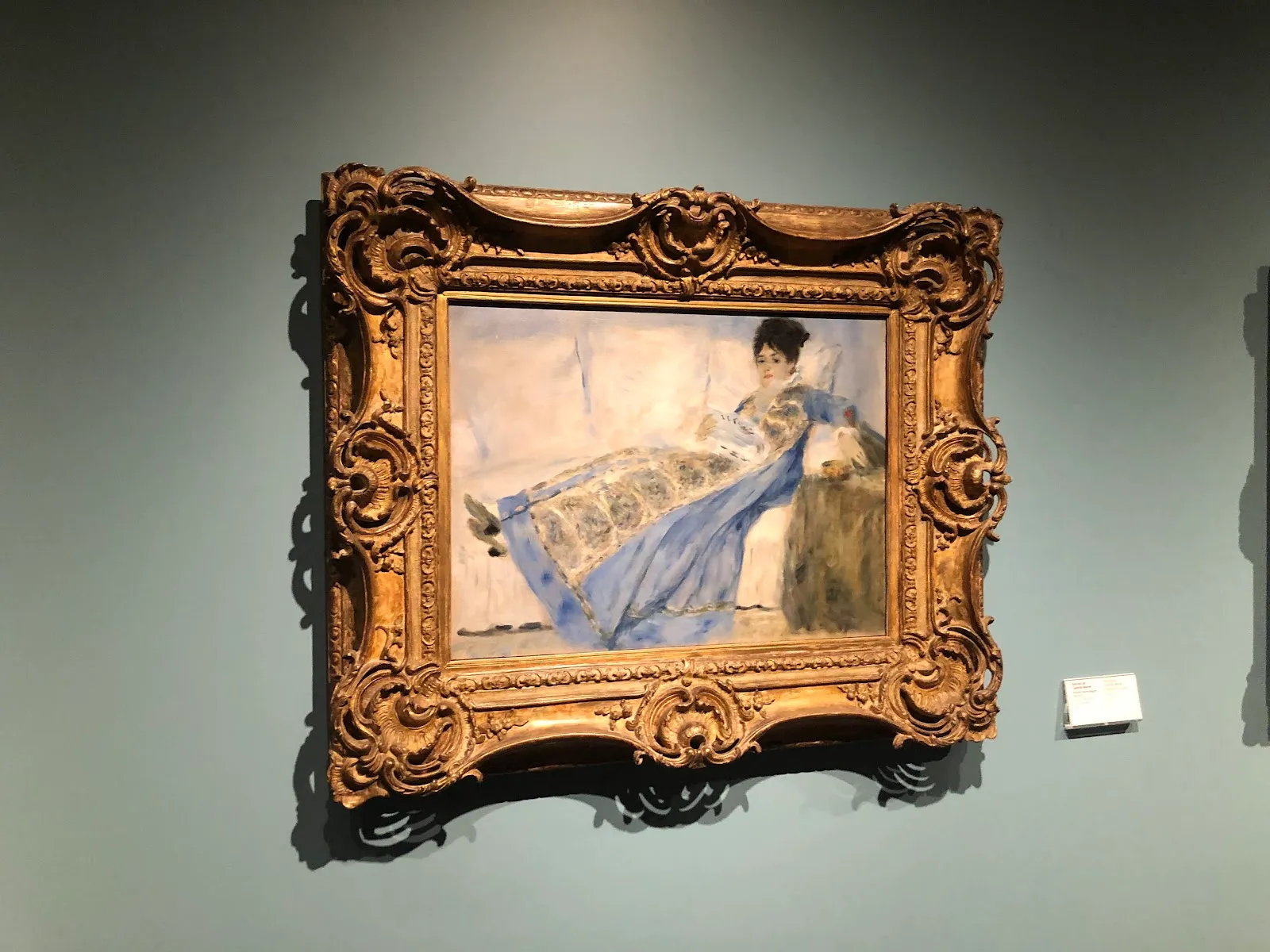
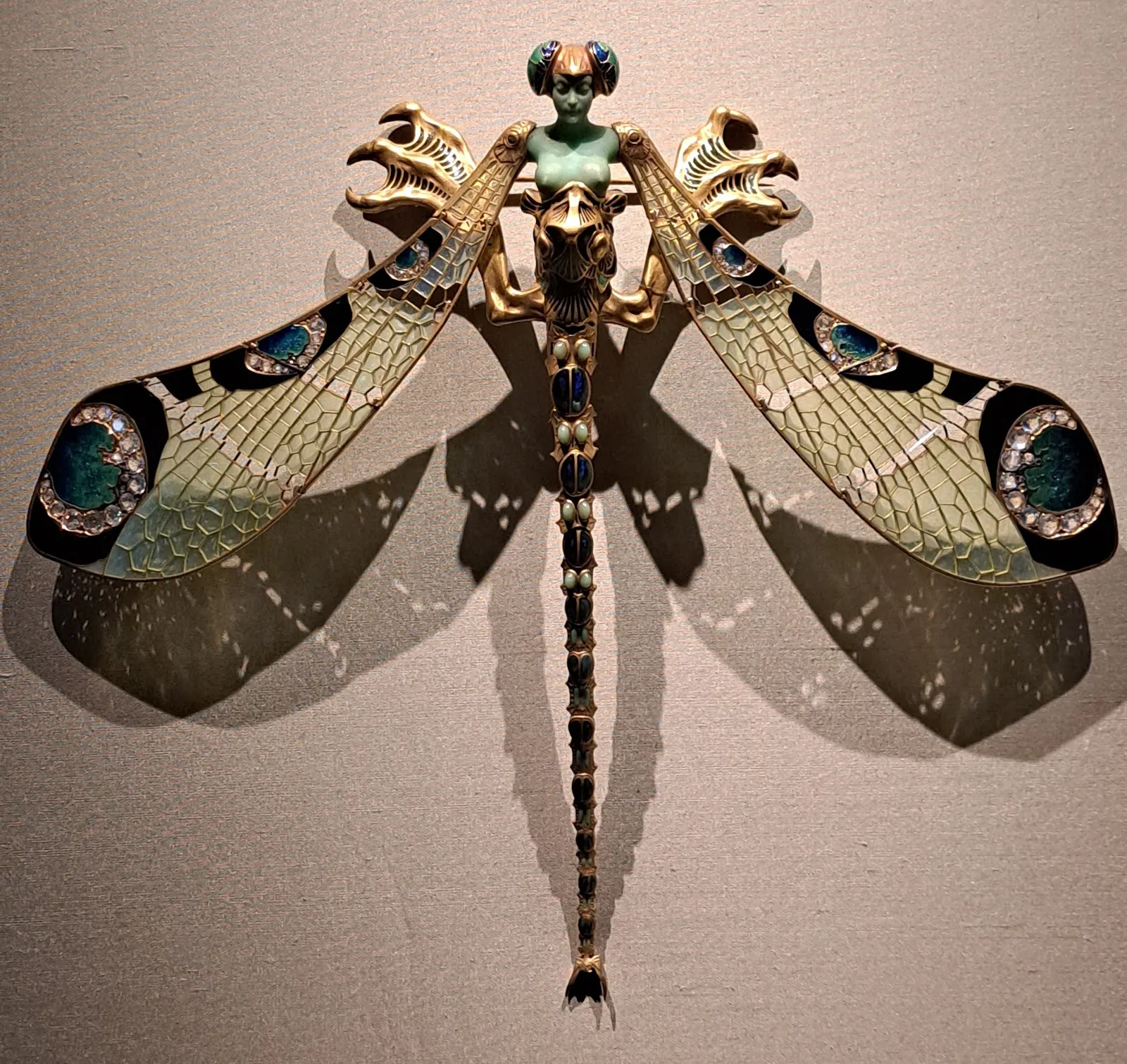
The ancient and Eastern galleries include Egyptian, Islamic, Persian and Asian works. In the European section, look for paintings by Rembrandt, Rubens and Monet, as well as work by René Lalique. The collection includes objects and artworks from widely separated periods, with pieces dating back several thousand years.
The main collection is substantial. One account of a visit describes spending more than two hours there, so a short stop may not leave time to see everything at an unhurried pace. English descriptions are limited in some areas, and some labels can be difficult to read because of their position or lighting. The collection itself remains the main reason to plan a longer visit.
Buildings, gardens and performance spaces
The museum building opened in 1969. Architects Alberto Pessoa, Pedro Cid and Ruy Jervis d’Athouguia designed its low concrete forms and tall windows to relate to the gardens around them. Views through the glass bring the grounds into the museum’s setting.
The gardens are part of the visit, with paths and an outdoor amphitheatre. The foundation also has a contemporary art museum, a library, concert spaces, an orchestra and a choir. Its Grand Auditorium seats more than 1,200 people; the glass behind the hall gives audiences a view of the gardens. Events there include music, theatre, dance, cinema and opera. The annual Jazz in August festival has been held at the foundation since 1984, with concerts in the open-air amphitheatre.
FAQ
How long should I spend at the Calouste Gulbenkian Foundation?
Allow at least two hours for the main collection. Add time if you also want to walk through the gardens or see another exhibition.
What can you see in the Gulbenkian Museum?
The collection includes ancient Egyptian, Islamic, Persian and Asian art, as well as European works from the Renaissance to the early 20th century. Artists represented include Rembrandt, Rubens, Monet and René Lalique.
Does the foundation have a contemporary art museum?
Yes. The foundation has a separate contemporary art museum in addition to the museum of Gulbenkian’s collection.
What events take place at the foundation?
Its programme includes music, theatre, dance, cinema and opera. The foundation also hosts the annual Jazz in August festival.


