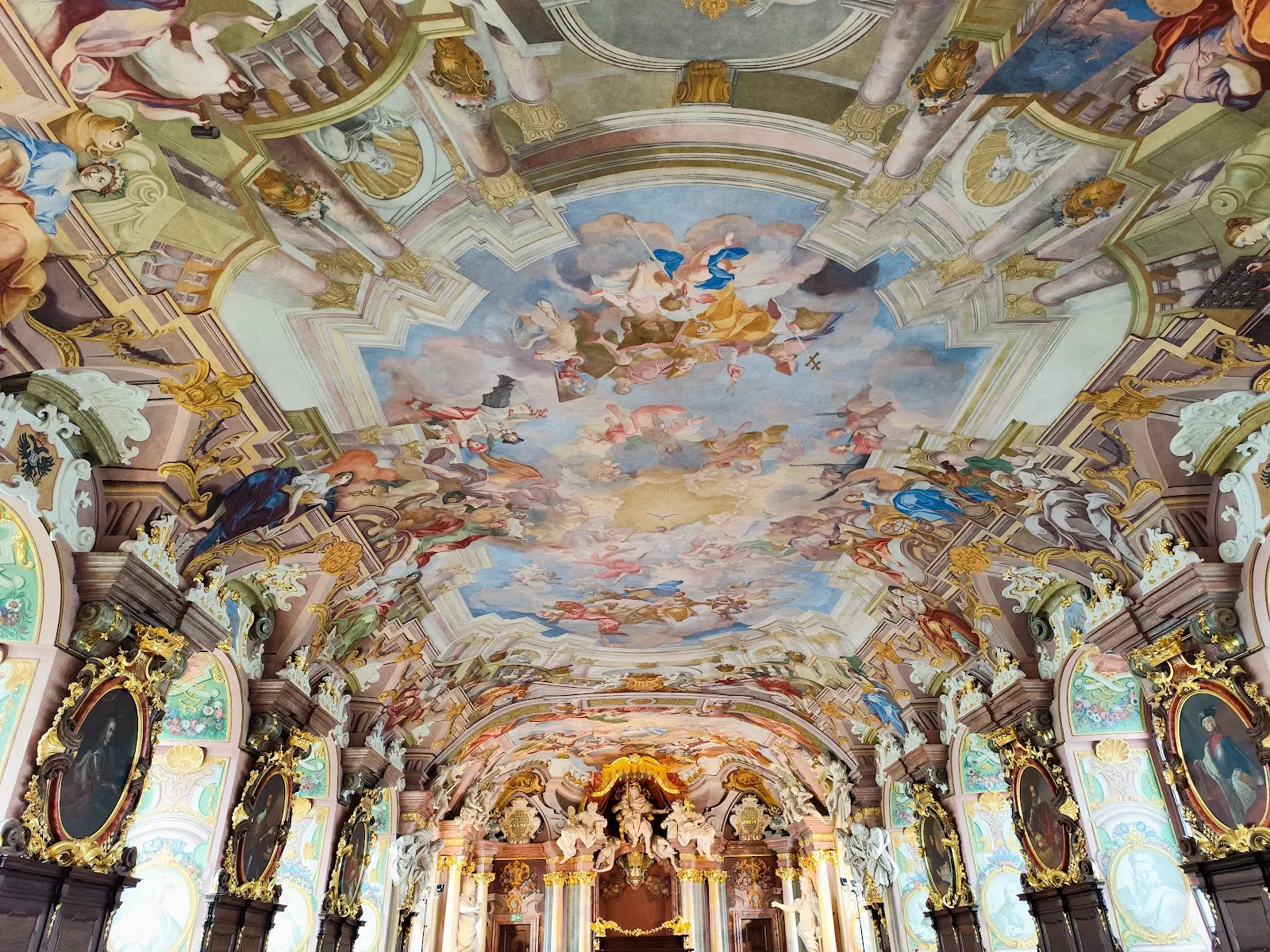
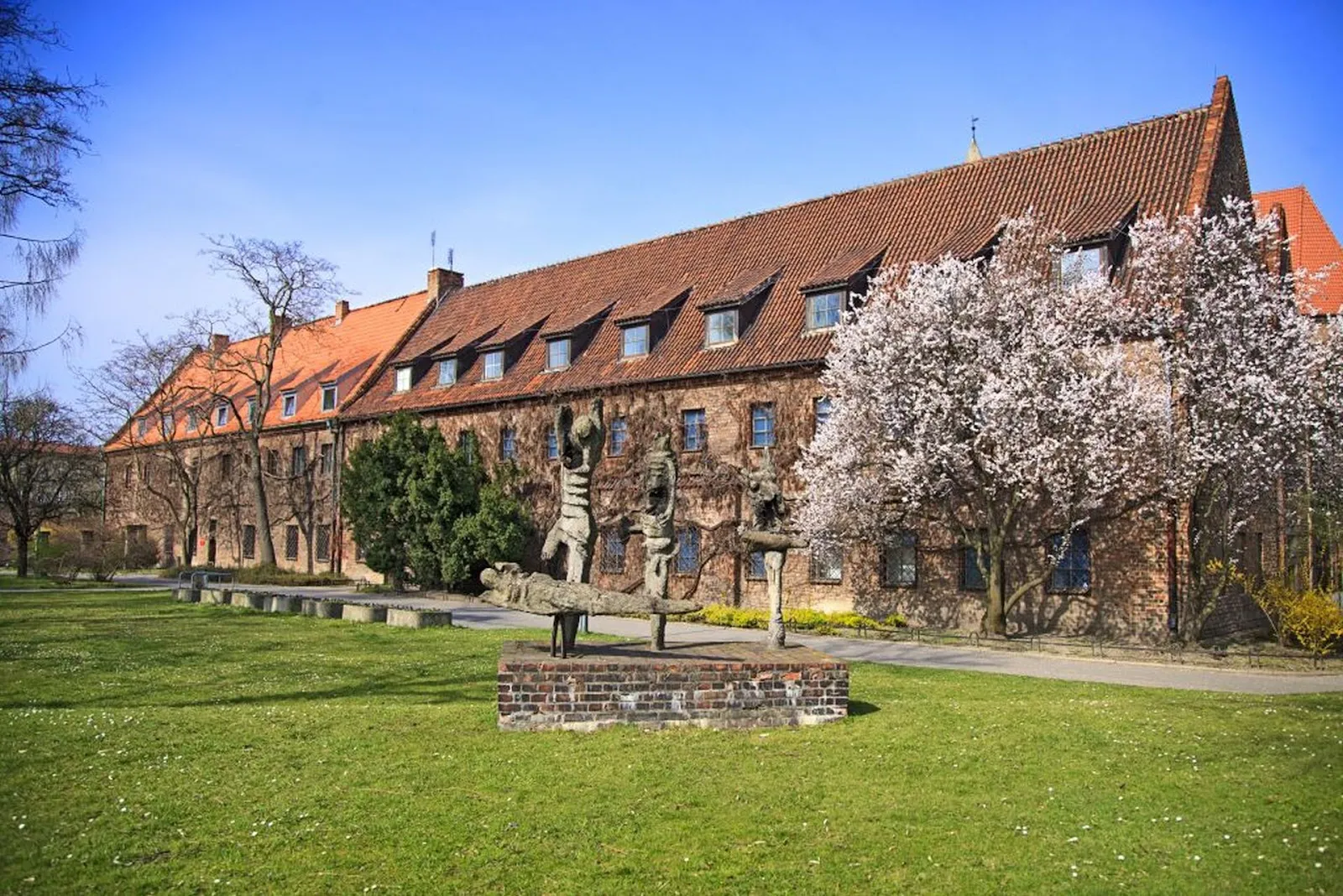
The National Museum in Wrocław sits on the south bank of the Oder River, in a brick Neo-Renaissance building wrapped in ivy. Its collection holds around 200,000 artifacts, from medieval Silesian sculpture in stone and wood to Polish and European painting, so it is a good place to learn the region's history through art. Plan about an hour and a half to two hours, and visit on a Saturday if you want free entry to the permanent exhibitions.
Origins and the building
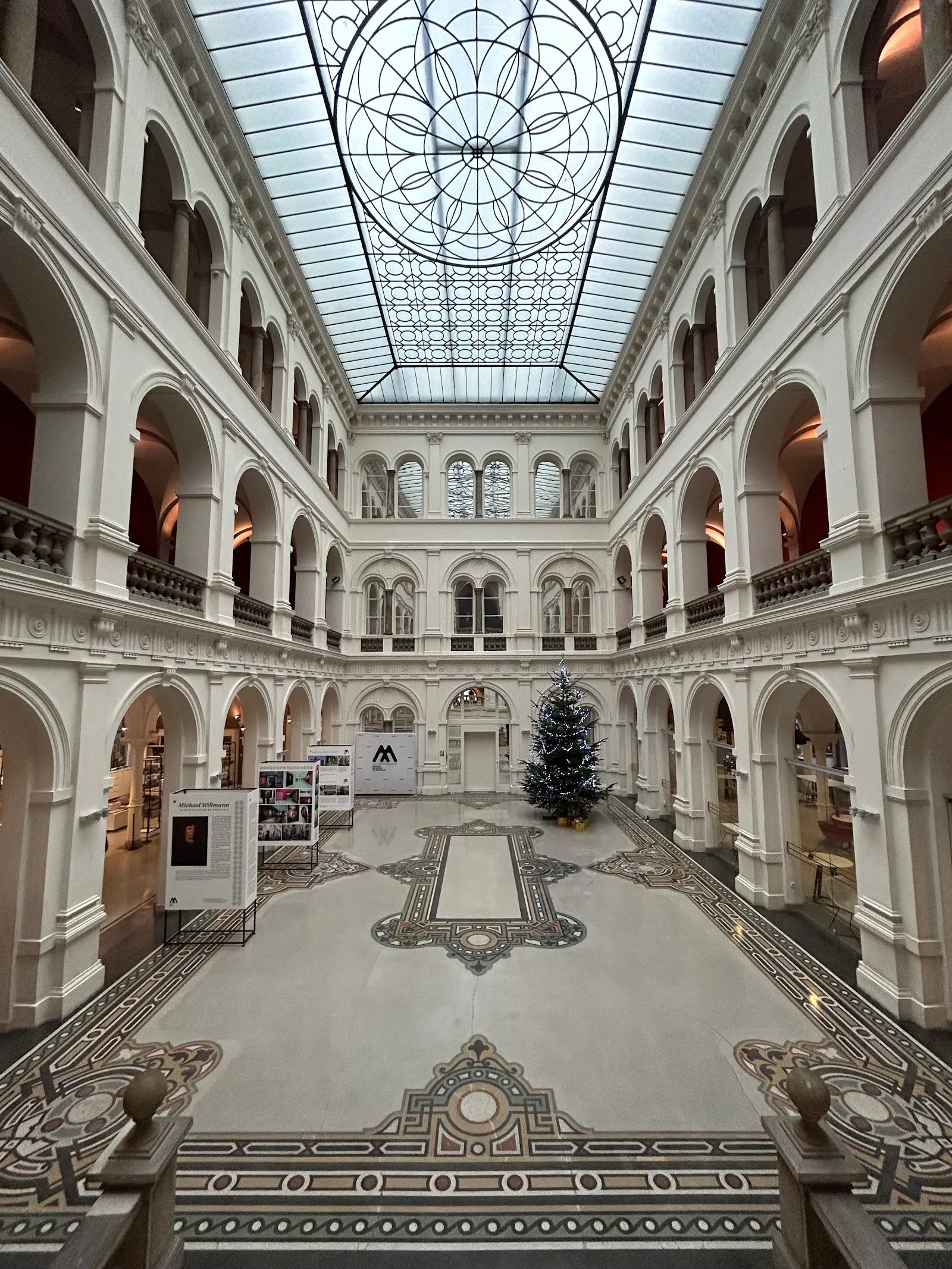
The museum was founded in 1947 as the Silesian Museum (Muzeum Śląskie) and was given the status of a National Museum in 1970. Many objects were moved away or destroyed during Poland's wartime and postwar years under German and Soviet control. The surviving pieces came partly from older Wrocław museums founded in the 19th century, and that history explains why the collection is strongest in regional art.
The main building was constructed in the Northern Neo-Renaissance style between 1883 and 1886. Its brick facade is covered in ivy, which changes colour through the seasons, and it stands on the south bank of the Oder River.
What the collection holds
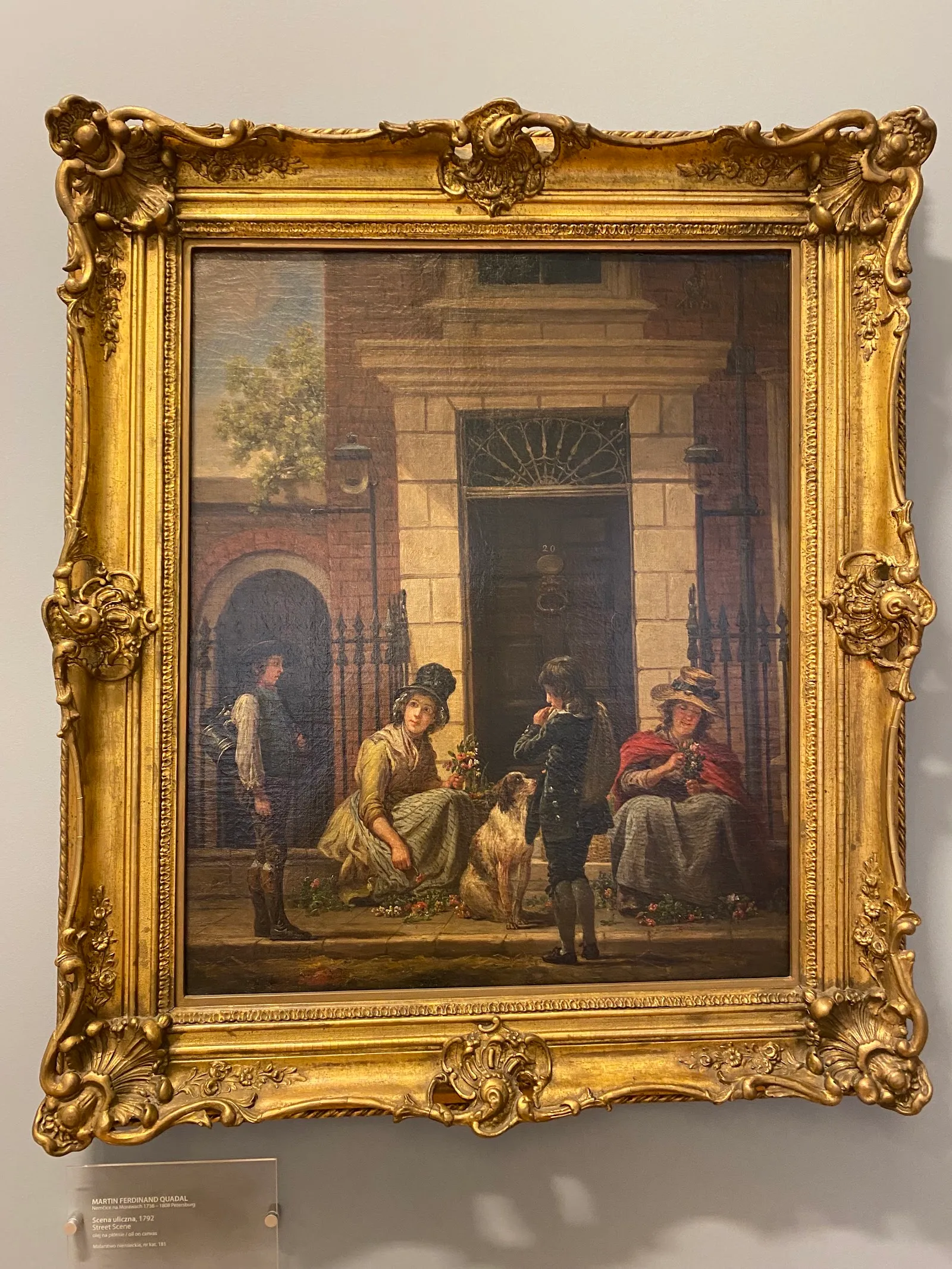
The permanent collection is divided into several sections: Silesian art from the 12th to the 19th century, Polish art from the 17th to the 19th century, and European art from the 15th to the 20th century. The Silesian holdings are the deepest, with medieval sculpture in stone and wood.
The museum also has contemporary and modernist sculpture, drawings and prints, and a large collection of historical craftsmanship from the Middle Ages to the early 20th century. Its library holds books and documents. Works by Jan Matejko and Jacek Malczewski are among the highlights of the Polish paintings.
The four branches
The National Museum in Wrocław has four branches: the main building, the Panorama Racławicka, the smaller Ethnographic Museum, and the Museum of Contemporary Art in the Four Domes Pavilion. The Four Domes Pavilion opened in June 2016 as a new branch, in the restored pavilion on the historic Exhibition Grounds near the Centennial Hall. Its address is Wystawowa 1.
The contemporary branch has a permanent display of work by Poland's leading contemporary artists, including Magdalena Abakanowicz, Tadeusz Kantor, Alina Szapocznikow and Henryk Stażewski. Its collection is described as one of the largest in Poland, and it shows how art developed through the Communist era.
Tickets and how a visit works
The main exhibition ticket has been listed at around 20 PLN full price and 15 PLN reduced, so check current prices before you go. Permanent exhibitions are free on Saturdays, but temporary exhibitions may have an extra fee.
A ticket to the Panorama Racławicka gives free admission to this museum and to two other museums, the Ethnographic Museum and the Four Domes Pavilion. Confirm that the Panorama is open before you plan your day around it.
The main and temporary exhibitions together can take about four hours to see in full. A visit of one and a half to two hours covers the main highlights at a comfortable pace.
FAQ
Is there an entry fee?
Yes. The main exhibition ticket has been listed at around 20 PLN full price and 15 PLN reduced. Permanent exhibitions are free on Saturdays, but temporary exhibitions may charge extra.
How long do you need?
Plan about one and a half to two hours for a thorough visit. The main and temporary exhibitions together can take around four hours to see in full.
Can I get a combined ticket with other museums?
A ticket to the Panorama Racławicka gives free admission to the National Museum and two other museums, the Ethnographic Museum and the Four Domes Pavilion. Check that the Panorama is open before you visit.
Is the museum wheelchair accessible?
Yes. The entrance, restrooms, seating and parking lot are listed as wheelchair accessible.