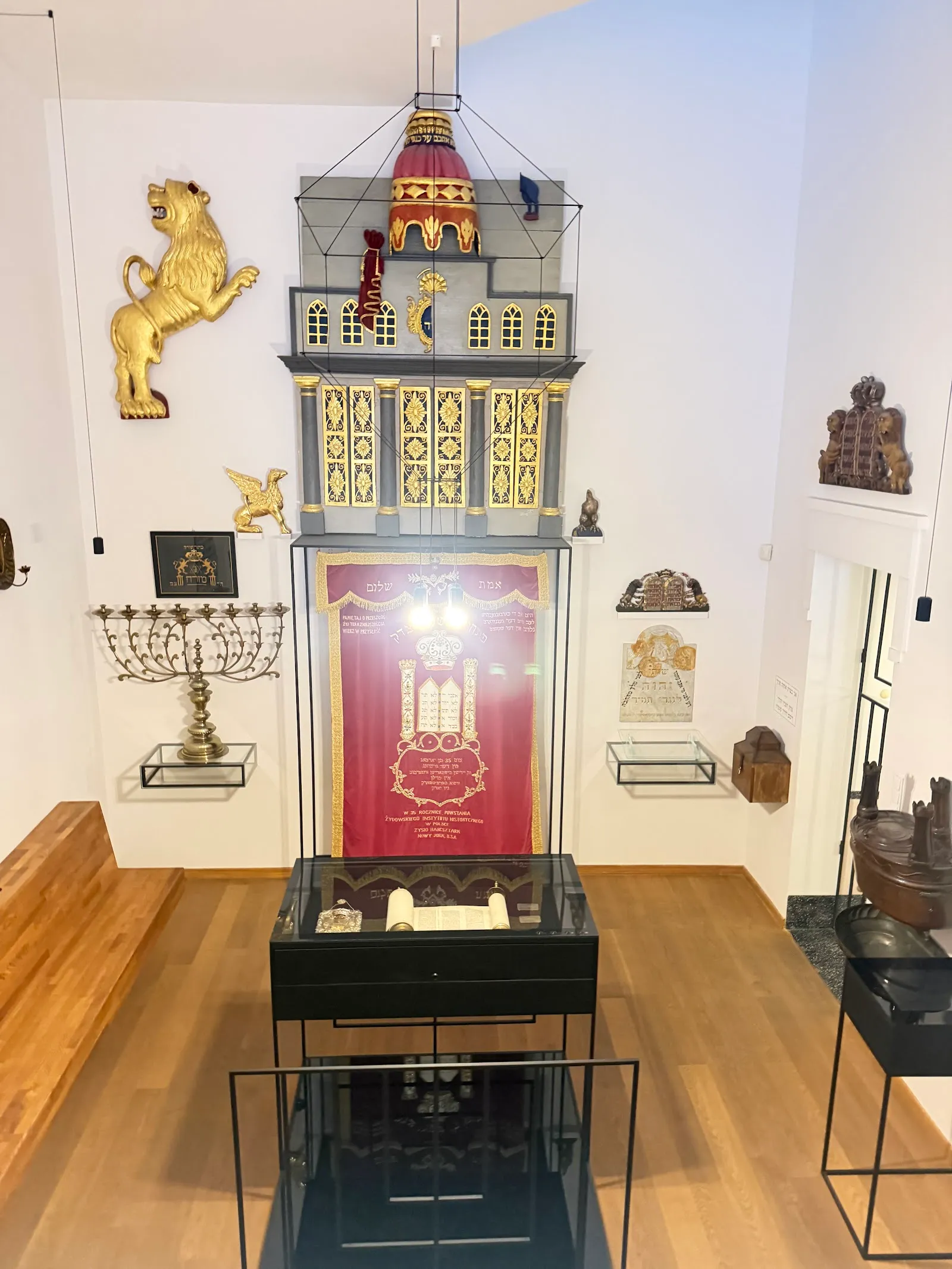
At Tłomackie 3/5 in Warsaw, the Jewish Historical Institute is a museum and research centre focused on Polish Jewish history. Its permanent exhibition centres on the Ringelblum Archive, a collection of accounts and documents made by people in the Warsaw Ghetto. Letters, notes and personal testimony trace daily life, persecution and resistance during the Second World War. The exhibition uses text and multimedia in Polish and English, and includes original archival material. Allow about 90 minutes to take it in.
The Ringelblum Archive
The permanent exhibition centres on the work of Emanuel Ringelblum and the Oneg Shabbat group, whose members recorded life in the Warsaw Ghetto. They included people from different walks of life, such as teachers, writers, students and clerks. Their records preserve accounts of daily hardship and persecution.
As the ghetto faced destruction, the group hid its documents in metal containers, including milk cans. The exhibition displays original material, including letters and one of the cans used to preserve the archive. The documents were intended to carry evidence of what happened beyond the lives of the people who collected them.
Reading the exhibition
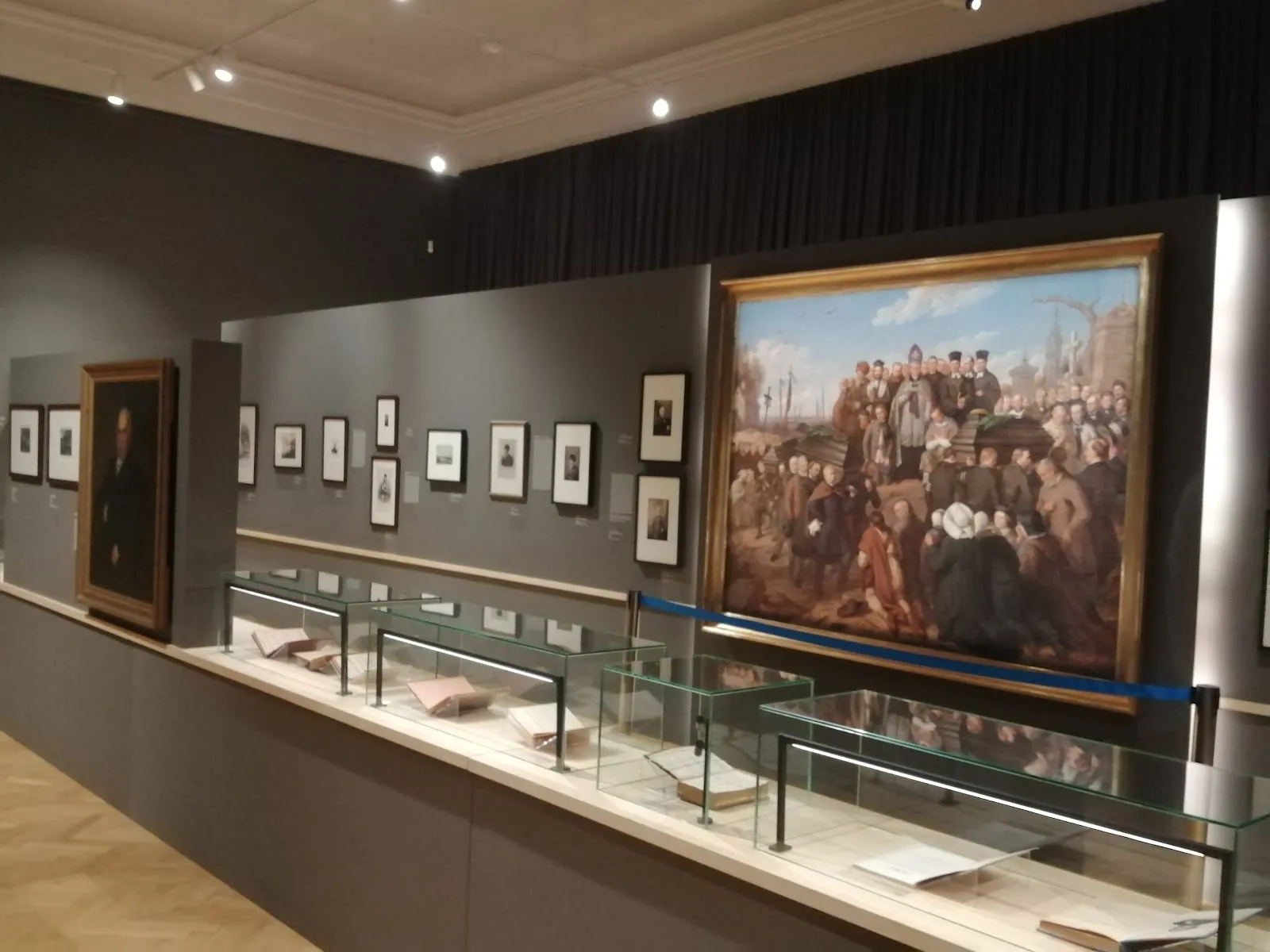
This is a document-led exhibition, with substantial text and multimedia rather than a large display of objects. Its structure guides visitors through the archive and the events it records. Personal notes, memoirs, postcards and letters bring individual voices into the account of the ghetto.
The displays are in Polish and English. The material addresses starvation, illness, deportations and crimes, as well as efforts to document and resist what was happening. The subject matter is grave, and the exhibition gives space to the records themselves.
Research and other spaces
The institute is also a research centre with archival resources on Jewish history in Poland. Its Ronald S. Lauder Foundation Genealogy Project helps people investigate family history by directing them to archival resources and information about towns and villages where Polish Jews lived.
A bookshop and a small cafe are also on site. The institute has hosted temporary exhibitions alongside its permanent display; their subjects can differ, so check what is on during your visit if you want to see more than the archive exhibition.
FAQ
How long should I plan for a visit?
Allow about 90 minutes to see the exhibitions.
Is admission free?
Admission is free on Mondays.
Is the exhibition available in English?
Yes. Exhibition text and media are available in English and Polish.
Are lockers available?
Yes. Free lockers are available for bags and coats.