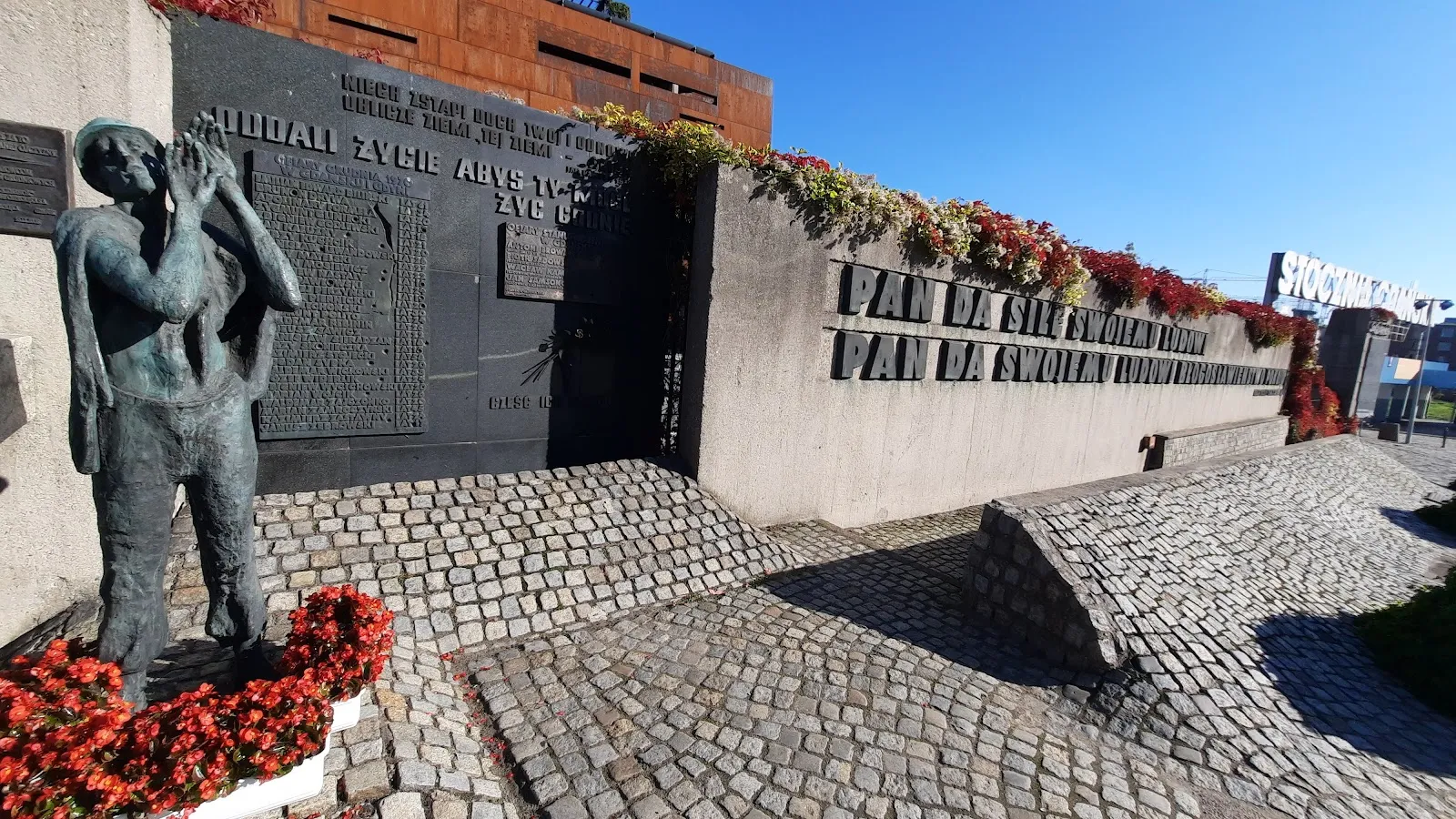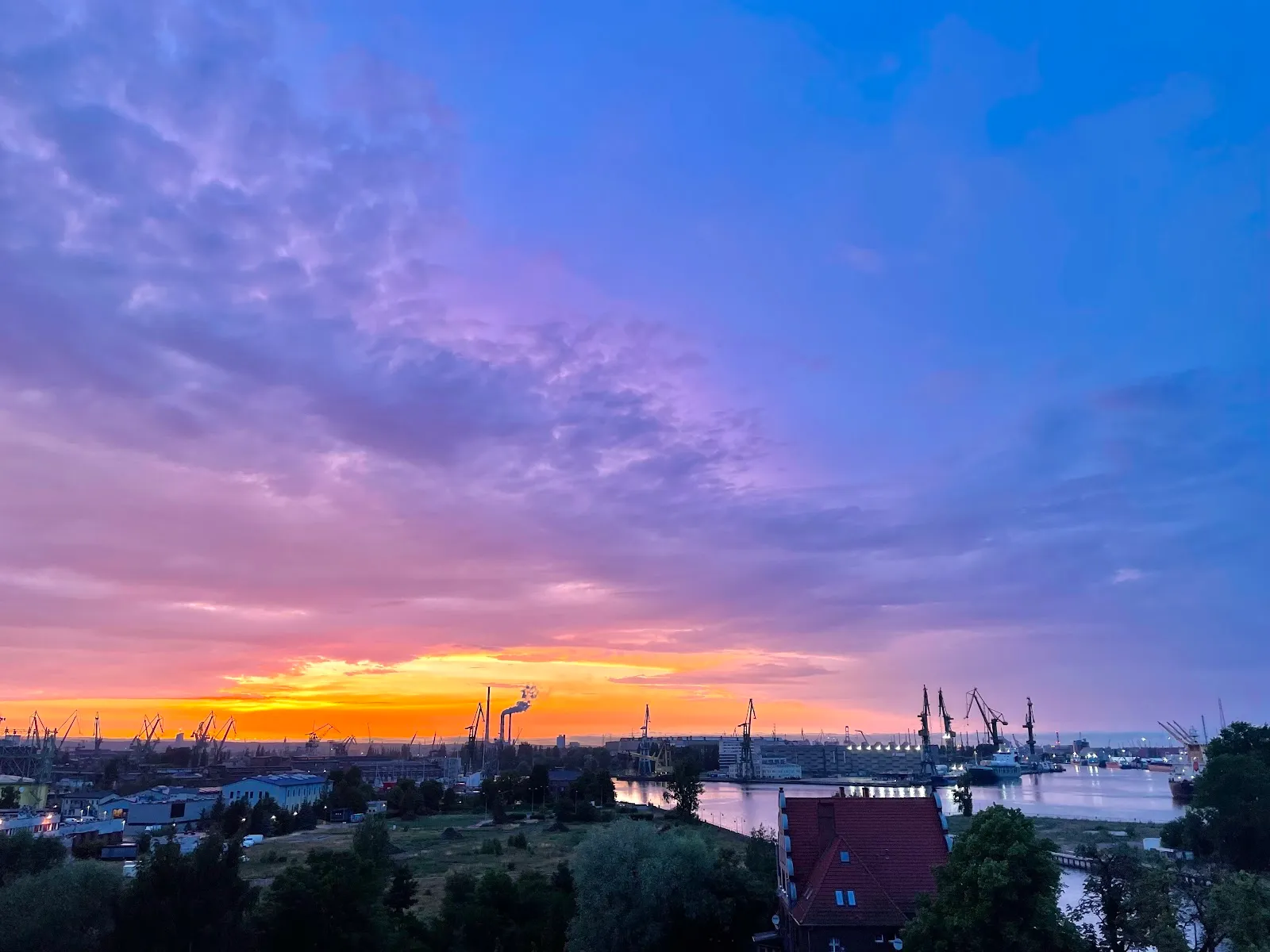
Gdańsk Shipyard, at Na Ostrowiu 15/20, is an active industrial site and the birthplace of the Solidarity movement. In 1980, workers began a strike here that helped set Poland on the path away from communist rule. Guided tours connect that history to original strike bulletins, overhead cranes and other Cold War-era infrastructure. Some sections still serve ship repairs, while artists use others. The site is large, and redevelopment affects access to some privately owned areas, so a guided visit or a view from the water can help you plan your time.
The strike that began Solidarity

Gdańsk Shipyard is closely tied to the history of Solidarity and the movement that challenged communist rule in Poland. Workers began a strike here on 14 August 1980. The protest helped lead to the legalisation of the Solidarity trade union and became a defining moment in Poland’s path toward democracy.
Lech Wałęsa, an electrician at the shipyard, became a leading figure in the movement. The strike took place amid tight controls on communication. A Western journalist visiting at the time helped bring news of it beyond Poland. The shipyard’s role in these events gives the industrial site a place in both Polish and European history.
Industrial remains and working shipyard
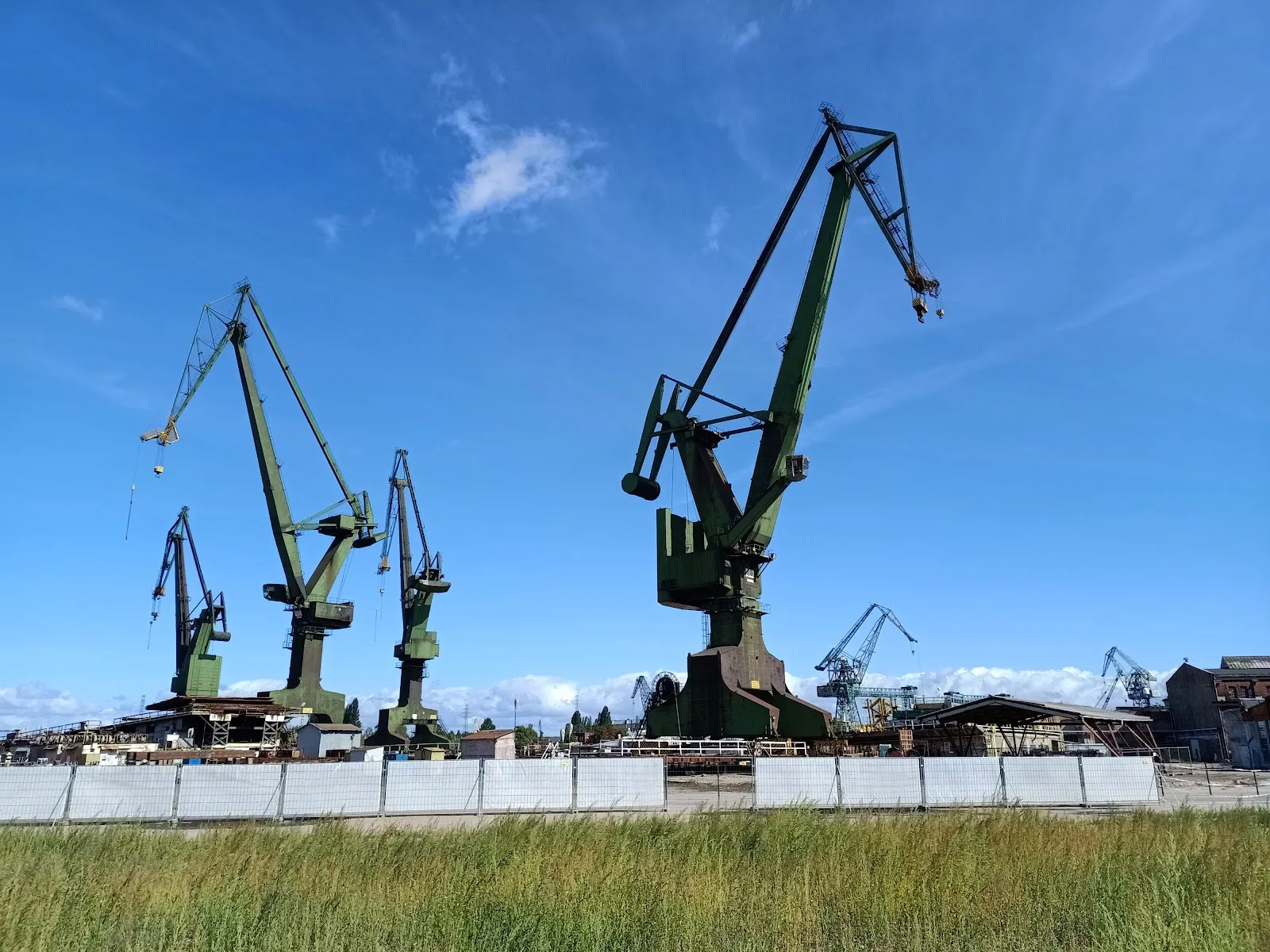
The shipyard is a large working area, not a single museum building. Some parts are still used for ship repairs, and artists use other sections. Overhead cranes and other Cold War-era infrastructure recall the site’s industrial life. Guided tours can point out original strike bulletins and marks connected with workers’ modifications to equipment during protests.
The condition and use of buildings vary across the site. Some are in poor condition, and parts are privately owned or subject to redevelopment. Check access before exploring, especially if you are planning to walk around without a guide.
Exploring the site and its history
A guided tour is a practical way to understand the shipyard’s history and the changes made by workers during the protests. For a deeper account of Solidarity and its contribution to democracy, visit the nearby European Solidarity Centre. It focuses on the shipyard’s place in the movement.
You can also see the industrial area from the water. Boat cruises from Gdańsk Old Town may include views of the shipyard, while a kayak on the Motława gives another way to look at the riverside site. A water-based visit is useful if access on foot is limited or you want to take in the cranes and buildings from outside the working area.
FAQ
Where is Gdańsk Shipyard?
It is at Na Ostrowiu 15/20 in Gdańsk, Poland.
What is Gdańsk Shipyard known for?
It is the birthplace of the Solidarity movement. Workers began a strike there on 14 August 1980.
Can you visit the shipyard on foot?
Some areas can be explored, but others are privately owned or undergoing redevelopment. Check access before you go; a guided tour can help you understand the site.
Is there a museum at the shipyard?
The nearby European Solidarity Centre covers the shipyard’s role in Solidarity and the democracy movement.