Cusco Cathedral faces the Plaza de Armas, built above the former palace of the Inca ruler Viracocha with stone taken from Sacsayhuamán. Its exterior brings together Gothic, Renaissance and Andean Baroque elements; inside, paintings, sculptures, carved woodwork and silverwork trace the city’s colonial religious art. Look for Marcos Zapata’s Last Supper, where a roasted guinea pig appears on the table, and the revered Señor de los Temblores. The cathedral is a working place of worship, so plan your visit with services in mind.
Built over an Inca palace
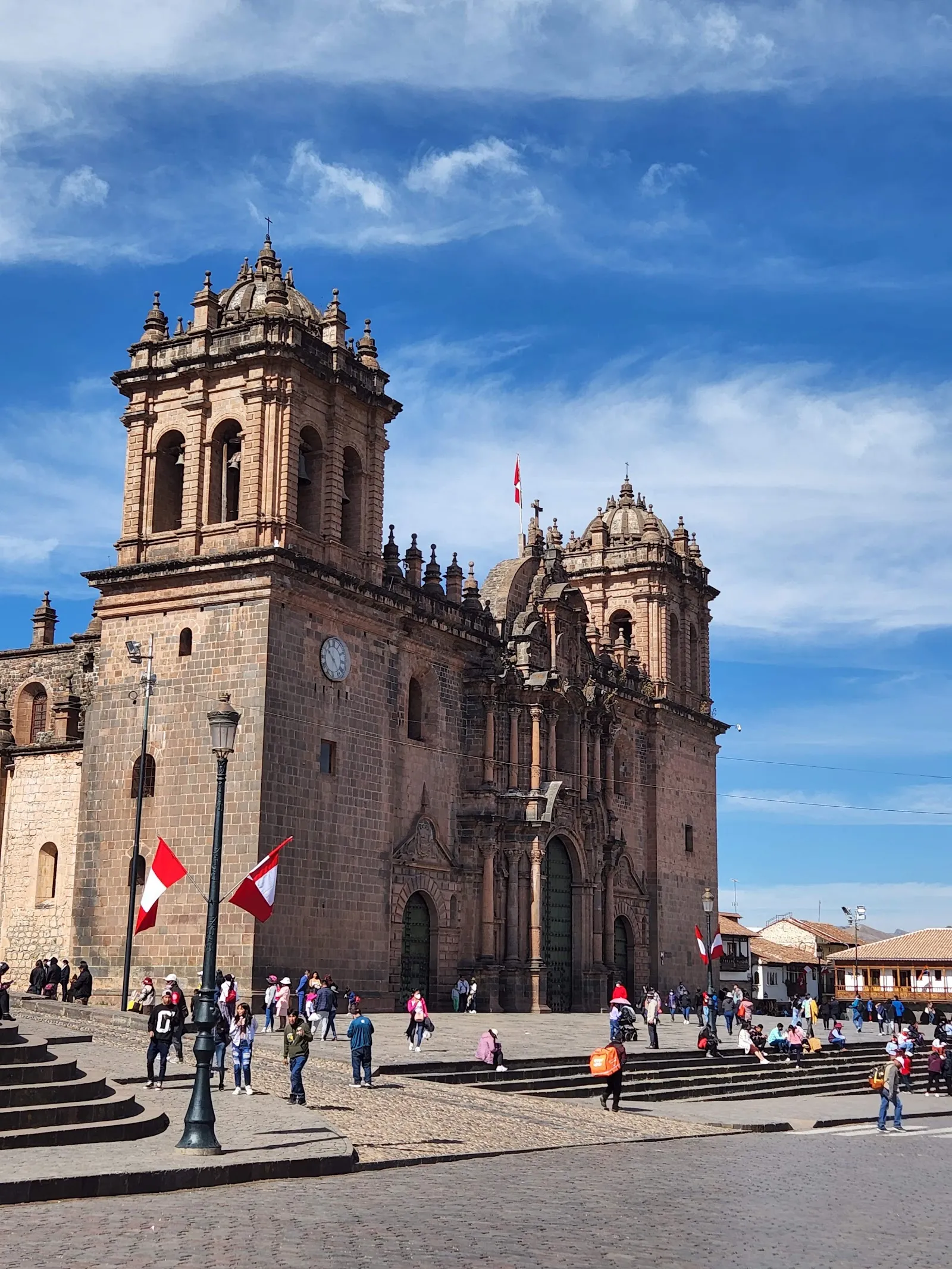
The cathedral occupies the site of the palace associated with Viracocha, an Inca ruler. Spanish construction began in the 16th century and continued for almost a century. Stones from Sacsayhuamán were also used in the building, linking its colonial fabric to the earlier structures of the region.
The cathedral faces the Plaza de Armas and is accompanied by two smaller churches, Iglesia del Triunfo and Iglesia de la Sagrada Familia. Together, the buildings form a substantial religious complex on the square. The cathedral’s three naves have ribbed vaults, while its design brings together Gothic, Renaissance and Andean Baroque elements.
Paintings and devotional art
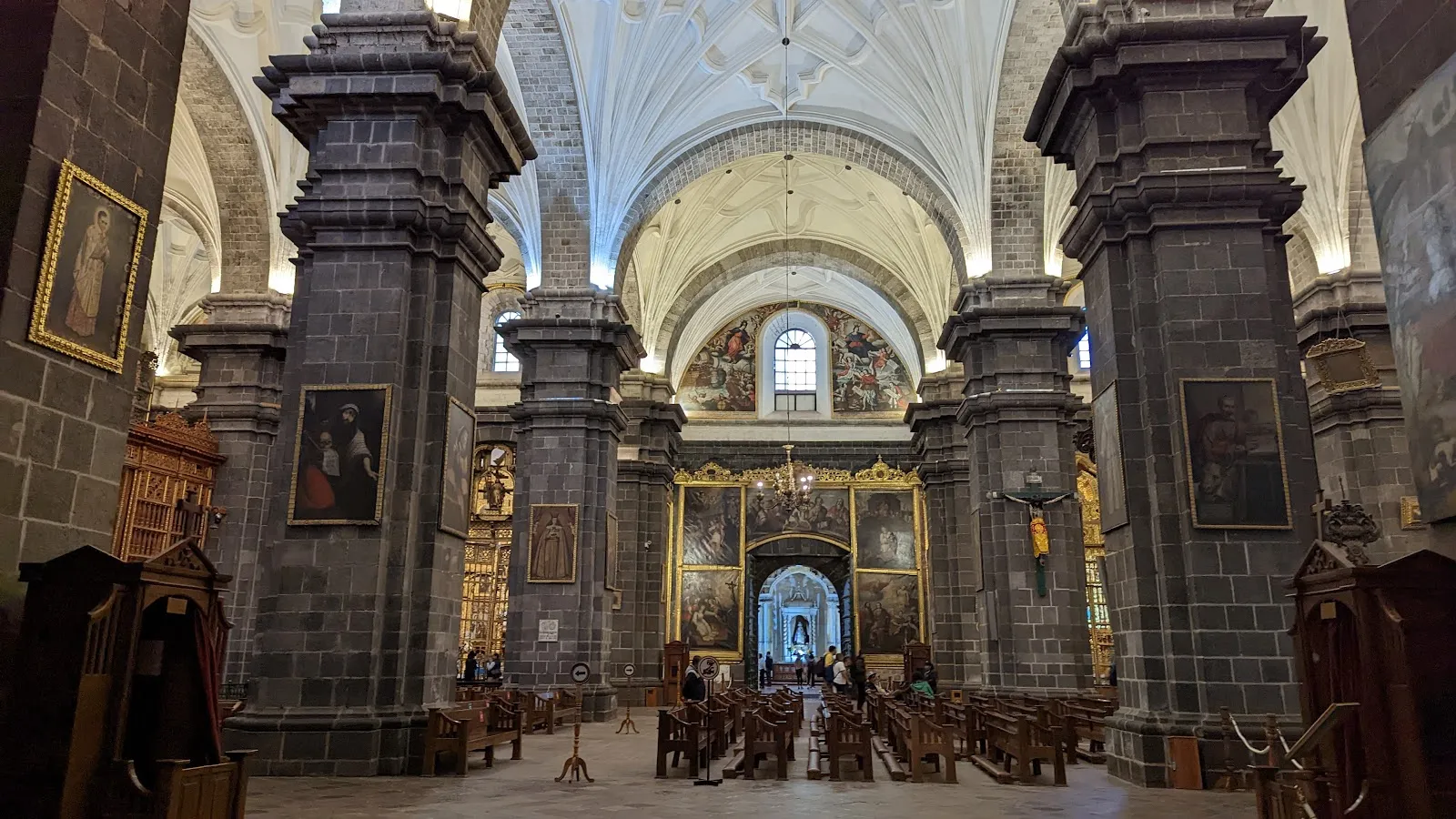
Inside, the collection includes paintings, sculptures, carvings and religious objects made by Indigenous and Spanish artists. Works associated with the Cusco School are a particular reason to look closely. The cathedral also contains carved cedar furnishings and an ornate altar with silver and gold details.
Marcos Zapata’s Last Supper is among the best-known paintings. Instead of the expected central dish, the table includes cuy, or roasted guinea pig, a local food. The painting places Andean culture within a familiar Christian scene. Other notable works include the Señor de los Temblores, a highly revered image of Christ. Its darkened appearance is associated with the smoke from candles and lamps, along with other materials accumulated over centuries of ceremonies.
Making the visit
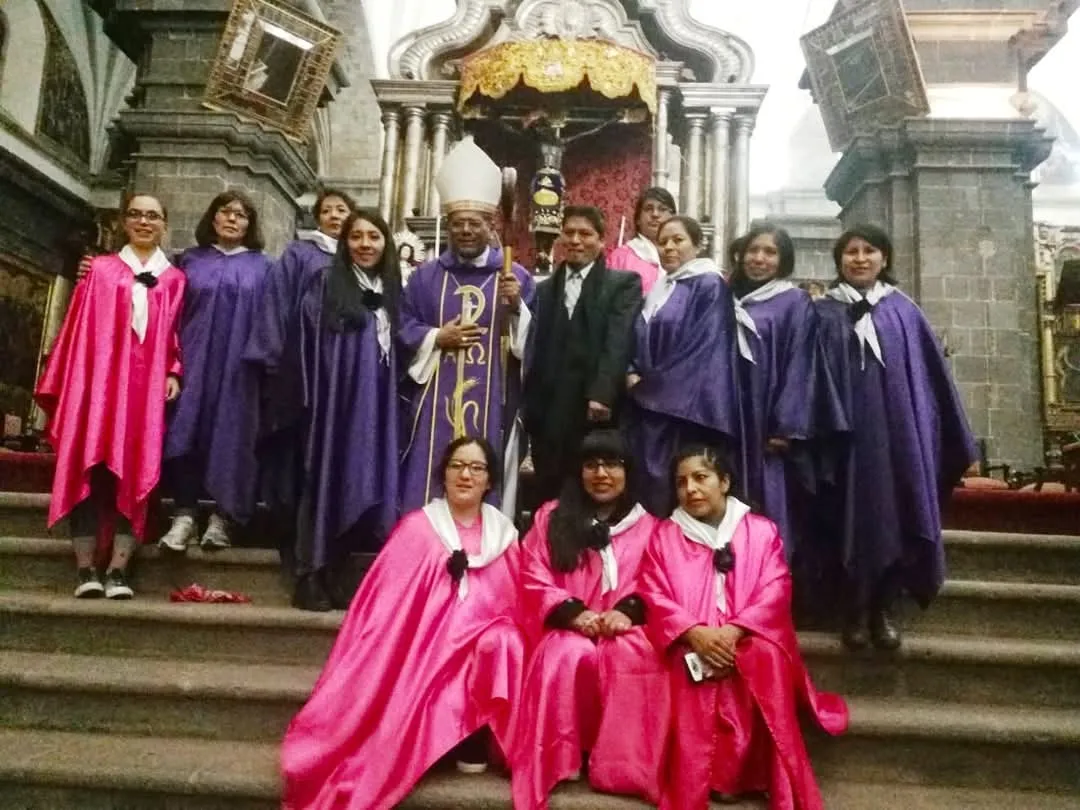
A guide can help explain the cathedral’s history, architecture and religious imagery. If you prefer to explore independently, reading about the collection beforehand can give you context for what you see. The artworks are part of a functioning place of worship, and services are held there, including daily mass at 7 am.
Plan to be attentive to the setting. Keep your visit quiet and respectful, especially if people are praying or attending a service. Photography is not allowed inside, so take time to look at the paintings and details directly. The cathedral is on the Plaza de Armas, making it easy to include while walking through Cusco’s historic centre.
FAQ
Where is Cusco Cathedral?
It faces the Plaza de Armas in Cusco’s historic centre.
What is the famous Last Supper painting at Cusco Cathedral?
Marcos Zapata’s painting depicts a roasted guinea pig, or cuy, on the table with Jesus and his disciples.
Can you take photos inside Cusco Cathedral?
Photography is not allowed inside.
When is a quieter time to visit?
Visit outside service times for a more leisurely look around. Daily mass is held at 7 am.