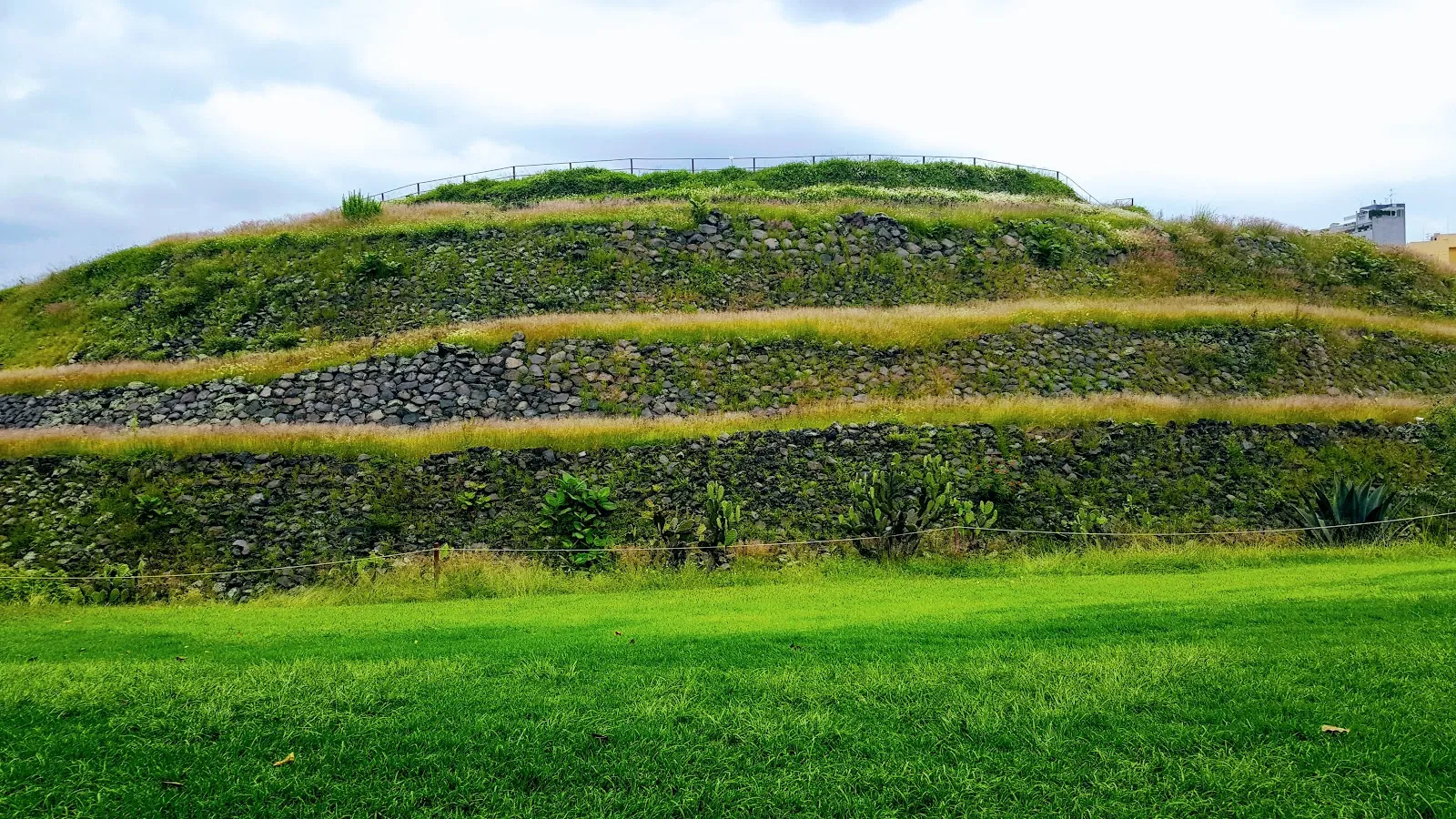
Museo Franz Mayer is a decorative arts museum on Avenida Hidalgo, facing Alameda Park, a short walk from the Palacio de Bellas Artes. It occupies the 16th-century Hospital de San Juan de Dios, a red building with an ornate side door and a colonnaded courtyard. Inside is the collection of the German-born financier Franz Mayer: Talavera ceramics, silver, furniture, textiles, tapestries and lacquerware. Rotating exhibitions, from photography to Japanese pop culture, run alongside the permanent rooms. The courtyard, the café and the terrace with city views give you places to slow down between galleries.
A hospital, a monastery, now a museum
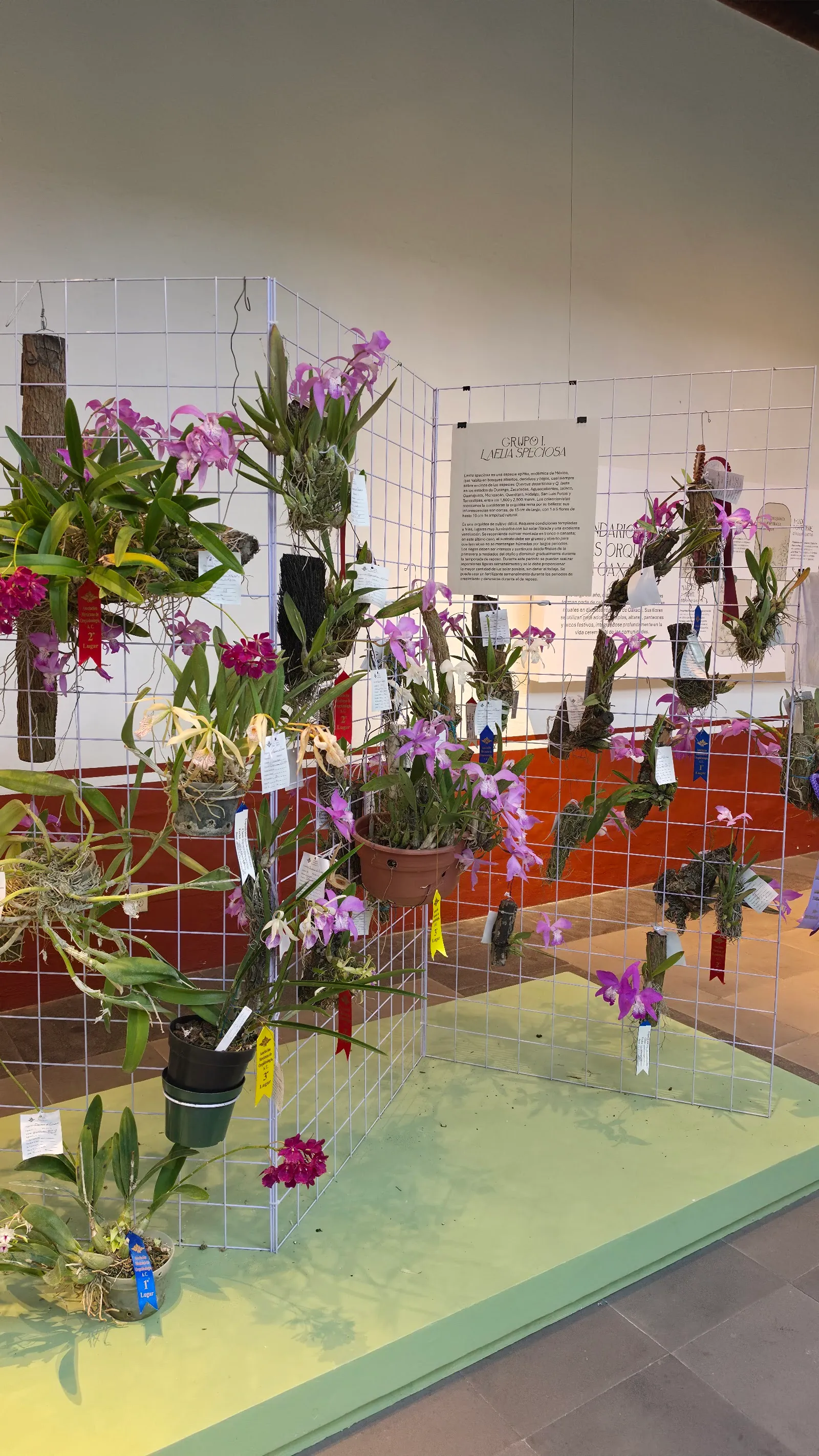
The museum sits in a building more than 500 years old. It was built as the Hospital de San Juan de Dios and later also served as a monastery. Today it is a bright red structure facing Alameda Park, close enough to the Palacio de Bellas Artes that the crowds heading there walk right past it.
Look at the left side of the exterior, where the elaborately ornamented door is the most decorative part of the facade. Inside, the exhibition halls open onto a colonial patio with a double-height colonnade, a fountain, benches and gardens. The museum opened in 1986.
Franz Mayer and his collection
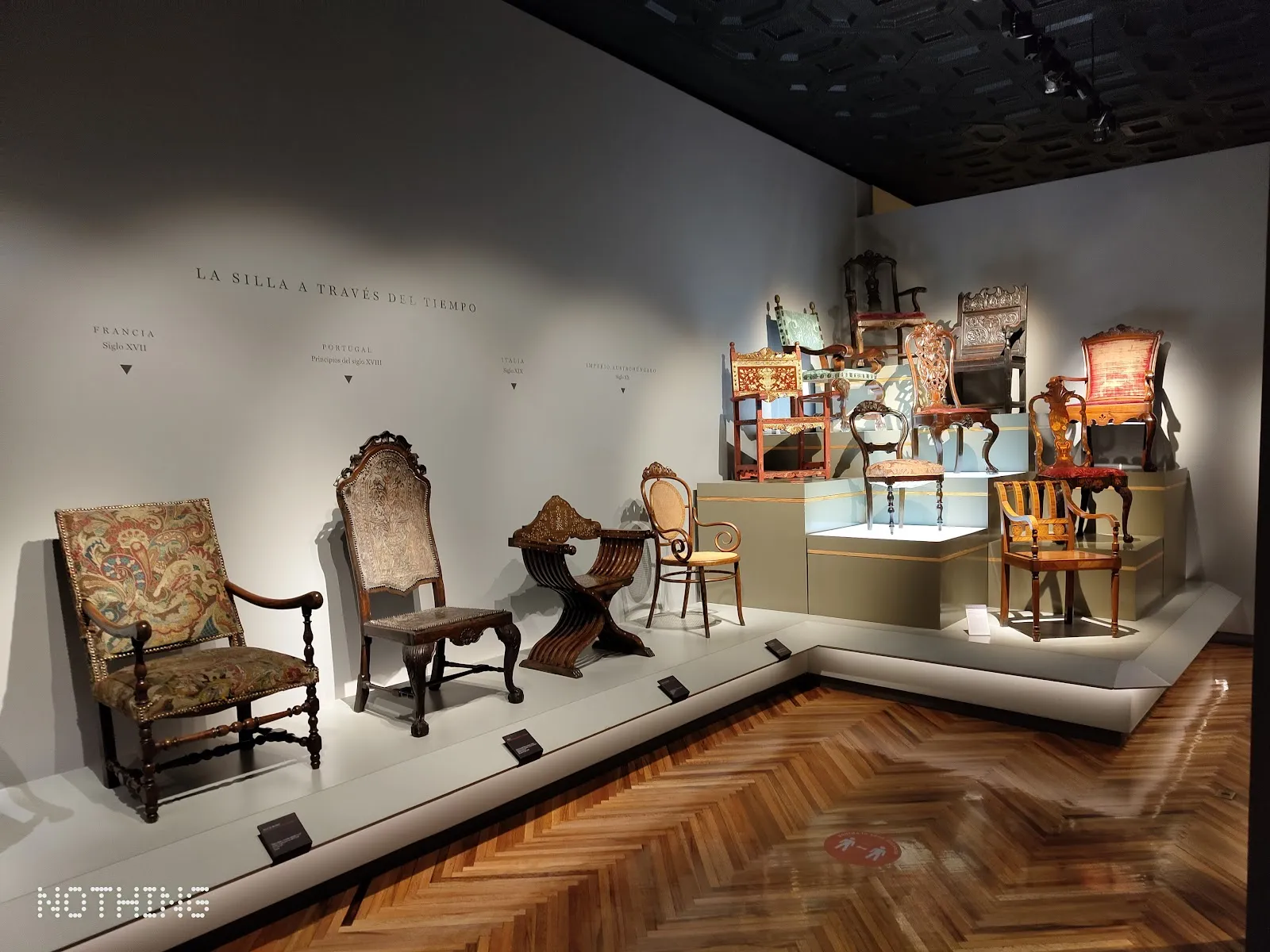
Franz Mayer was born in Germany and emigrated to Mexico in 1905, where he became a prominent stockbroker. Over his lifetime he acquired art, books, furnishings and other decorative objects. Some pieces were new when he bought them, but many were already historical. His collection became the base of the museum and is the largest of its kind in Latin America.
The focus is on decorative arts and design, meaning everyday objects made with care, where usefulness and beauty meet. Most of the works come from Mexico, with others from Europe and Asia.
What is in the permanent rooms
Among the 16th- and 17th-century pieces are wooden chests inlaid with ivory, tortoiseshell and ebony. There are also tapestries, paintings and lacquerware, along with rococo clocks, glassware and architectural ornament. Silver and furniture are well represented.
The museum is known for its Talavera, the blue-and-white ceramics, which make up an unusually large part of the collection, and for its textiles. The collection also includes more than 700 editions of Cervantes's Don Quixote.
Temporary exhibitions, courtyard and terrace
The temporary program runs alongside the permanent rooms and changes often. Past shows have included Steve McCurry's photography, World Press Photo entries, an exhibition on Japan from myths to manga, and Pierre et Gilles, whose images were set beside antiques. A sound installation by Ariel Guzik, based on the noises plants emit, has also been shown. The tone is relaxed, and you can take what interests you without following a set route.
Between rooms, the courtyard has tables where some people sit and craft. The Cloister Café serves snacks and meals, and the terrace looks out over the city. The museum also has a shop, restrooms, a coat check and a paid parking lot with its own entrance.
FAQ
Is there an entry fee at Museo Franz Mayer?
Yes, the museum charges admission, and buying tickets in advance is recommended. Check the museum's website for current prices and any free days.
How do I get to Museo Franz Mayer by metro?
The closest metro station is Bellas Artes on Line 2. The museum is on Avenida Hidalgo, across from Alameda Park.
Is the museum accessible for wheelchair users?
Yes. It has a wheelchair accessible entrance, restroom and parking lot, and there are lifts and ramps in many areas. Staff can help if you need assistance.
Can I park at the museum?
Yes, the museum has a paid parking lot with its own entrance into the building, which is a faster way in if you drive.
Is there somewhere to eat?
Yes. The Cloister Café is in the courtyard, and the museum also has a terrace with city views.