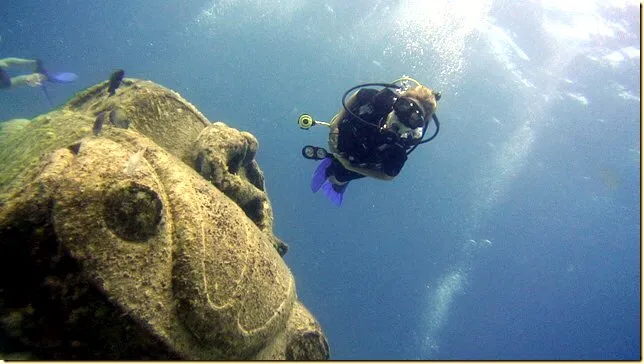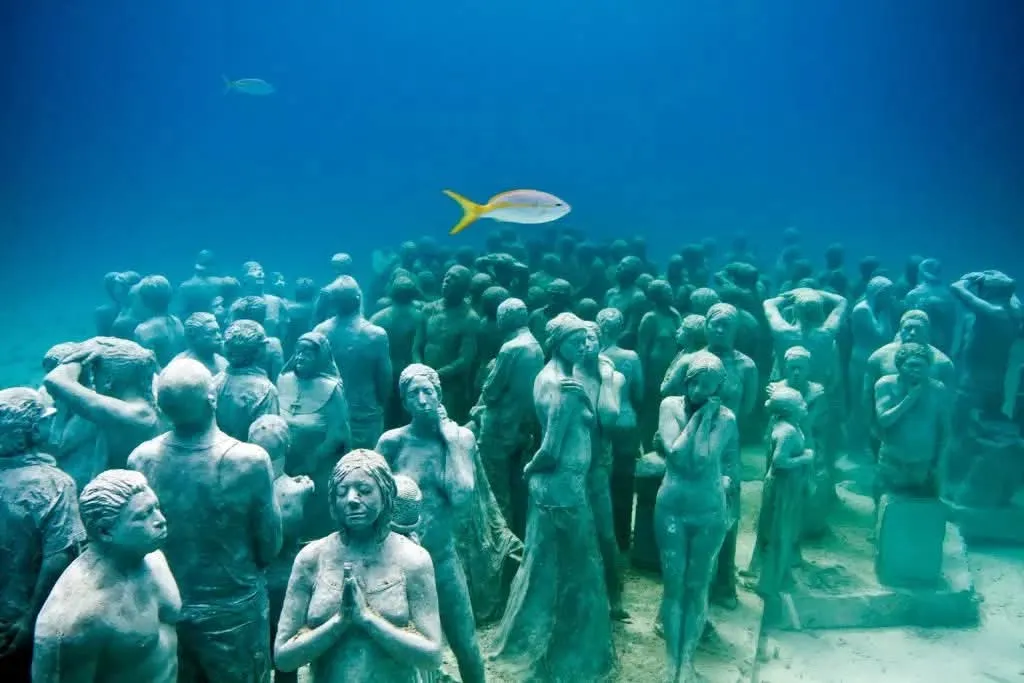
MUSA, the Museo Subacuático de Arte, is an underwater sculpture museum in the waters between Cancún and Isla Mujeres. More than 500 works sit on the seabed, including life-size figures by British sculptor Jason deCaires Taylor and pieces by Mexican artists. You can see the installations by scuba diving, snorkeling or taking a boat with an underwater viewing area. The sculptures were made to encourage coral growth and draw some activity away from nearby reefs. Clear water can make the art easier to see, though marine life varies around the works.
An art museum on the seabed
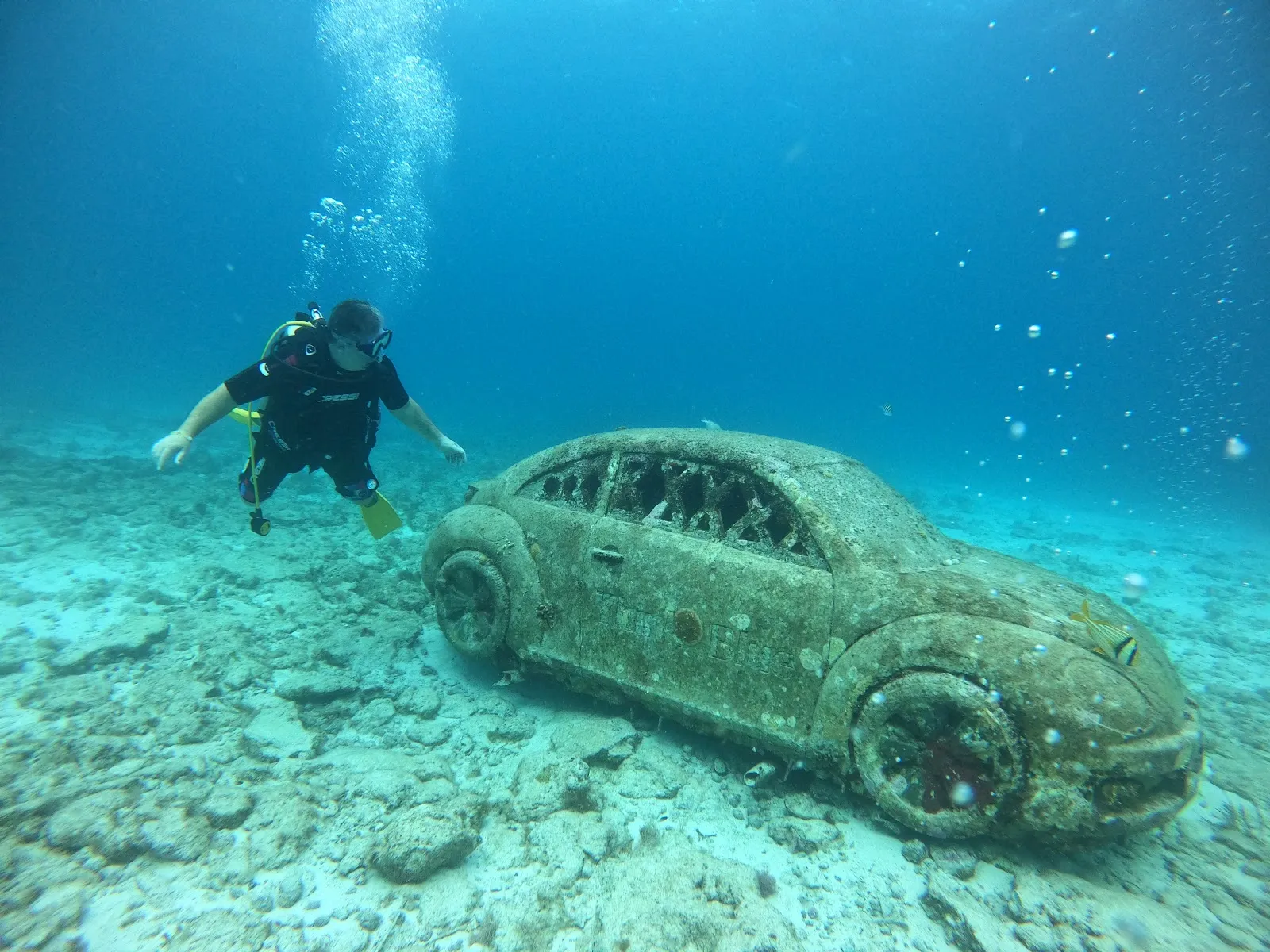
MUSA is short for Museo Subacuático de Arte. Its sculptures are spread across underwater galleries in the waters between Cancún and Isla Mujeres. The collection includes more than 500 works, many by British sculptor Jason deCaires Taylor, alongside works by Mexican artists.
The museum began in 2009 as a project linking art with marine conservation. Its sculptures were placed on the seabed using materials intended to support coral growth. The idea was also to create another destination for divers, helping reduce pressure on nearby natural reefs. Over time, coral and marine life can change the appearance of the works, so the underwater setting is part of the exhibition.
How to see the sculptures
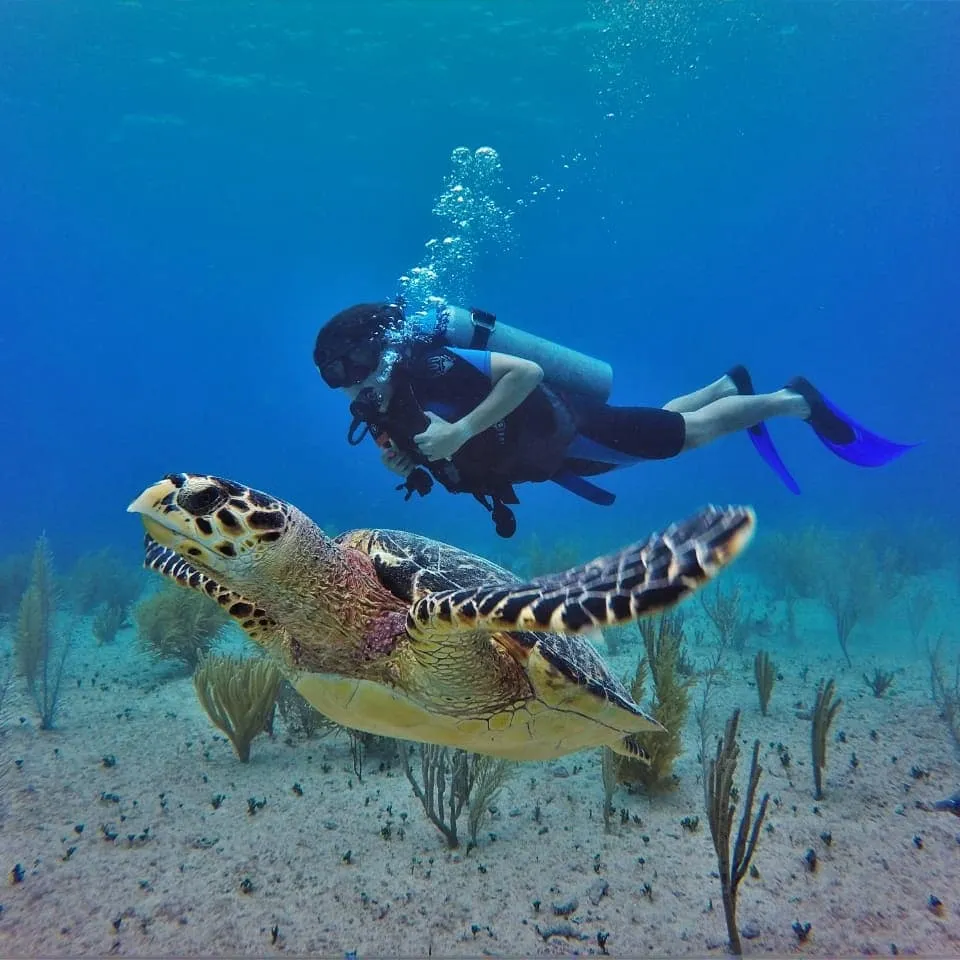
You can visit MUSA by scuba diving, snorkeling or taking a boat with an underwater viewing area. Which option suits you depends on how comfortable you are in the water and how close you want to get to the works. Diving lets you explore the installations underwater; snorkeling gives you a view from the surface. The viewing boat is an option for people who do not want to swim or who are traveling with children who are not comfortable snorkeling.
Tours travel by boat to the activity area, and the boat journey itself takes roughly 25 to 30 minutes on the described viewing trip. That trip takes about two hours in total; adding snorkeling brings the outing to around three and a half hours. The viewing area is below the waterline, and the boat can feel unstable, so people prone to seasickness may prefer another way to visit.
What you may see underwater
The main draw is the contrast between the human-made figures and the surrounding water. Sculptures sit on the seabed, with fish moving around and through them. Sea turtles, rays, octopus and nurse sharks have also been spotted, but sightings are not guaranteed. Marine life can be concentrated around the works, and the nearby natural reef is a separate part of the underwater environment.
Some boat and snorkeling trips combine MUSA with visits to reef areas. The museum has multiple galleries at different depths, so a single visit may not cover every installation. Visibility and conditions affect what you can see. If you want photographs, bring an underwater camera or check in advance whether a tour provides photography and what it costs.
FAQ
How can you visit MUSA?
You can see the sculptures by scuba diving, snorkeling or taking a boat with an underwater viewing area. Tours travel by boat to the museum.
How long does a MUSA visit take?
A viewing-boat trip takes about two hours. A trip that adds snorkeling takes around three and a half hours; diving tours may have a different schedule.
Can you see marine life at MUSA?
Fish live around the sculptures, and sightings have included turtles, rays, octopus and nurse sharks. Wildlife encounters are not guaranteed.
Is MUSA suitable for beginners?
The site has been visited by beginner divers, and snorkeling and boat viewing are alternatives to scuba diving. Choose an activity that matches your comfort in the water.