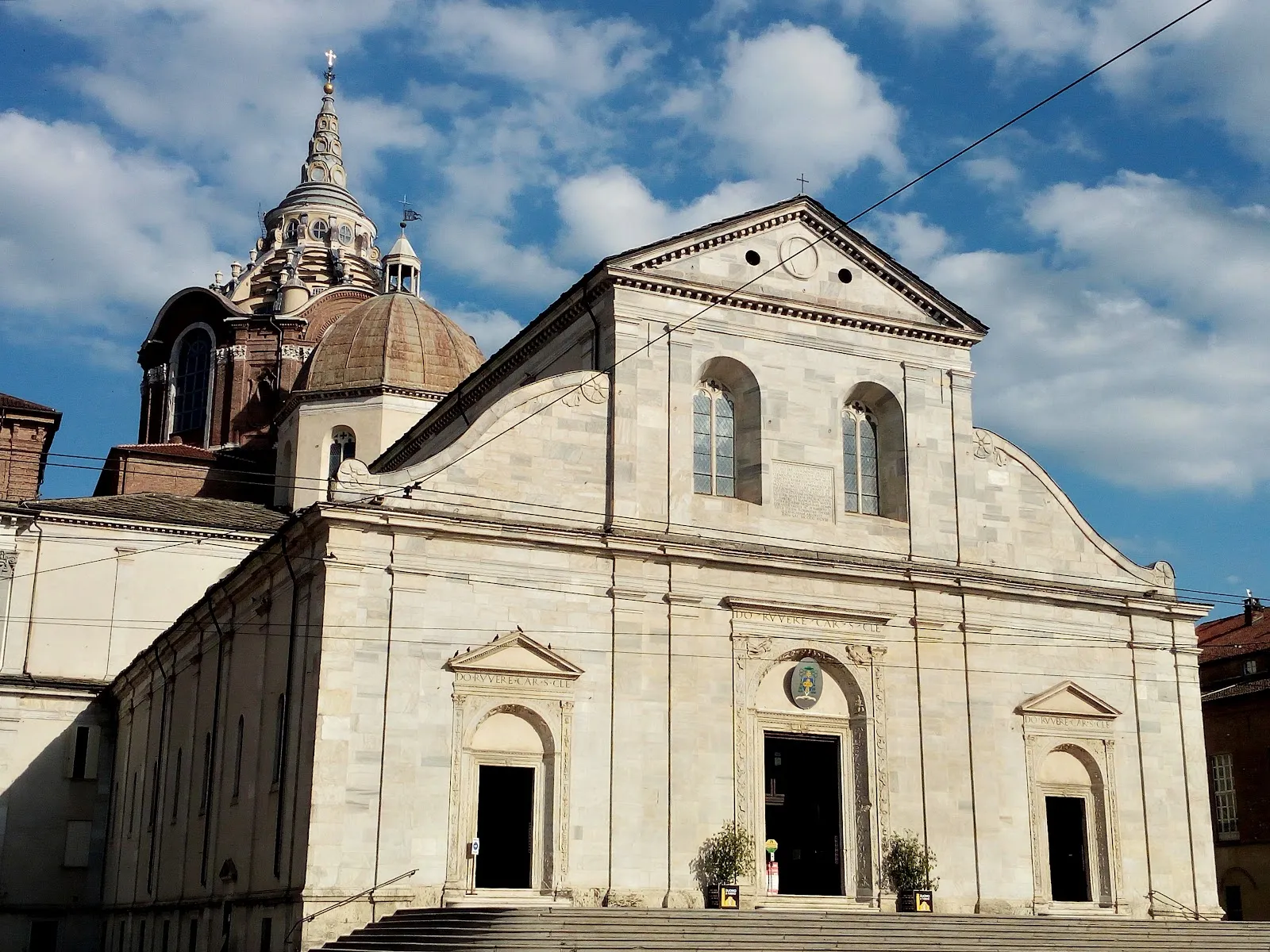
Parco del Valentino is a large riverside park on Turin’s west bank of the Po, with paths for walking, jogging and cycling. Its historic sights include Castello del Valentino, now home to the University of Turin’s Faculty of Architecture, and Borgo Medievale, a recreation of a 15th-century Piedmont village built for an 1884 exhibition. Look for fountains, statues and the Giardino Roccioso, where a sculpture of two leaning lampposts sits on a bench. Bring a picnic, or take a quiet break by the river.
A riverside park with historic sights
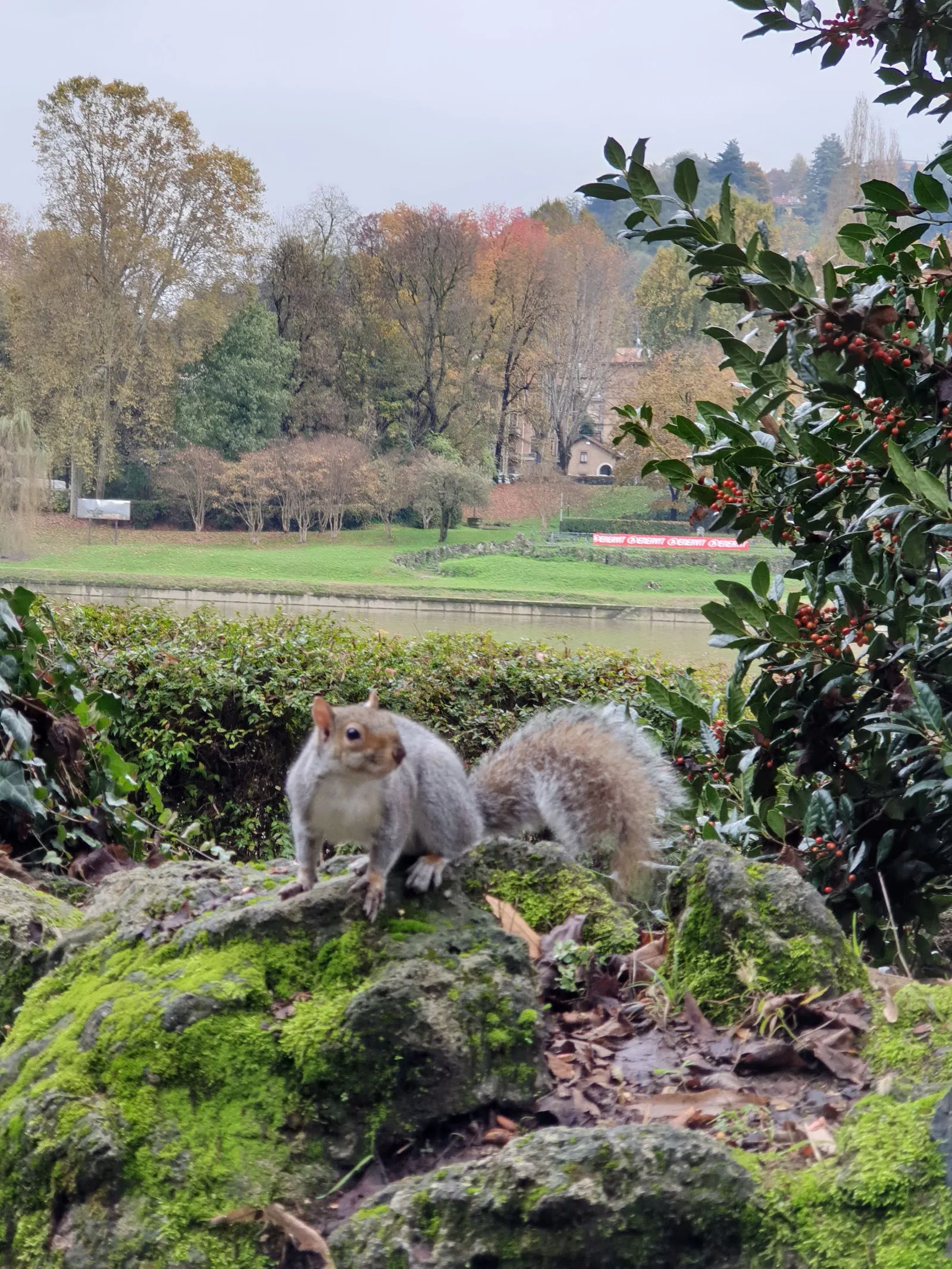
Parco del Valentino follows the west bank of the Po and gives you room to walk, jog, cycle or pause on the grass. Its paths pass through trees and flowerbeds, with views of the river and the grand buildings along its banks. Statues and fountains are scattered through the grounds, so a walk can take you beyond the main route by the water.
The park opened to the public in the 19th century. Its present arrangement took shape after the land and a hunting lodge passed to Maria Cristina of France, wife of Vittorio Amedeo I of Savoy. The park was later landscaped with winding paths and sloping green areas. It is a practical change of pace from Turin’s streets, particularly if you want space for a picnic or an easy walk outdoors.
Castello del Valentino
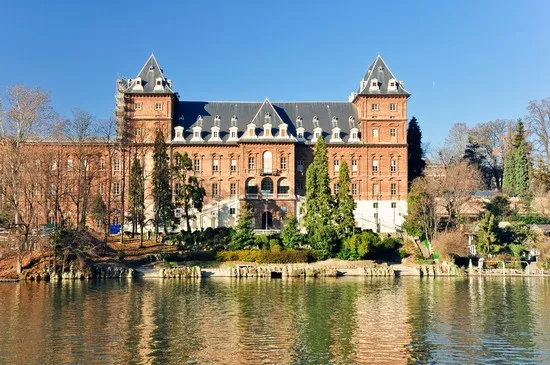
The castle is one of the park’s main landmarks. Its history reaches back to the 16th century, and its later form is associated with French Baroque design. It was a residence of the House of Savoy and is now used by the University of Turin’s Faculty of Architecture. The building is not open to the public, so plan to admire it from the park rather than expect an interior visit.
Paths and lawns around the castle make it easy to take in the architecture from outside. The setting also connects the building to the wider park: you can combine a look at the castle with a riverside walk, the gardens and Borgo Medievale without needing to plan separate stops across the city.
Borgo Medievale and the gardens
Borgo Medievale is a recreated village inside the park, made for Turin’s General Italian Exhibition in 1884. Its buildings draw on medieval architecture from Piedmont and the Aosta Valley, and the Rocca, a reduced-scale castle, forms its centrepiece. The village is a distinctive stop for anyone interested in historic building styles, though it is a 19th-century reconstruction rather than a surviving medieval settlement.
The park also contains a botanical garden and the Giardino Roccioso, or Rock Garden. In the latter, look for a sculpture of two lampposts sitting close together on a bench. The Fontana dei 12 Mesi, with allegorical marble figures, is another notable feature. Together, these spots give a walk through the park more to see than the river and lawns alone.
Planning a walk
You can visit at any hour, and the park works for a short riverside break or a longer outing that takes in its landmarks. Paths suit walking, running and cycling; open areas are used for picnics, and dogs are allowed. Families can also make use of the playgrounds. Public restrooms are available.
Food choices within the park are limited, so bring something to eat if you are planning to stay for a picnic. L’Imbarchino has been affected by renovation work, so check whether it has reopened before building your plans around a stop there. For a run, early morning and sunset are suggested times to use the riverside paths.
FAQ
Can you visit Castello del Valentino inside?
The castle houses the University of Turin’s Faculty of Architecture and is not open to the public. You can view it from the park.
Is Parco del Valentino open at night?
The park is listed as open 24 hours a day, every day.
Are dogs allowed in Parco del Valentino?
Yes. Dogs are allowed in the park.
What is Borgo Medievale?
It is a reconstructed village drawing on medieval architecture from Piedmont and the Aosta Valley. It was built for Turin’s 1884 General Italian Exhibition.