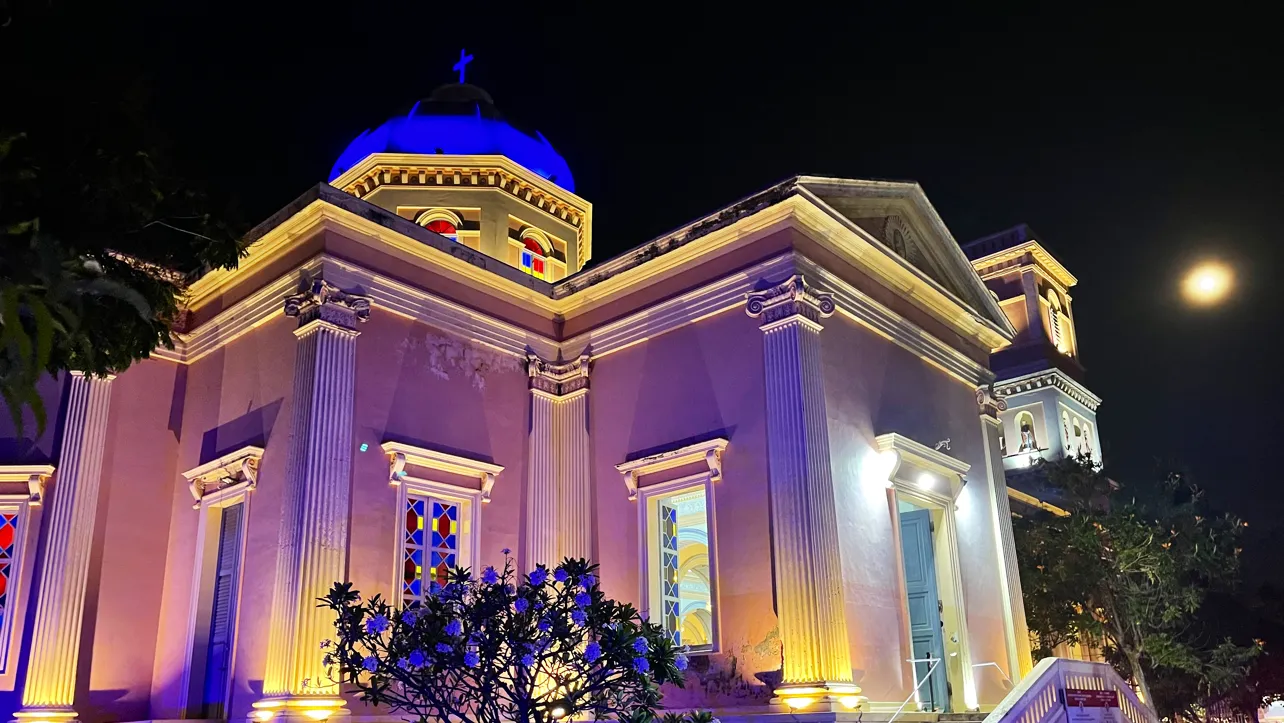
Sri Aurobindo Ashram stands on Marine Street in Puducherry's White Town, a short walk from the Manakula Vinayagar Temple. Sri Aurobindo and The Mother founded the community in 1926, and their samadhi, a white marble shrine in a flower-filled courtyard, is the centre of the visit. Come for the quiet, the courtyard, the samadhi and the library. Visits follow strict rules on silence and phones, and photography is generally not allowed inside the main premises.
How the ashram began
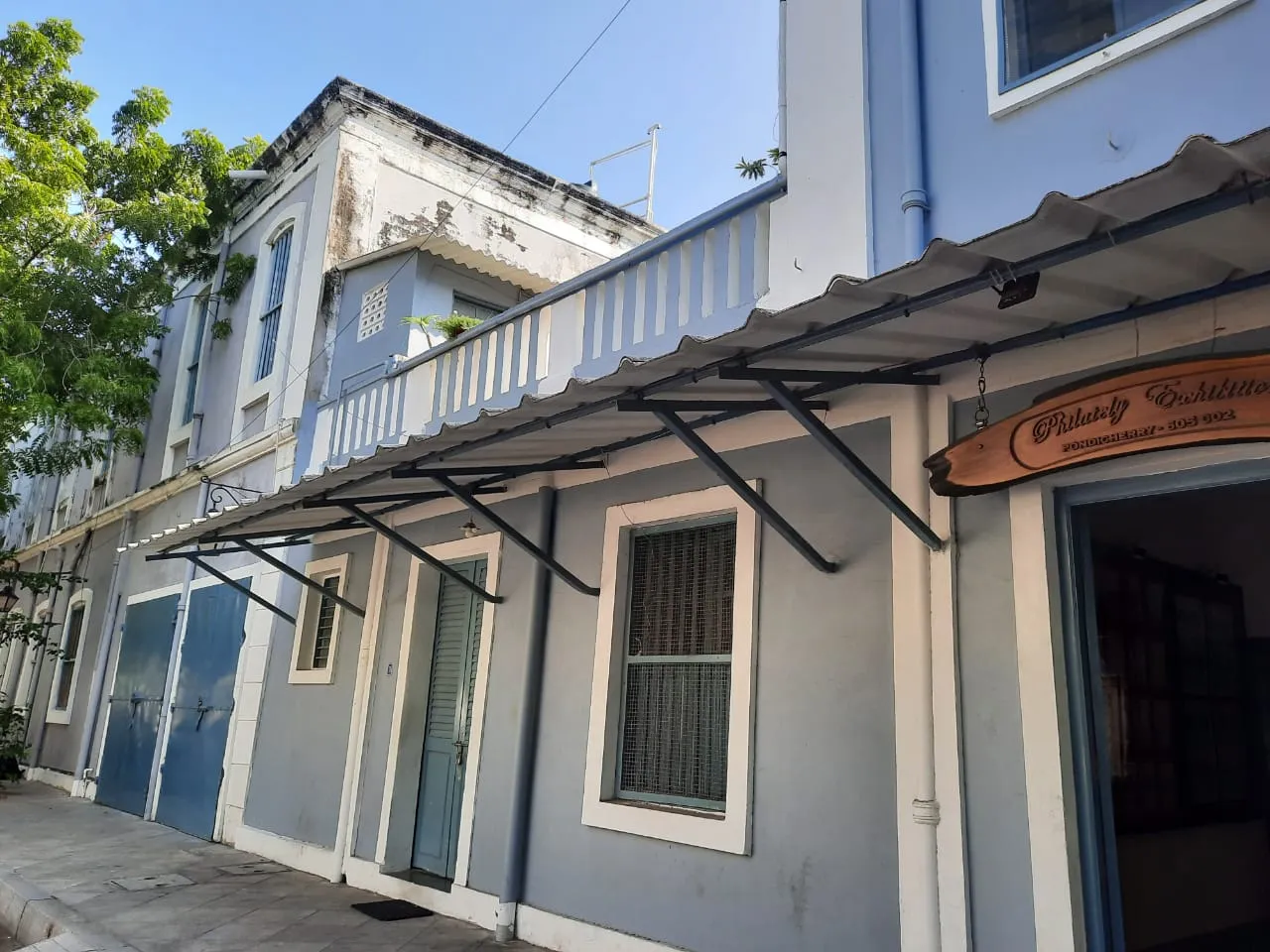
Sri Aurobindo, a philosopher, poet and former freedom fighter, settled in Pondicherry in 1910 after leaving politics. A small group of followers gathered around him, and their spiritual ties grew over the following years.
When the Mother, a French woman named Mirra Alfassa, returned to Pondicherry on 24 April 1920, the number of disciples rose quickly. As the community took shape, the task of organizing it fell to her. The ashram was founded in 1926. After Sri Aurobindo died in 1950, The Mother continued to look after the ashram.
In 1954, when the French left their last colony in India, they gave most of their administrative buildings to the ashram instead of the Indian government.
Integral Yoga in daily life
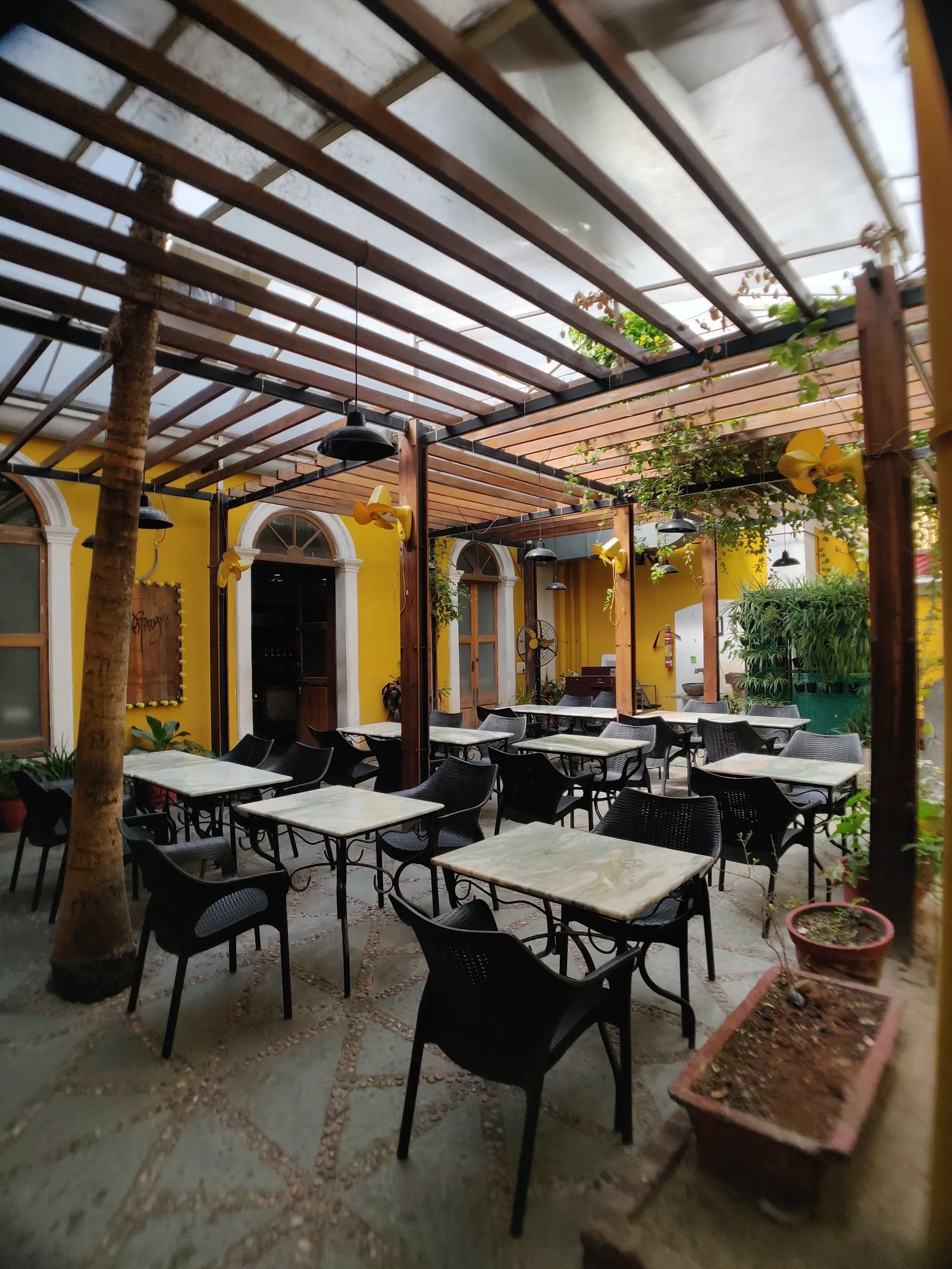
The ashram practises Integral Yoga, a system that aims to bring physical, emotional, mental and spiritual life into one whole. Members combine work, study, physical activity and meditation.
The community runs farms, gardens and small industries, and members take part in art and crafts. The ashram also has a handmade paper unit, where visitors can try paper-making. The Sri Aurobindo International Centre of Education is among the institutions linked to the ashram.
The samadhi and the courtyard
The samadhi is a white marble shrine at the centre of a courtyard shaded by trees and covered with flowers. Two chambers inside hold the physical remains of Sri Aurobindo and The Mother.
Devotees and visitors sit quietly here, pay their respects and meditate. A large frangipani tree grows in the courtyard. A few minutes of quiet sitting is enough to feel the stillness of the place.
Library, bookshop and memorabilia
The library holds about 80,000 books in 25 languages, with a focus on the teachings of the two founders, yoga and philosophy. The collection includes photographs and personal items connected to Sri Aurobindo and The Mother, some of which are on display.
The bookshop sells spiritual literature and handicrafts, along with incense and scented candles. Allow more time here than for the courtyard, because the library and bookshop hold a large collection.
What a visit involves
The ashram suits a slower visit than a sightseeing circuit. It is not built around quick photos. Plan to spend your time in the courtyard, at the samadhi and in the library, moving quietly between them.
Getting there
The ashram is on Marine Street in White Town. Four-wheeled vehicles are not allowed on this street, so people walk or cycle along it, which keeps the lanes quieter.
The Manakula Vinayagar Temple is a short walk away, roughly 100 metres from the ashram's main building. Auroville is a short drive away. The site has a free parking lot.
FAQ
Is there an entry fee?
Entry is free. Getting tickets in advance is recommended, so check the website before you go.
How long do you need?
A short sit in the courtyard takes only a few minutes. Allow more time for the library and bookshop, which hold a large collection.
Can you take photos inside?
Photography is generally prohibited inside the main premises, so keep your camera put away during your visit.
Are children allowed?
Children are generally not allowed inside, so plan accordingly if you are travelling with them.
Is the ashram wheelchair accessible?
The entrance, the restroom and the parking lot are wheelchair accessible.