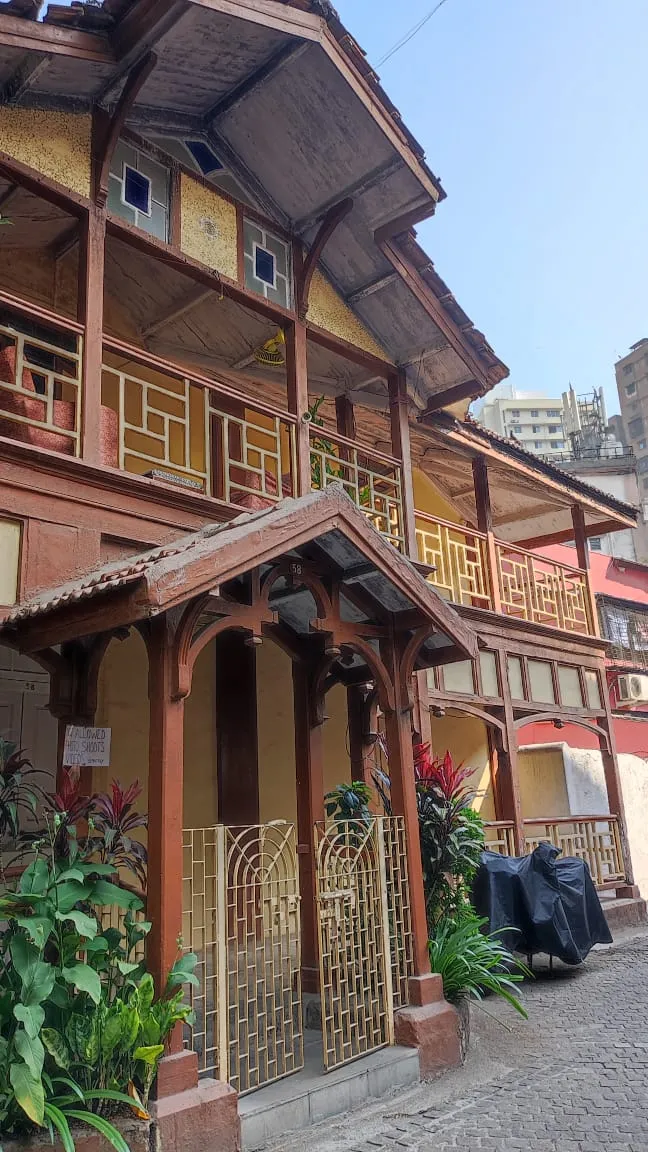
Sanjay Gandhi National Park is a protected forest in northern Mumbai, near Borivali, and was formerly called Borivali National Park. Its best-known sight is the Kanheri Caves, a group of Buddhist rock-cut chambers deep inside the forest. Around them are shaded walking and cycling routes, a lion and tiger safari, a narrow-gauge train and a lake for boating. Spotted deer, macaques, birds and butterflies are common, while leopards live here but are rarely seen. The park is greenest in the monsoon. Allow most of a day and carry cash.
The Kanheri Caves
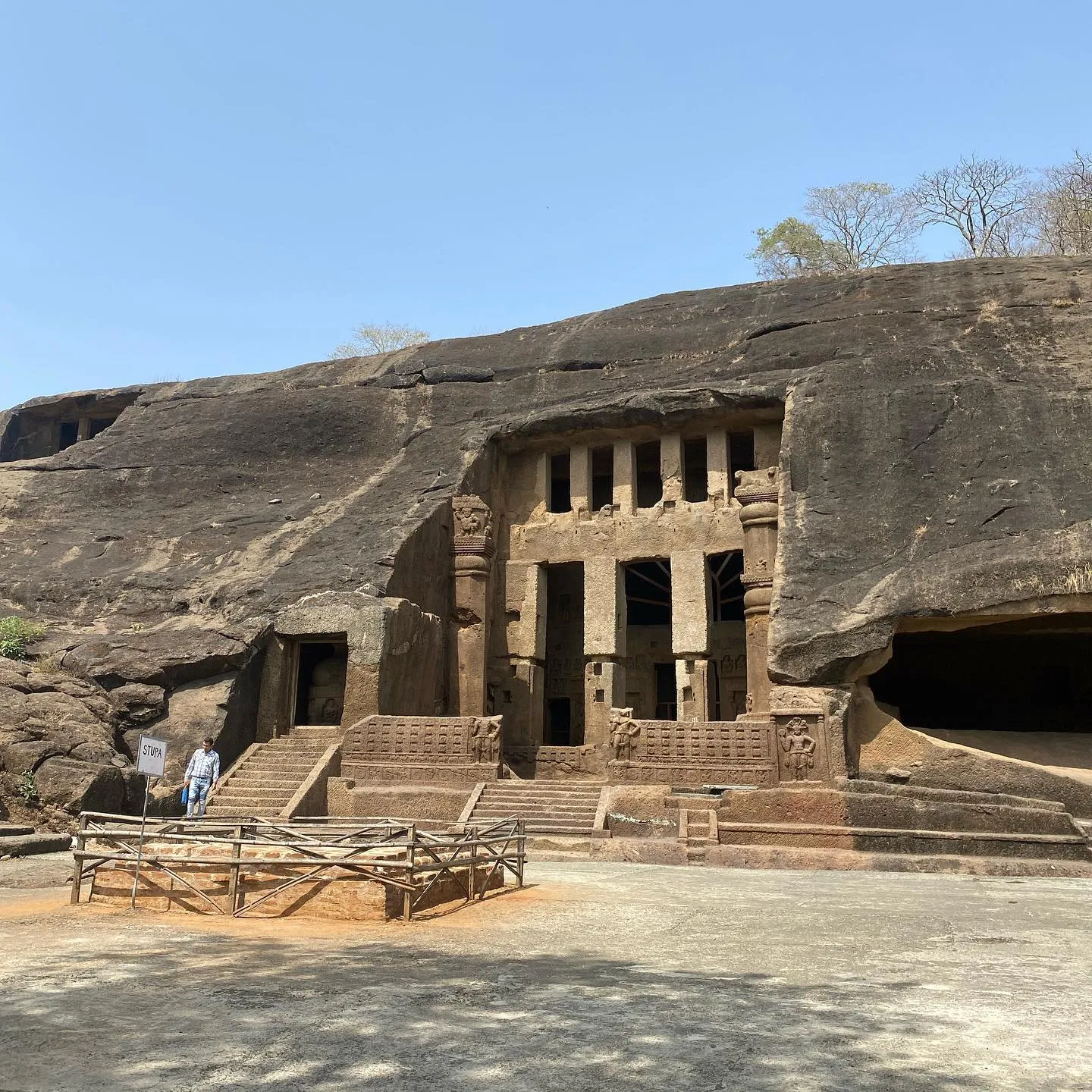
The caves are the main historical reason to come. Kanheri is a group of about 109 rock-cut Buddhist caves, cut into a large basalt outcrop in the forest. The name comes from the Sanskrit Krishnagiri, meaning black mountain, a reference to the dark rock. Monks carved the chambers, halls and Buddha figures over roughly a thousand years, from the 1st century BCE to the 10th century CE, and the site was an important centre of Buddhist learning and worship.
The caves lie about 6 km inside the forest. Entry costs ₹25 and is paid on top of the park's main ticket. The walk between the gate and the caves is 6 to 8 km. If you prefer not to walk it all, the park bus runs to the base of the caves and costs around ₹100 per person one way. There is a fair amount of walking at the site itself, so wear comfortable shoes. Morning is a good time to go, when the forest is quiet.
Getting around inside the park
The park sits in Borivali, about 35 km from Chhatrapati Shivaji Terminus. A cab from Bandra takes around 45 minutes. Once inside, you can rent a bicycle, join the bus, or walk. The forest roads and paths are cycle-friendly, and cycling toward Kanheri is a popular way to see the park.
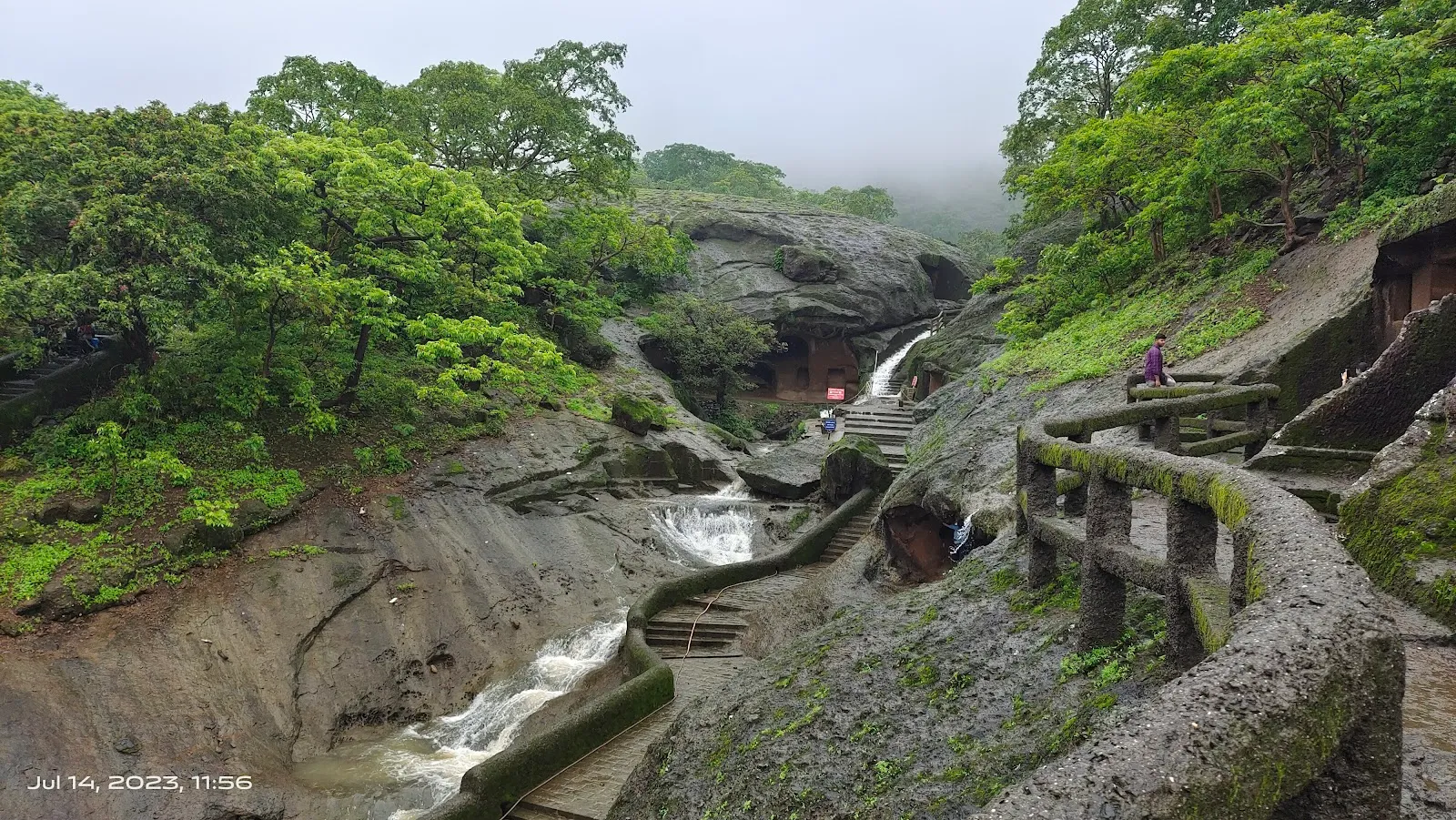
Trails give you more variety. The Shilonda Trail is about 2 km long and is the most popular of the park's five hikes. It runs through dense forest and crosses a stream that runs hard in the monsoon. A longer route climbs to Jambhulmal, the highest point in Mumbai, which has good views.
Food stalls operate inside the park, and refill points for drinking water are placed at short distances along the way. A gift shop at the exit gate sells books on the park's biodiversity, trekking gear, literature on Maharashtra's tribes, organic food and forest fruit.
Wildlife, birds and the forest
The park covers roughly a fifth of Mumbai's area and shares most of its boundary with the city. It holds more than 250 bird species, over 150 butterfly species and well over a thousand plant species. Mammals include spotted deer, macaques, flying foxes and leopards. Crocodiles, pythons and cobras are also found here. Leopards are present but shy, and sightings are a matter of luck.
Birdwatchers can look for Malabar pied hornbills, jungle owlets and peacocks. The Warli community, an Indigenous group, lives within the park.
The forest looks its best in the monsoon, when small waterfalls, ponds and streams appear beside the paths. Overnight camping is possible in designated areas, and the park's official website has details. A night in the park gives a better chance of seeing wildlife once the day crowds have gone.
Safari, toy train and boating
The lion and tiger safari runs in a covered bus with air conditioning. The big cats are kept in a fenced area, so it is a short drive past them and not a wild safari. Young children tend to enjoy it, and the animals can come close to the windows. The tiger safari reopened in January 2024 after being closed since 2016, over an area of about 20 hectares. A leopard safari was still being planned at that time.
On busy days, getting onto the safari bus can take 1.5 to 2 hours, so arrive early. The narrow-gauge Vanrani toy train runs through the park's green canopy and suits families who want a seat in the shade. The lake offers paddle boating, though the lake visit is sometimes closed. Tickets for the train, boating and safari can be booked on the park's official website, and online tickets must be verified at the counter. The train and safari need a minimum number of participants to run.
Temples and conduct in the park
Two temples stand inside the park: the Trimurti Digambar Jain temple and the Mahadeo Shiva temple. Dress modestly and behave quietly at both.
The park is a conserved forest and not a picnic ground. Visitors are asked not to litter, to keep noise down and not to feed the animals. Monkeys will grab phones and glasses, so keep them secured.
FAQ
Is there a separate fee for the Kanheri Caves?
Yes. Entry to the caves costs ₹25 and is paid in addition to the park's main entry ticket. Parking, the bus and boating are also charged separately.
How far are the Kanheri Caves from the park entrance?
The caves are about 6 to 8 km from the gate. You can walk or cycle, or take the park bus, which costs around ₹100 per person one way and stops near the base of the caves.
How long do you need at Sanjay Gandhi National Park?
Plan on most of a day. The caves, a trail, the safari and the toy train each take time, and the safari queue can be long on busy days.
Can you camp in the park?
Yes, overnight camping is possible in designated areas. The park's official website has the details.
Is the park good for children?
Yes. The toy train, the covered-bus lion and tiger safari, boating and cycling are all family activities. The safari is short, which suits very young children.