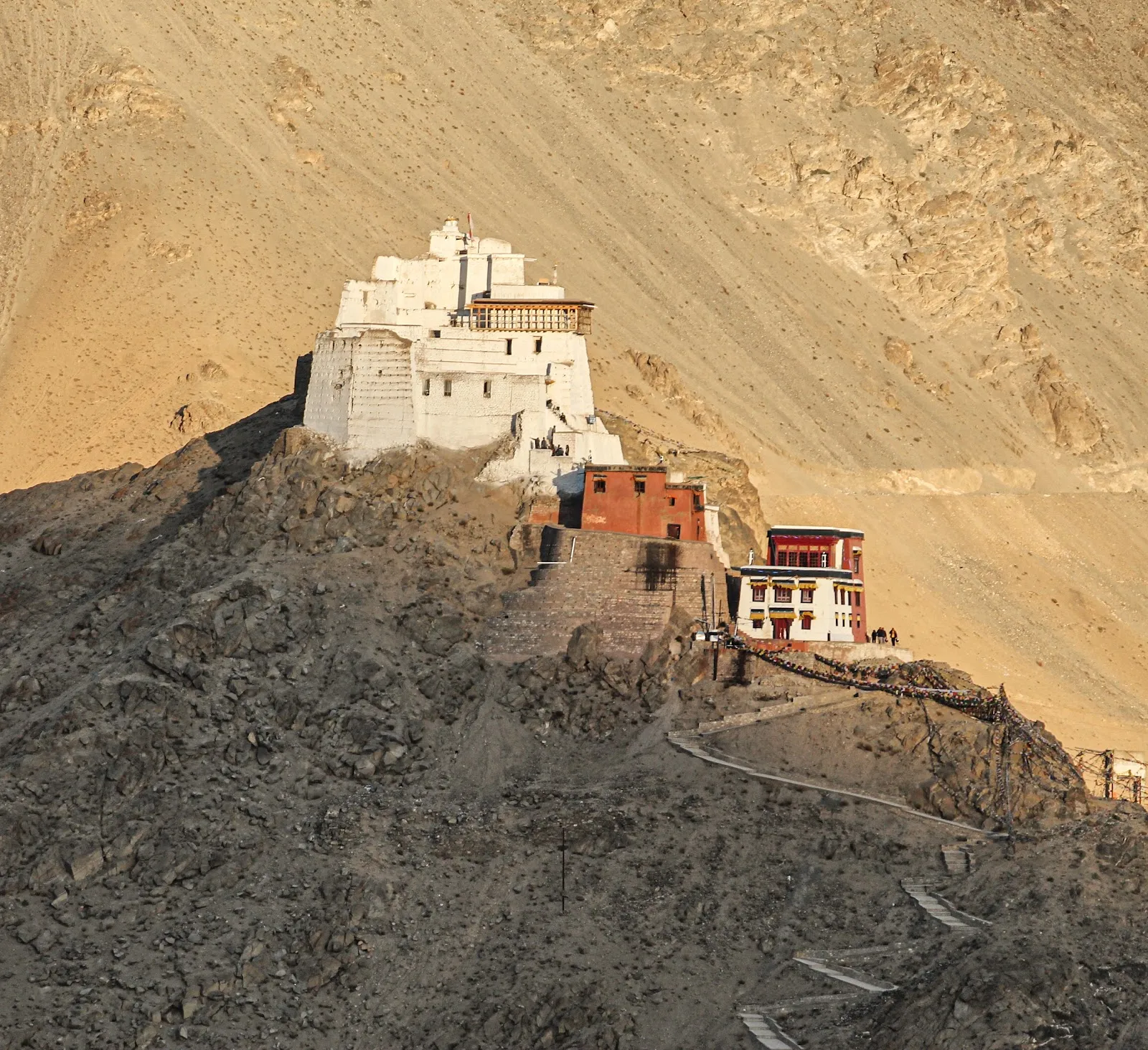
Leh Palace is the nine-storey former royal residence that rises above Leh's old town and main market. King Sengge Namgyal had it built in the 17th century, and its design takes cues from the Potala Palace in Lhasa. The climb rewards you with a view across Leh, the Stok Kangri range and the Zanskar mountains. Inside, a small museum holds royal artefacts, paintings and Buddha relics. Plan the visit for late afternoon, when the town lights up below the peaks.
Who built it and why it is largely empty
King Sengge Namgyal built the palace in the 17th century, and it was home to his family. Its nine storeys made it one of the tallest buildings of its time.
The royal family stayed until the mid-19th century, when Dogra forces invaded Ladakh. The family moved to Stok Palace, and Leh Palace was left largely unoccupied. The Archaeological Survey of India now manages the site and has carried out restoration work.
Architecture and building materials
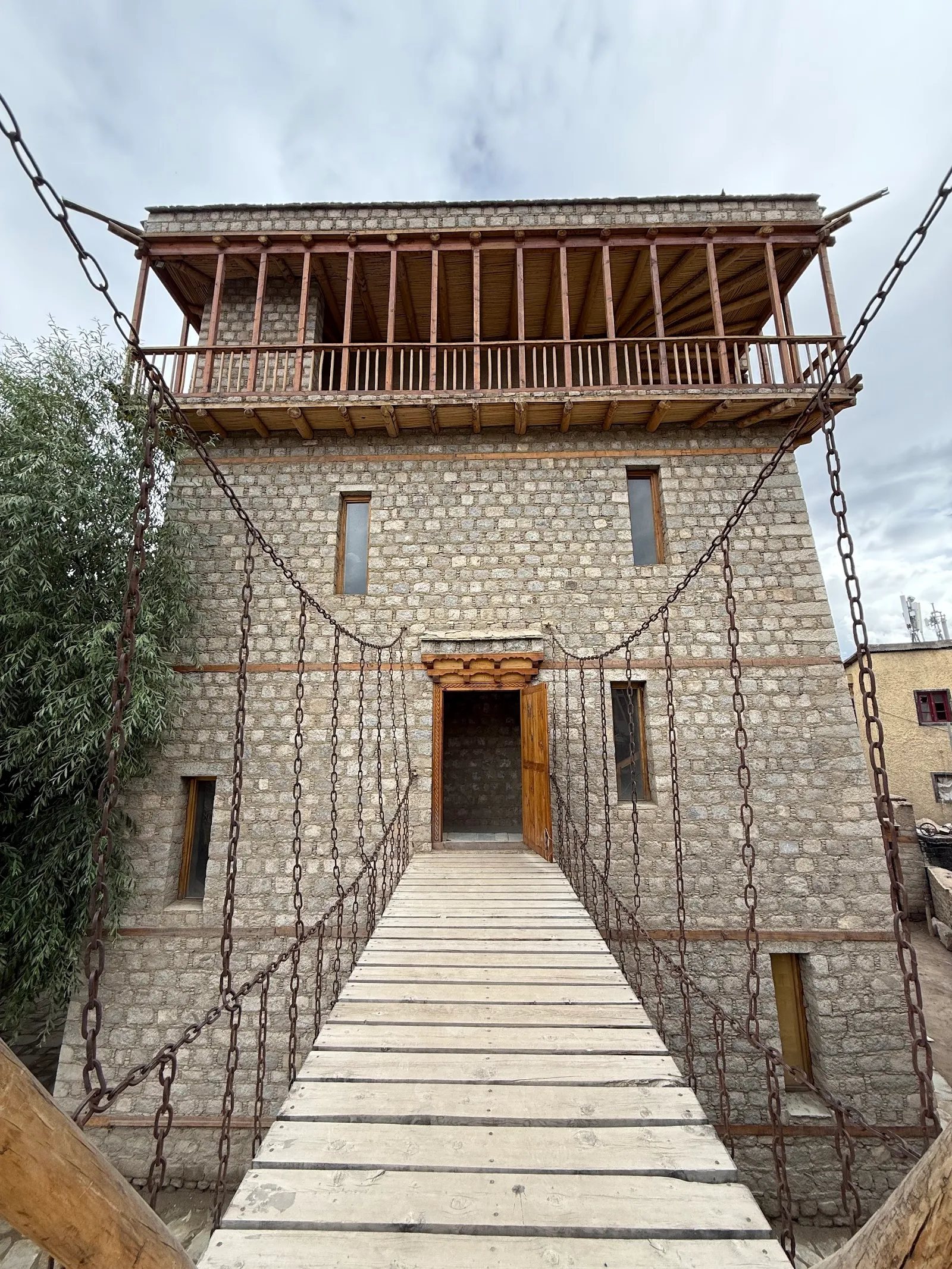
The palace resembles the Potala Palace in Lhasa, Tibet, and reflects medieval Tibetan building style. Its walls are made of stone, mud and sand, with wooden beams and balconies. The dun colour of the walls blends into the hillside.
The thick walls and small windows follow traditional Ladakhi building methods, which help keep the rooms protected from the cold. The palace stands on Namgyal Hill, also called Tsemo Hill, and the Namgyal Tsemo Monastery sits on the same ridge.
Inside the palace
The interior is dark and winding, with narrow passages and small rooms. The lower floors held storerooms and stables, while the upper floors were residential.
The museum displays photographs, paintings, artefacts, royal ornaments and thangka paintings. Some rooms hold photo exhibitions, and there is a small prayer room. An audio-visual room explains the history of the palace. Lighting is low in some sections, and not every area is kept to the same standard, so the rooftop is the main reason to climb.
The rooftop and the view
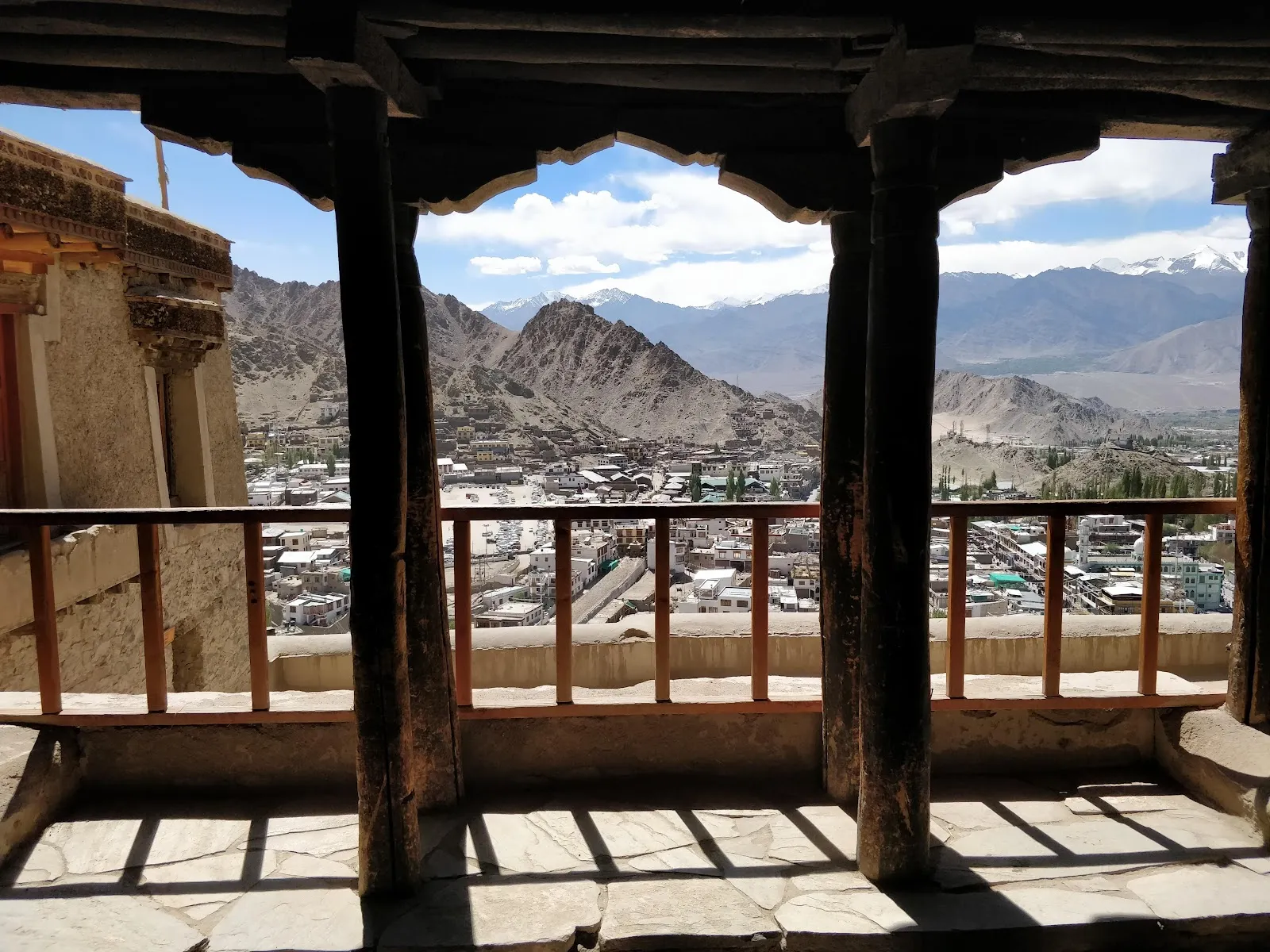
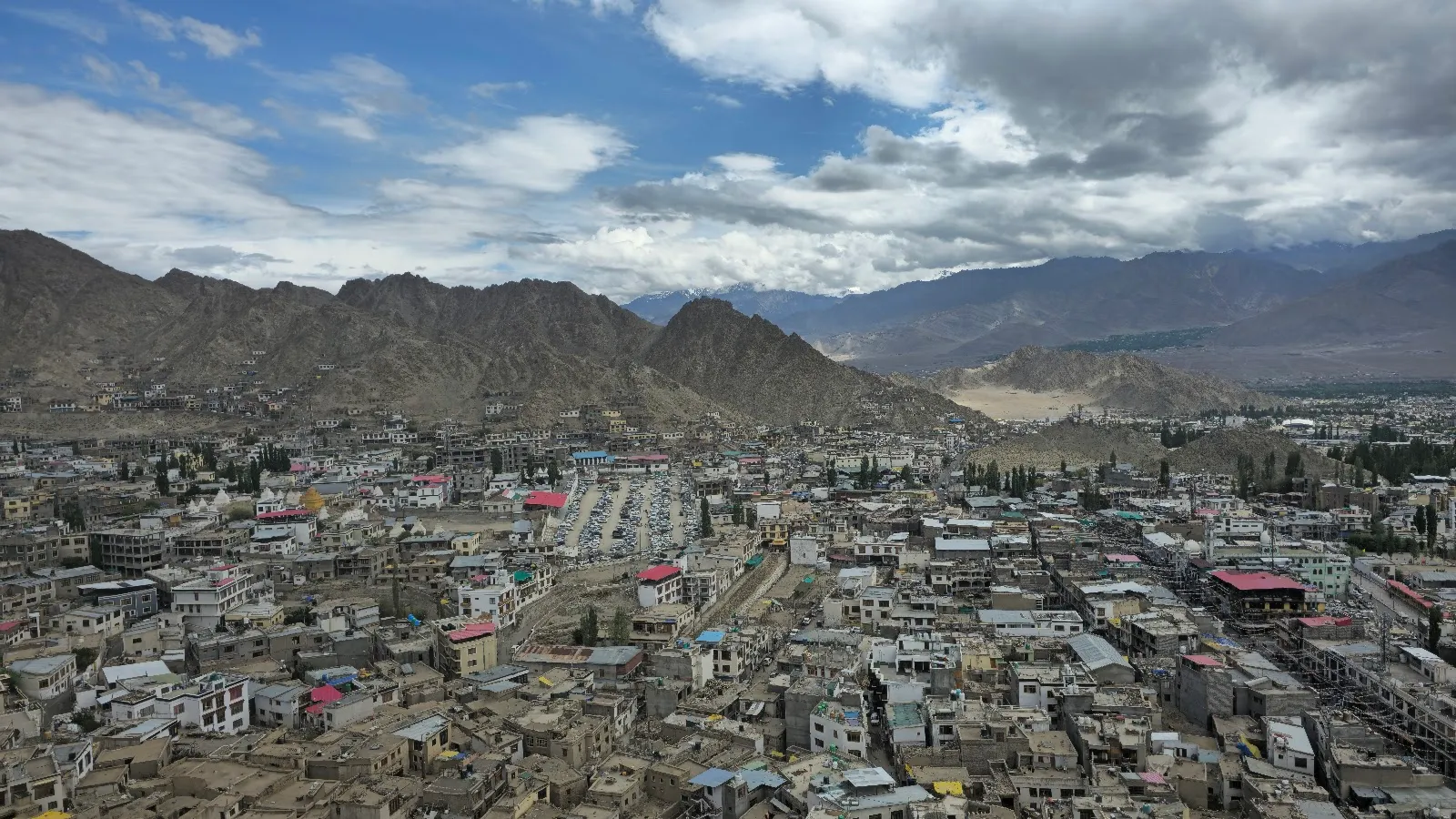
The roof and balconies give the best views. From here you see Leh town below, the Stok Kangri range, the Zanskar mountains and Shanti Stupa. Tsemo Fort sits above the palace.
The evening light softens the colours of the landscape and suits photography. If you have only one evening in Leh, you can split it between this palace and Shanti Stupa, which also has sunset views.
Getting there and the climb
The palace is a short walk from Leh's main market, so it can be combined with other sights in the town. The approach is a steep, dusty path with stairs.
Go slowly, carry water and wear sturdy shoes. The altitude makes the climb harder than it looks, so rest at the balconies before going on to the roof.
FAQ
What is the entry fee for Leh Palace?
Entry has been Rs 25 per person. Check the current price at the site before you go, as fees can change.
Do I need to buy tickets in advance?
Buying tickets in advance is recommended for this place. Carry some cash as well.
Is Leh Palace wheelchair accessible?
The entrance is wheelchair accessible. The upper floors and roof are reached by steep, dusty paths and stairs, which can be hard going at high altitude.
When is the best time to visit Leh Palace?
Late afternoon into sunset is the best time. The light over Leh town and the surrounding mountains is at its softest then.