Melidoni Cave, also called Gerontospilios, is near the village of Melidoni, about 30 km east of Rethymno. Inside, lit stalactites and stalagmites fill a large chamber, while archaeological finds link the cave to Minoan worship; some finds are now in the Archaeological Museum of Rethymno. The cave also marks a painful chapter in Crete’s history: in 1824, about 300 villagers took refuge here during an uprising against Ottoman rule. Steep steps lead to the entrance. A chapel and ossuary inside invite a quiet visit.
A cave with archaeological significance
Melidoni Cave is near the village of Melidoni, about 30 km east of Rethymno. It is also known as Gerontospilios, or the Old Cave. The cave sits at an altitude of about 220 metres, and archaeological finds have made it an important site. Some discoveries from the cave are exhibited at the Archaeological Museum of Rethymno.
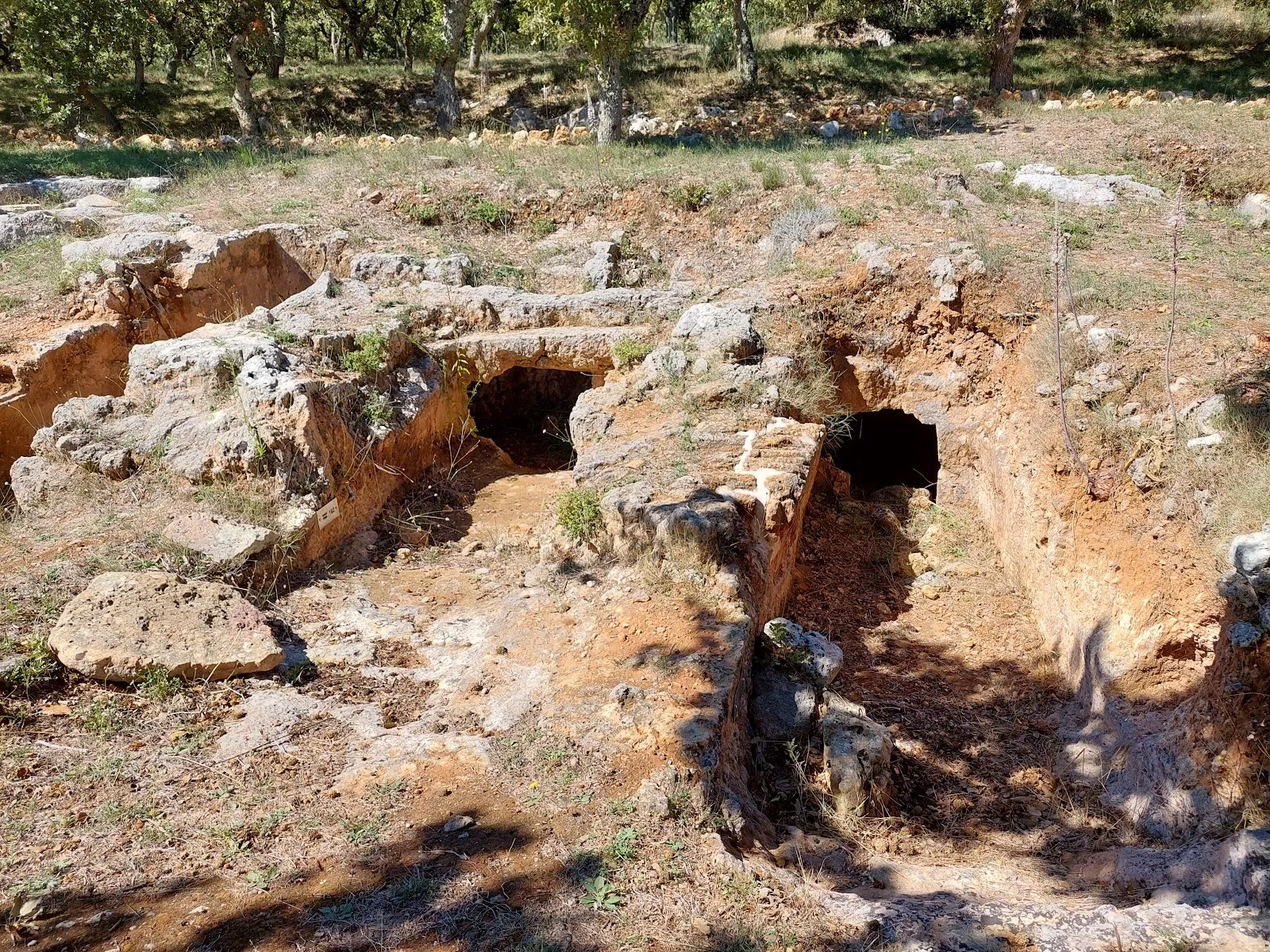
The cave is associated with Minoan worship during the Bronze Age. In Cretan mythology, the giant Talos was charged with protecting the island. These archaeological and mythological connections give the cave a history that reaches back well before its later role in the island’s uprisings.
The refuge of 1824
Melidoni Cave is also a place of remembrance. In 1824, during an uprising against Ottoman rule, about 300 villagers took refuge inside. After attempts to persuade them to leave failed, Ottoman forces blocked the entrance, cutting off the air supply. The cave’s history is therefore inseparable from the lives lost in this episode of Crete’s past.
A chapel and ossuary inside the cave mark its memorial character. Approach these spaces quietly and give them the same respect you would show at any place of remembrance.
What to expect inside
The cave’s large chamber is lined with stalactites and stalagmites, illuminated so visitors can see the formations. Archaeological objects are also part of the cave’s story, though some of the finds are held at the museum in Rethymno.
Steep steps lead down to the entrance, so the approach may not suit visitors with limited mobility. Take time to notice the rock formations and the cave’s memorial spaces rather than treating the visit as only a walk through a natural attraction. Views of the surrounding landscape are also available from the parking area.
Planning your visit
Melidoni Cave opens early, and an early visit is one option for a quieter experience. Access may be limited without an excursion early in the season, so consider travelling by car. A small cafeteria is on site, with views over the surrounding scenery.
The cave is near Melidoni village and about 30 km east of Rethymno. Its steep approach and historical significance are both important to factor into your plans: wear footwear suited to steps, and allow yourself time to visit the memorial spaces with care.
FAQ
Where is Melidoni Cave?
It is near the village of Melidoni, about 30 km east of Rethymno, Crete.
Why is Melidoni Cave historically important?
The cave is linked to Minoan worship and archaeological finds. In 1824, about 300 villagers took refuge here during an uprising against Ottoman rule.
Are there steps at Melidoni Cave?
Yes. Steep steps lead to the entrance, which may be difficult for visitors with limited mobility.
What can you see inside Melidoni Cave?
The cave has illuminated stalactites and stalagmites, along with a chapel and an ossuary. Some archaeological finds from the cave are displayed at the Archaeological Museum of Rethymno.