
Château d’If is a 16th-century fortress on a small island off Marseille, reached by boat from the Old Port. Built to defend the harbour, it later became a prison and gained worldwide fame as the setting for Alexandre Dumas’s The Count of Monte Cristo. Inside, you can explore the cells, see prisoners’ graffiti and find the room associated with the fictional Edmond Dantès. Climb to the upper levels for views across Marseille, the harbour and the surrounding islands.
A fortress on the harbour approach
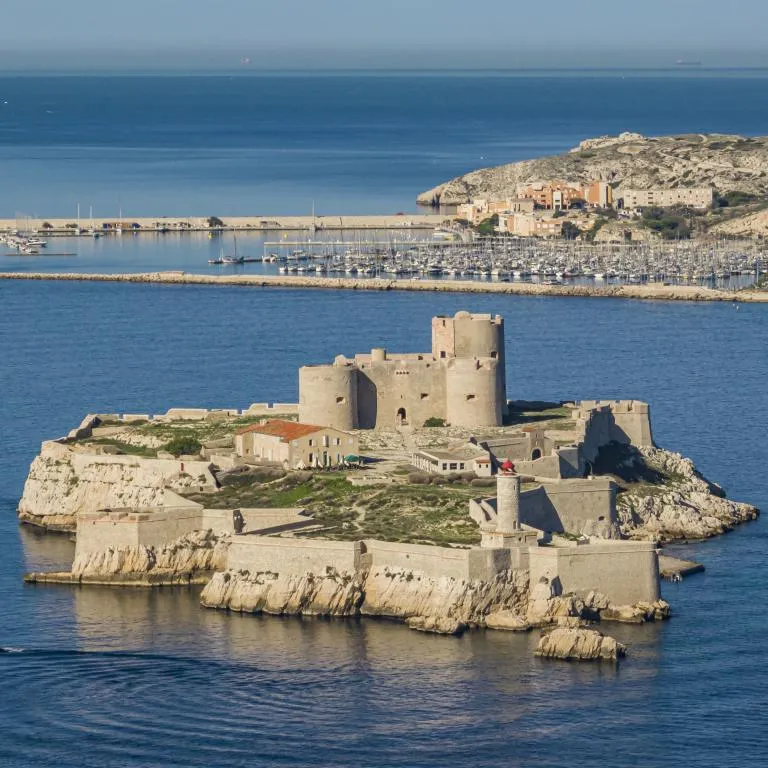
King François I ordered a fortress on the island of If to help defend Marseille from attacks by sea. Construction took place in the 16th century, and the island’s position near the harbour mouth gave it a strategic role. The fort was completed in 1531, according to the historical material gathered for this guide.
Its isolated setting later made the island useful as a prison. Political prisoners and people who dissented from the state or religious authorities were held here. The fortress served as a prison over several centuries. The surrounding sea and strong currents added to its reputation as a place that was difficult to escape.
The real prison and Dumas’s fictional inmate
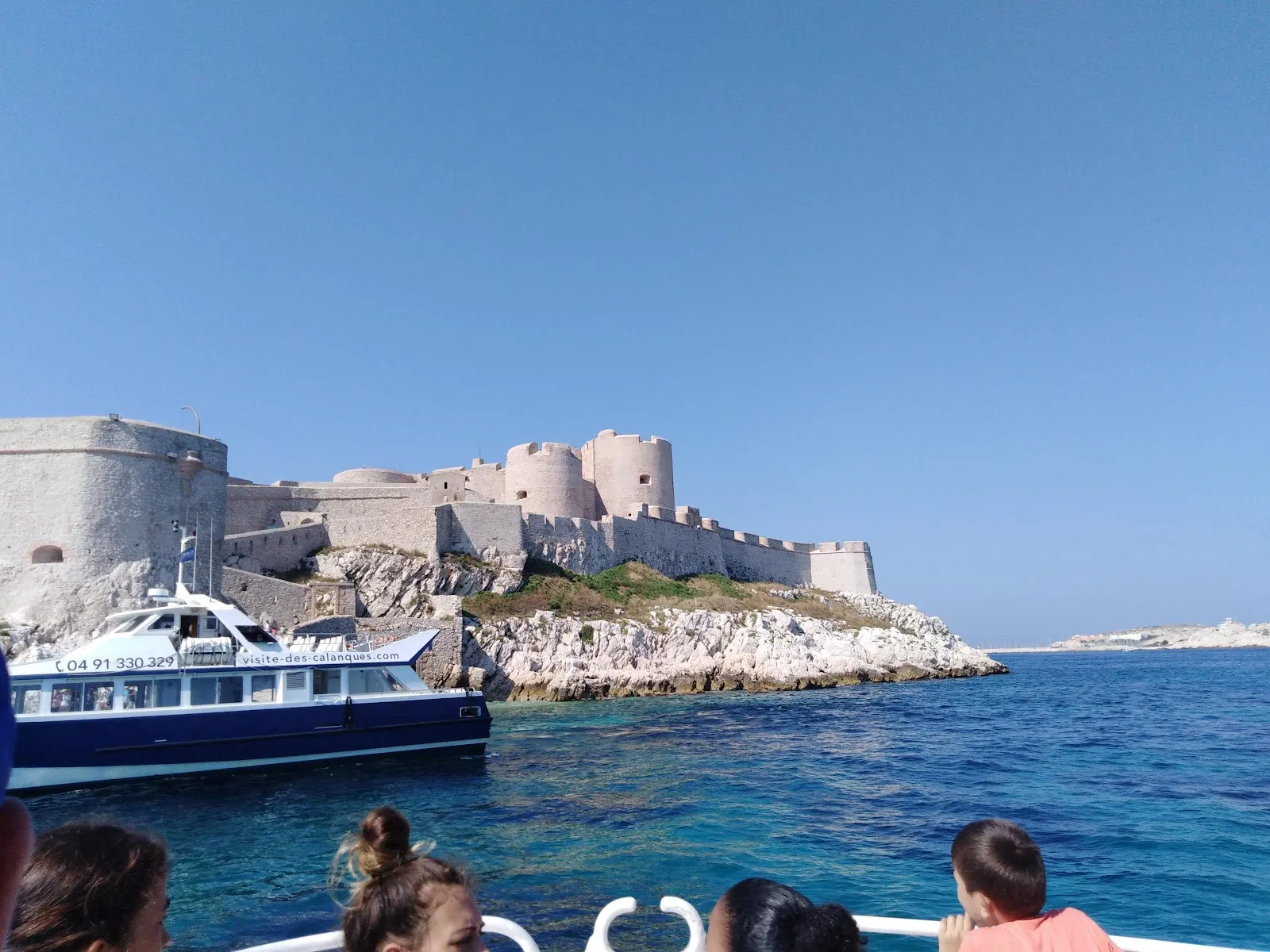
Alexandre Dumas made the Château famous as the prison of Edmond Dantès in The Count of Monte Cristo. Dantès is a fictional character, and the novel’s events did not happen here. The association is still part of the visit: rooms identified with Dantès and his escape story connect the real building with the book.
The prison’s history extends beyond the novel. José Custodio Faria and Mirabeau are among the prisoners linked to the site in the gathered historical material. The fortress also held religious dissenters. Its cells show the stark conditions of incarceration, while old graffiti on the walls offers a visible trace of people who were confined there.
The layout and what to look for
The Château is a compact, square building with three storeys and three towers. Its thick walls and gun openings reflect its original military purpose. Visitors can walk through the interior, including the cells, and continue to the upper parts of the fortress for views over the water and Marseille.
Listen for the echo beneath the dome at the top, a detail that makes this space distinct from the cells below. The island’s position also gives you a view back towards the city and across to the neighbouring Frioul islands. The visit combines the building’s military design, its prison history and its literary fame in one small site.
Planning the boat visit
Boats leave from Marseille’s Old Port for the island. The crossing is short, but the schedule affects how long you can spend ashore, so check departures before travelling and plan your return. Tickets for the boat and the Château are separate parts of the visit; advance booking is recommended.
Weather can affect access, and the site may close in poor conditions. Paths are uneven and include stairs, with little shade on the island. Comfortable shoes and sun protection help make the walk easier. Allow around two hours for exploring and arranging the boat back.
FAQ
How do you get to Château d’If?
Take a passenger boat from Marseille’s Old Port. Check the departure schedule before you go.
How long should you allow for a visit?
Allow about two hours to explore the fortress and surrounding area and take a boat back.
Is Château d’If connected to The Count of Monte Cristo?
Yes. Alexandre Dumas used the fortress as the prison setting for Edmond Dantès. Dantès is fictional, not a historical prisoner.
Can bad weather affect a visit?
Yes. The island’s boat service and the Château visit can be affected by weather, so check conditions and access before travelling.


