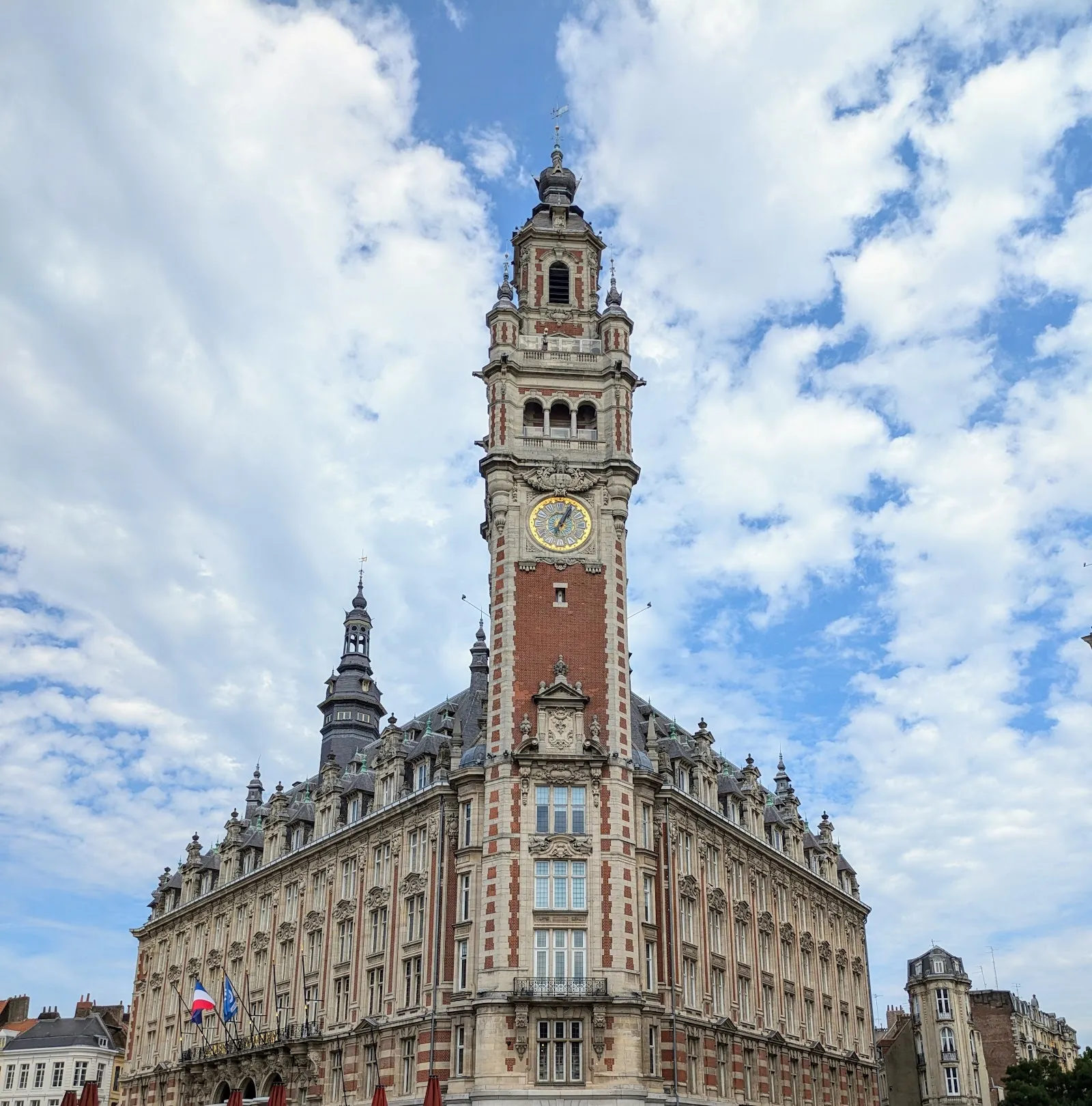
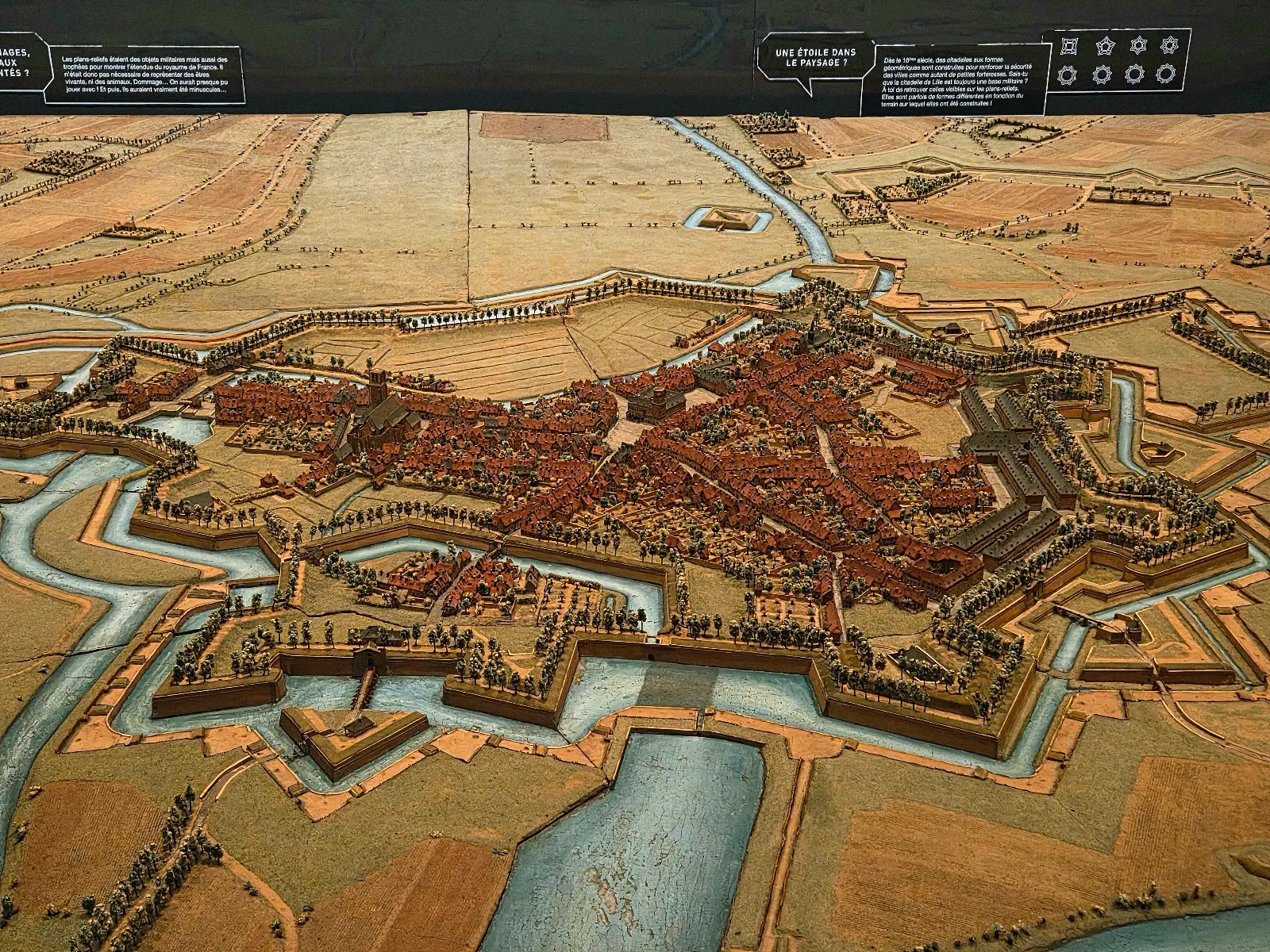
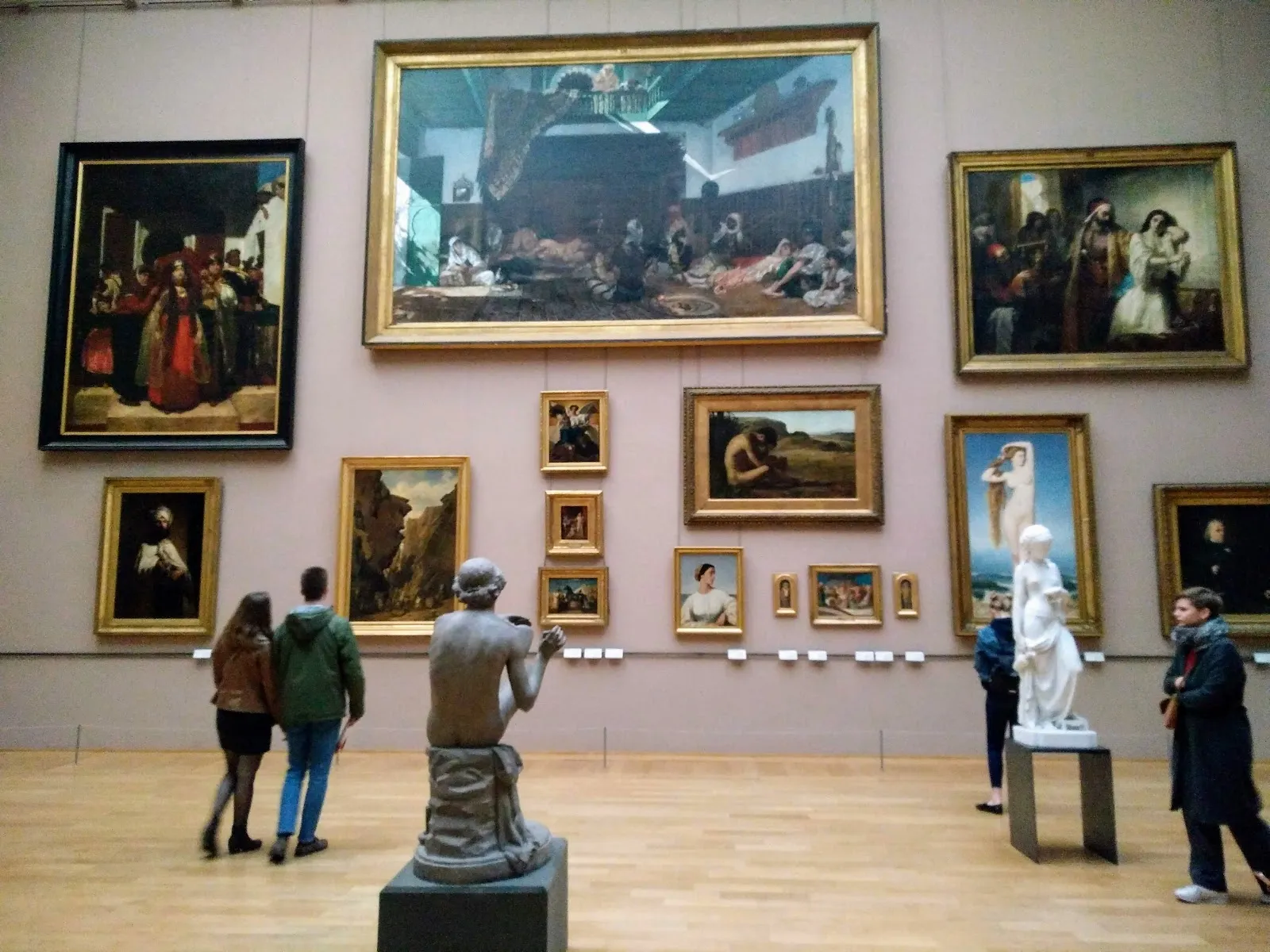
The Palais des Beaux-Arts de Lille is a Belle Époque palace on Place de la République and one of France's largest art museums, second only to the Louvre. Its collection of more than 70,000 works runs from antiquity to the 20th century, with paintings by Rubens, Goya, Delacroix and Monet, sculptures by Rodin, and ceramics. Save time for the 18th-century relief maps of fortified towns in the basement. The mix of old galleries and contemporary installations makes each part of the building feel different.
A Belle Époque palace on Place de la République
The museum occupies a stone building completed between 1885 and 1892, designed by architects Édouard Bérard and Fernand Delmas. It stands on Place de la République, and the building has a spacious, bright atrium.
The Grand Place is not far away, so a visit pairs easily with a walk through the old town.
How the collection was formed
The collection began in the early 19th century. After the French Revolution, works were seized from churches and religious institutions.
A decree from 1801 by Jean-Antoine Chaptal chose 15 French cities to receive these works. The holdings grew from that base into more than 70,000 works, from antiquity to the 20th century.
What is on each floor
Porcelain and faience, much of it of local origin, is shown on the ground floor. The ground floor also has space for temporary exhibitions.
The basement holds classical archaeology, medieval statuary and the relief maps. Paintings include works by Rubens, Van Dyck, Goya, Delacroix and David. Sculptures include pieces by Rodin, Claudel and Carpeaux.
The relief maps
Fifteen plan-reliefs show fortified towns and cities in northern France and Belgium. They date from the 18th century, and French kings used them in wartime to plan battles.
The models were restored and are now displayed in the basement. They offer a different kind of looking from the painting galleries.
Visiting in practice
Buying tickets in advance is recommended. The museum has a restaurant on site and a gift shop.
The entrance and restroom are wheelchair accessible, and there is a wheelchair accessible parking lot. Other parking is paid, in a lot, a garage or on the street. The museum offers tours for visually impaired visitors, and it also hosts live performances and private events.
FAQ
Is there an entry fee?
The museum lists an admission fee, and its details also show free admission. Check the official website for the current rules before you go.
Should I book tickets in advance?
Yes, booking in advance is recommended.
How long do you need?
Plan 2 to 3 hours for a visit that covers the main collection and the basement relief maps.
Is the museum accessible and good for children?
The entrance and restroom are wheelchair accessible, and tours for visually impaired visitors are offered. The museum is family-friendly, and there are benches inside where children can sit.