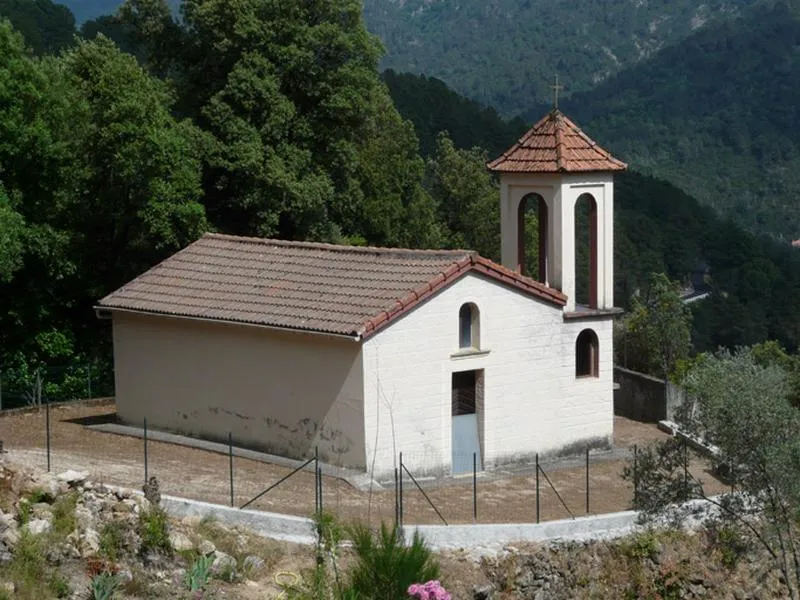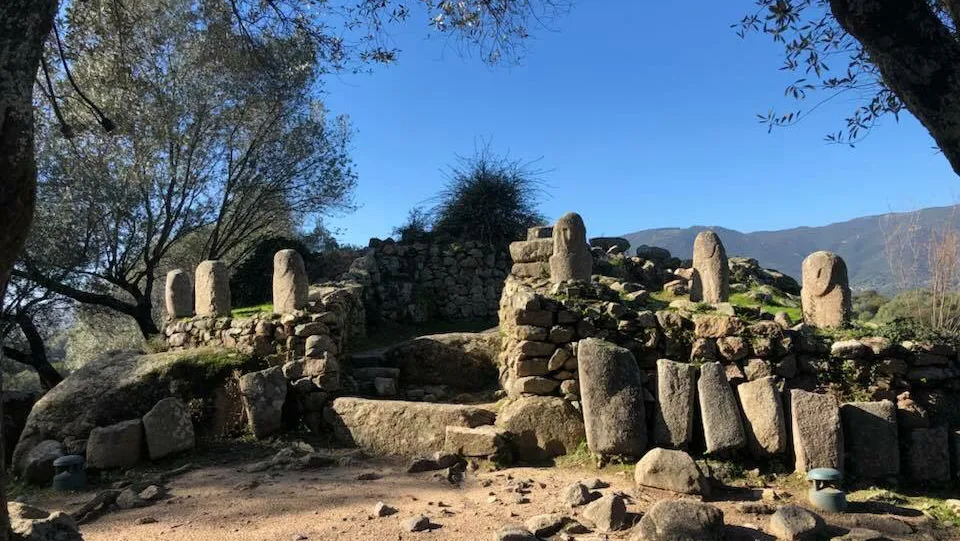
Prehistoric station Filitosa is an open-air archaeological site near Propriano in southern Corsica, with granite menhirs, ancient enclosures and a museum. The oldest standing stones were erected as much as 6,000 years ago; some were later carved with faces and weapons. Follow the marked trail through fields and hillsides, and look out for the centuries-old olive trees. The museum at the end adds historical context, while the café near the entrance is a handy stop before or after the walk.
Granite stones across the hillside
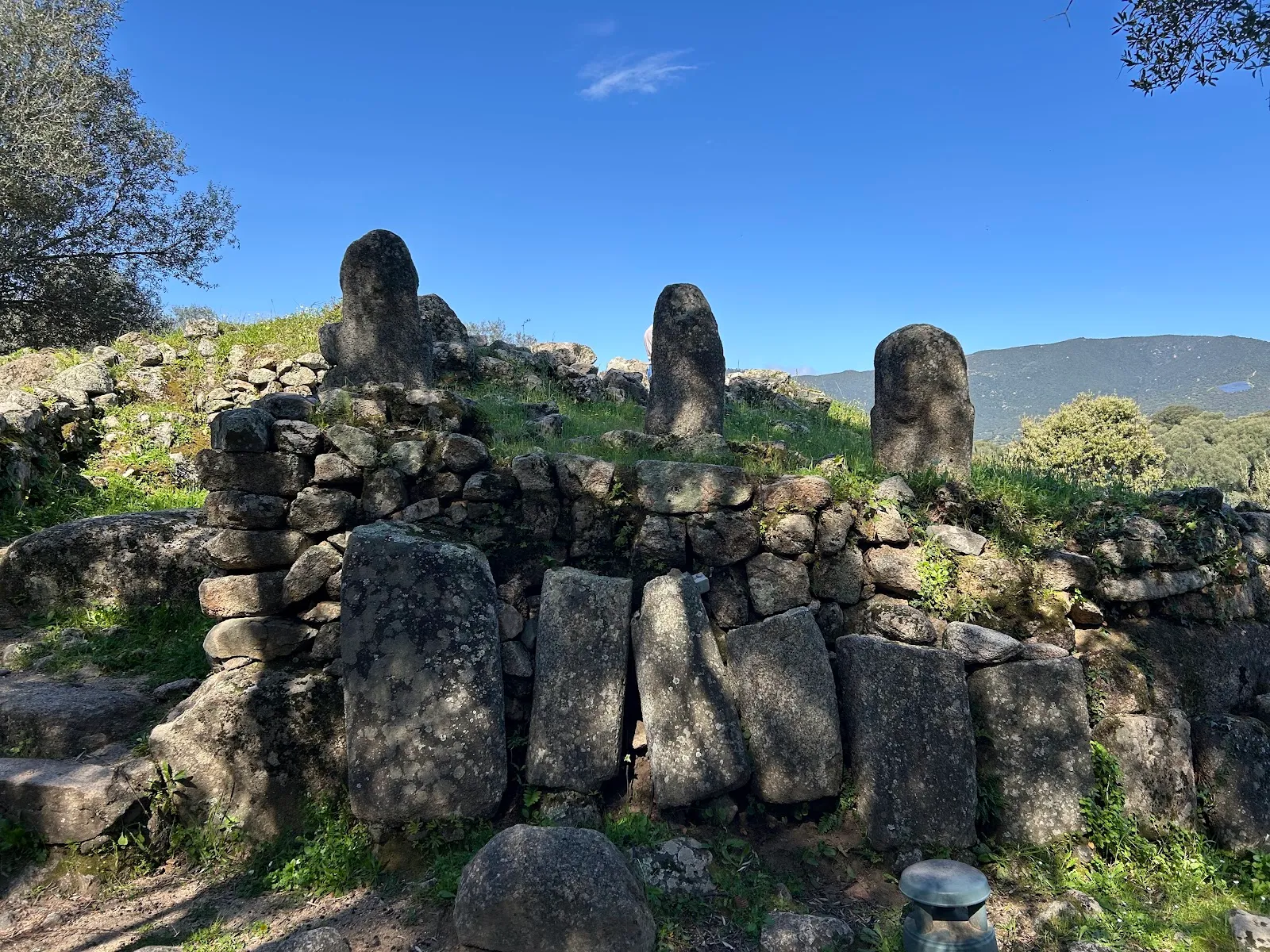
Filitosa is an open-air archaeological site about 20 kilometres north of Propriano. Its fields and hillsides hold granite menhirs, or standing stones, alongside remains of monumental enclosures. The stones were first erected as much as 6,000 years ago, making the site a striking place to encounter Corsica’s prehistoric past outdoors.
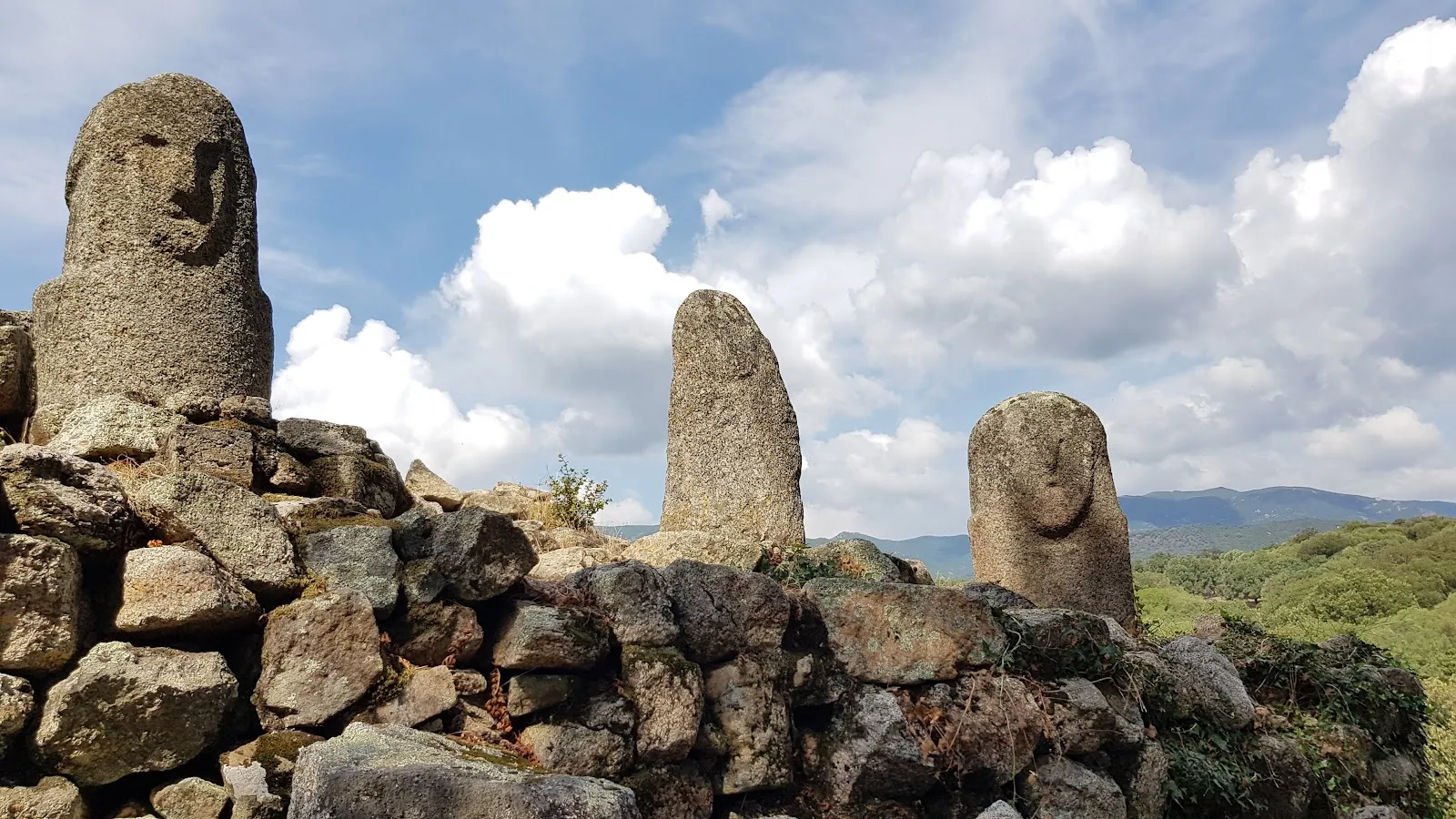
Some of the menhirs were re-carved during the Bronze Age, roughly 2,500 years after they were first set up. Look for the faces and depictions of weapons cut into the stone. These details distinguish the later carvings and suggest that the stones honoured particular people. Take time to view them at close range as you follow the path through the site.
Following the walking trail
A marked trail leads across the grounds, past the standing stones and traces of the ancient enclosures. The walk takes around an hour for some visitors, though allowing one to two hours gives you time to explore at a more leisurely pace. The route passes through open fields and hillsides, so the visit is as much an outdoor walk as a stop at an archaeological collection.
Centuries-old olive trees are another notable part of the grounds. The route is signposted, but explanations at the stones may be limited without a guide. If you want more detail as you walk, consider purchasing one rather than relying only on the information available along the trail.
The museum and facilities
A modern building near the entrance houses archaeological objects and historical information about the site. The museum is at the end of the visit for those following the trail, and it provides a useful indoor stop after time outdoors. There is also a shop and a café near the entrance, where you can pause for food before setting off or after returning from the walk.
The site has parking, including free parking, and the trail gives families room to explore among the stones. An on-site guide can add context to what you see; the museum is another place to build your understanding of the area’s history. For a fuller visit, allow time for both the outdoor route and the indoor collection.
FAQ
How long should you spend at Filitosa?
Allow around one to two hours to walk the trail and visit the museum.
What can you see at Filitosa?
The site has granite menhirs, some carved with Bronze Age faces and weapons, remains of monumental enclosures, old olive trees and a museum with archaeological objects.
Is there a walking trail at Filitosa?
Yes. A marked route crosses the fields and hillsides, passing the stones and remains of ancient enclosures.
Is there food at Filitosa?
There is a café near the entrance, as well as a shop.