At the Musée d’Aquitaine, near Place de la Victoire and Place Pey-Berland in central Bordeaux, collections trace the city and region from prehistory to modern times. Roman statues, mosaics and architectural fragments sit alongside objects from the Middle Ages and later centuries. The galleries also examine Bordeaux’s growth as a port and its role in the Atlantic slave trade, with a careful account of that history. English and Spanish descriptions help you follow the displays. Allow time to focus on the sections that interest you, or pause in the inner courtyard.
A regional story in a former university
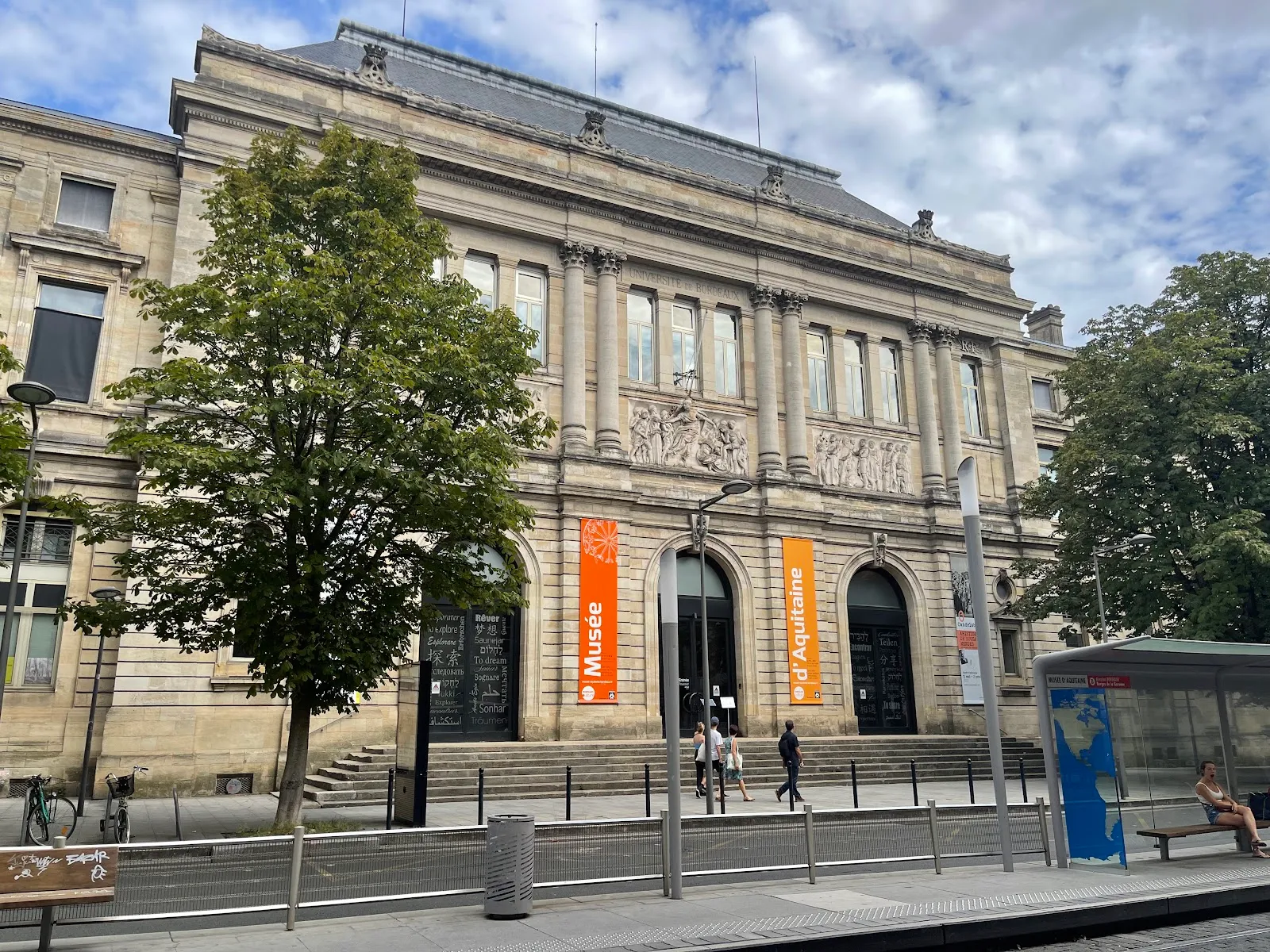
The Musée d’Aquitaine occupies the former Palais des Facultés, a 19th-century building that once housed Bordeaux’s literature university. Its galleries follow the history and archaeology of Bordeaux and the wider Aquitaine region, from prehistoric times through to the modern era. The museum is between Place de la Victoire and Place Pey-Berland, close to Cathédrale Saint-André.
Rather than presenting Bordeaux’s past in isolation, the collections connect local objects to the region’s changing place in France and the wider world. Archaeological, historical and ethnographic material spans the prehistoric period, Roman rule, the Middle Ages and the city’s later development. Temporary exhibitions add other perspectives on the region.
Prehistory, Rome and the Middle Ages
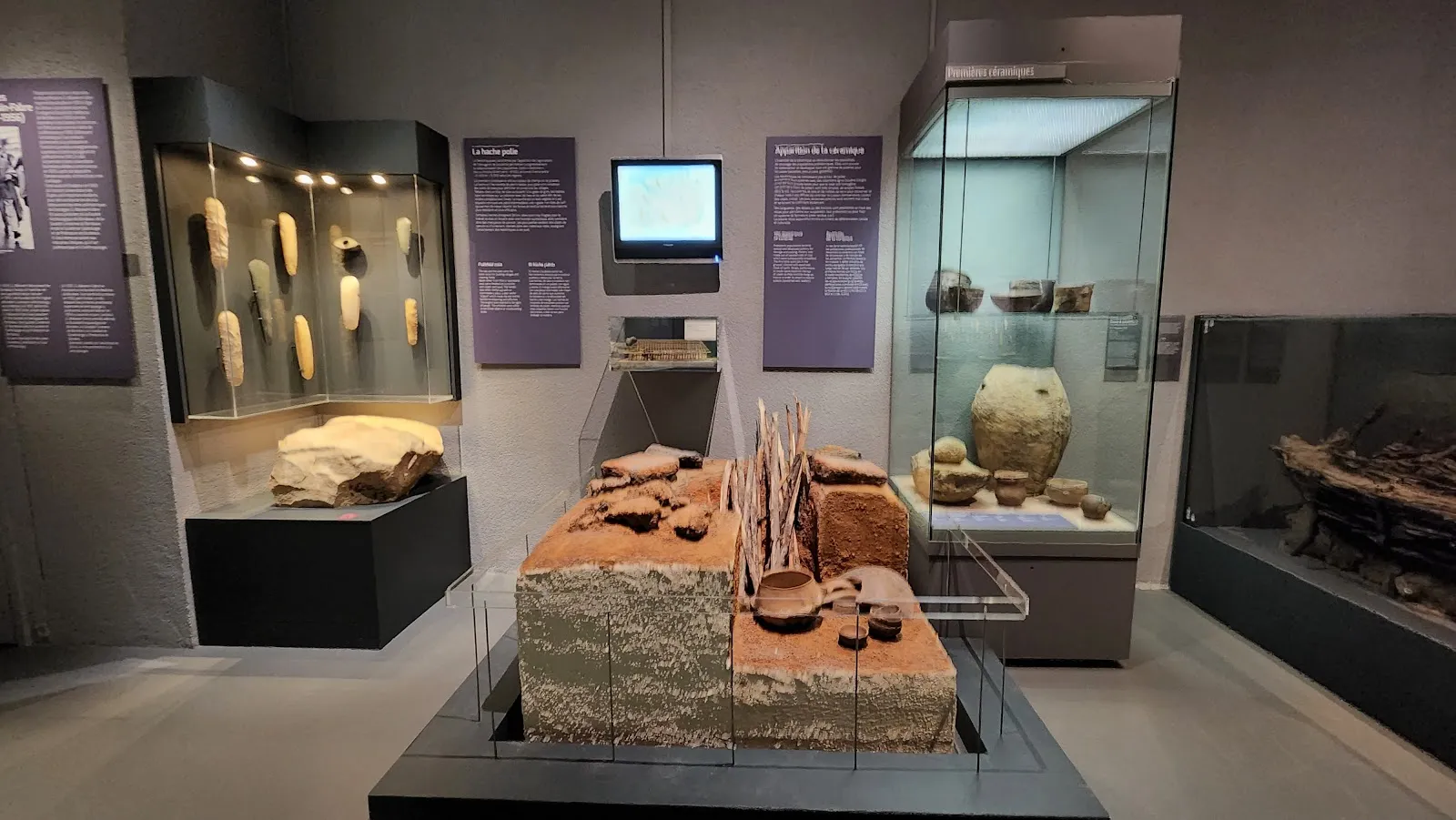
Early galleries include prehistoric tools and art, as well as a reproduction of paintings from the Lascaux caves. Later displays trace the area’s passage from Neolithic communities to Roman Bordeaux and the medieval period. English and Spanish text accompanies the French descriptions, making it easier to follow the chronological story across the galleries.
Roman objects include statues, mosaics and architectural fragments. A bronze Hercules once stood at the entrance to Bordeaux’s port. Other notable pieces include the Laussel Venus, Gallic gold coins and tombs linked to well-known medieval figures. Michel de Montaigne’s tomb is among the later historical objects in the collection. In the Roman hall, you can look closely at the statues and identify the gods and goddesses represented.
Bordeaux as a port
The museum gives substantial space to Bordeaux’s maritime past and the Atlantic trade in the 18th century. Several rooms address the trade in enslaved people, slavery in the sugar islands and the lasting political, social and cultural consequences. Documents and artworks help tell this history, alongside displays about Bordeaux’s development as a merchant port.
These galleries treat the subject directly and with care. They place the city’s commercial growth alongside the human cost of the trade, and consider its legacies in society. Later sections examine changes in Bordeaux during the 19th and 20th centuries, extending the story beyond the port’s expansion.
Planning your visit
The collection is broad enough to reward a focused visit. If you have several hours, you can move through the eras at a measured pace; if your schedule is shorter, choose the periods that matter most to you. The Roman galleries and the rooms on maritime trade are two clear options, while the displays also cover prehistoric life, medieval history and the city’s later transformation.
Tram B goes directly to the museum entrance. The inner courtyard provides a place to pause between galleries. Student entry is discounted for visitors under 26 who bring valid student identification. Check the museum’s website for current admission details and temporary exhibitions before you go.
FAQ
How long should I spend at the Musée d’Aquitaine?
Allow around 2 to 5 hours to explore the collection in depth. A shorter visit can focus on selected galleries.
Are the exhibits explained in English?
Yes. Descriptions are available in English and Spanish as well as French.
How do I get to the museum by tram?
Take tram line B to the Musée d’Aquitaine stop, which is at the museum entrance.
What can I see at the museum?
Collections cover Bordeaux and Aquitaine from prehistory to modern times, including Roman objects, medieval material and displays on the city’s port and the Atlantic slave trade.