The Ruskin Museum in Coniston traces the village’s story through local industry, art and the people who shaped the area. Its displays range from early stone tools and the geology of the Lake District to copper mining, slate quarrying, railways and lace making. Dedicated sections explore John Ruskin, children’s author Arthur Ransome and speed-record pioneer Donald Campbell, whose Bluebird K7 is central to the museum’s story. It is a useful stop for putting Coniston’s landscape and history in context, especially on a rainy day.
The story of Coniston
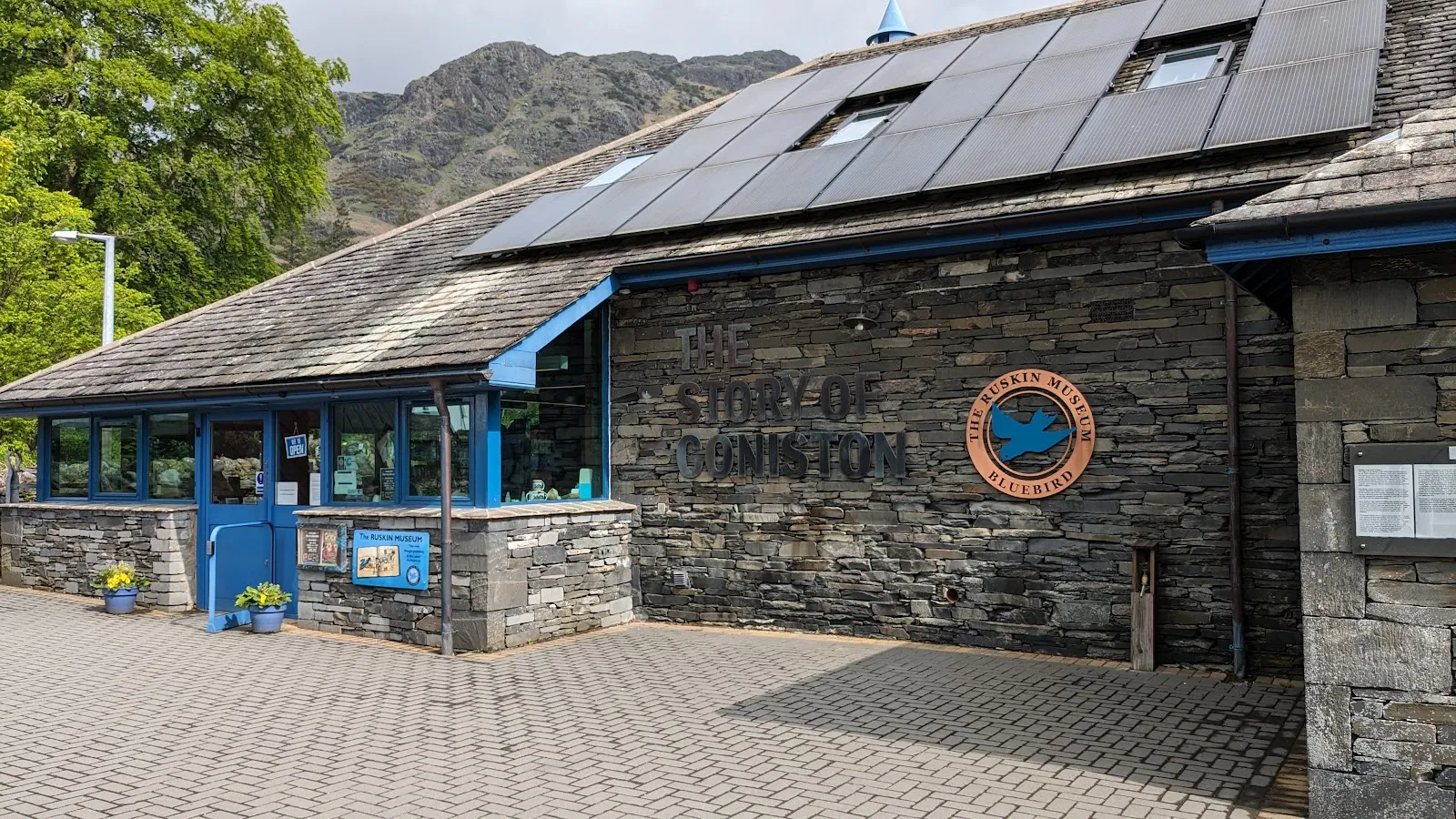
The Ruskin Museum in the centre of Coniston brings together objects and stories from the village and its surroundings. Its scope runs from the area’s geology and early communities to the industries and people that shaped later life. Displays cover stone tools, copper mines, slate quarries, farming, fishing, lace making and the arrival of the railway.
The local landscape is part of that story. Exhibits explain the use of stone, slate and oak in traditional buildings, as well as the walls that cross the fells. The museum also looks at how copper from local mines was used to line wooden ships. These details help connect Coniston’s past to the materials and work found across the area.
John Ruskin and Arthur Ransome
John Ruskin, the Victorian writer, artist and critic, has a gallery devoted to his life and work. The museum was established in 1901 by W. G. Collingwood, an artist and antiquarian who had worked as Ruskin’s secretary. It began as a way to preserve Ruskin’s mementos and remember his connection to Coniston.
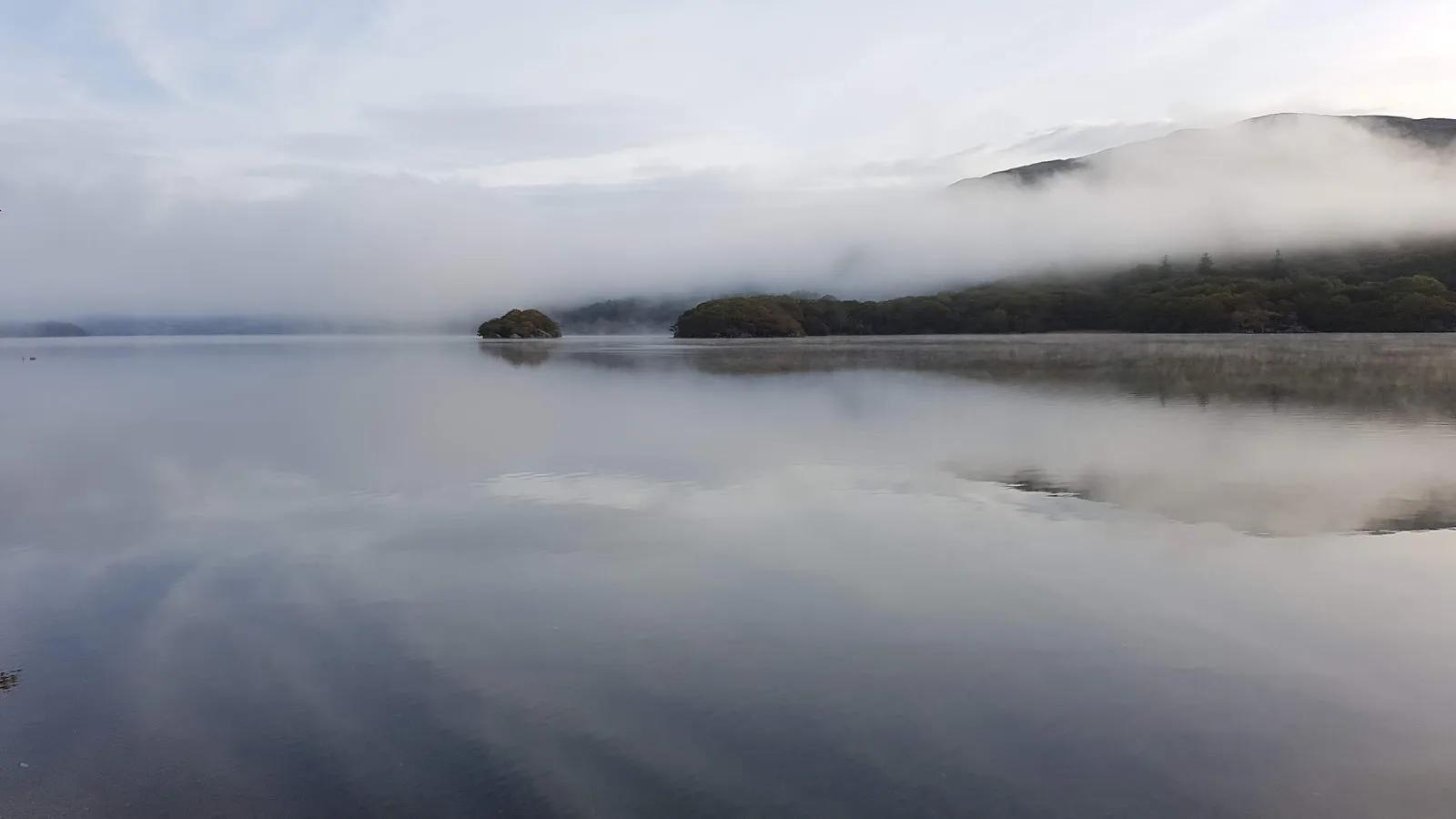
The collection also explores the writer Arthur Ransome, whose Swallows and Amazons books were inspired by Coniston Water. Material linked to the stories gives visitors another way to understand the lake’s place in the area’s cultural history. Ruskin’s former home, Brantwood, is across the lake from the village; the museum and house can be combined for a fuller look at his connection to Coniston.
Bluebird K7 and Donald Campbell
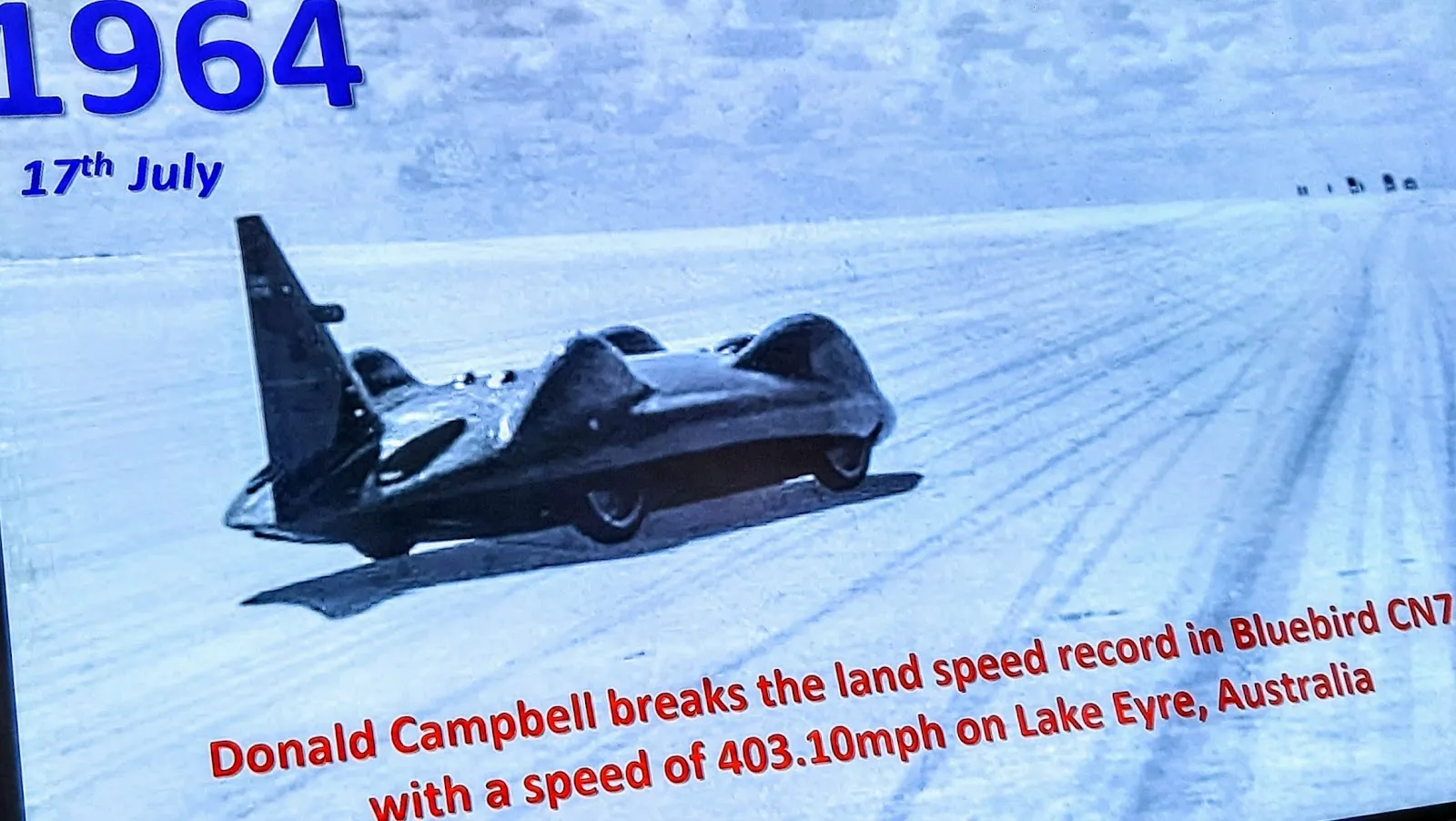
A dedicated Bluebird wing tells the story of Donald Campbell and his attempts to set water speed records on Coniston Water. Campbell achieved several world records in the hydroplane Bluebird K7 before he died during a later attempt in 1967. The displays include objects connected with Campbell and the craft, and the museum’s account places the record attempts within Coniston’s modern history.
Bluebird K7 has undergone restoration, and its display status has changed during that work. Check ahead if seeing the hydroplane itself is central to your visit. The wing remains a useful place to learn about Campbell’s record attempts and the history surrounding the boat.
FAQ
What can you see at the Ruskin Museum?
The displays cover Coniston’s history, geology and industries, along with John Ruskin, Arthur Ransome and Donald Campbell’s Bluebird K7.
Is Bluebird K7 on display at the museum?
The hydroplane has undergone restoration, and its display status has changed during that work. Check with the museum before visiting if you want to see the boat itself.
Is there an admission fee?
The museum charges admission. Check its website for current ticket information.