Inside the Countess of Huntingdon’s Chapel on The Paragon, the Museum of Bath Architecture traces how Bath grew from a medieval town into a Georgian spa city. Maps, models, drawings, paintings, videos and tools explain the work behind its buildings, from surveying and financing to masonry, carpentry and decorative finishes. Look closely at the models and learn about Bath stone, Palladian design and the many trades involved. This compact museum suits visitors with an interest in architecture or Bath’s history; allow time to read the exhibits.
A chapel with its own history
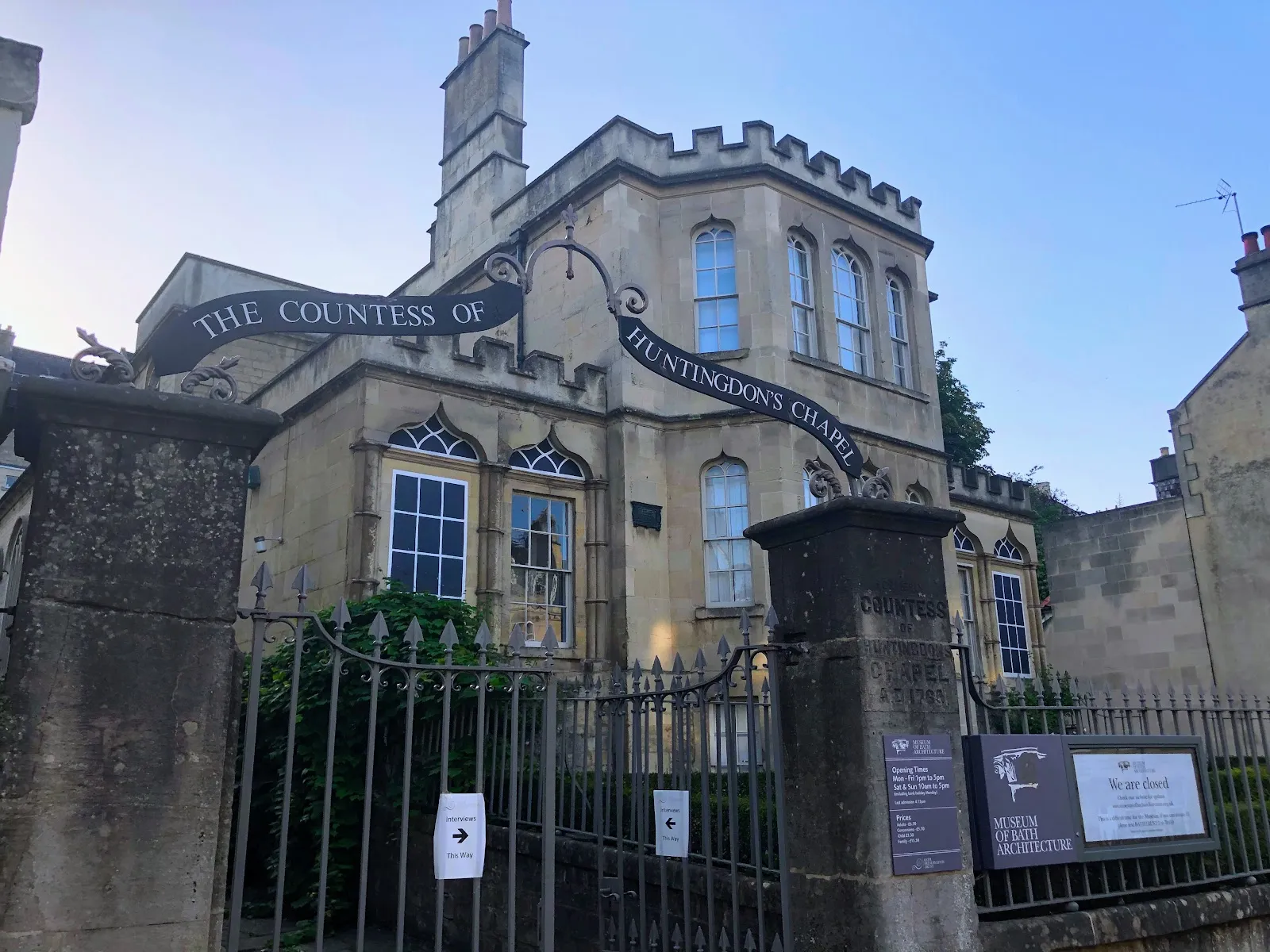
The museum is housed in the Countess of Huntingdon’s Chapel at The Paragon. Built in 1765 for Selina Hastings, the Countess of Huntingdon, it was one of several chapels she established in England as part of her Methodist campaign. Its Gothic Revival design sets it apart from the Georgian buildings the museum explores. The chapel is also described as one of Bath’s few examples of post-medieval Gothic architecture.
The building gives the visit a second architectural subject: the museum’s displays explain Bath’s development, while the chapel itself shows a different strand of the city’s built history.
From medieval town to Georgian spa
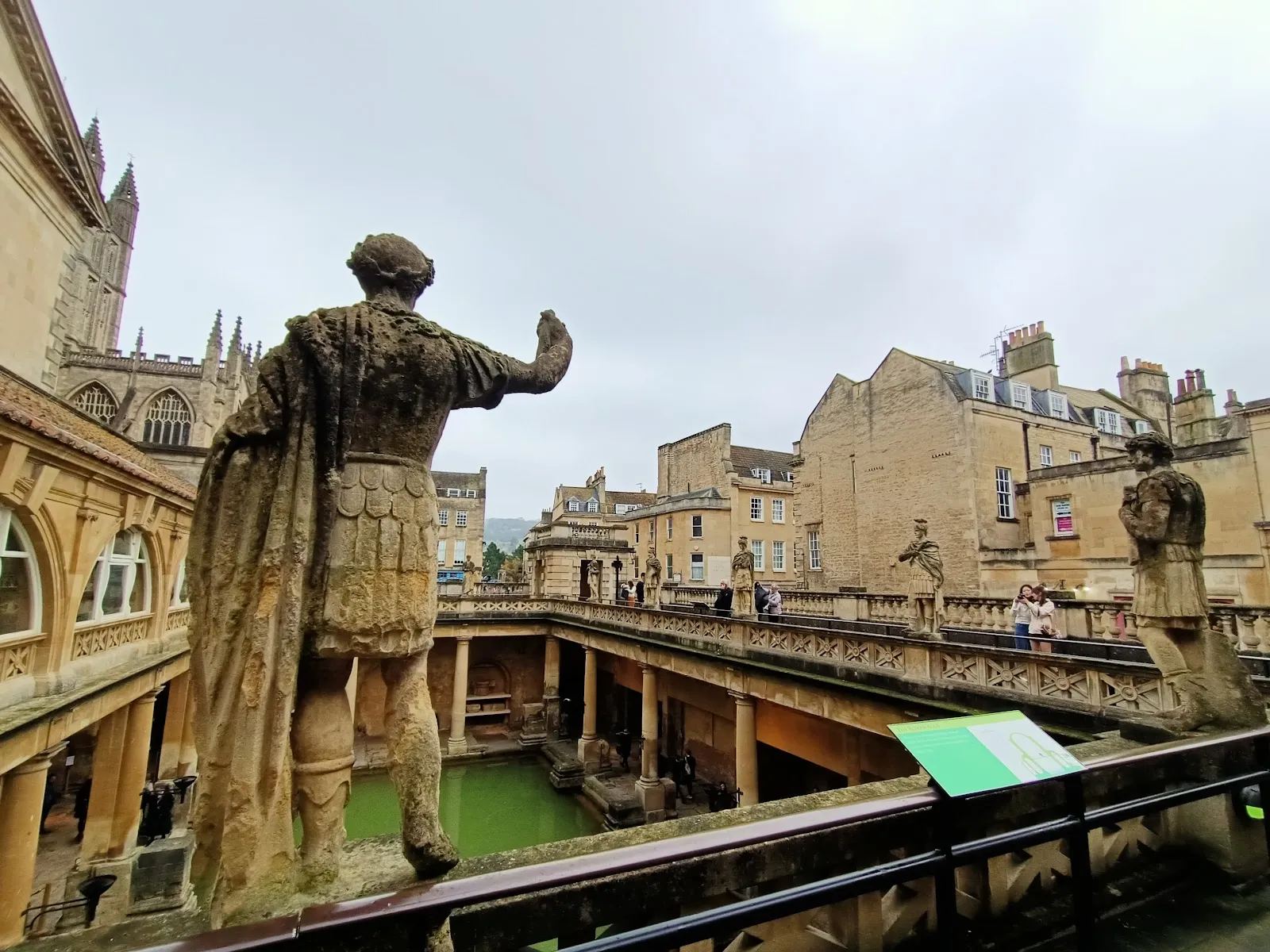
The displays trace Bath’s transformation from a small medieval town into a fashionable Georgian spa city. Historical maps, drawings and models help explain how the city changed over time and how its familiar buildings were planned and made. A detailed model of Bath lets you examine the city’s growth in miniature.
Bath’s local oolitic limestone, commonly known as Bath stone, is part of the story. The museum also explains the Palladian style associated with the city’s architecture. Together, these details help connect the materials and design choices inside the displays with the streets and buildings outside.
The work behind the buildings
The exhibits look beyond façades to the practical work needed to build Bath. They cover surveying and financing, as well as the challenges of construction on steeply sloping ground. Models, building fragments, photographs, designs and tools show the range of materials and skills involved.
Masons, carpenters, joiners, roofers, glaziers and plasterers all contributed to the finished buildings. The displays also point to architectural details and interior decoration, including balustrades, door designs, marbling, stencilling and japanning. Allow time to read: the museum is small, but its displays cover a wide range of subjects.
FAQ
How long do you need at the Museum of Bath Architecture?
Allow 1 to 2 hours to explore the exhibits and read the information.
Where is the Museum of Bath Architecture?
It is inside the Countess of Huntingdon’s Chapel at The Paragon, The Vineyards, Bath.
What can you see at the museum?
Displays include historical maps, models, drawings, paintings, videos, building fragments and tools, covering Bath’s architecture and the trades involved in construction.
Can you reduce the entry cost?
An Art Pass can reduce the entry fee.