Pianifica un viaggio
Lingua: Italiano
Pianificatore di viaggiPianifica il tuo viaggio su una mappa

Le migliori destinazioni

EnglishDeutschFrançaisEspañolPortuguêsPortuguês (BR)Italiano
Avviso di viaggio · EgittoAlcuni governi sconsigliano di viaggiare in alcune zone di Egitto.Gli avvisi riguardano solo queste aree: Fascia di 50 km lungo il confine libico, Striscia di Gaza, Confine libico (senza profondità definita), Governatorato del Sinai settentrionale, Confine sudanese (senza profondità definita), Deserto Occidentale, Governatorato di Ismailia (a est del Canale di Suez), Nord del Governatorato del Sinai meridionale (oltre la strada Santa Caterina–Nuweiba).Le indicazioni dipendono dal tuo passaporto. Leggi quelle del tuo governo prima di prenotare.Indicazioni ufficiali
Aree con avvisi
  • Fascia di 50 km lungo il confine libico · evitare ogni viaggio · Canada, Nuova Zelanda
  • Striscia di Gaza · evitare ogni viaggio · Canada, Francia, Nuova Zelanda
  • Confine libico (senza profondità definita) · evitare ogni viaggio · Germania, Spagna, Francia, Italia
  • Governatorato del Sinai settentrionale · evitare ogni viaggio · Canada, Spagna, Francia, Irlanda, Nuova Zelanda, Regno Unito
  • Confine sudanese (senza profondità definita) · evitare ogni viaggio · Germania, Spagna, Francia, Italia
  • Deserto Occidentale · evitare ogni viaggio · Canada, Nuova Zelanda, Regno Unito, Stati Uniti
  • Governatorato di Ismailia (a est del Canale di Suez) · evitare i viaggi non essenziali · Canada, Regno Unito
  • Nord del Governatorato del Sinai meridionale (oltre la strada Santa Caterina–Nuweiba) · evitare i viaggi non essenziali · Canada, Nuova Zelanda, Regno Unito

Segnalata anche da un solo governo: Fascia di 20 km lungo il confine libico (Regno Unito), Zone di confine (zone militari) (Stati Uniti), Zona di confine egiziano-israeliana (Germania), Penisola del Sinai settentrionale e centrale (Stati Uniti), Governatorato di Port Said (a est del Canale di Suez) (Canada), Zona di confine di Rafah (Spagna), Governatorato di Suez (a est del Canale di Suez) (Canada), Strada Bahariya–Siwa (Regno Unito), Trapezio di Bir Tawil (Regno Unito), Deserto a ovest di Marsa Matruh, Fayyum e Abu Simbel (Francia), Regione dal Gebel Uweinat al Gilf el-Kebir (Italia), Triangolo di Halaib (Regno Unito), Aree desertiche non turistiche (Italia), Valico di frontiera di Rafah (Irlanda), Penisola del Sinai meridionale (Germania)

GovernoConsigliAggiornatoLeggi le indicazioni
Regno Unito (FCDO)No advice against the whole country (regional advisories)–Leggi le indicazioni
Stati Uniti (Dipartimento di Stato)Exercise increased caution (regional advisories)15 lug 2025Leggi le indicazioni
Canada (Affari globali)Exercise a high degree of caution (regional advisories)–Leggi le indicazioni
Germania (Auswärtiges Amt)Besondere Vorsicht walten lassen (keine Gesamtwarnung) (regional advisories)13 ott 2026Leggi le indicazioni
Nuova Zelanda (SafeTravel)Exercise increased caution elsewhere in Egypt (regional advisories)–Leggi le indicazioni
Irlanda (Dipartimento per gli Affari esteri)High degree of caution (regional advisories)–Leggi le indicazioni
Francia (Ministero per l'Europa e gli Affari esteri)Increased vigilance for the rest of the country (regional advisories)–Leggi le indicazioni

Verificato ogni giorno dalle indicazioni pubblicate dai governi; ultima verifica 2 nov 2026.RoamLedger riassume le indicazioni ufficiali; non è un consiglio di alcun governo.

The Mosque of Rifai and Sultan Hassan in the historic city of Cairo, Egypt
Moschea

Al-Azhar Mosque

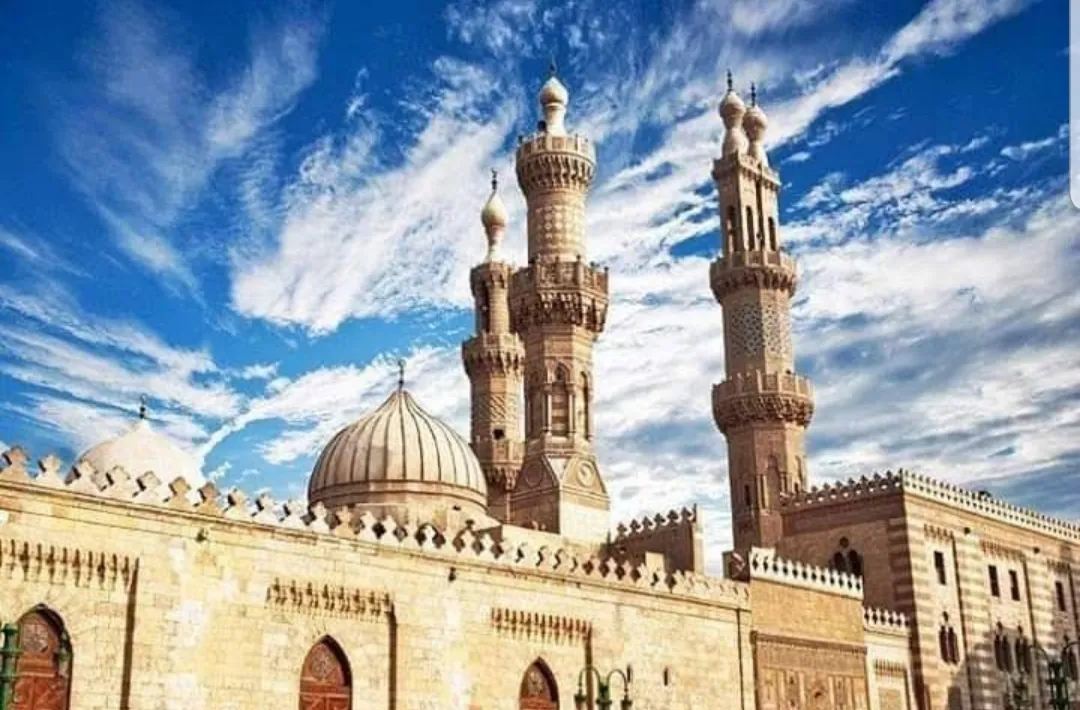
Al-Azhar Mosque stands in Cairo’s historic Islamic district, close to Khan al-Khalili.

Al-Azhar Mosque stands in Cairo’s historic Islamic district, close to Khan al-Khalili. Founded by the Fatimids in 970, it became a major center of Sunni learning and is associated with one of the world’s oldest universities. Inside, look for the marble-paved courtyard, its surrounding minarets and the prayer halls, where centuries of additions have brought together several architectural styles. A visit also gives you a chance to see a working place of worship and, at times, study circles. Dress modestly and plan around prayer times.

Founded in Fatimid Cairo
Al-Azhar Mosque
Al-Azhar Mosque

Al-Azhar Mosque was established in 970 by the Fatimids, soon after Cairo was founded. It was built as a place of worship and learning in the new city. The mosque later became a major institution for Sunni theology and Islamic scholarship.

Its educational role grew over time into Al-Azhar University, one of the world’s oldest universities. The university’s teaching now takes place elsewhere, while the mosque remains an active place of worship. The institution’s long history gives the complex significance beyond its architecture.

A courtyard shaped by centuries
Al-Azhar Mosque
Al-Azhar Mosque

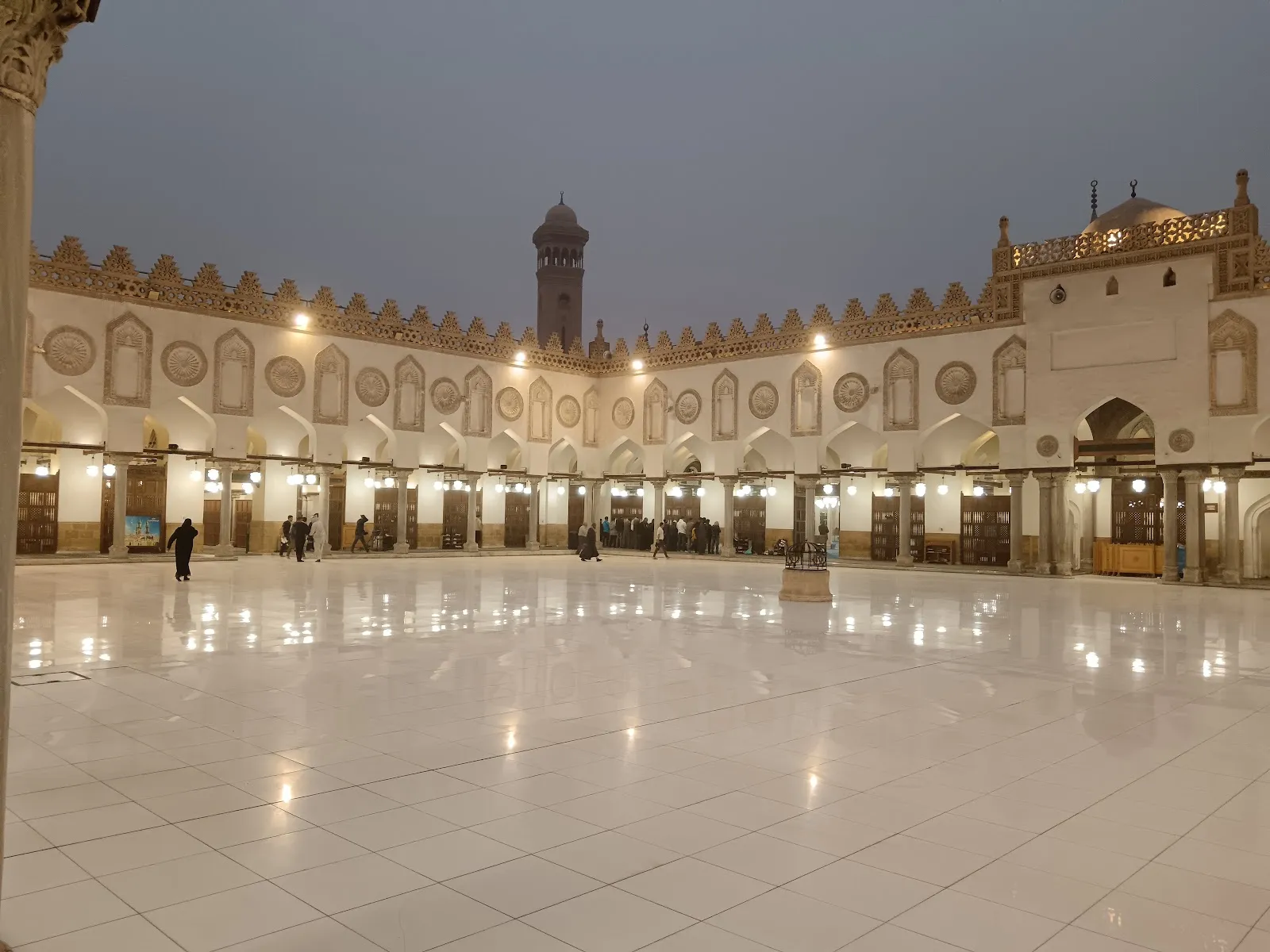
The mosque has been enlarged and altered many times over more than a thousand years. The result brings together architectural work from several periods, including Fatimid, Ayyubid, Mamluk and Ottoman additions. The central courtyard is among its oldest parts, with pale marble underfoot and minarets rising around it.

Enter through Barber’s Gate to reach the courtyard. The minarets were built in different centuries, so look closely at how their forms vary. The complex also includes prayer halls and a tomb chamber. Just inside the entrance, a doorway on the left leads to the chamber, where a mihrab marks the direction of Mecca.

A living place of learning and worship

Al-Azhar is a working mosque, and its religious purpose shapes the visit. Study circles, known as halaqah, may take place within the complex. They offer a glimpse of the mosque’s continuing connection to Islamic education, alongside its role as a place for prayer.

Give worshippers space and keep your clothing modest. If you are visiting as a tourist, plan your time outside prayer. A local guide can explain the complex’s architectural details and its role in Islamic education. Nearby Khan al-Khalili makes a natural addition to a day in this part of Cairo.

FAQ

Is there an entrance fee for Al-Azhar Mosque?

The entrance is free.

What should I wear to Al-Azhar Mosque?

Wear modest clothing that covers you as a courtesy in this place of worship.

When is the mosque less busy?

Weekdays are usually quieter than weekends.

What is there to see inside Al-Azhar Mosque?

Look for the marble courtyard, minarets from different periods, prayer halls and the tomb chamber with its mihrab.

Altre attrazioni imperdibili a Il Cairo

Esplora tutto