
Museum Kura Hulanda is an anthropology museum at 9 Klipstraat in Willemstad’s Otrobanda district, set among restored historic buildings. Its exhibits trace the transatlantic slave trade and Curaçao’s part in it, from capture in Africa and the Middle Passage to life in the Americas and the trade’s lasting influence. African art and artifacts, historical documents and displays on West African kingdoms add cultural context. The subject is painful, and the museum treats it directly; allow time to move through the exhibits at your own pace.
The museum’s setting in Otrobanda
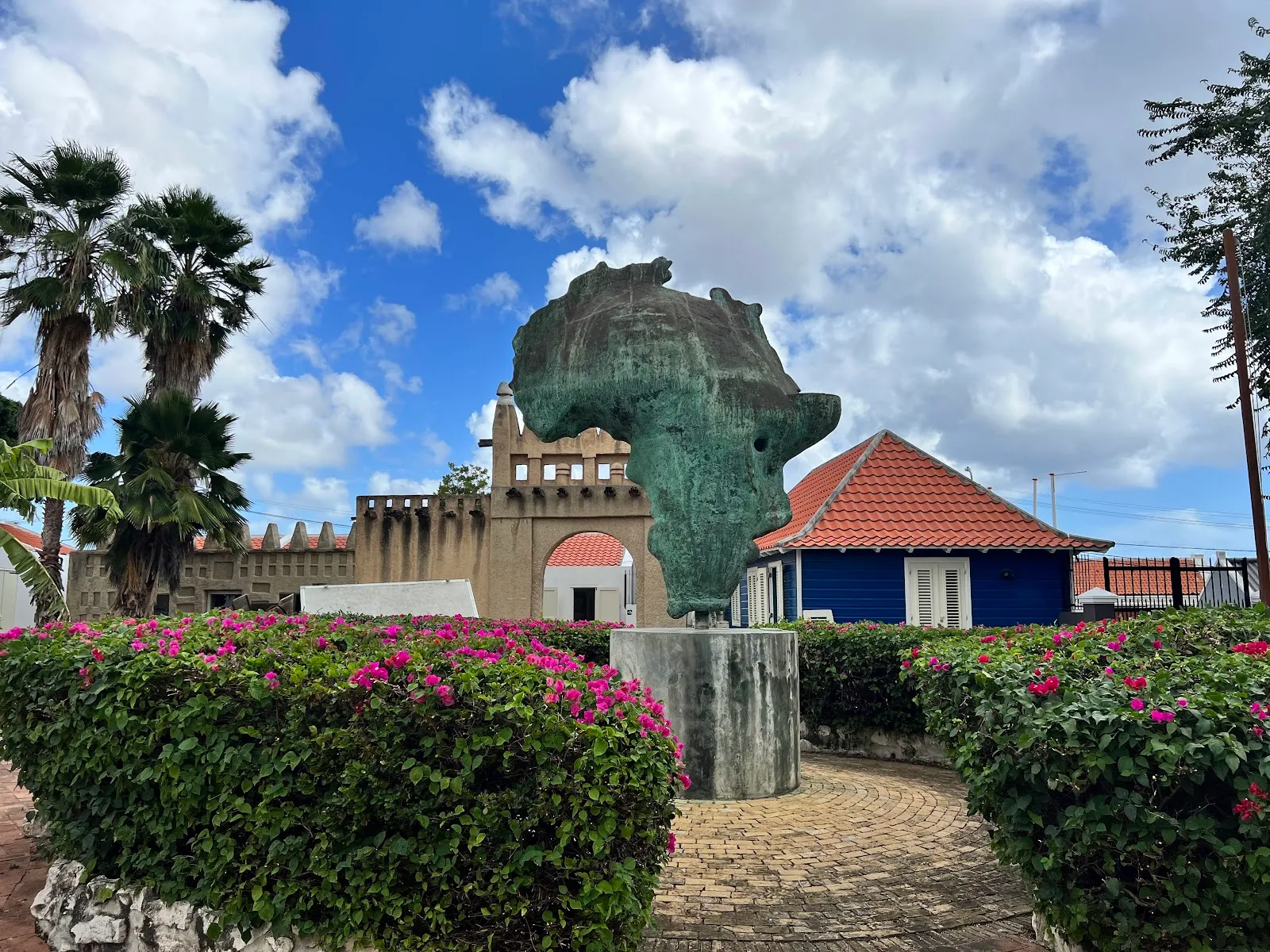
Museum Kura Hulanda occupies historic buildings in Otrobanda, including a 19th-century merchant’s residence and former slave quarters. The wider complex stands on the site of a former slave yard, in a district where enslaved people were bought and sold. That location connects the museum’s exhibits to Willemstad’s past as a port in the transatlantic slave trade.
The museum was founded by Dutch businessman and philanthropist Jacob Gelt Dekker and opened in 1999. Its collection ranges beyond Curaçao, bringing together material on African cultures, West African kingdoms and the African diaspora. Exhibits also include Antillean art and objects from other periods and cultures.
From capture to the Middle Passage
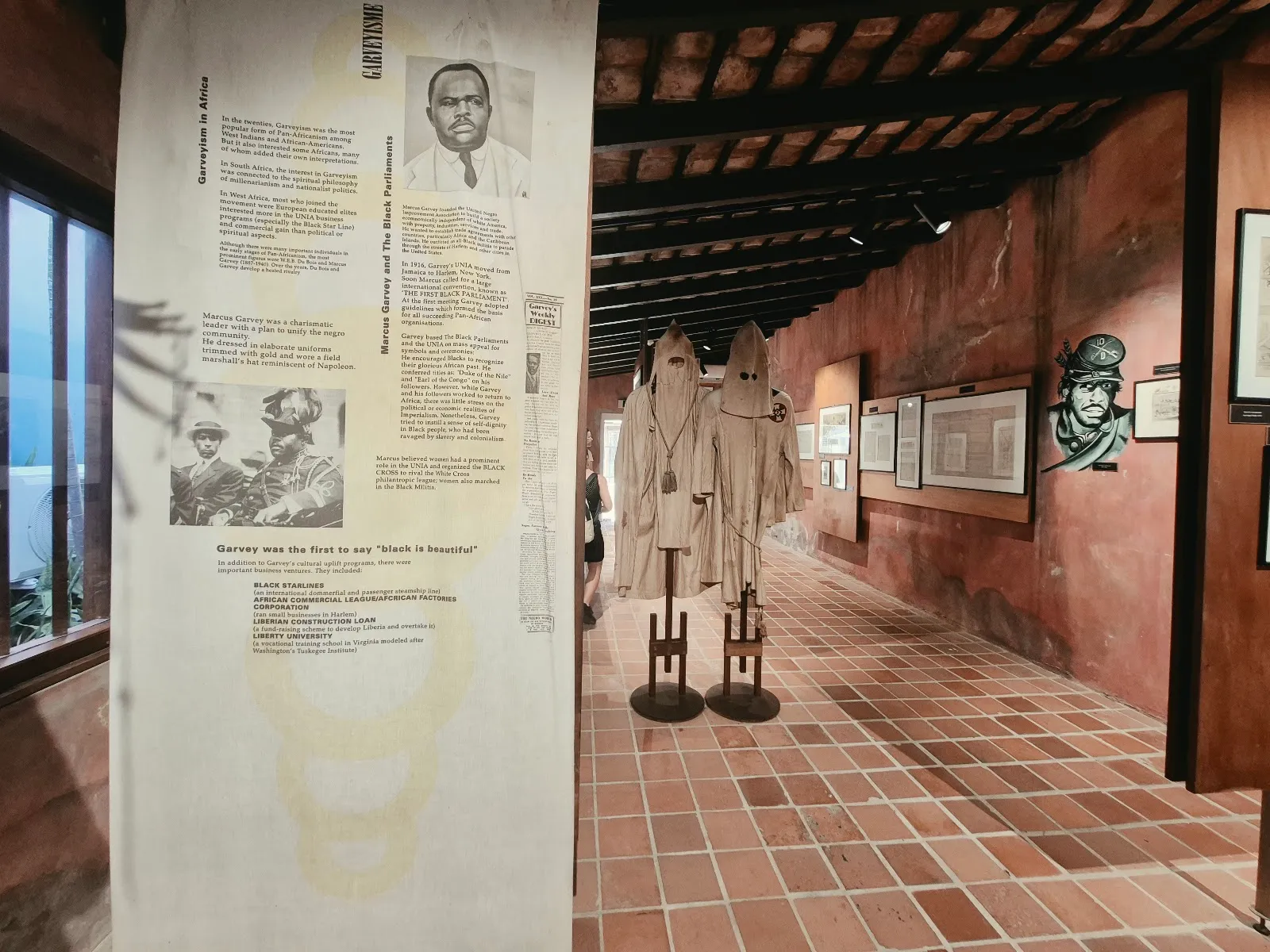
The central story follows the trade from the capture of Africans through the Middle Passage and their sale and forced relocation in the Americas. Exhibits explain Curaçao’s role in the Dutch trade and the effects of slavery on the island and the wider Caribbean. Historical documents and objects, including bills of sale, shackles and personal items, put individual lives alongside the wider system.
A section devoted to the Middle Passage includes a recreation of a ship’s hold. Displays also examine the tools used to capture, brand and punish enslaved people. The material is difficult, but it provides context for understanding how the trade operated and how it shaped Curaçao’s history.
African art and cultural history
African art and artifacts give space to the cultures and histories of the people targeted by the trade, beyond the account of their enslavement. The collections include works from West Africa and objects associated with African civilizations. Other exhibits cover the culture of enslaved people and the abolition of slavery.
The museum also places African heritage in a Caribbean context. Its sculpture garden explores African influences on the region, while displays connect the island’s history with the broader African diaspora. Together, these collections bring the story beyond the trade itself to the cultural legacy that remains part of Curaçao and the Caribbean.
FAQ
Where is Museum Kura Hulanda?
It is at 9 Klipstraat in the Otrobanda district of Willemstad, Curaçao.
What does Museum Kura Hulanda cover?
The museum explores the transatlantic slave trade, Curaçao’s role in it, the Middle Passage and African cultural heritage. Its collections include African art and artifacts, historical documents and exhibits on the African diaspora.
Is there an admission fee?
Yes, admission is charged. The available information does not state the price.


