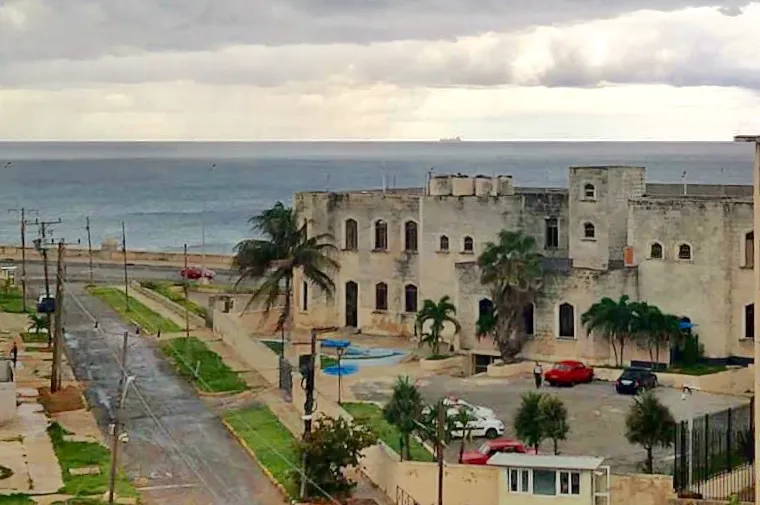
Plaza de Armas is Havana’s oldest square, laid out soon after the city was founded in 1519. Its shaded garden, royal palms and white statue of independence leader Carlos Manuel de Céspedes make a calm pause in Old Havana. Look around the surrounding colonial buildings, including the former governors’ palace, now the City Museum, and browse the second-hand book and antique stalls. A guide can explain the square’s role in Havana’s early history; nearby Castillo de la Real Fuerza and El Templete make natural additions to a walk.
A square at the start of Havana
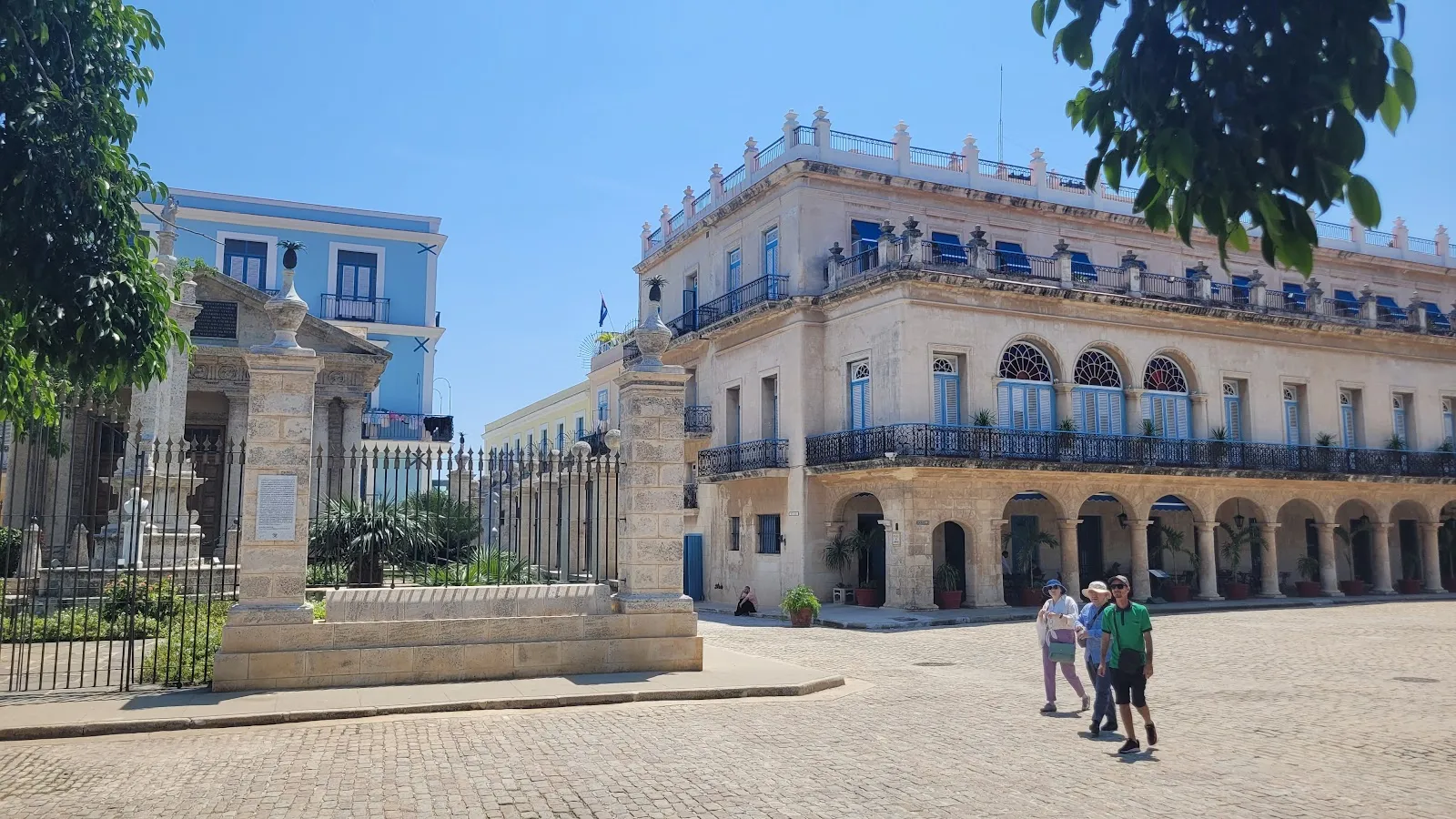
Plaza de Armas was laid out shortly after Havana’s founding in 1519. It began as the city’s administrative center and a military gathering ground, which accounts for its name. The square’s role changed over time, but its location among the oldest streets of Havana remains a useful starting point for exploring the historic center.
The white statue in the garden depicts Carlos Manuel de Céspedes, who initiated Cuba’s independence movement and began the Ten Years’ War in 1868. The surrounding palms and benches give the square a quieter feel than the streets around it. Take a moment to look across the garden at the balconies, arcades and courtyards of the buildings around the plaza.
Buildings around the garden
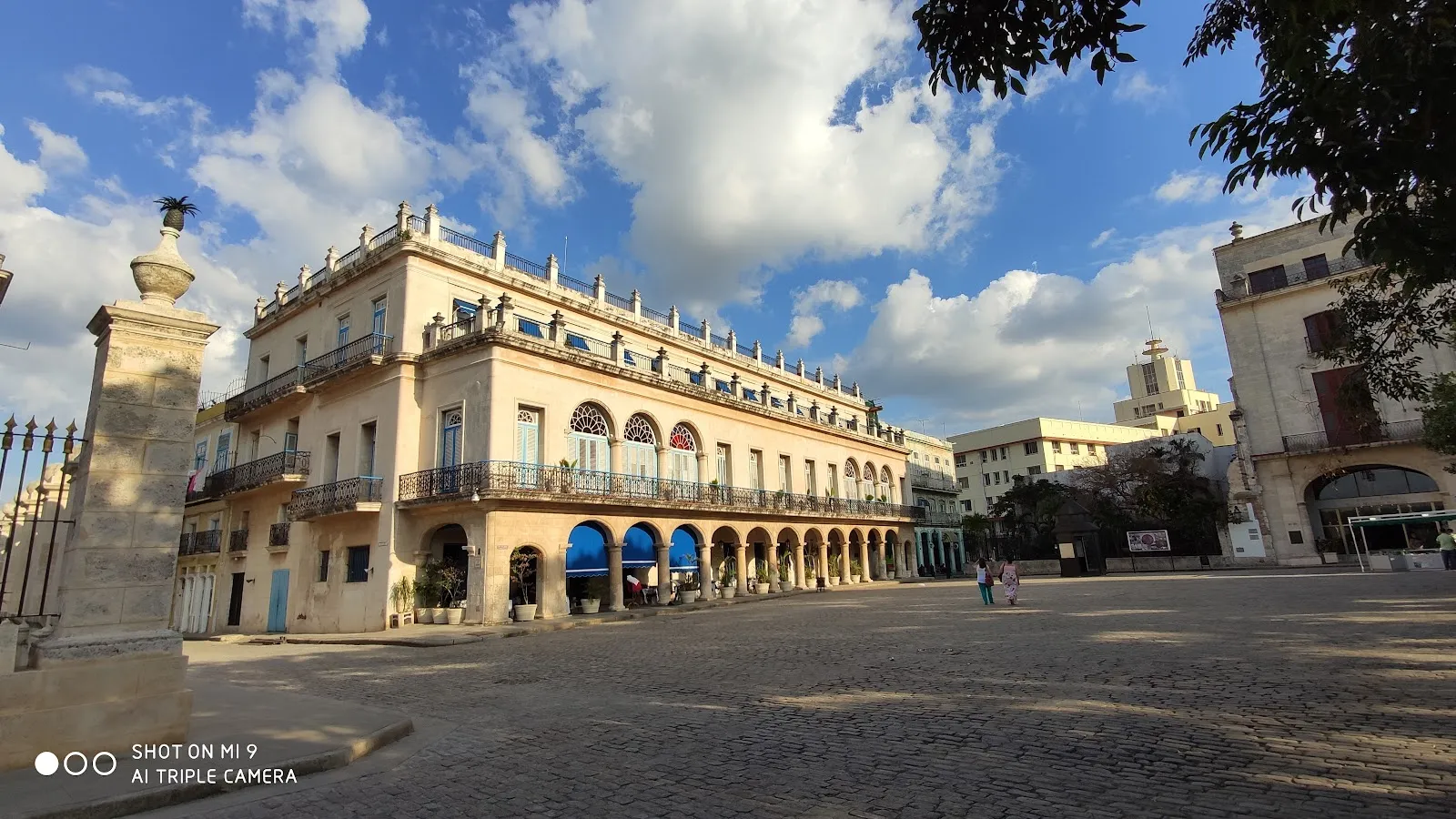
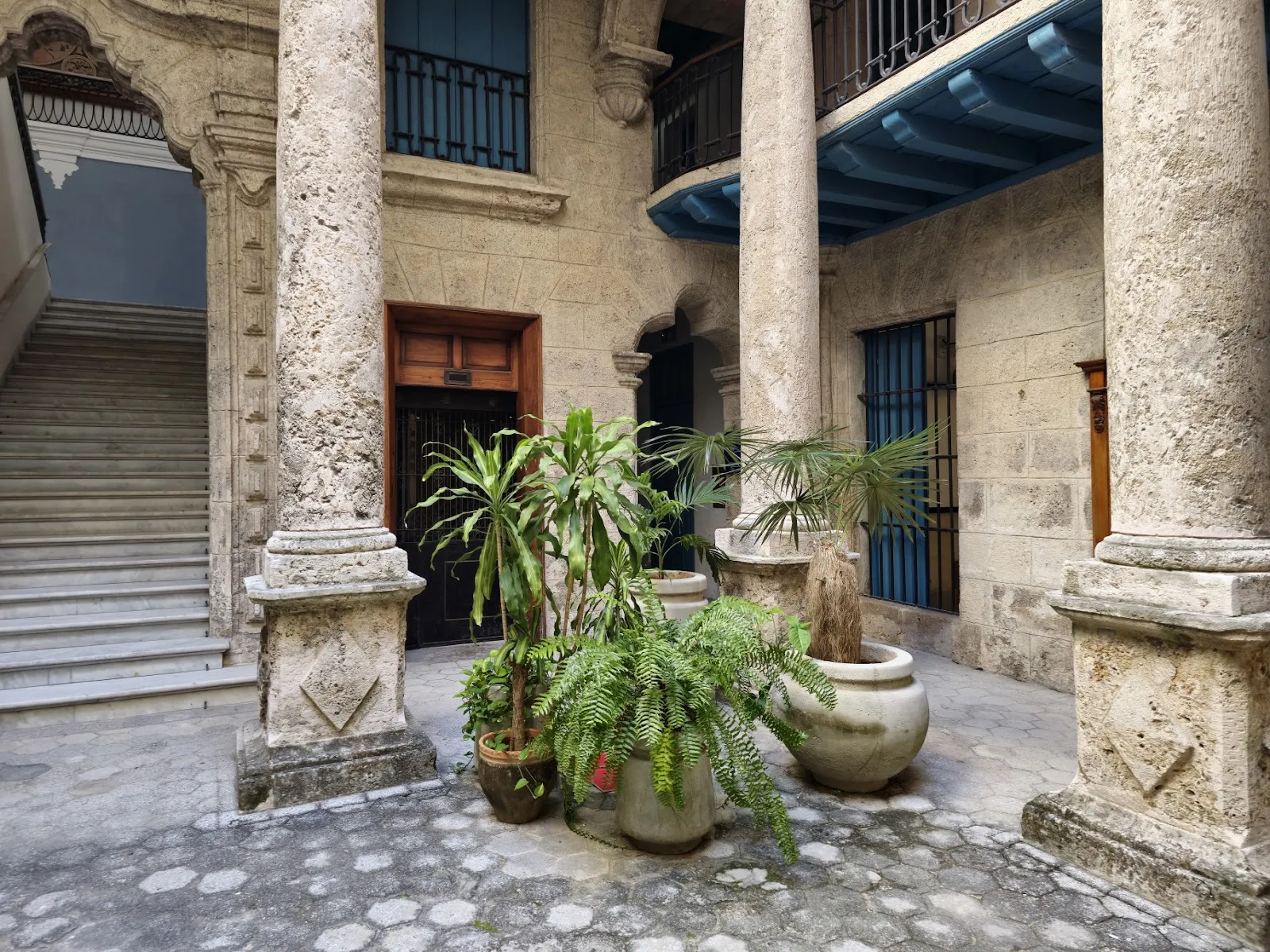
The Palacio de los Capitanes Generales, built in the late 18th century for Spain’s colonial governors, is now the Museo de la Ciudad, or City Museum. Its broad façade has double arcades, and inside, a large courtyard sits among stone passageways and grand salons. The museum presents Havana’s history, including objects connected with the explosion of the USS Maine in Havana harbor in 1898.
The Palacio del Segundo Cabo, completed in 1772, began as the Royal Post Office before later becoming the residence of the army’s vice-captain general. Its portico looks toward the former governors’ palace. Nearby, El Templete marks the place associated with Havana’s first mass and council meeting. Castillo de la Real Fuerza, one of the oldest surviving forts in the Americas, is also close by.
Books and antiques at the stalls
Stalls in the square sell second-hand books and antiques. The selection can include Cuban history and political titles, art books, old magazines, photographs, coins, stamps and postcards. Some items date back several decades, and socialist-era memorabilia is among the finds. If you do not read Spanish, art books and visual keepsakes are easier choices to browse.
The market is present on many days, but it does not run every day. Stallholders may be open to bargaining. A walk through the plaza also fits into a route linking Old Havana’s four main squares: Plaza Vieja, Plaza de San Francisco, Plaza de la Catedral and Plaza de Armas. A guide can add detail about the buildings and the square’s changing purpose.
FAQ
How old is Plaza de Armas?
It was laid out shortly after Havana was founded in 1519, making it the city’s oldest square.
What can you see around Plaza de Armas?
The square is surrounded by historic buildings, including the Palacio de los Capitanes Generales, now the City Museum. El Templete and Castillo de la Real Fuerza are nearby.
What is sold at the Plaza de Armas market?
Stalls sell second-hand books and antiques, including old magazines, photographs, coins, stamps and postcards. The market operates on select days.
Is Plaza de Armas wheelchair accessible?
The square has a wheelchair-accessible entrance.