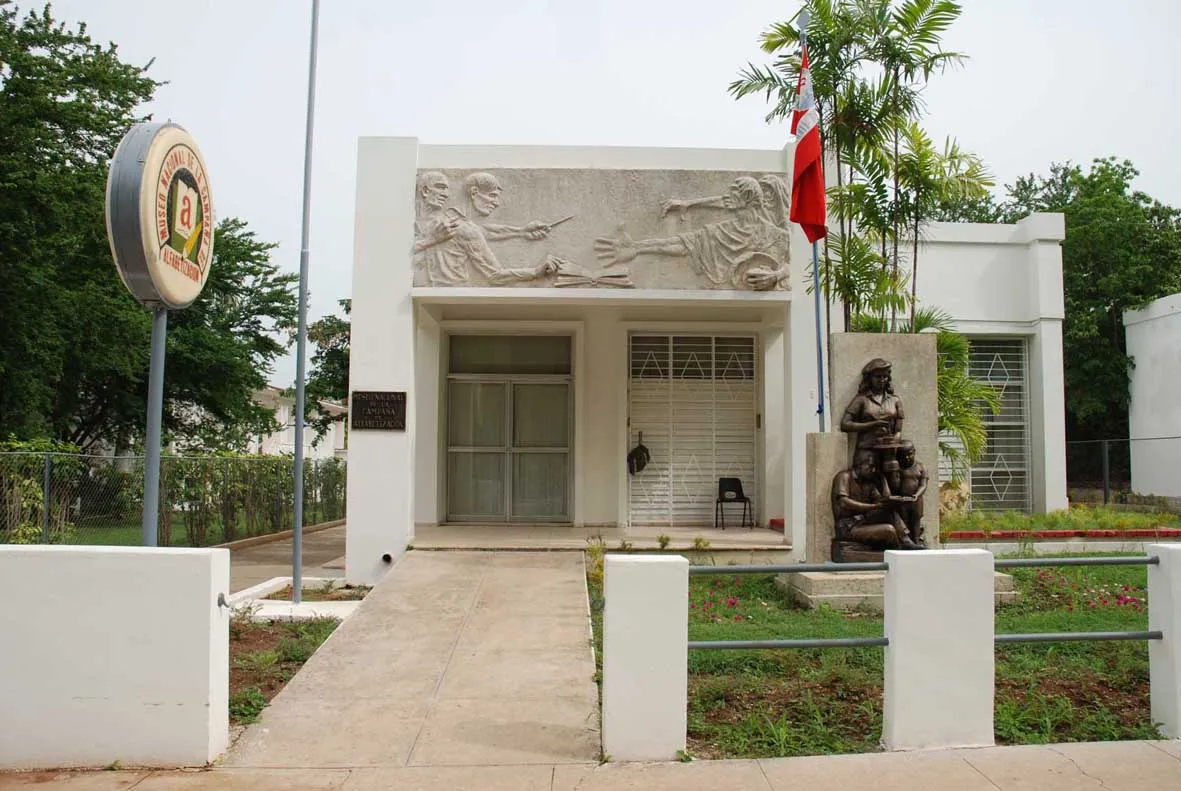
In Havana, the National Museum of the Literacy Campaign documents Cuba’s drive to teach people to read and write from October 1960 to February 1962. Its collection includes campaign papers, photographs, personal testimonies and belongings connected with those who took part, including the Martyrs of Literacy. Guided tours add context to the displays, and staff can help explain individual objects. Allow time to read the material; the museum’s focus is on the people and records behind this period of Cuban history.
The literacy campaign in context
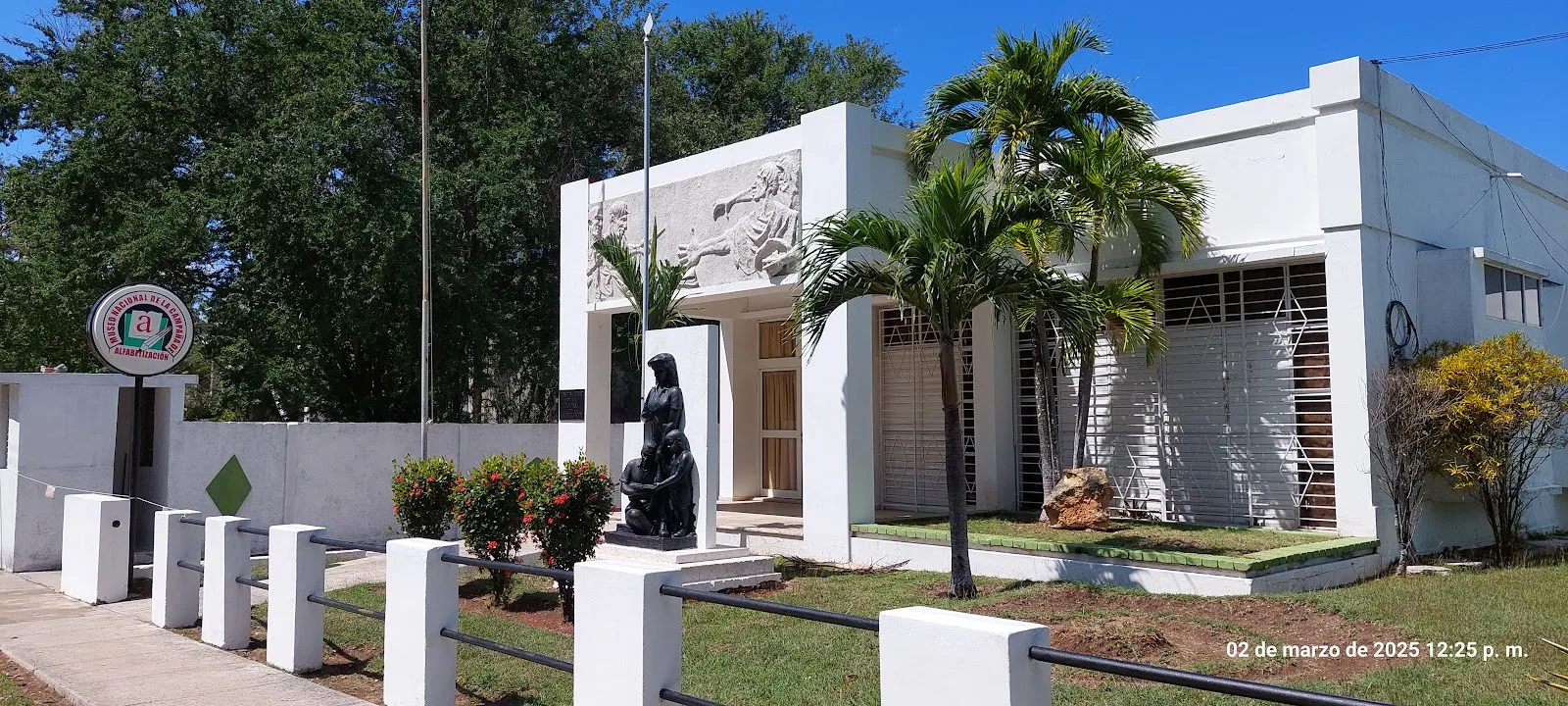
The museum covers Cuba’s literacy campaign from October 1960 to February 1962. Its displays use documents, photographs and personal testimonies to tell the story of the campaign and the people connected with it.
Belongings associated with the Martyrs of Literacy add a personal dimension to the historical records. Together, these materials offer a view of the campaign through both its documents and the lives tied to it.
Reading the displays
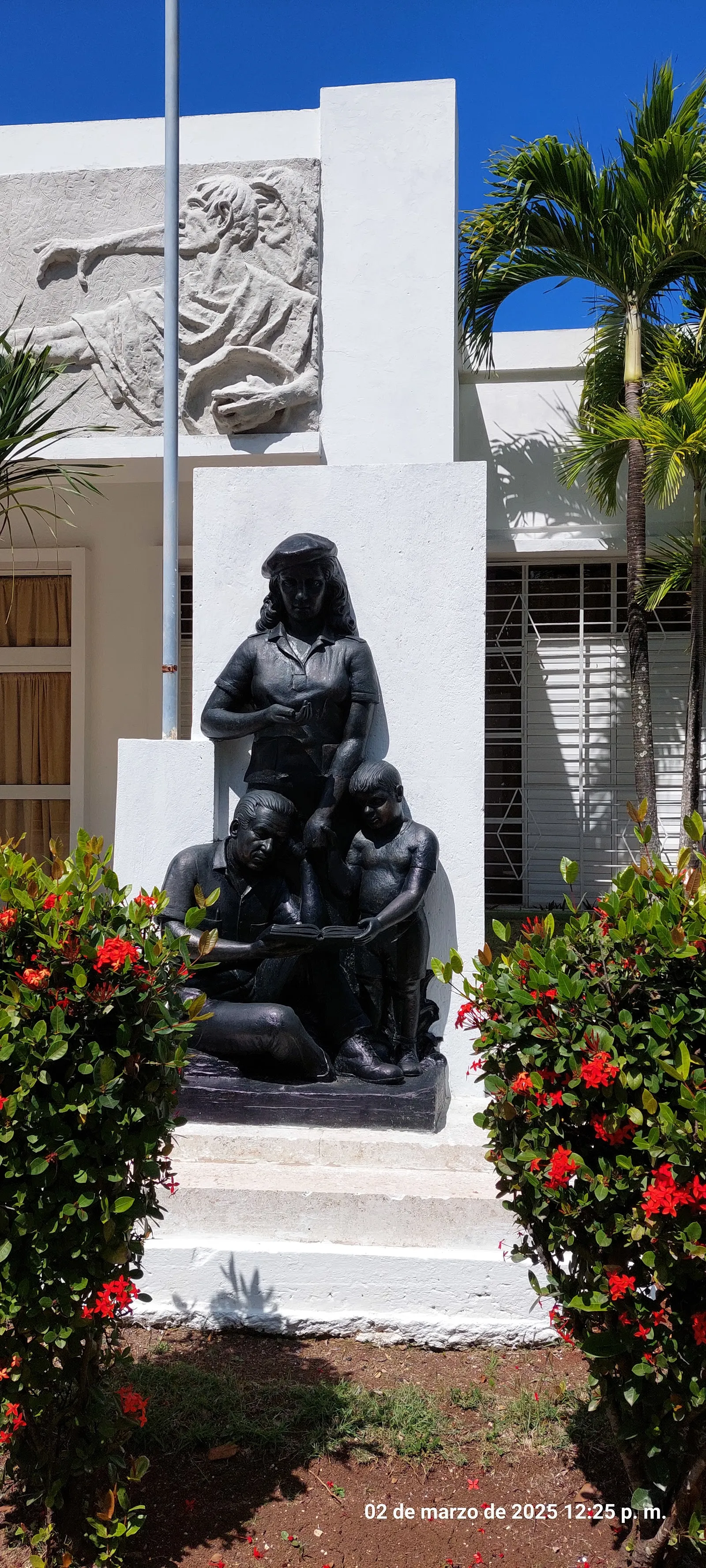
Take time with the written material as well as the photographs and objects. Staff can help explain individual pieces and the stories behind them. Guided tours provide further context for the exhibits.
FAQ
What does the museum cover?
It documents Cuba’s literacy campaign from October 1960 to February 1962.
What can you see inside?
The collection includes documents, photographs, personal testimonies and belongings connected with the campaign and the Martyrs of Literacy.
Are guided tours available?
The museum has guided tours that provide context for the displays.