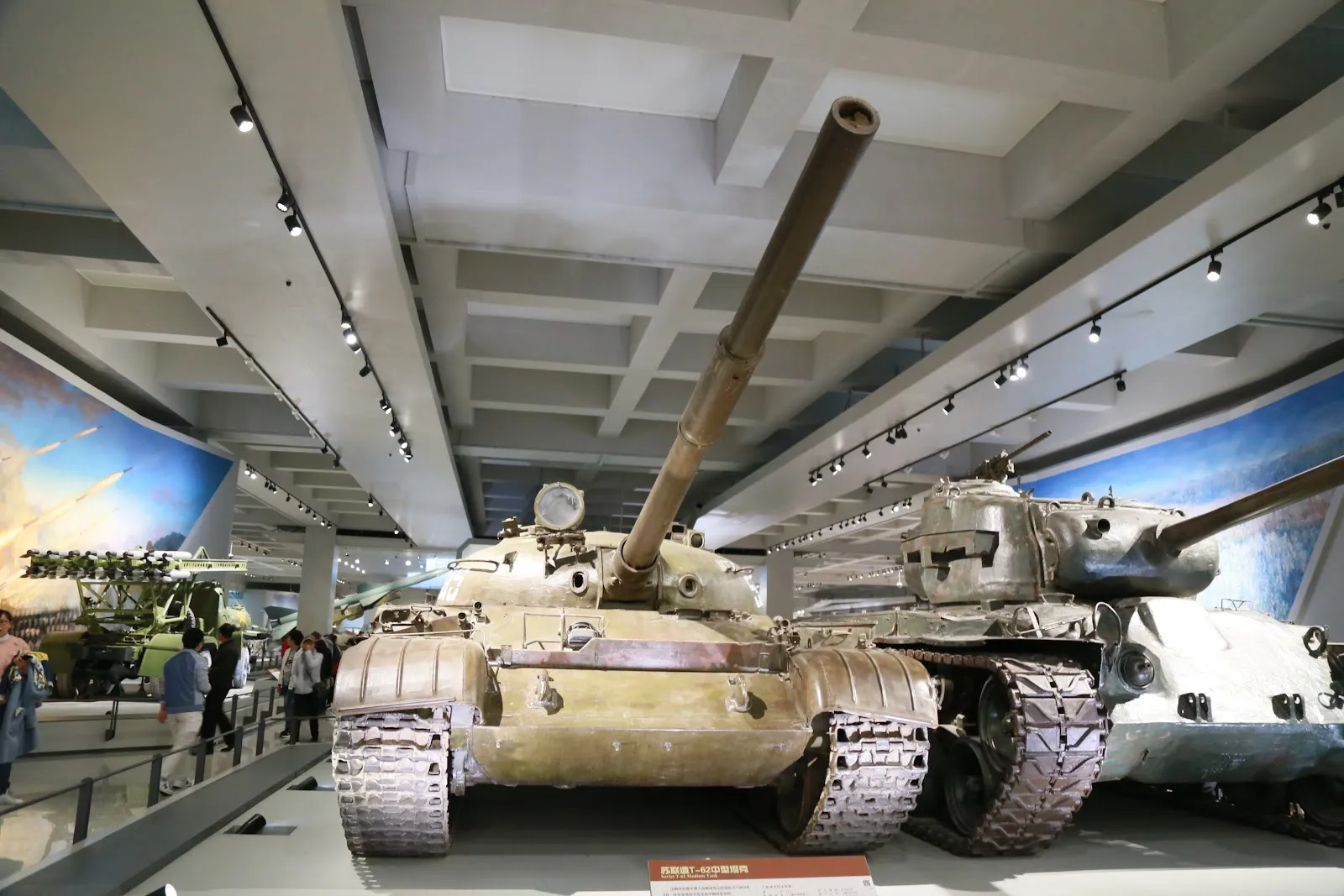
The Military Museum of the Chinese People's Revolution, at 9 Fuxing Road in Beijing’s Haidian District, traces Chinese military history through weapons, documents, photographs and other historical objects. Its collections include tanks, aircraft, artillery and smaller arms, with displays focused on conflicts including the Second Sino-Japanese War, the Chinese Civil War and the Korean War. The basement is a good place to spend time with the large military equipment, while the first floor has model aircraft and tanks. English information is limited, so the objects often do much of the explaining.
Collections across the galleries
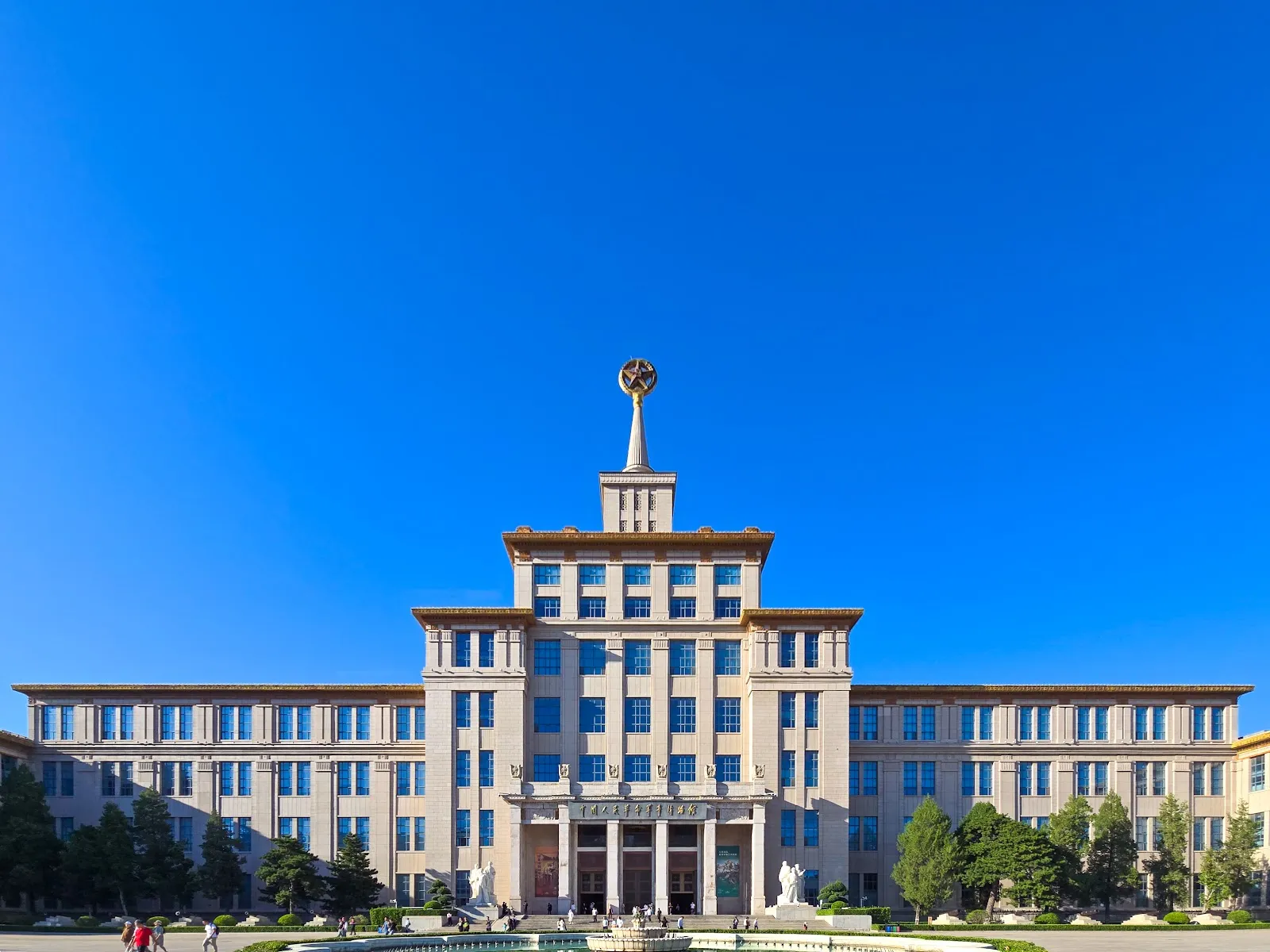
The museum brings together military equipment, photographs, documents and other historical objects. Its displays cover periods of Chinese military history, with particular attention to the Second Sino-Japanese War, the Chinese Civil War and the Korean War. The collection ranges from small arms to aircraft, tanks and artillery.
Among the equipment on display are Chinese Cold War-era fighter planes, surface-to-air missiles and captured American tanks from the Korean conflict. The museum also presents wreckage from a U-2 aircraft. Displays include both Chinese and foreign weapons, so the collection extends beyond equipment made in China.
Start with aircraft, tanks and artillery
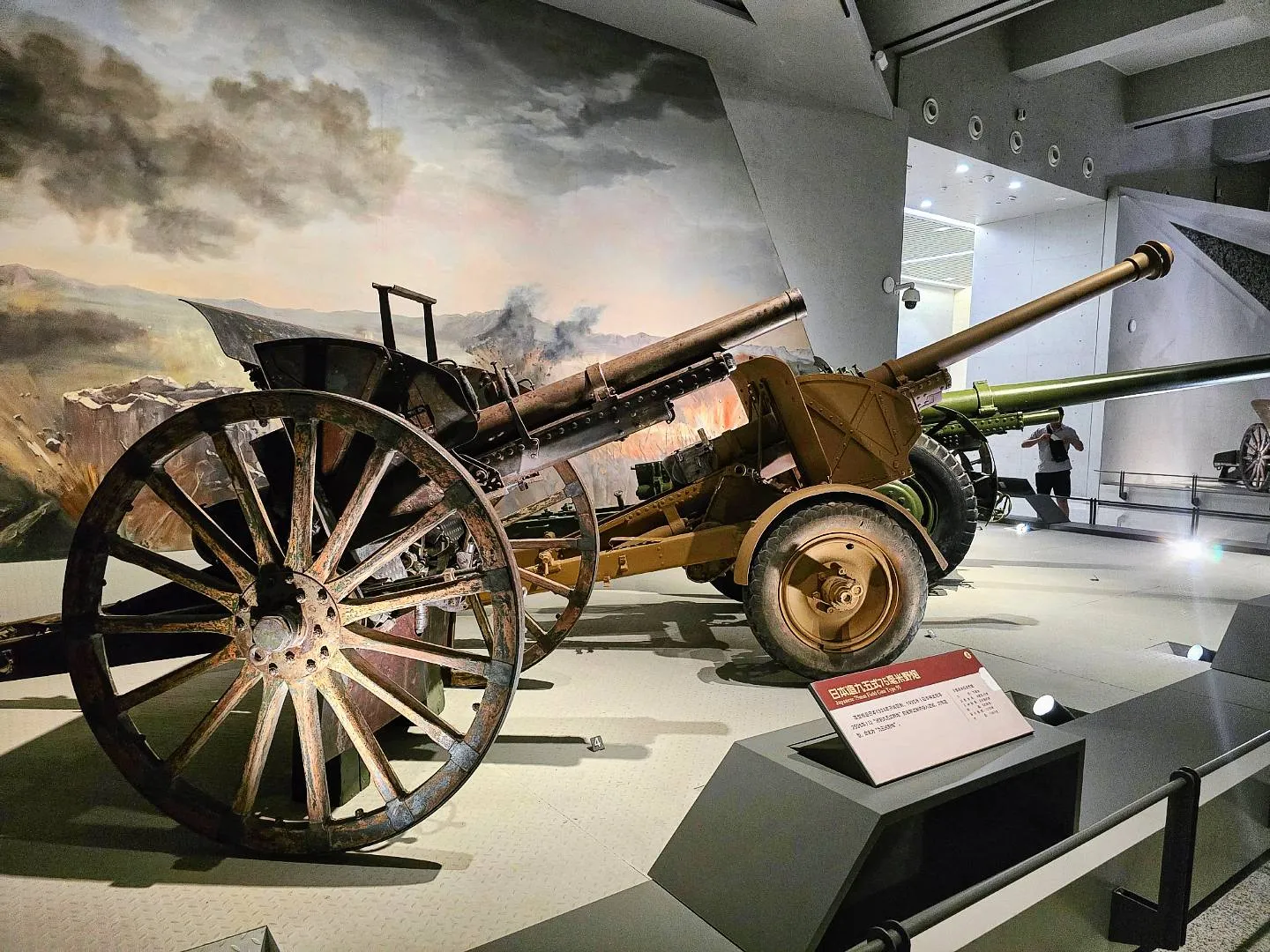
The first floor and the basement are useful starting points if large equipment is your priority. The first floor includes model aircraft and tanks. Below ground, the displays focus on armor and artillery, including equipment associated with the Second World War and the Korean War.
The collection includes restored military equipment as well as historical objects. You can see aircraft, trucks, boats, guns and artillery, along with tanks and other armored vehicles. A model submarine is large enough to walk through.
History beyond the machinery
Alongside its military equipment, the museum uses photographs, documents and artifacts to tell stories of conflict and political change. One major display focuses on the Chinese resistance to the Japanese invasion from 1937 to 1945. Other material covers the Korean War, the Opium War, and the Taiping and Boxer Rebellions.
Artwork is also part of the visit, with an art gallery among the museum’s displays. The range of material makes it possible to move between large objects, written records and visual works, though English-language information is limited in parts of the museum.
Plan time for a long visit
The museum is large, and a thorough visit can take at least three to four hours. If you have less time, prioritize the first floor and basement for aircraft, tanks, armor and artillery. Visitors who stop to read the display notes throughout may need longer.
Check the museum’s current reservation instructions before setting out. The supplied visitor information points to a reservation through its WeChat mini-program, while entry arrangements have not been consistent. Bring snacks and drinks for a longer visit; seating is available around the galleries.
FAQ
How long should I spend at the Military Museum of the Chinese People's Revolution?
Allow at least 3 to 4 hours to explore the museum. Reading the displays throughout can take longer.
What should I see first?
Start with the first floor for model aircraft and tanks, then visit the basement galleries for armor and artillery.
Do I need to reserve tickets?
The supplied visitor information advises reserving through the museum’s WeChat mini-program. Check the current entry instructions before your visit, as arrangements have varied.
Is there much information in English?
English information is limited in parts of the museum, so some displays may be harder to follow without reading Chinese.