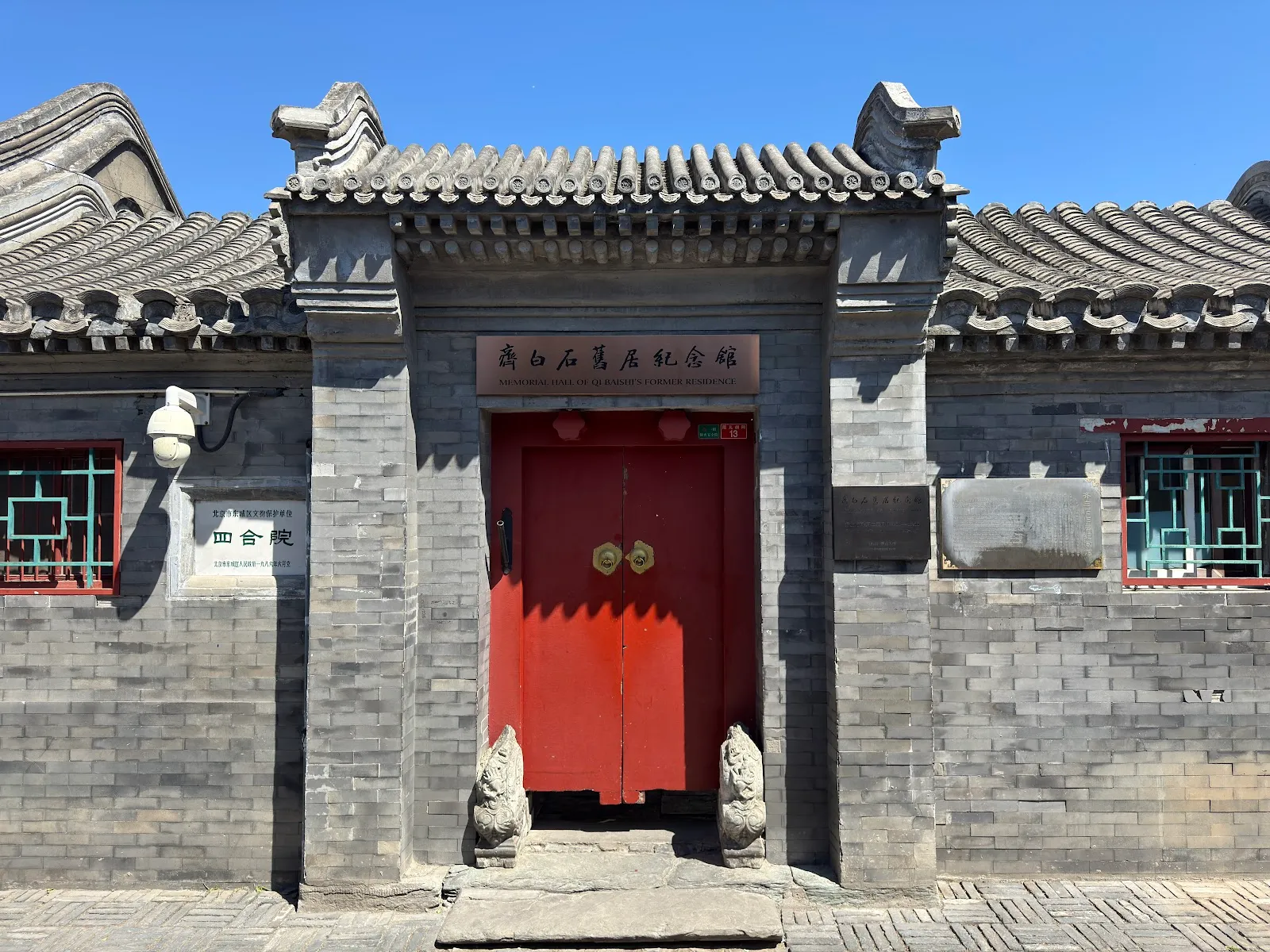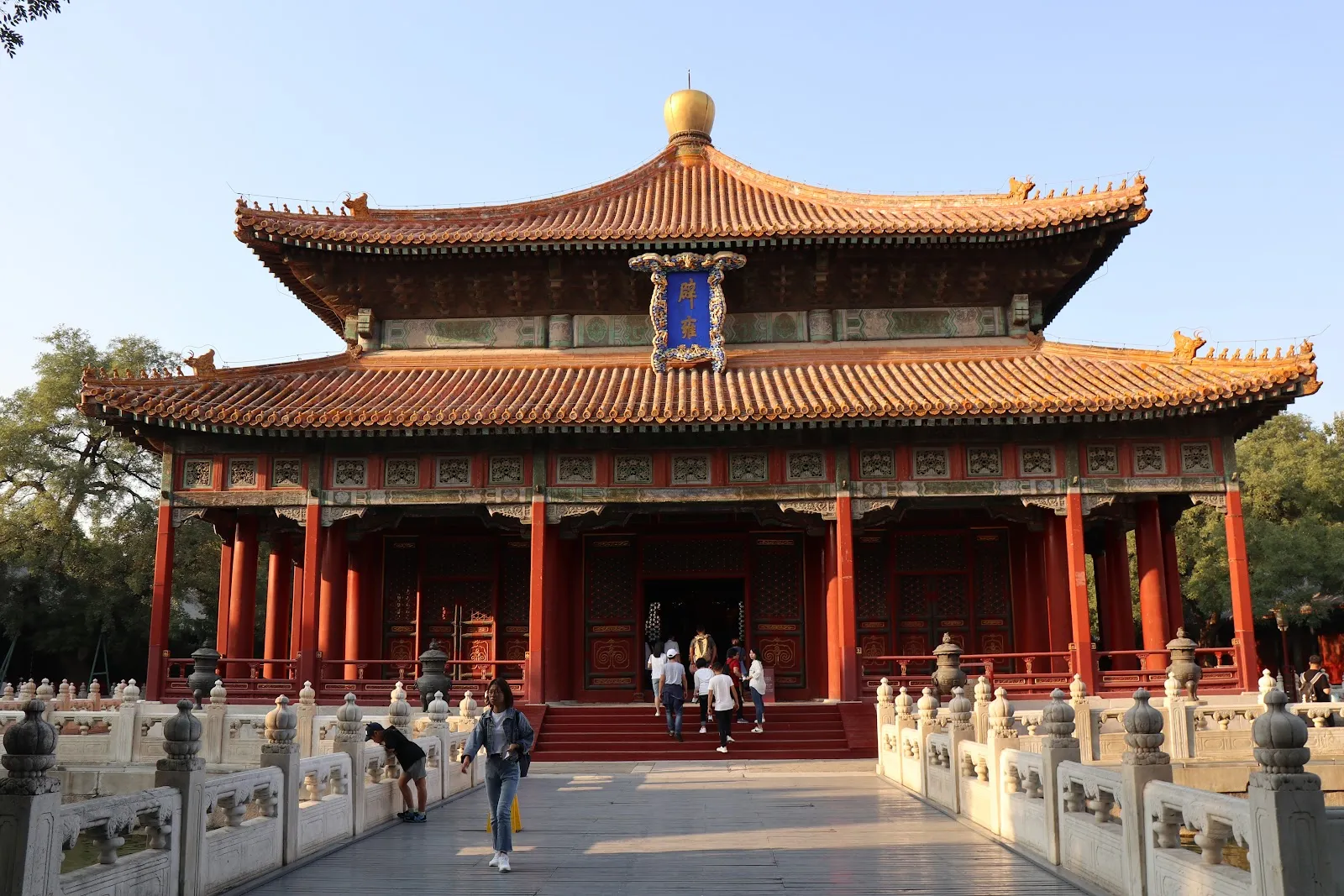
Beijing Temple of Confucius is a historic temple complex on Guozijian Street in Dongcheng, beside the former Imperial College. Built in 1302, it honoured Confucius and hosted ceremonies led by imperial officials. Walk among cypress trees, carved stone steles and traditional halls, including the Hall of Great Accomplishment, and look for inscriptions recording scholars who passed the imperial examinations. English information boards explain Confucian teachings and the scholar selection system. Set aside two to three hours to explore the temple and its neighbouring college at an unhurried pace.
A temple beside the Imperial College
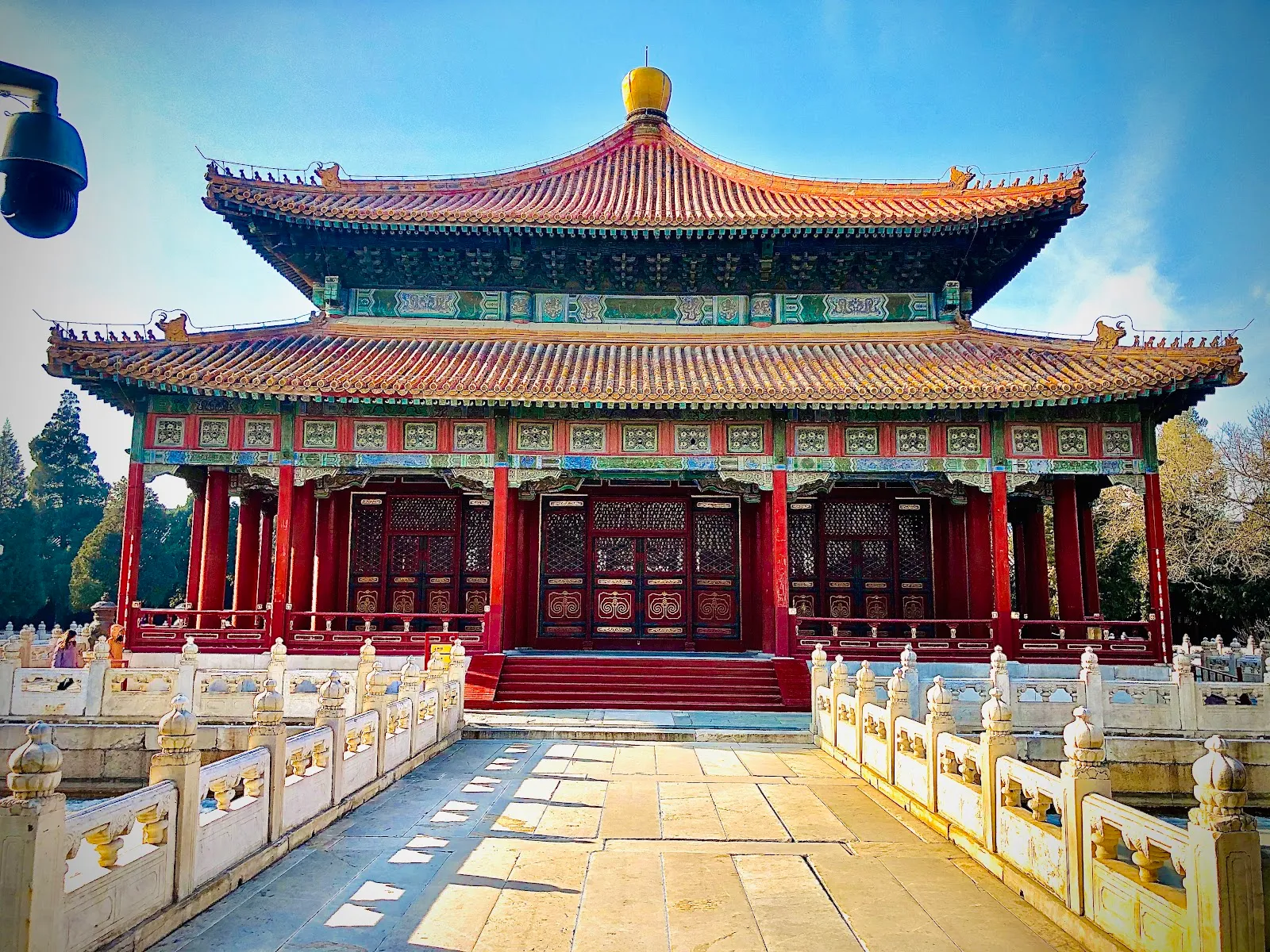
The Beijing Temple of Confucius stands on Guozijian Street, next to the former Imperial College, also known as Guozijian. The complex was built in 1302 during the Yuan dynasty and served as a place for imperial officials to honour Confucius. Its connection with the college gives the visit a focus beyond the temple buildings: nearby, scholars studied the classics and prepared for civil service examinations.
The temple continued to be used for ceremonies until the early 20th century. The complex was expanded and restored over time, and its traditional architecture remains central to the experience. The site is among China's largest Confucian temples, second in size to the temple in Qufu, Confucius's hometown.
Halls, courtyards and stone inscriptions
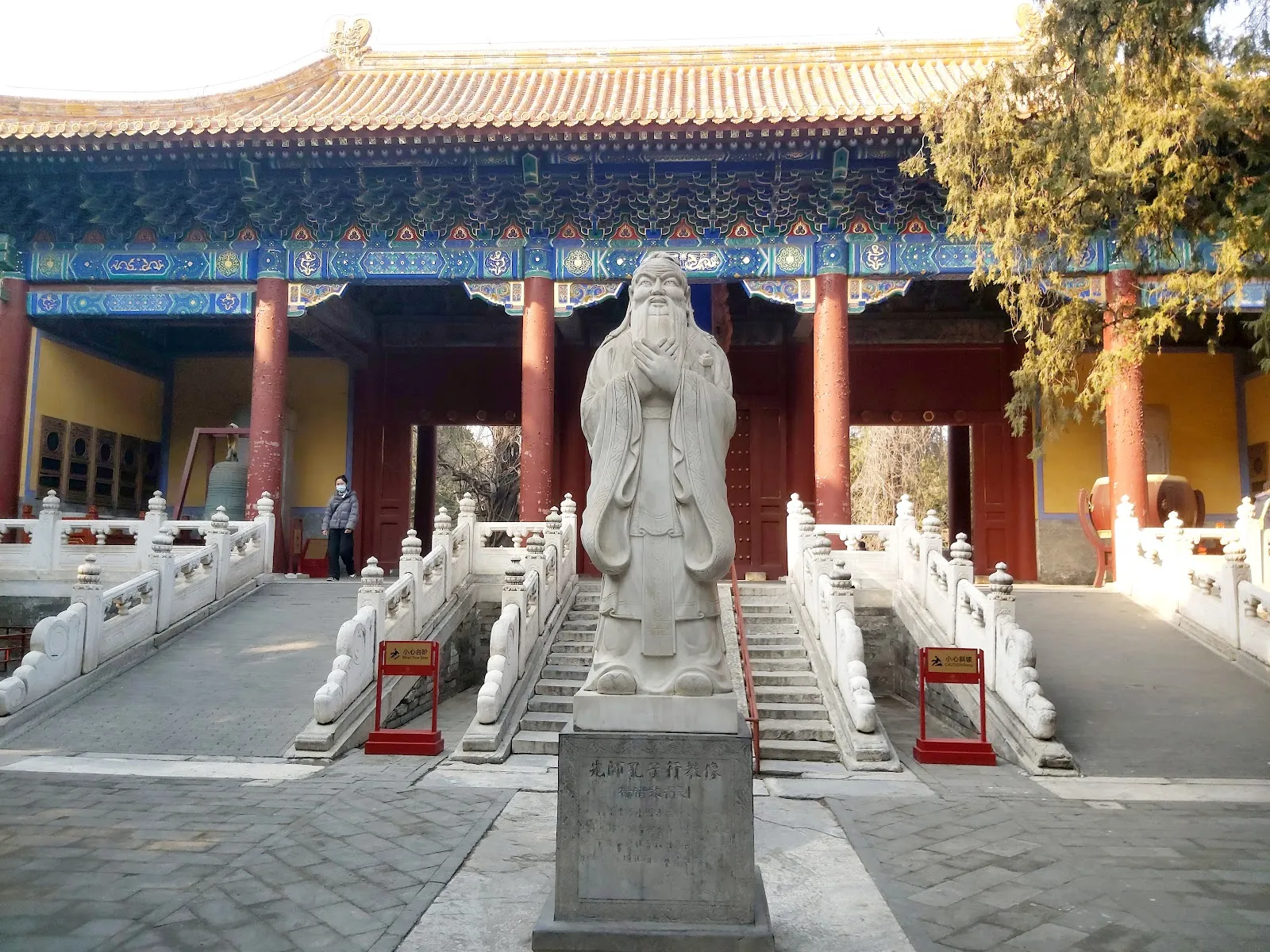
Follow the central axis through a sequence of courtyards and gates. The Hall of Great Accomplishment, also called Dacheng Hall, is the main hall. Inside, a shrine and funeral tablet honour Confucius, with statues of Confucian scholars arranged nearby. Cypress trees shade parts of the grounds, where the quieter setting leaves room to pause between buildings.
Look closely at the stone steles. The temple grounds contain 198 tablets engraved with the names of scholars who passed the imperial examinations. Their inscriptions make the education system tangible: these are records of people who succeeded in examinations that determined entry to government service. Carved stonework, sculptures and paintings add detail to a walk through the courtyards.
Understanding Confucian teaching and examinations
English information boards explain Confucian philosophy and the teacher's influence. They also describe how scholars were selected and the examinations they took. Allow time to read them if you want context for the halls and inscriptions; a quick walk through the grounds will show the architecture, but the explanations give the college connection more meaning.
The neighbouring Imperial College adds another part of the story. It was where students studied the Chinese classics, and its close position makes it easy to include with the temple. Together, the two sites connect Confucius's teachings with the education and examination system that shaped imperial administration.
FAQ
Where is the Beijing Temple of Confucius?
It is at 15 Guozijian Street in Beijing's Dongcheng district, beside the former Imperial College.
How long should I spend at the temple?
Plan on two to three hours to explore the temple and its neighbouring college at an unhurried pace.
What can I see at the Beijing Temple of Confucius?
The complex has traditional halls, shaded courtyards, sculptures and stone tablets engraved with the names of scholars who passed the imperial examinations.
Can I buy tickets in advance?
Advance tickets are recommended. You can purchase tickets through WeChat or at the entrance.