On Grand Cayman’s North Side, Queen Elizabeth II Botanic Park brings together tropical gardens, woodland paths and a lake habitat. Follow the Orchid Boardwalk, see the gardens arranged by flower colour and look for blue iguanas, parrots and other wildlife. The Cayman Heritage Garden gives a glimpse of traditional island planting, while a shaded children’s area has a maze and climbing structures. Orchid displays are especially rewarding in May and June. Allow at least an hour or two to explore, and bring water and sun protection for the warm walk.
Gardens and island plants
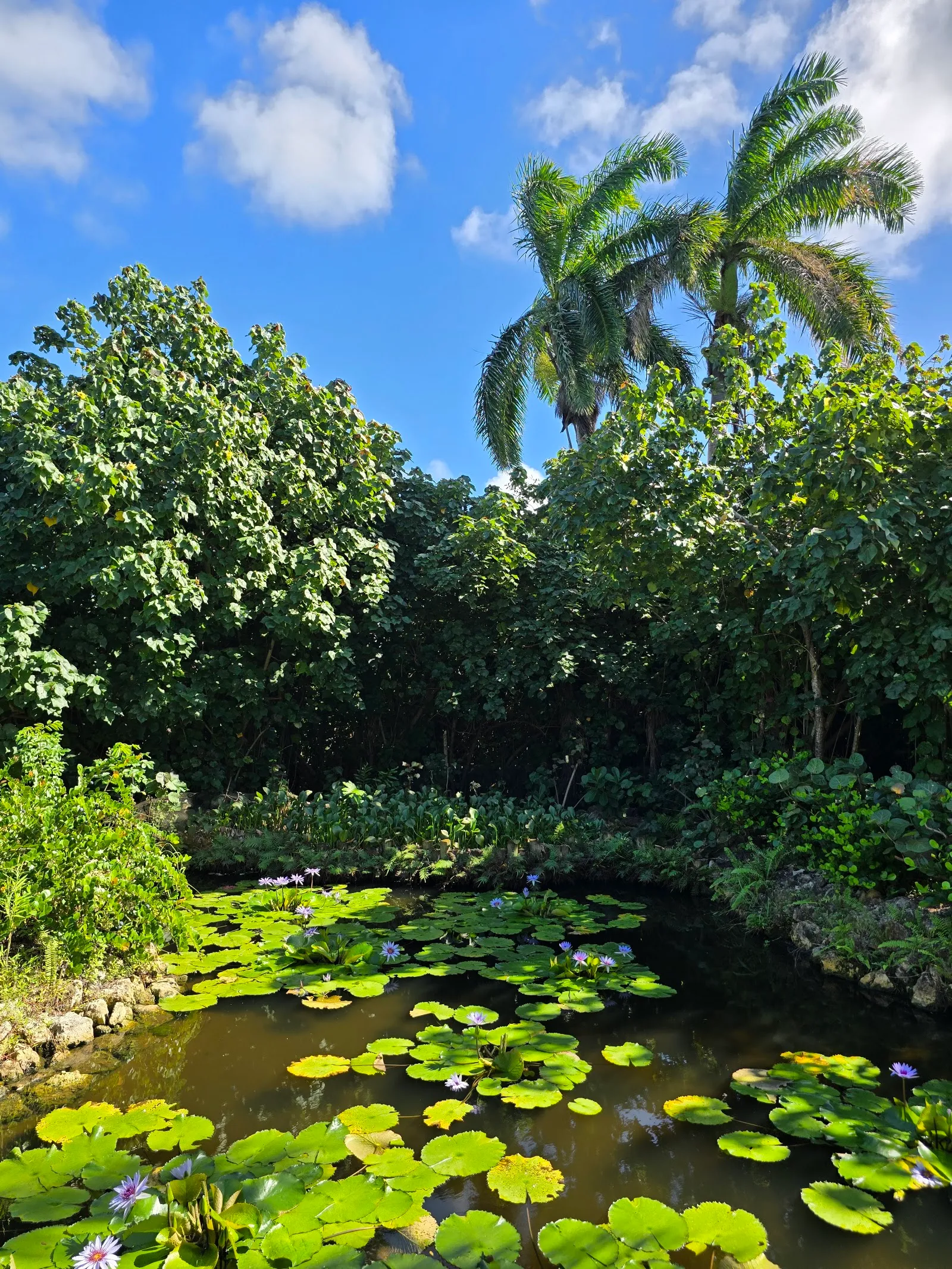
The park opened in 1994 to preserve the Cayman Islands’ native plants and wildlife. Its gardens combine formal displays with woodland, wetlands and ponds, so a walk takes you through several different settings. Paths and boardwalks link the gardens, and plant labels help identify what is growing along the way.
The Floral Colour Garden arranges flowers by hue, creating a route through changing bands of colour. In the Orchid Boardwalk garden, look for native orchid varieties, including the wild banana orchid, the Cayman Islands’ national flower. Orchids are in bloom around late May and June, though what you see depends on the season.
The Cayman Heritage Garden presents traditional island planting alongside a model of an old-style Caymanian home. Fruit trees and other useful plants show how gardens were connected to everyday life. The Woodland Trail adds a less formal walk among native trees and other local plants.
Blue iguanas and other wildlife
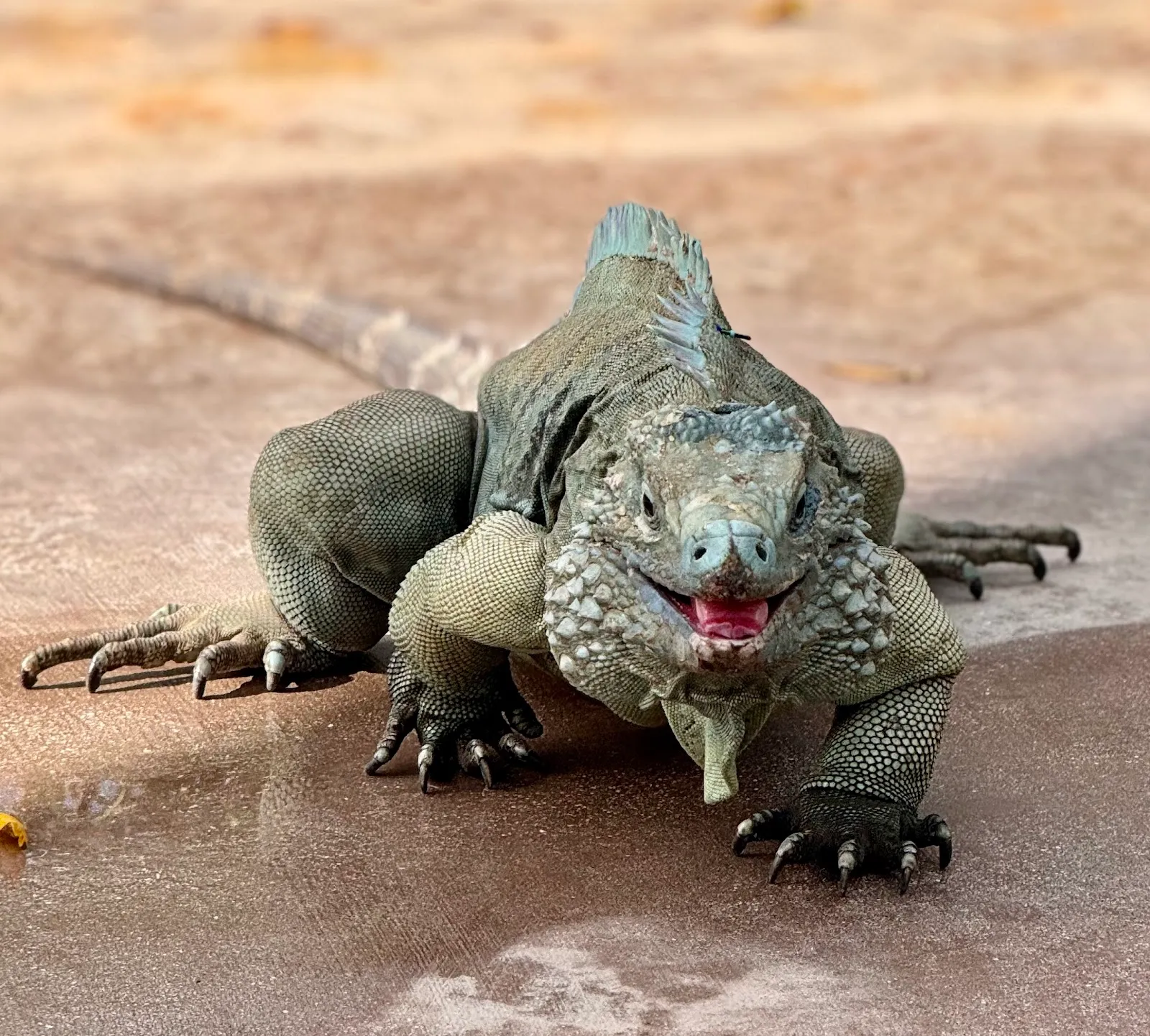
The park’s lake and surrounding habitat are important places to look for wildlife. The lake area supports the endangered Cayman blue iguana, a species native to Grand Cayman, and the park has a dedicated conservation facility. Iguanas may be seen basking or moving through the grounds; sightings in the open are not guaranteed.
Keep an eye on the water and trees as well. The lake is a habitat for rare aquatic birds, including the West Indian whistling duck, and parrots may be heard or seen nearby. Butterflies, agoutis and other animals also live in the park. Take your time on the paths and look around the edges of ponds and planting beds rather than hurrying between gardens.
Planning a walk with children
The grounds suit a slow visit, with benches in shaded spots for breaks between gardens. Families can add time at the children’s area, which includes a maze and structures for climbing and play. Bring water and sunscreen for the walk, particularly during the warmer part of the day.
The park is in the North Side district, and its gardens and trails are spread across a large site. An early start can help you explore before cruise-ship crowds arrive. Staff can point out plants, nests and other details along the way, so ask if you want help identifying what you find. For orchid displays, May and June are the period to target.
FAQ
How long should you spend at Queen Elizabeth II Botanic Park?
Allow at least one to two hours to walk through the gardens. Families may want extra time for the children’s play area.
When do the orchids bloom?
Orchids bloom around late May and June, though the display varies by season.
Can you see blue iguanas at the park?
The park has a conservation facility for endangered Cayman blue iguanas, and they may also be spotted around the grounds.
Is the park suitable for children?
Yes. There is a children’s area with a maze and climbing structures.