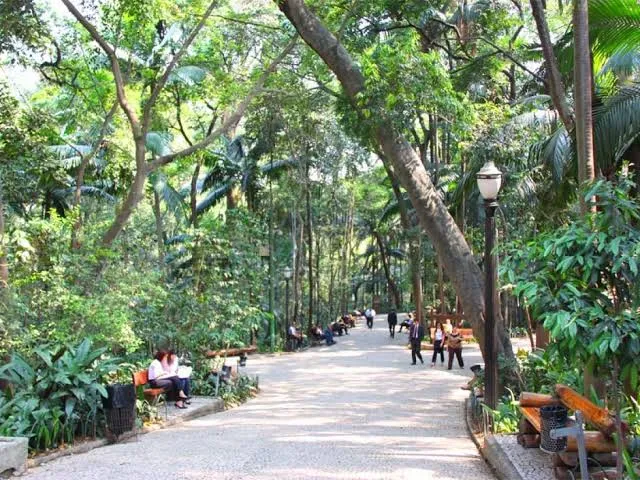
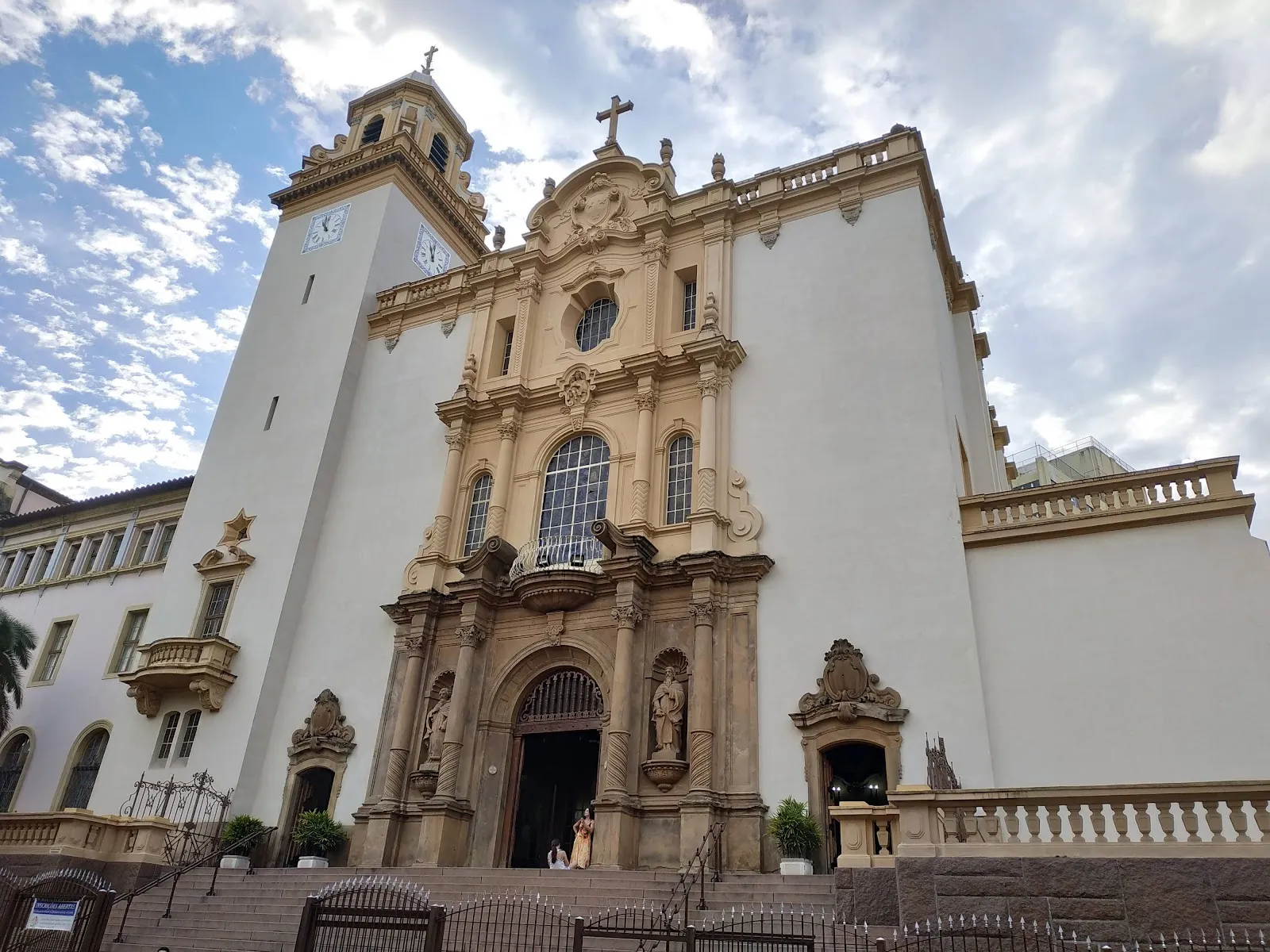
Ibirapuera Park is a large urban park in São Paulo, with lakes, lawns and walking and cycling routes alongside museums and modernist buildings by Oscar Niemeyer. Spend time outdoors, then visit the Afro-Brazil Museum, the Museum of Contemporary Art or the Planetarium. Playgrounds and sports courts make it a practical stop for families, while shaded areas and picnic spots suit a slower visit. The grounds are extensive, so choose a few areas or attractions rather than trying to cover the whole park at once.
A public park opened in 1954
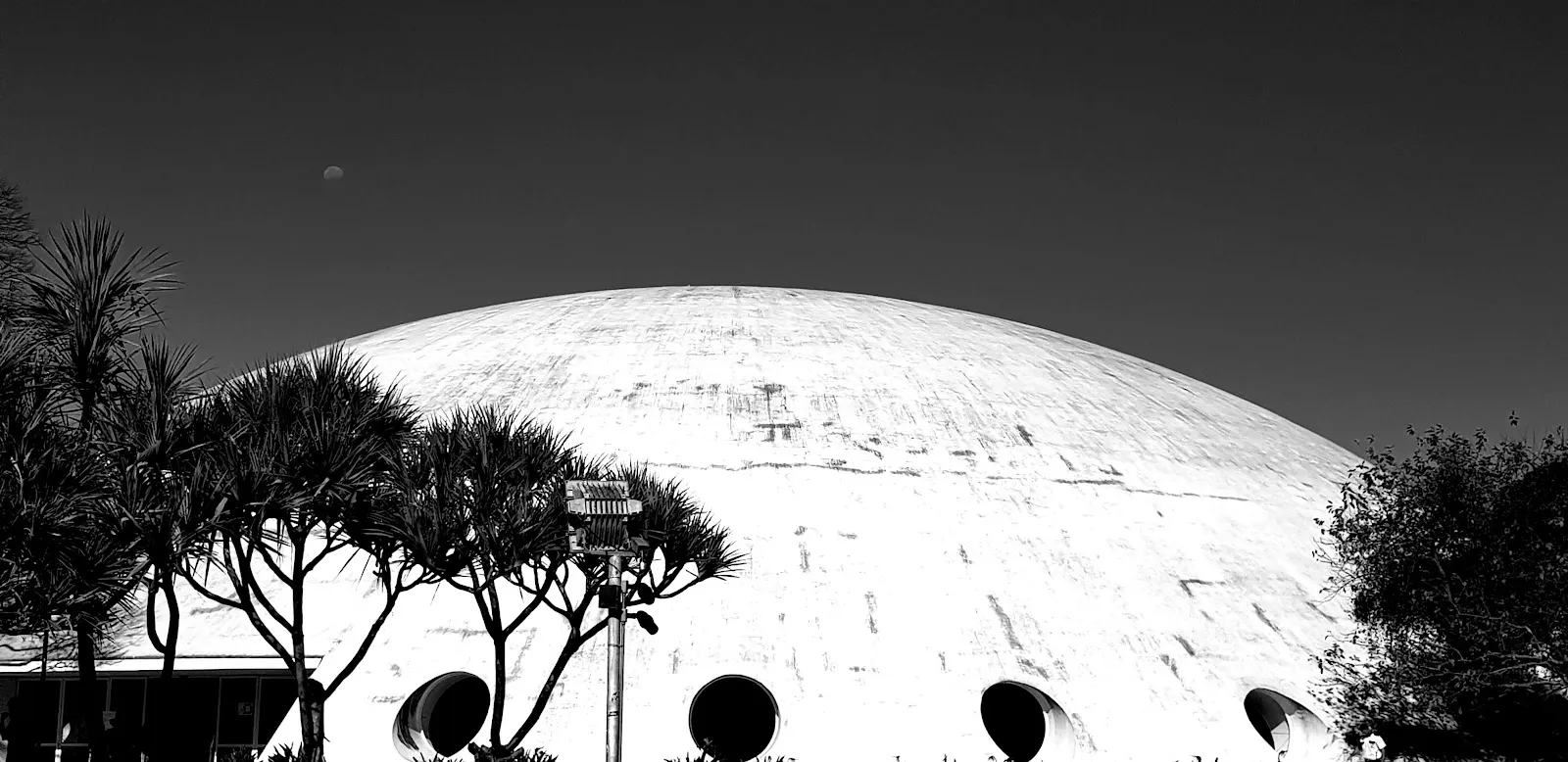
Ibirapuera Park opened in 1954 as part of São Paulo’s 400th-anniversary celebrations. Its grounds cover about 1.5 million square metres, with lawns, lakes, gardens and routes for walking, running and cycling. The scale is part of the appeal, but it also means the park is difficult to explore thoroughly in a short stop. Decide whether you are coming mainly for outdoor time, a museum visit or a mix of both, then choose your route accordingly.
The park combines recreation with cultural venues. Sports courts, playgrounds and picnic areas sit alongside museums, performance spaces and the Planetarium. You can make a day of walking and resting outdoors, or use the park as a setting for one or two specific attractions.
Niemeyer’s buildings and the cultural venues
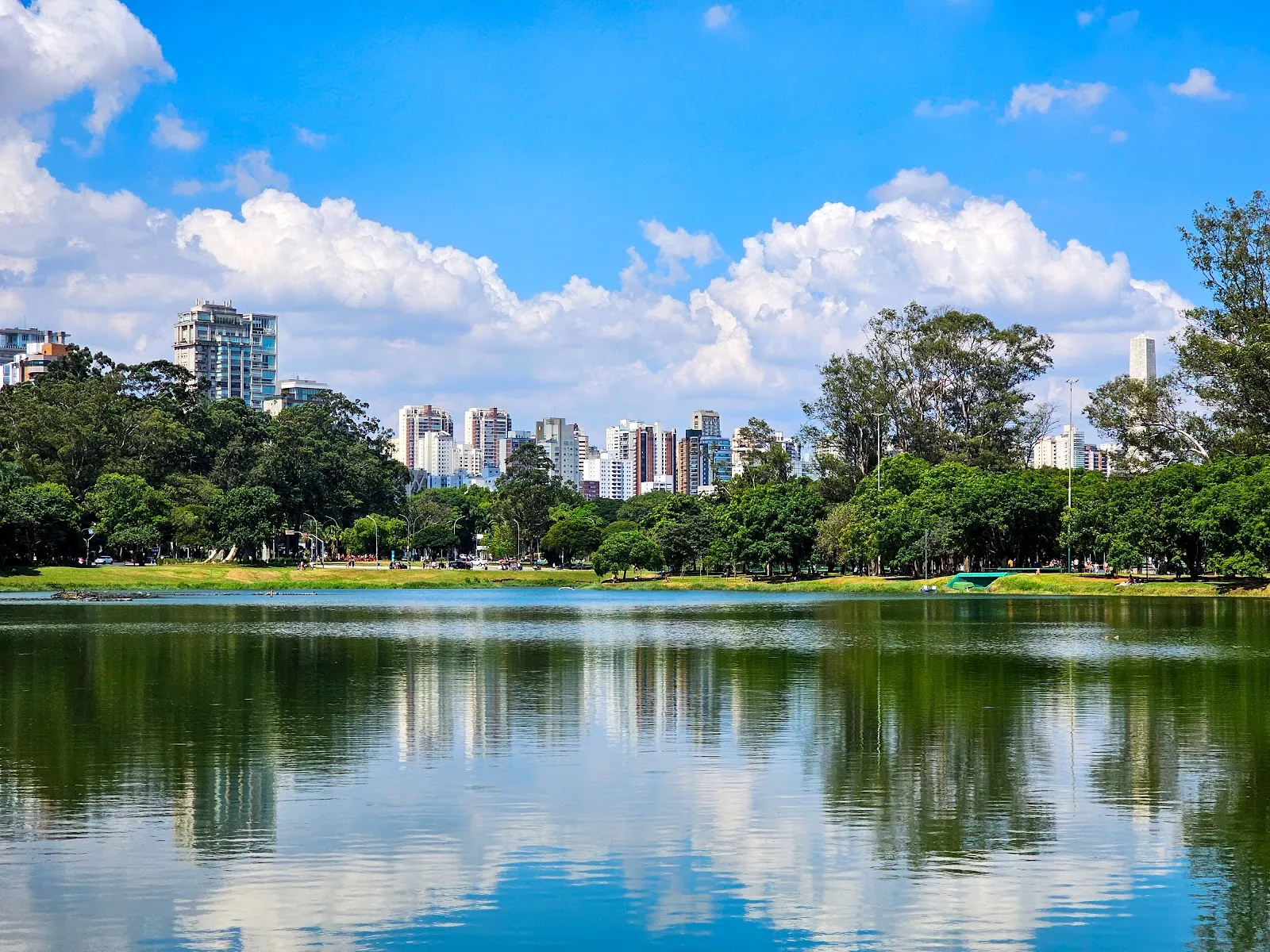
Oscar Niemeyer designed several of the park’s best-known buildings, including the Ibirapuera Auditorium and the Oca pavilion. Their modernist forms give the park a distinct architectural character. The grounds also contain cultural institutions such as the Museum of Contemporary Art, the Museum of Modern Art and the Afro-Brazil Museum. Exhibitions and cultural events take place in the park’s venues, so the experience can extend beyond the outdoor paths.
The Afro-Brazil Museum focuses on the history, art and culture of Afro-Brazilians. Its collection includes artworks, documents and photographs. A visit adds historical context to a day spent among the park’s gardens and buildings. The Planetarium is another option, with astronomy shows; check its programme if you want to include a show, since the available material does not give show times.
Planning time outdoors
Walking, running and cycling are among the straightforward ways to spend time in the park. Marked routes and cycling lanes support active visits, while benches, lawns and shaded areas provide places to pause. Families can use the playgrounds and sports facilities, and there are picnic spots for a longer break. Vendors around the grounds sell drinks and snacks, including fresh coconut water.
On a sunny day, the lakes, gardens and footbridges make a scenic route through the grounds. The park also has themed plazas, including the Plaza of Peace, and a Japanese Pavilion. If you are interested in these quieter stops, allow time to explore beyond the busiest central areas. Weekend mornings are a good fit for a visit focused on outdoor activity. The park is open daily from 5 a.m. to 11 p.m.; planning an earlier visit also avoids being there late, when crime around the park has been reported.
FAQ
How long do you need at Ibirapuera Park?
The park is extensive, and the available information does not establish a typical visit length. Choose a few areas or cultural venues rather than aiming to see everything in one visit.
What can you do at Ibirapuera Park?
Walk, run or cycle around its green spaces and lakes, picnic, use the sports facilities, or visit cultural venues such as the Afro-Brazil Museum, Museum of Contemporary Art and Planetarium.
Are there museums inside Ibirapuera Park?
Yes. The park includes the Afro-Brazil Museum, Museum of Contemporary Art and Museum of Modern Art, among other cultural spaces.
When is a good time to visit Ibirapuera Park?
A sunny weekend morning suits outdoor activities. The park is open daily from 5 a.m. to 11 p.m.