Pianifica un viaggio
Lingua: Italiano
Pianificatore di viaggiPianifica il tuo viaggio su una mappa

Le migliori destinazioni

EnglishDeutschFrançaisEspañolPortuguêsPortuguês (BR)Italiano
Avviso di viaggio · BrasileRio de Janeiro si trova in o vicino a un'area per cui i governi sconsigliano ogni viaggio non essenziale: Favelas e insediamenti informali nelle grandi città.Le indicazioni dipendono dal tuo passaporto. Leggi quelle del tuo governo prima di prenotare.Indicazioni ufficiali
Aree con avvisi
  • Ceilândia · evitare i viaggi non essenziali · Italia, Stati Uniti
  • Favelas e insediamenti informali nelle grandi città · evitare i viaggi non essenziali · Spagna, Nuova Zelanda, Stati Uniti
  • Paranoá · evitare i viaggi non essenziali · Italia, Stati Uniti
  • Santa Maria · evitare i viaggi non essenziali · Italia, Stati Uniti
  • São Sebastião · evitare i viaggi non essenziali · Italia, Stati Uniti
  • Zona di confine con il Venezuela · evitare i viaggi non essenziali · Germania, Francia

Segnalata anche da un solo governo: Fascia di 160 km lungo tutti i confini terrestri (Stati Uniti), Complexo da Maré (Canada), Complexo da Penha (Canada), Fascia di 20 km lungo il confine boliviano (escluso il Parco nazionale del Pantanal) (Canada), Fascia di 20 km lungo il confine colombiano (Canada), Fascia di 20 km lungo il confine con la Guyana francese (Canada), Fascia di 20 km lungo il confine con la Guyana (Canada), Fascia di 20 km lungo il confine paraguaiano (Canada), Fascia di 20 km lungo il confine peruviano (Canada), Fascia di 20 km lungo il confine con il Suriname (Canada), Fascia di 50 km lungo il confine venezuelano (Canada), Fiume Amazzonas e i suoi affluenti tra Codajás e Belém do Solimões (Stato di Amazonas) (Regno Unito), Zone di confine (non specificate) (Francia), Parco nazionale della Chapada Diamantina (Trilha do 21) (Spagna), Planaltina (Italia), Favelas di Rio de Janeiro (Germania), Samambaia (Italia)

GovernoConsigliAggiornatoLeggi le indicazioni
Regno Unito (FCDO)No advice against the whole country (regional advisories)–Leggi le indicazioni
Stati Uniti (Dipartimento di Stato)Exercise increased caution (regional advisories)31 ago 2026Leggi le indicazioni
Canada (Affari globali)Exercise a high degree of caution (regional advisories)–Leggi le indicazioni
Germania (Auswärtiges Amt)No advice against the whole country (regional advisories)27 ott 2026Leggi le indicazioni
Nuova Zelanda (SafeTravel)Exercise increased caution due to high crime rates (regional advisories)–Leggi le indicazioni
Francia (Ministero per l'Europa e gli Affari esteri)Vigilance renforcée (pays à risque) (regional advisories)–Leggi le indicazioni

Verificato ogni giorno dalle indicazioni pubblicate dai governi; ultima verifica 3 nov 2026.RoamLedger riassume le indicazioni ufficiali; non è un consiglio di alcun governo.

Museu Naval
Museo

Naval Museum

The Naval Museum, at Rua Dom Manuel 15 near Praça XV in central Rio de Janeiro, traces Brazil’s maritime history through naval models, artworks, documents and objects from past conflicts.

The Naval Museum, at Rua Dom Manuel 15 near Praça XV in central Rio de Janeiro, traces Brazil’s maritime history through naval models, artworks, documents and objects from past conflicts. Exhibits cover encounters with other nations and the Portuguese royal family’s arrival by sea. Entry is free, and most displays have English translations, so you can follow the story without relying only on Portuguese text. The compact layout is manageable for families, though the detailed reading may hold more appeal for adults and older children.

Brazil’s maritime history
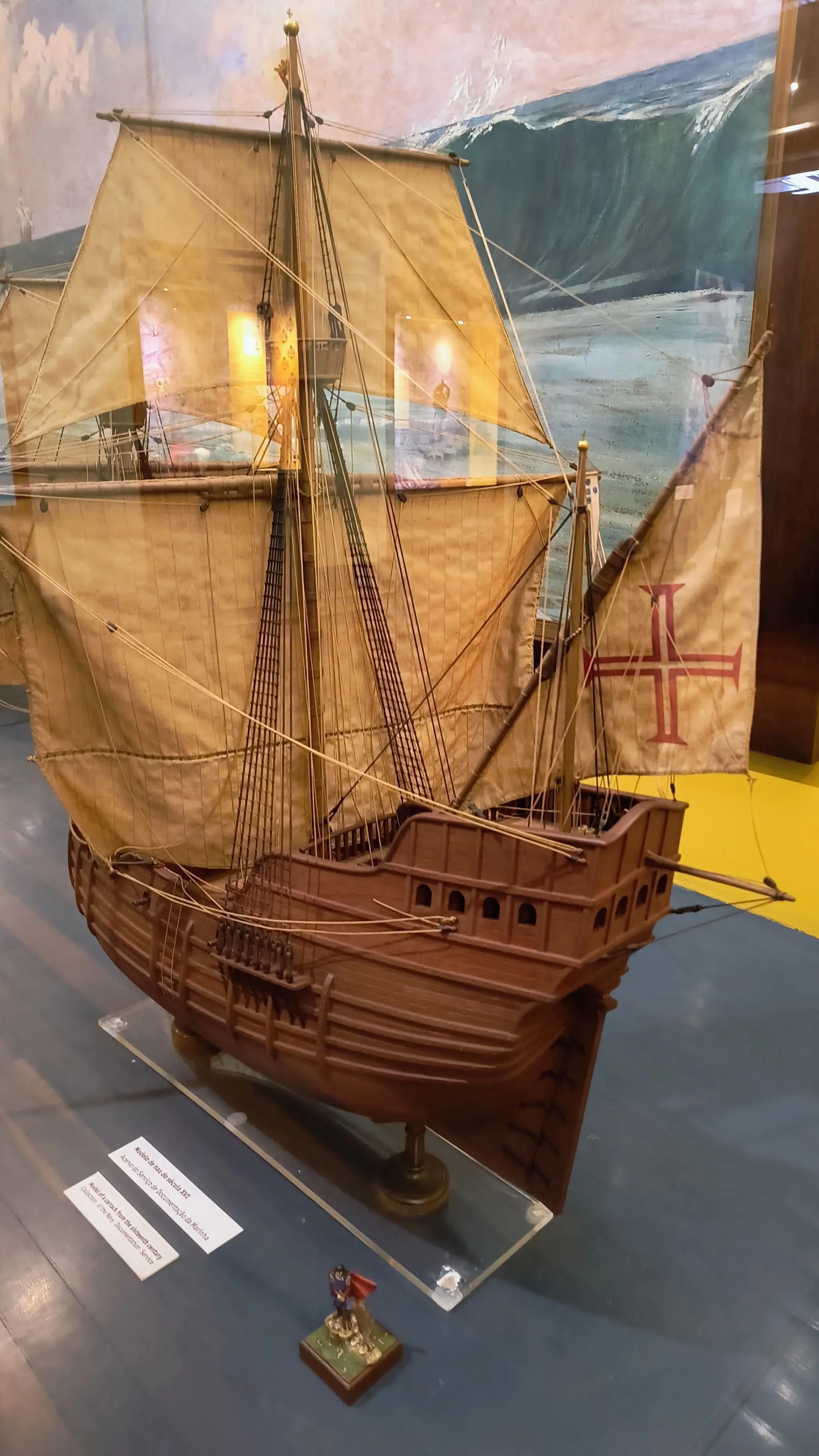
Naval Museum
Naval Museum

The museum follows Brazil’s naval past through objects and written accounts. Its displays cover conflicts involving other nations and the Portuguese royal family’s arrival by sea, linking maritime events to the country’s history.

Naval models, artworks, historical documents and artifacts give the story a material focus. The collection includes cannons recovered from sunken ships and carved figureheads. Together, these objects trace changes in Brazil’s naval fleet and its role in the nation’s past.

Reading the exhibits
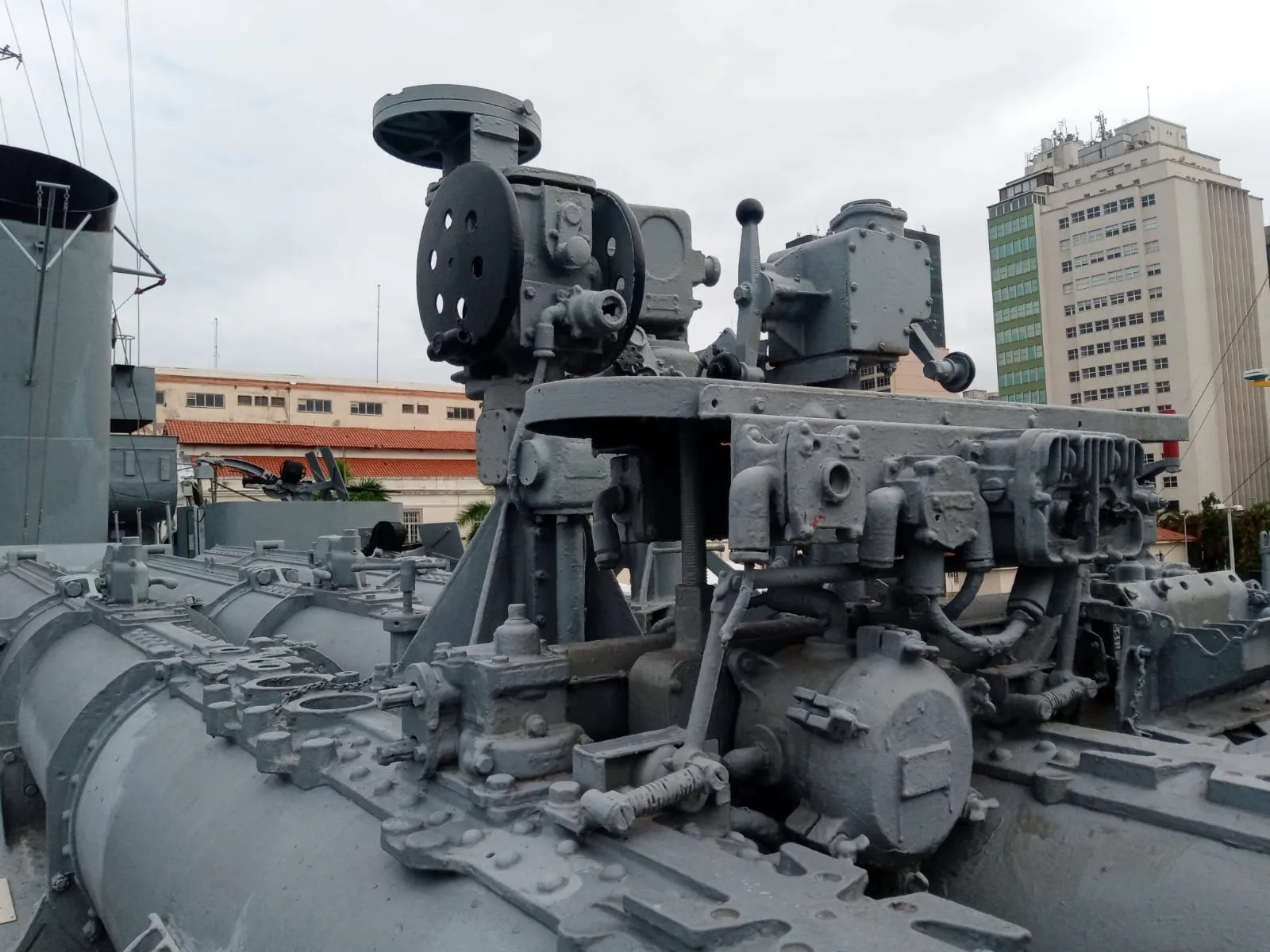
Naval Museum
Naval Museum

Most exhibits include English translations, which help visitors follow the displays without reading only in Portuguese. The layout is manageable, but the experience is centered on looking closely at objects and reading their descriptions. It may suit adults and older children more than young visitors who need interactive activities.

Staff can provide informative tours. Take time with the exhibit text, which adds detail to the objects and the events described.

FAQ

Is entry to the Naval Museum free?

Yes. Entry is free.

Are the exhibits available in English?

Most exhibits include English translations.

Is the Naval Museum suitable for children?

The layout is manageable for families, but the displays focus on historical objects and reading, which may be less engaging for young children.

Altre attrazioni imperdibili a Rio de Janeiro

Esplora tutto