Pianifica un viaggio
Lingua: Italiano
Pianificatore di viaggiPianifica il tuo viaggio su una mappa

Le migliori destinazioni

EnglishDeutschFrançaisEspañolPortuguêsPortuguês (BR)Italiano
Avviso di viaggio · BrasileAlcuni governi sconsigliano di viaggiare in alcune zone di Brasile.Gli avvisi riguardano solo queste aree: Ceilândia, Favelas, Paranoá, Santa Maria, São Sebastião, Area di confine con il Venezuela.Le indicazioni dipendono dal tuo passaporto. Leggi quelle del tuo governo prima di prenotare.Indicazioni ufficiali
Aree con avvisi
  • Ceilândia · evitare i viaggi non essenziali · Italia, Stati Uniti
  • Favelas · evitare i viaggi non essenziali · Germania, Spagna, Nuova Zelanda, Stati Uniti
  • Paranoá · evitare i viaggi non essenziali · Italia, Stati Uniti
  • Santa Maria · evitare i viaggi non essenziali · Italia, Stati Uniti
  • São Sebastião · evitare i viaggi non essenziali · Italia, Stati Uniti
  • Area di confine con il Venezuela · evitare i viaggi non essenziali · Germania, Francia

Segnalata anche da un solo governo: Fascia di 160 km lungo i confini terrestri del Brasile (Stati Uniti), Complexo da Maré (Canada), Complexo da Penha (Canada), Fascia di 20 km lungo il confine con la Bolivia (escluso il Parco Nazionale del Pantanal) (Canada), Fascia di 20 km lungo il confine con la Colombia (Canada), Fascia di 20 km lungo il confine con la Guyana francese (Canada), Fascia di 20 km lungo il confine con la Guyana (Canada), Fascia di 20 km lungo il confine con il Paraguay (Canada), Fascia di 20 km lungo il confine con il Perù (Canada), Fascia di 20 km lungo il confine con il Suriname (Canada), Fascia di 50 km lungo il confine con il Venezuela (Canada), Fiume Amazonas e affluenti, Stato dell'Amazonas (tra Codajás e Belém do Solimões) (Regno Unito), Zone di confine (non specificate) (Francia), Parco Nazionale della Chapada Diamantina (Trilha do 21) (Spagna), Planaltina (Italia), Samambaia (Italia)

GovernoConsigliAggiornatoLeggi le indicazioni
Regno Unito (FCDO)No advice against the whole country (regional advisories)–Leggi le indicazioni
Stati Uniti (Dipartimento di Stato)Exercise increased caution (regional advisories)31 ago 2026Leggi le indicazioni
Canada (Affari globali)Exercise a high degree of caution (regional advisories)–Leggi le indicazioni
Germania (Auswärtiges Amt)No advice against the whole country (regional advisories)27 ott 2026Leggi le indicazioni
Nuova Zelanda (SafeTravel)Exercise increased caution due to high crime rates (regional advisories)–Leggi le indicazioni
Francia (Ministero per l'Europa e gli Affari esteri)Vigilance renforcée (pays à risque) (regional advisories)–Leggi le indicazioni

Verificato ogni giorno dalle indicazioni pubblicate dai governi; ultima verifica 2 nov 2026.RoamLedger riassume le indicazioni ufficiali; non è un consiglio di alcun governo.

A view of a city and the ocean from a hill
Museo

Recife City Museum

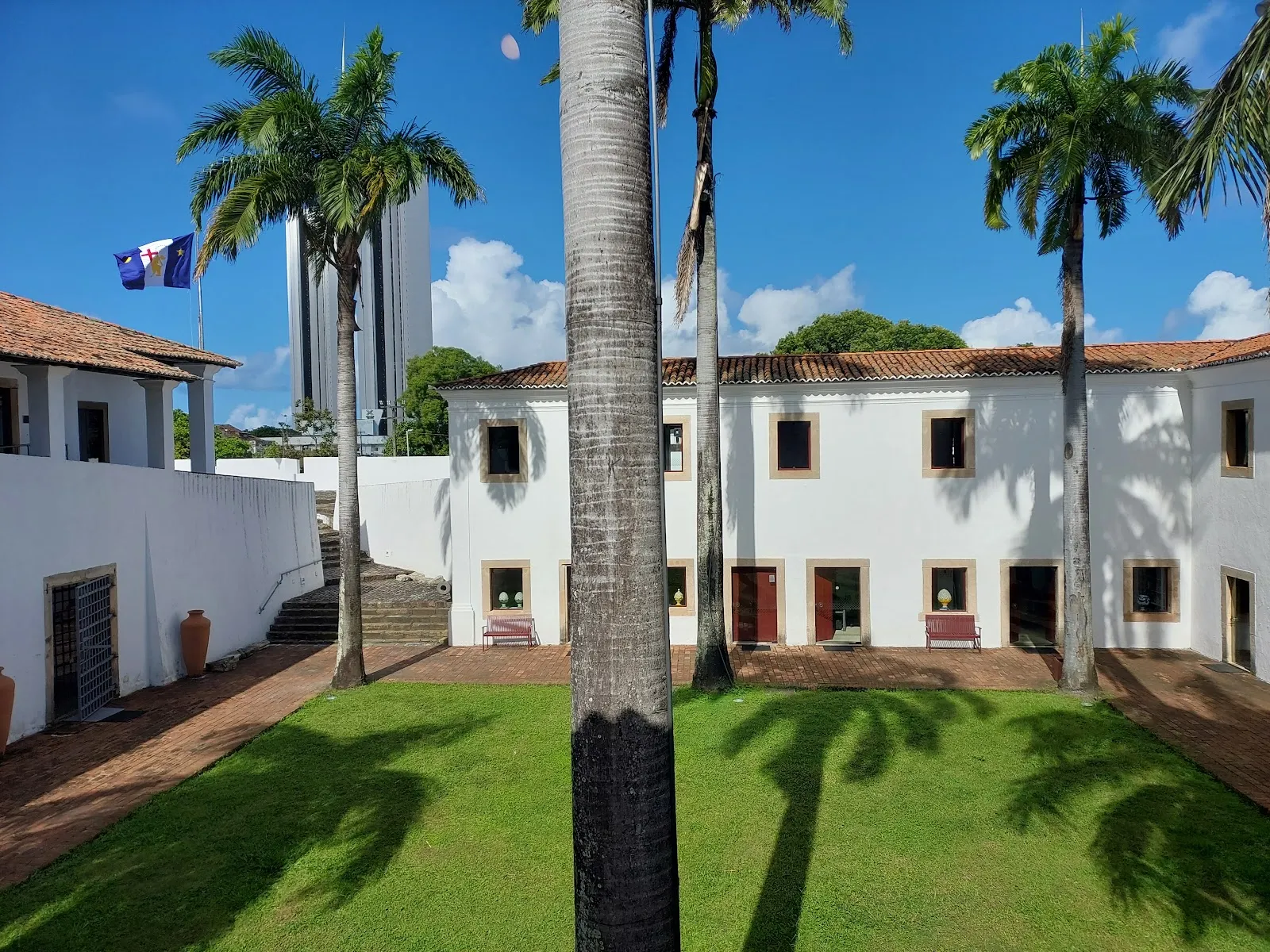
Recife City Museum occupies the 17th-century Fort of São Tiago das Cinco Pontas in the São José district.

Recife City Museum occupies the 17th-century Fort of São Tiago das Cinco Pontas in the São José district. Maps trace how Recife developed, and a model depicts the city during Dutch rule. You can also walk along the fort’s ramparts and see its cannons, then visit temporary galleries showing local art. The displays are compact, so the fort itself is an important part of the visit. Entry is free, and information is available in Portuguese and English.

A museum inside Cinco Pontas Fort
Recife City Museum
Recife City Museum

The Recife City Museum is housed in the Fort of São Tiago das Cinco Pontas, a 17th-century fortress in the city’s São José district. The fort’s history is tied to the period when Dutch forces held Recife and to the Portuguese reconquest. Its walls and ramparts give the museum a setting closely connected to the history presented inside.

The museum was established in 1982 and is administered by Recife’s municipal cultural authority. Its exhibits take a chronological approach to the city’s past, covering its Indigenous roots, colonial periods under Dutch and Portuguese influence, slavery and modern times.

Maps, models and changing exhibitions
Recife City Museum
Recife City Museum

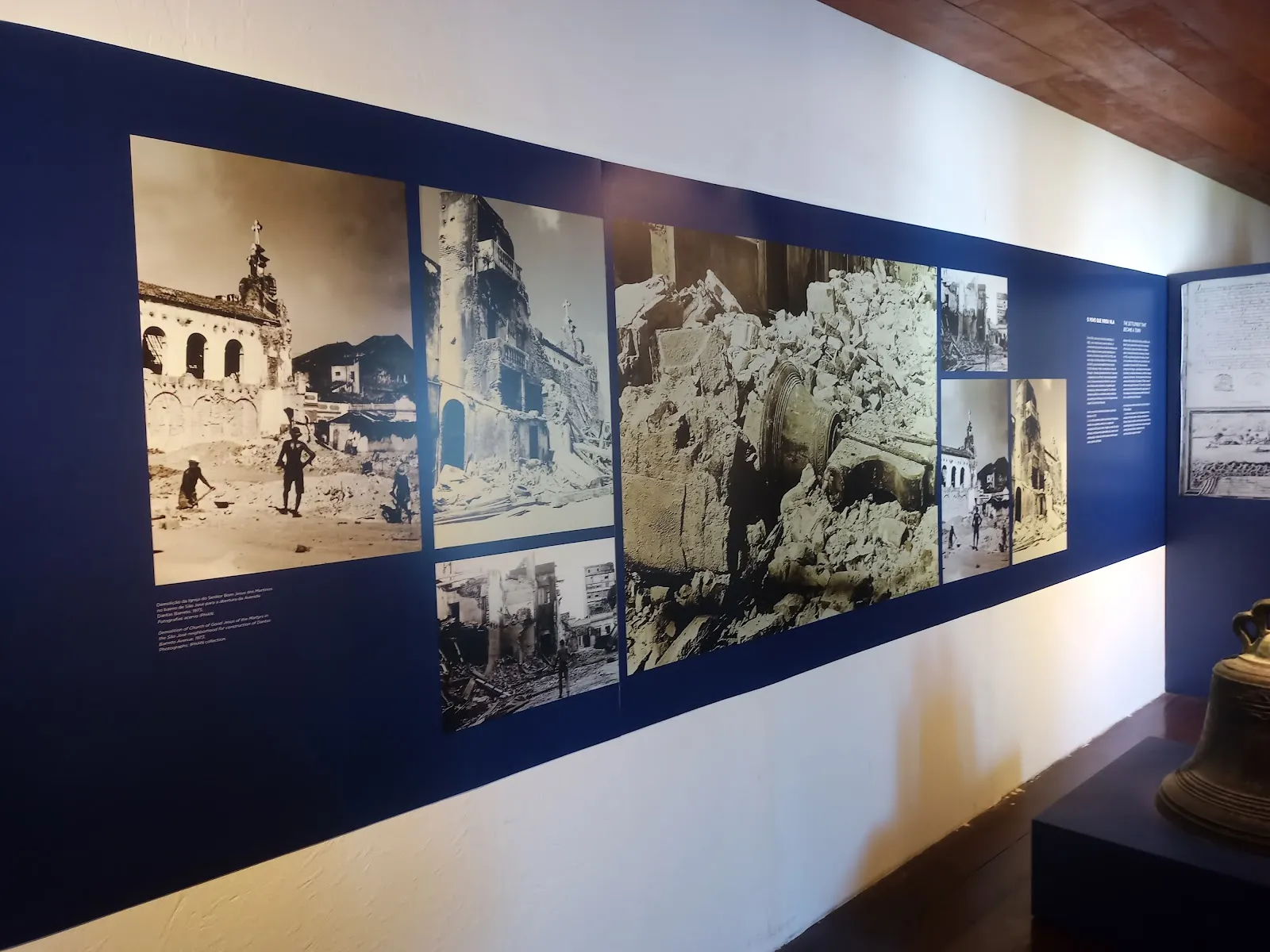
Maps showing Recife’s development form a central part of the permanent displays. A model of the city as it appeared during Dutch rule offers another way to understand its earlier layout. The exhibits are presented in Portuguese and English, and staff can provide additional context.

The museum also hosts temporary galleries with local art. After seeing the indoor displays, take time to walk around the fort’s ramparts and look at the cannons. The collection is modest, so the historic building and its outdoor areas are a substantial part of the visit.

FAQ

Is Recife City Museum free to enter?

Yes. Entry to the museum and fort is free.

Where is Recife City Museum?

It is inside the Fort of São Tiago das Cinco Pontas, at Praça das Cinco Pontas in the São José district of Recife.

What can you see at the museum?

Displays include maps of Recife’s development and a model of the city during Dutch rule. The fort has ramparts and cannons, and the museum also holds temporary local art exhibitions.

Is information available in English?

Yes. Exhibit descriptions are available in Portuguese and English, and English-speaking staff are present.
Altre attrazioni imperdibili a Recife

Esplora tutto