The In Flanders Fields Museum occupies the second floor of the Cloth Hall (Lakenhalle) on the Grote Markt in Ypres. It is the largest First World War museum in Belgium. Interactive screens, sound effects, scale models and film tell the story of the war in Flanders, from the German invasion of Belgium in 1914 through the trench years that followed. Each visitor receives a poppy bracelet that opens the story of one soldier or civilian. The permanent exhibition holds hundreds of artefacts and photographs, including objects left in the Ypres trenches. Allow two to three hours.
Inside the Cloth Hall
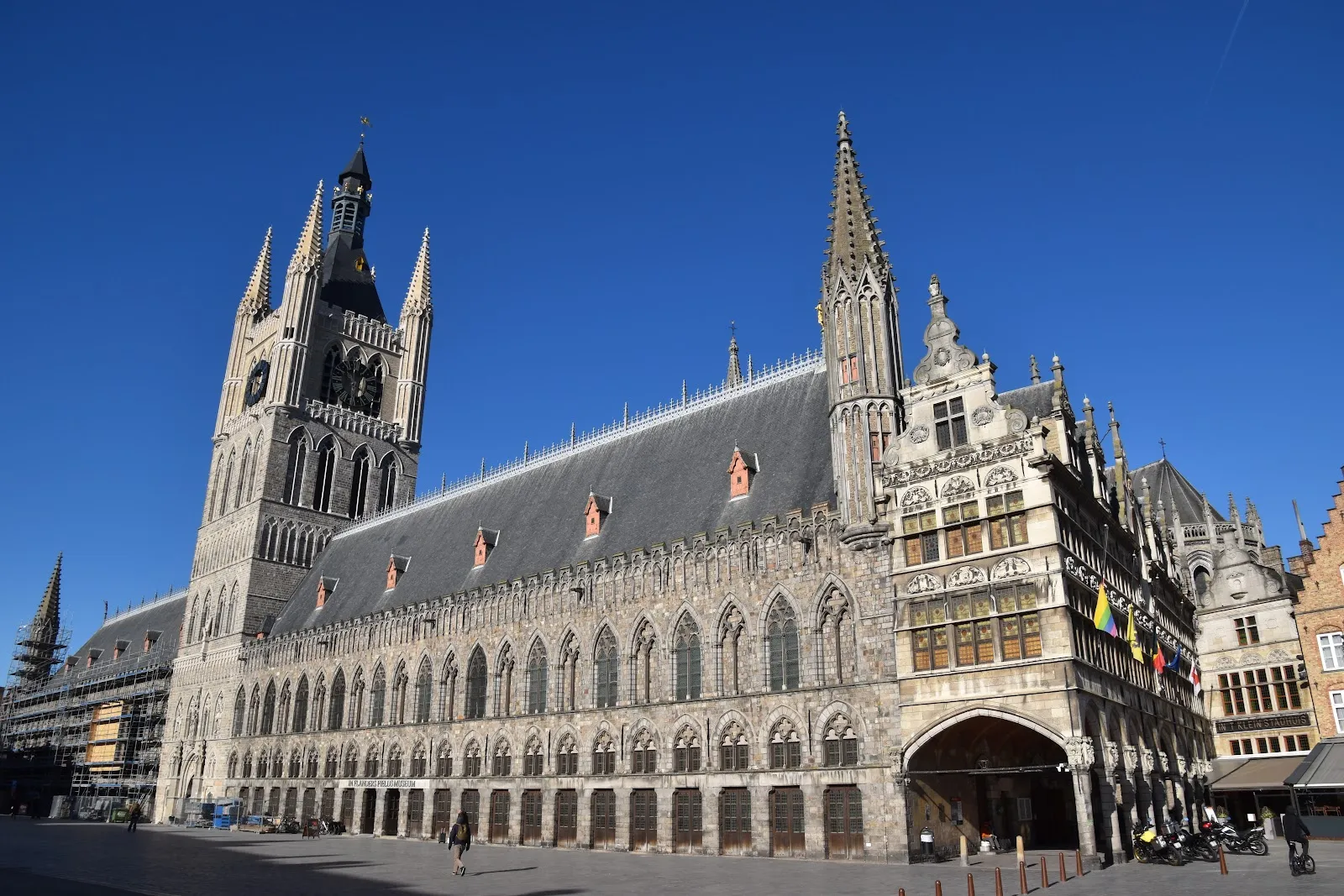
The museum is housed in the Cloth Hall, a 13th-century building that once served as a market and warehouse for Ypres's cloth trade. The war largely destroyed the building through artillery fire, and it was rebuilt afterwards. The museum takes its name from the poem written by the Canadian army doctor John McCrae.
The museum uses the upper floor of the hall, so the visit starts with the stairs. The rooms are arranged so that the displays follow the chronology of the war.
How the exhibition is arranged
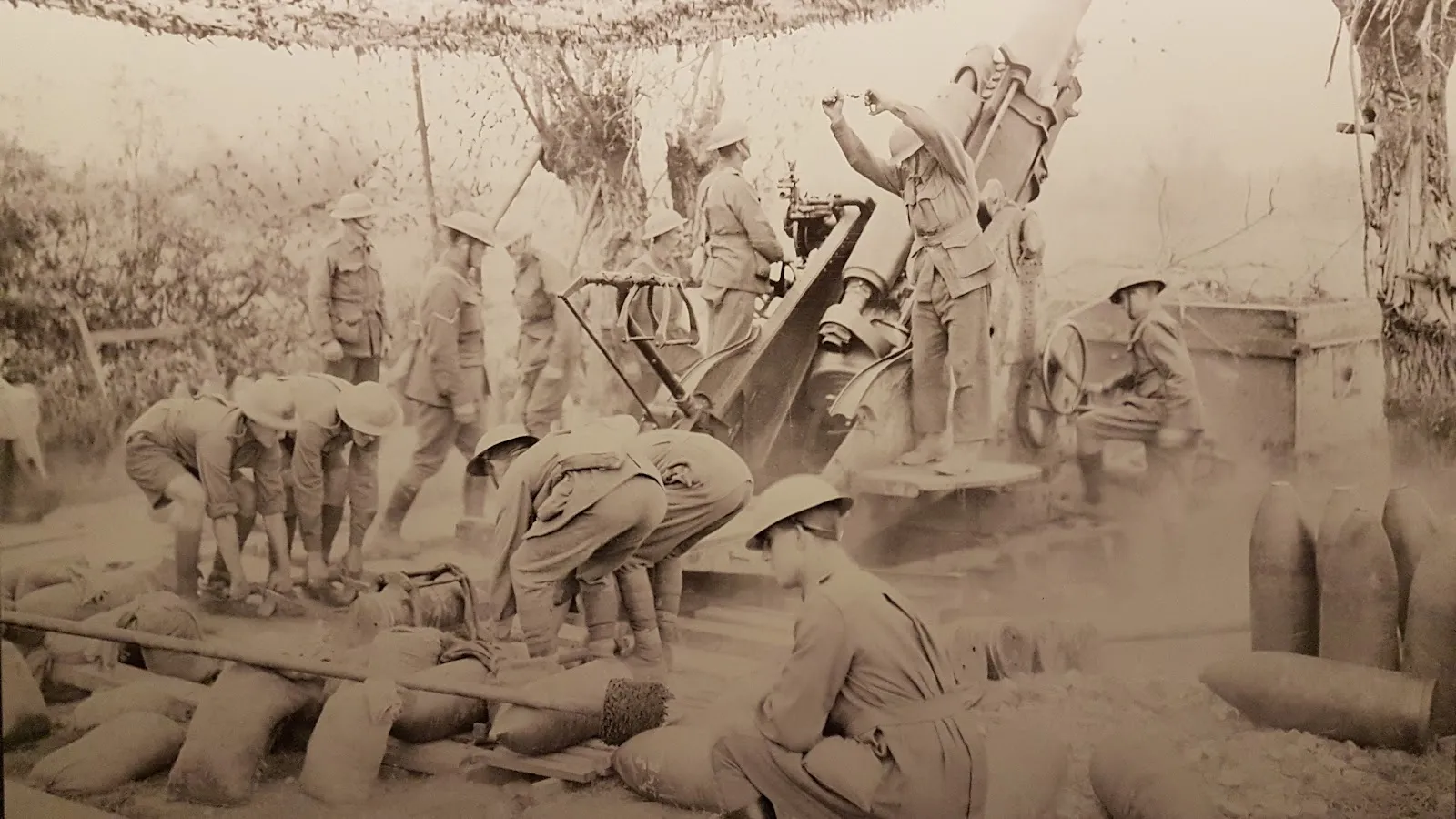
The displays open with an introduction to the origins of the war. The next section covers the German invasion of Belgium in 1914, including the damage inflicted and the atrocities committed during that period. The museum then traces the first five months of the so-called war of movement, followed by four years of trench warfare.
The exhibition focuses on the experiences of the people caught up in the war rather than on the sequence of military campaigns, although the campaigns are outlined. A final section covers the end of the war and the commemorations that followed. Temporary exhibitions, lectures and events are held alongside the permanent display.
Following one person's story
On arrival, each visitor receives a poppy bracelet with a microchip. You choose your preferred language on the bracelet, and it activates personal stories at certain displays. The stories belong to individual soldiers and civilians, and you follow their fortunes through the war.
The main text is given in four languages: English, Dutch, German and French. The personal stories make it possible to read the displays at your own pace, rather than reading every panel in order.
Screens, sound and film
Computer screens, sound effects, scale models and videos show the weapons, the trench battles and the casualties of the area. Some displays also use smells to add to the atmosphere. Archive footage, photographs and original items sit alongside the audio-visual material.
Quotations from soldiers, their wives and parents, politicians and writers appear among the photographs and artefacts. Several short films show how the war affected the area, its people and its soldiers. The museum does not glorify the war. It shows its harshness.
The belfry and the view
The belfry above the Cloth Hall has four turrets and a spire, and it houses a carillon of 49 bells. A gilded dragon stands on a pole atop the spire. The tower served as a watchtower in earlier centuries.
The climb is 231 steps. At the top you get a wide view over Ypres and the Westhoek. The climb costs an extra €2 per person on top of the museum ticket.
Nearby sites
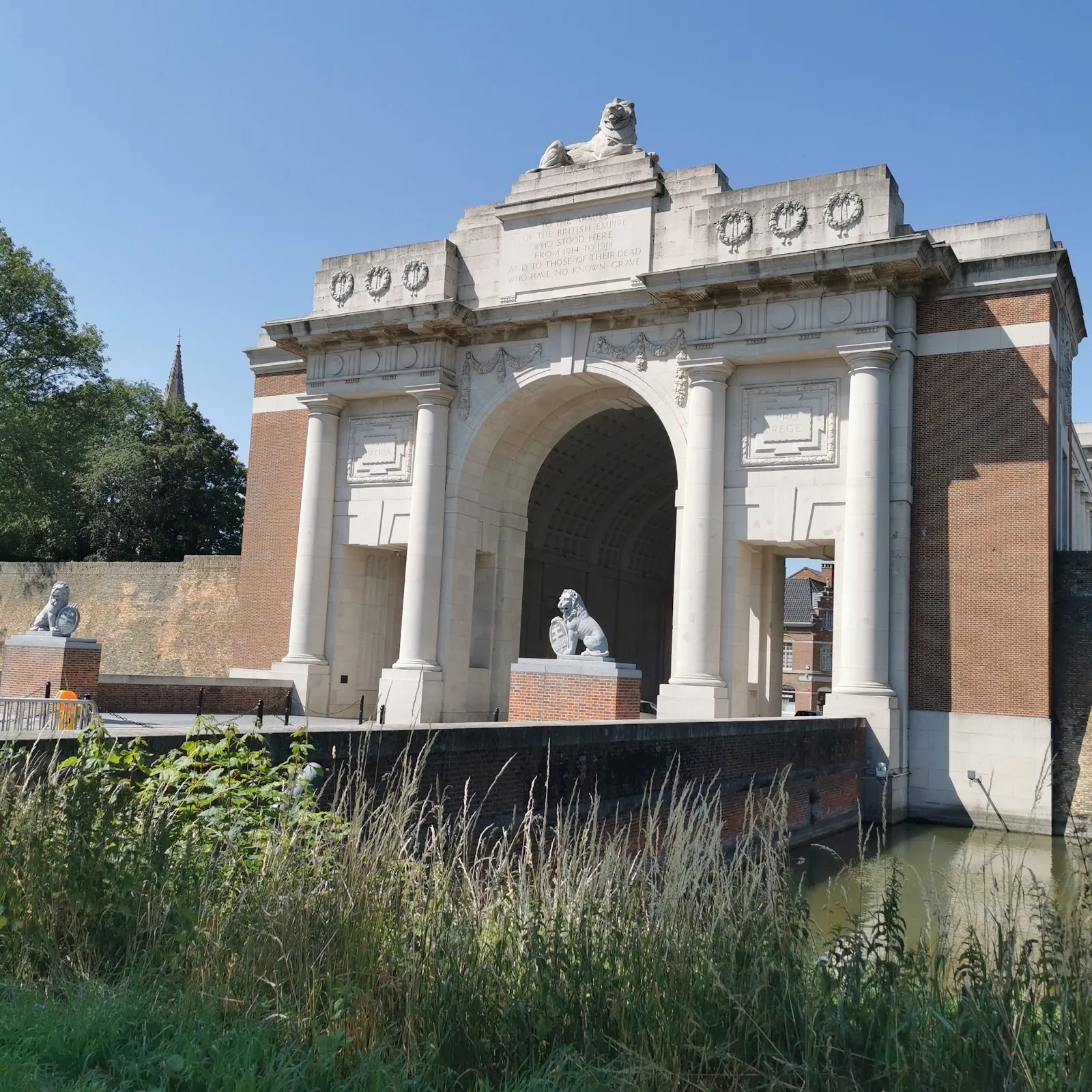
The Menin Gate is a short walk away. Every night at 8 pm, traffic through the gate is halted while buglers sound the Last Post for the dead of the war. Plan to be there for the ceremony if your schedule allows.
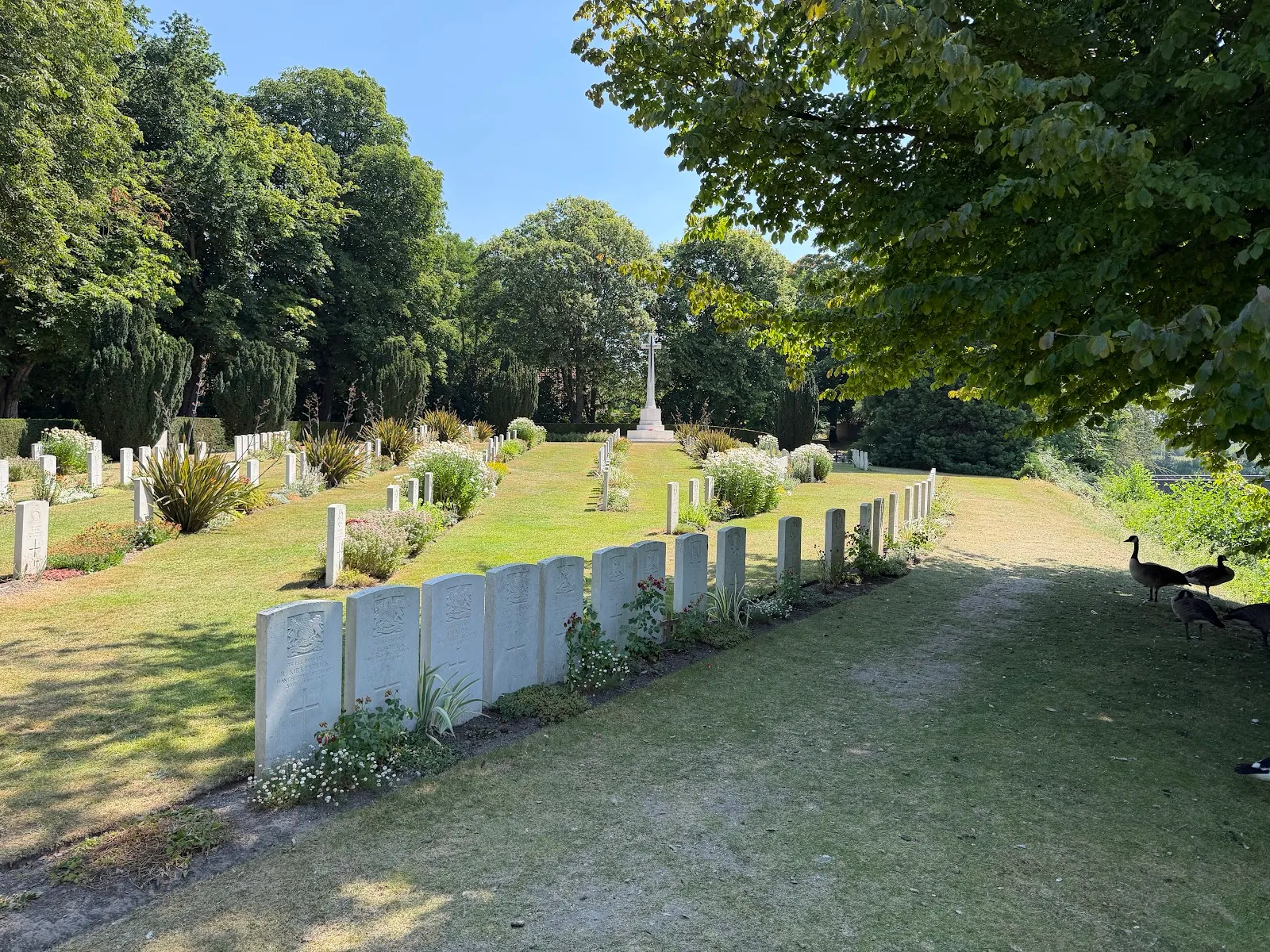
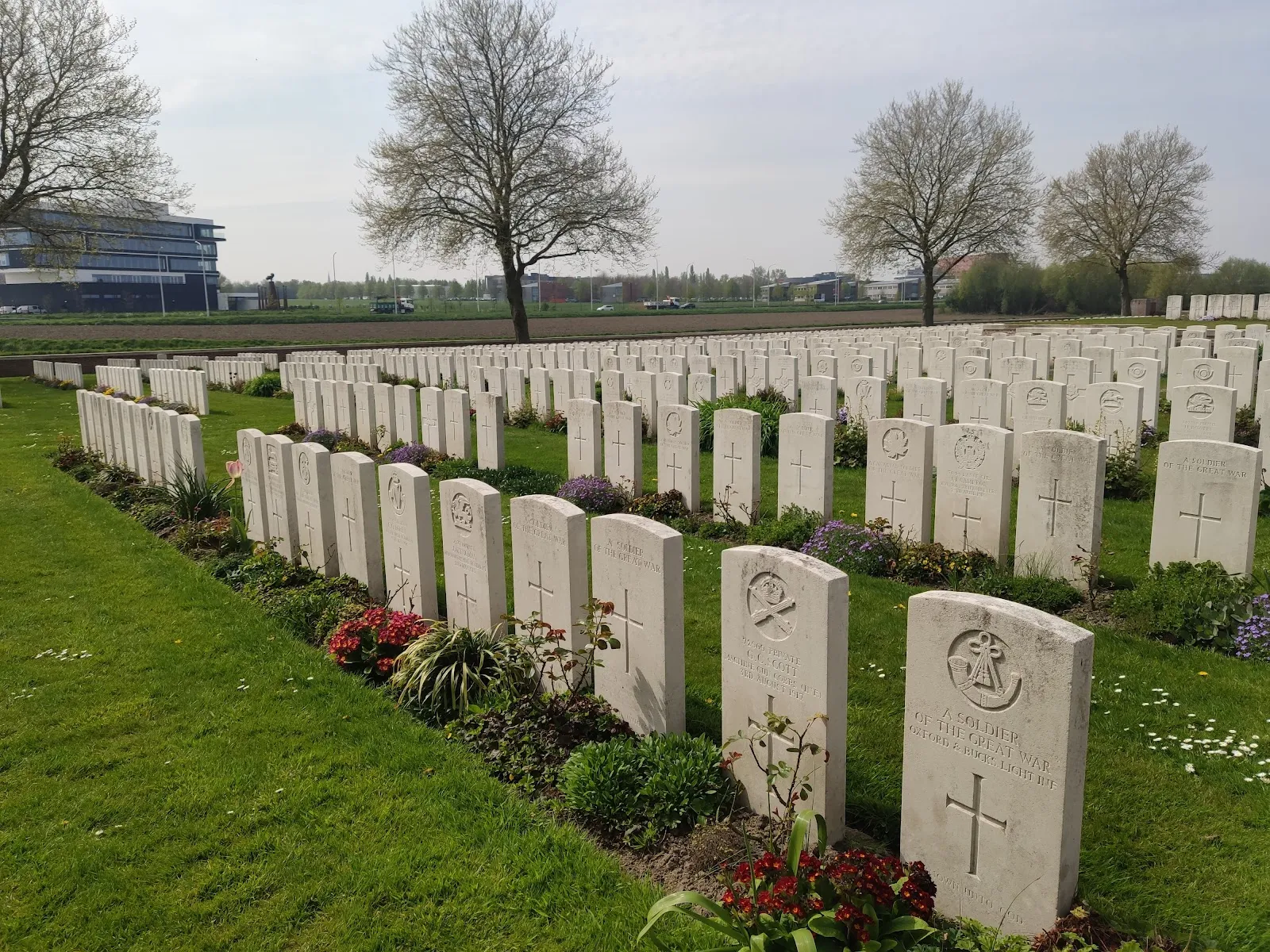
Tyne Cot Cemetery in Passendale, the largest Commonwealth cemetery in the world, can be visited after the museum. Zonnebeke's Passchendaele 1917 Memorial Museum is another option. It focuses on the Third Battle of Ypres and has replica trenches and a dugout.
FAQ
Is there an entry fee?
Yes. The museum charges admission. Climbing the belfry's 231 steps costs an extra €2 per person.
How long do you need?
Allow two to three hours. Most visitors need at least two hours to see the main exhibits.
Is the museum wheelchair accessible?
Yes. The entrance, restroom and parking lot are wheelchair accessible. Most exhibition spaces are connected by ramps or spacious elevators.
Should I book tickets in advance?
Yes. Booking ahead is recommended, and it helps you avoid queues.
Is the museum suitable for children?
Yes. The museum is family-friendly and good for kids. The personal stories on the poppy bracelet help children connect with the history.