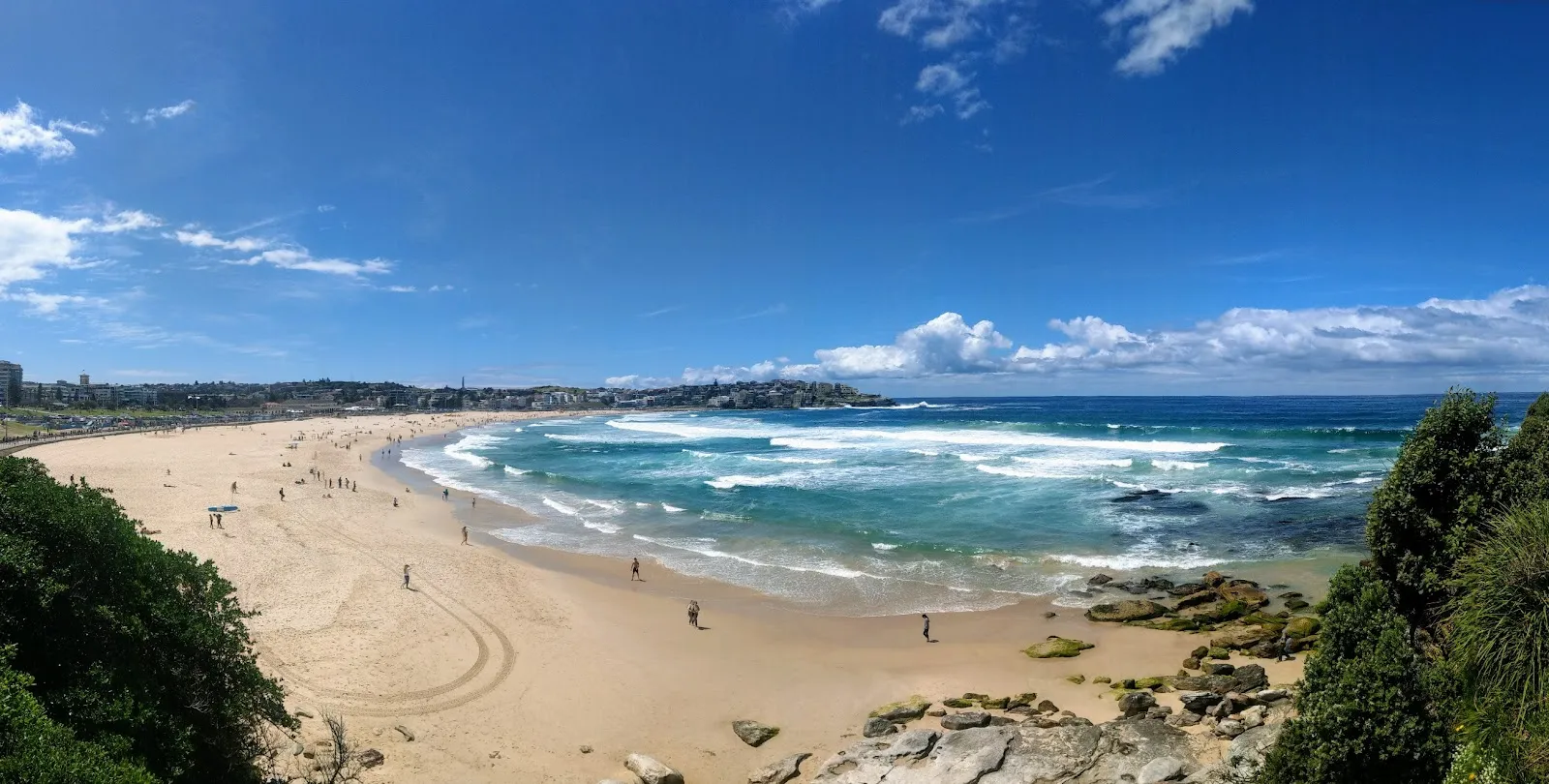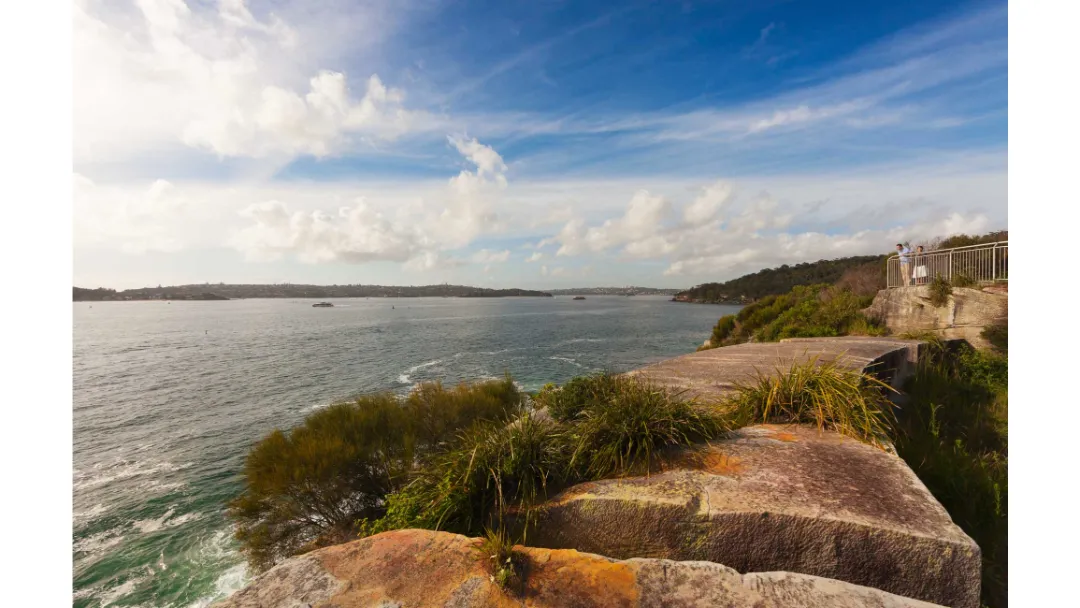
Middle Head, also known as Gubbuh Gubbuh, is a headland in Mosman within Sydney Harbour National Park. Its sandstone forts, gun pits and tunnels preserve layers of Sydney’s military history, while walking tracks pass through bushland to lookouts over the harbour, Manly and the coast. Follow the Gubbuh Gubbuh track for views and a relatively easy walk, with some steps along the way. If you have time, extend your outing towards Chowder Bay for more foreshore scenery and places to explore.
Fortifications on the headland
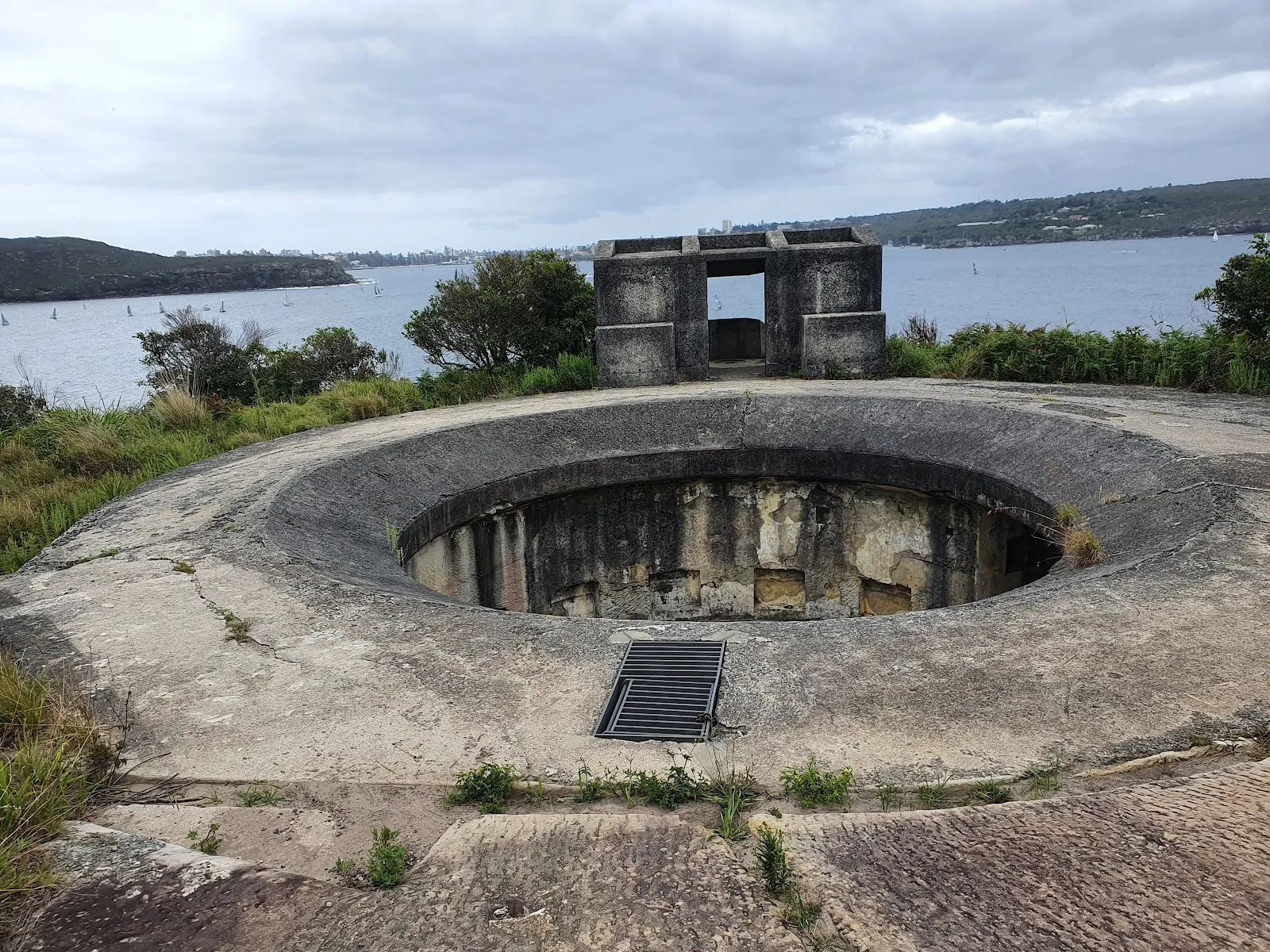
Middle Head’s position at the entrance to Sydney Harbour made it part of the area’s defences. Fortifications date back to 1801, when a feared French invasion prompted the construction of forts. Later military works added gun emplacements and other defensive structures across the headland.
You can explore sandstone gun pits and tunnels on foot. The site also includes underground bunkers and remains from the 19th and 20th centuries. World War II batteries and barracks built to house soldiers add another layer to the area’s military history. After the war, Middle Head became home to a training facility, the Australian School of Pacific Administration, known as ASOPA.
Allow time to look closely at the old structures as you move between viewpoints. The fortifications sit alongside the coastal landscape, and paths lead between historic features and outlooks over the water.
Tracks, bushland and harbour outlooks
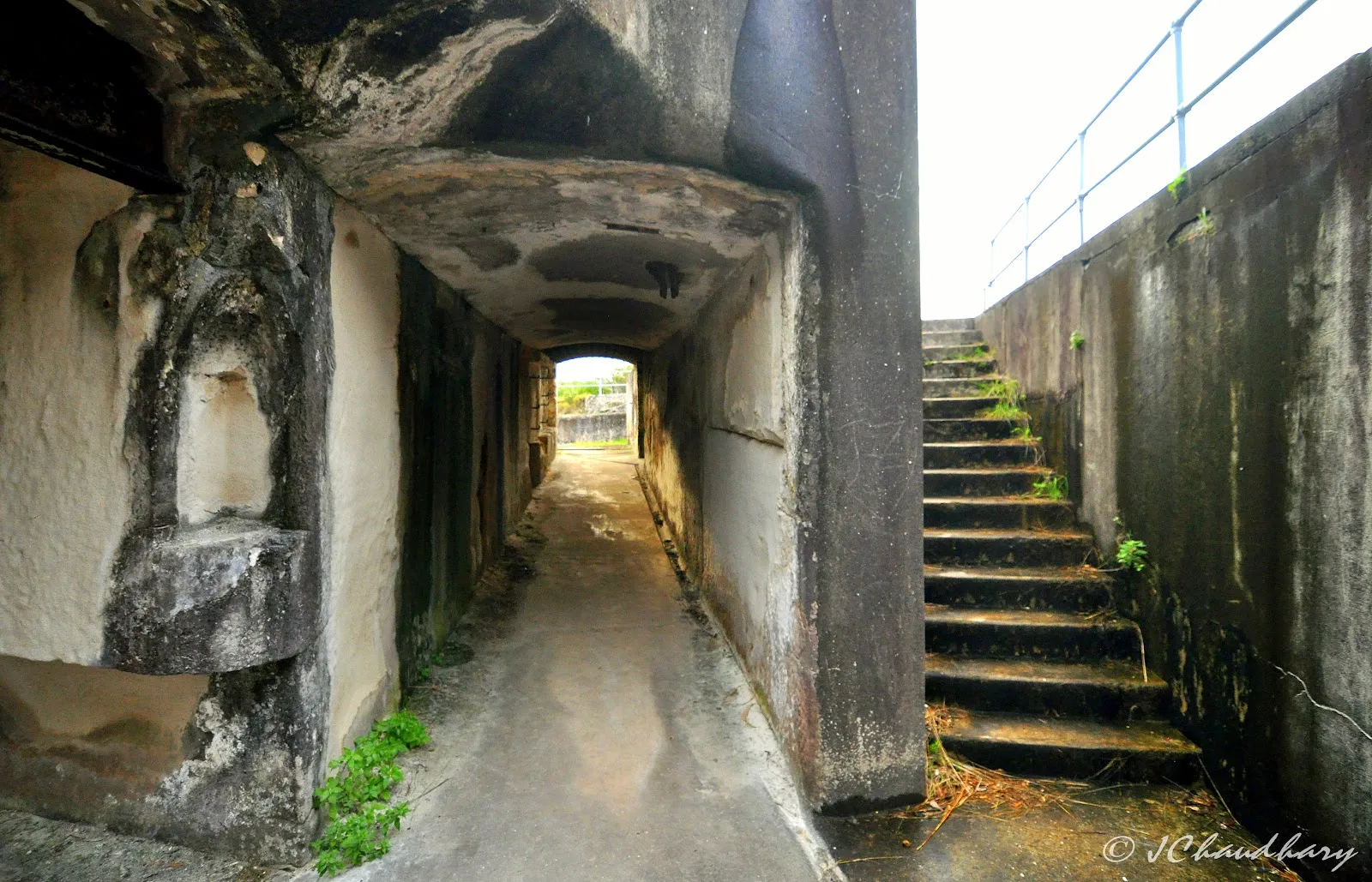
Walking routes at Middle Head range from a short outing around the fortifications to longer connections with nearby headlands and foreshore tracks. The Gubbuh Gubbuh track passes through natural bushland and offers harbour views. It is relatively easy for an able-bodied walker, though some steps are part of the route; much of the path is paved.
Lookouts around the headland take in different parts of the harbour, including views towards Manly and across Middle Harbour. The wider Sydney Harbour Scenic Walk connects Middle Head-Gubbuh Gubbuh with Georges Head. From the area, you can also continue towards Chowder Bay or join other harbour-side walking routes. The longer you make the outing, the more time you will need beyond the short return walk.
Keep clear of rock edges while exploring the headland. If you are planning a longer walk, check the route you intend to follow before setting out, as the area has several tracks and connections.
The area’s Aboriginal significance
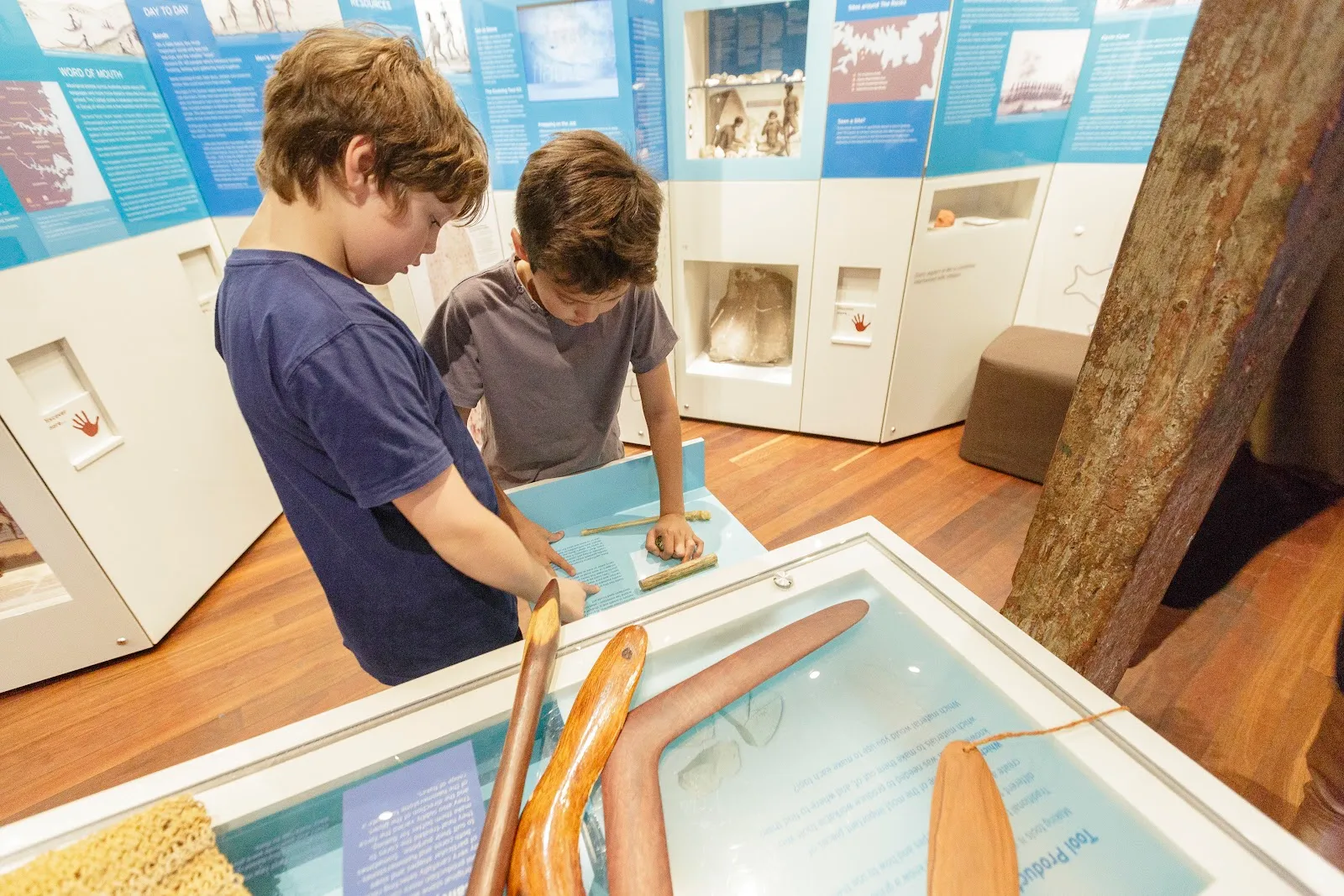
Middle Head is a place of enduring significance for the Borogegal people. Rock engravings and middens in the surrounding bushland offer traces of Aboriginal life and activity in this area. Engravings are also associated with the Eora and Darug peoples in the wider parkland.
Some lookouts include sandstone seating shaped like a bara, or fishhook, in tribute to Eora fishing practices. Treat cultural sites with care as you walk, and leave engravings and other features undisturbed.
FAQ
How long does a walk at Middle Head take?
A short return walk takes around 1 to 1.5 hours. Allow extra time if you explore more of the headland or continue towards Chowder Bay.
Are the Middle Head walking tracks difficult?
The Gubbuh Gubbuh walk is relatively easy for an able-bodied person, but includes some steps. Much of the track is paved, and comfortable sneakers are suitable.
What can you see at Middle Head?
The headland has sandstone forts, gun pits, tunnels and other military remains, along with walking tracks and lookouts over Sydney Harbour, Middle Harbour and Manly.
Can you walk from Middle Head to Chowder Bay?
You can extend your walk towards Chowder Bay, where the foreshore tracks offer more coastal scenery and places to explore.