At the corner of Phillip and Albert streets, the Justice and Police Museum occupies former Water Police buildings and courtrooms near Circular Quay. Inside, restored holding cells, a police charge room and a courtroom bring Sydney’s history of policing and criminal justice into view. Displays include mug shots, forensic evidence, historic weapons, photographs and documents, with stories of bushrangers and gangsters among the subjects. Entry is free, and the museum is open on Saturdays and Sundays. Allow time to read the exhibits; the material can be distressing for younger children.
From Water Police station to museum
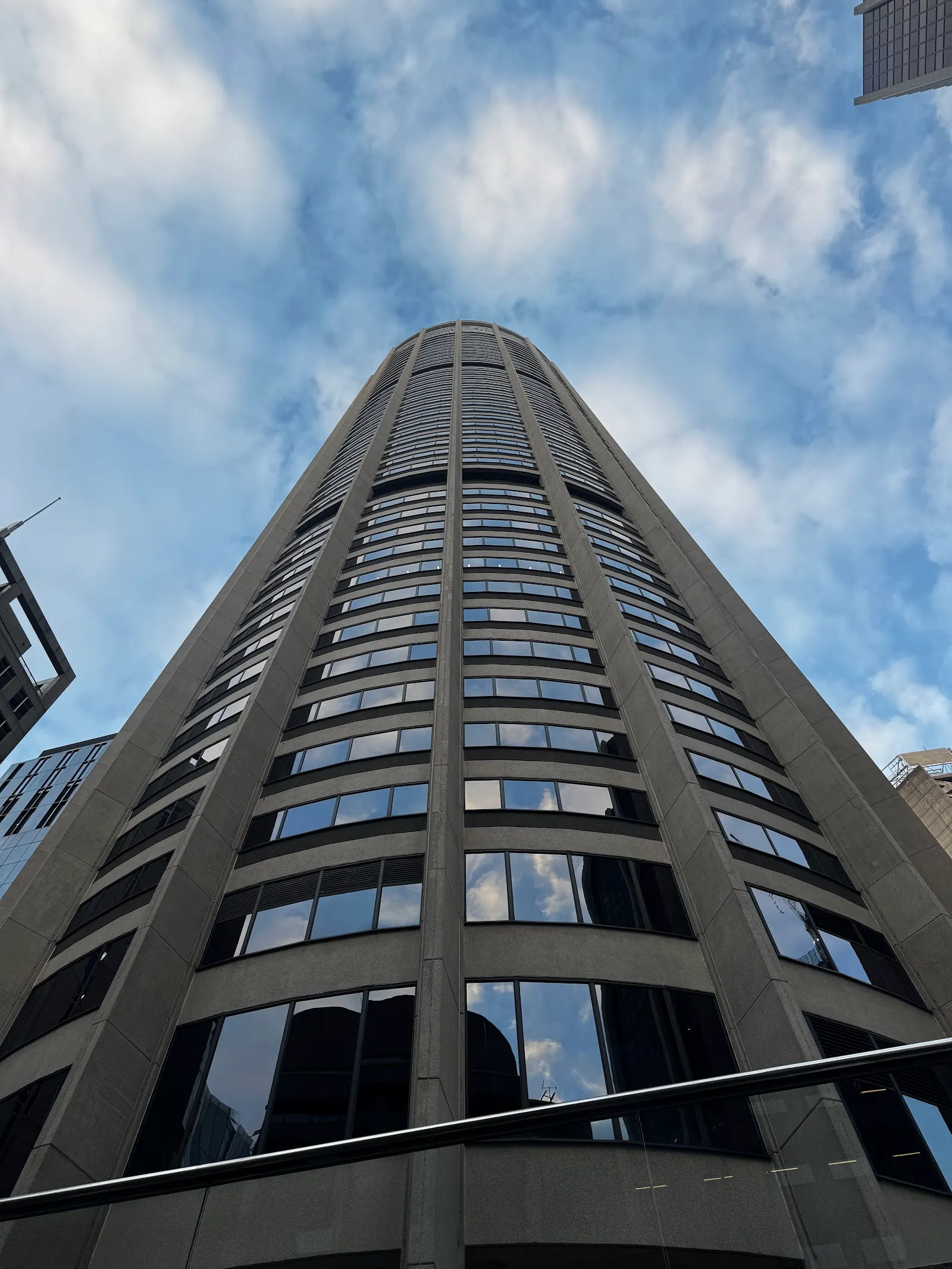
The sandstone buildings on the corner of Phillip and Albert streets began as part of Sydney’s Water Police complex. The Water Police Court opened in 1856, followed by the Water Police Station in 1858. The site later grew into a legal hub, with holding cells, police offices and courtrooms. A Police Court was also established here in the 19th century.
The buildings continued in police use into the 20th century. Today, the museum preserves the former station and court spaces, including two historic courthouses. The rooms and corridors give the collection a direct connection to the work of policing and justice once carried out on the site.
Cells, courtrooms and police work
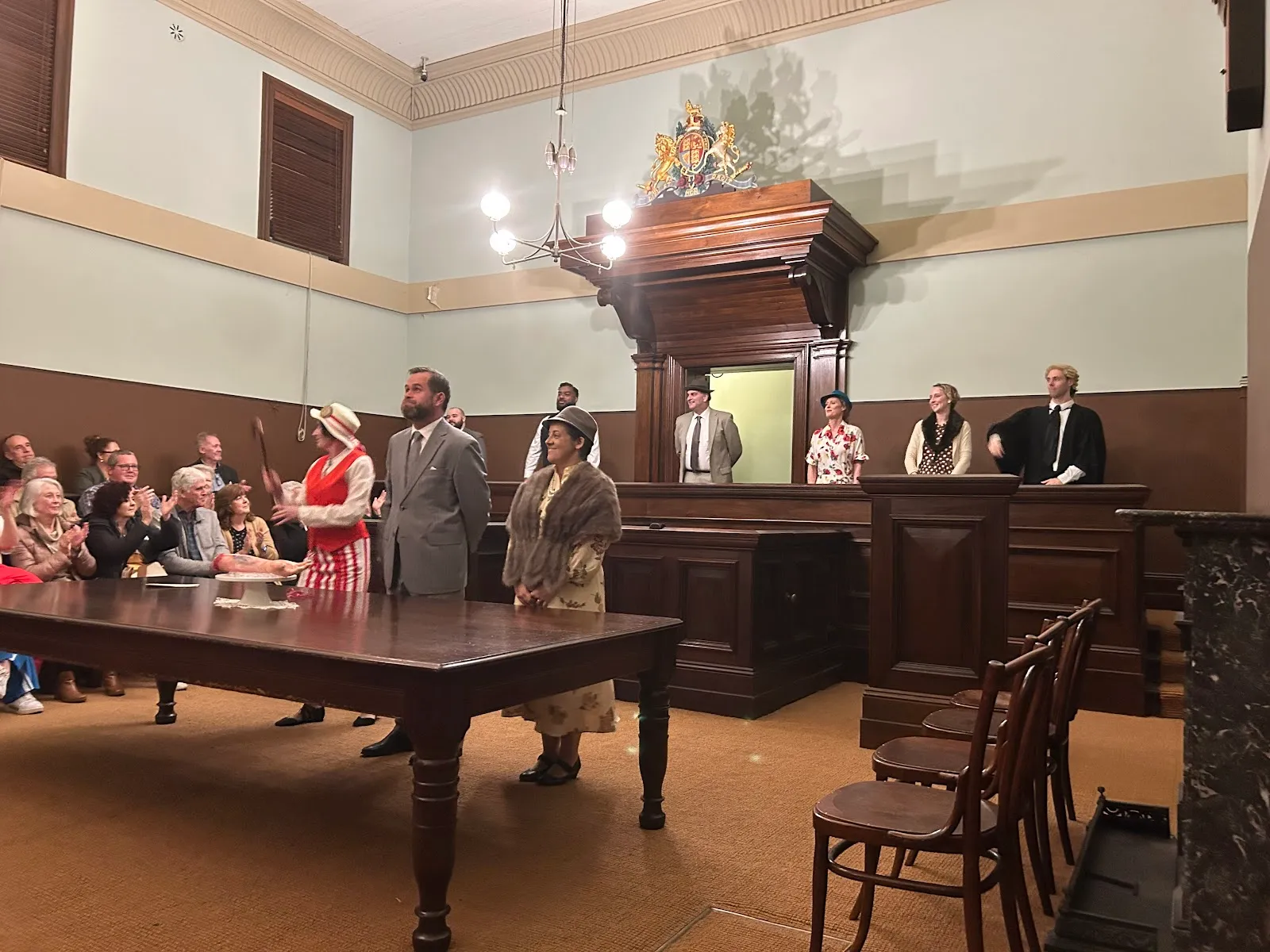
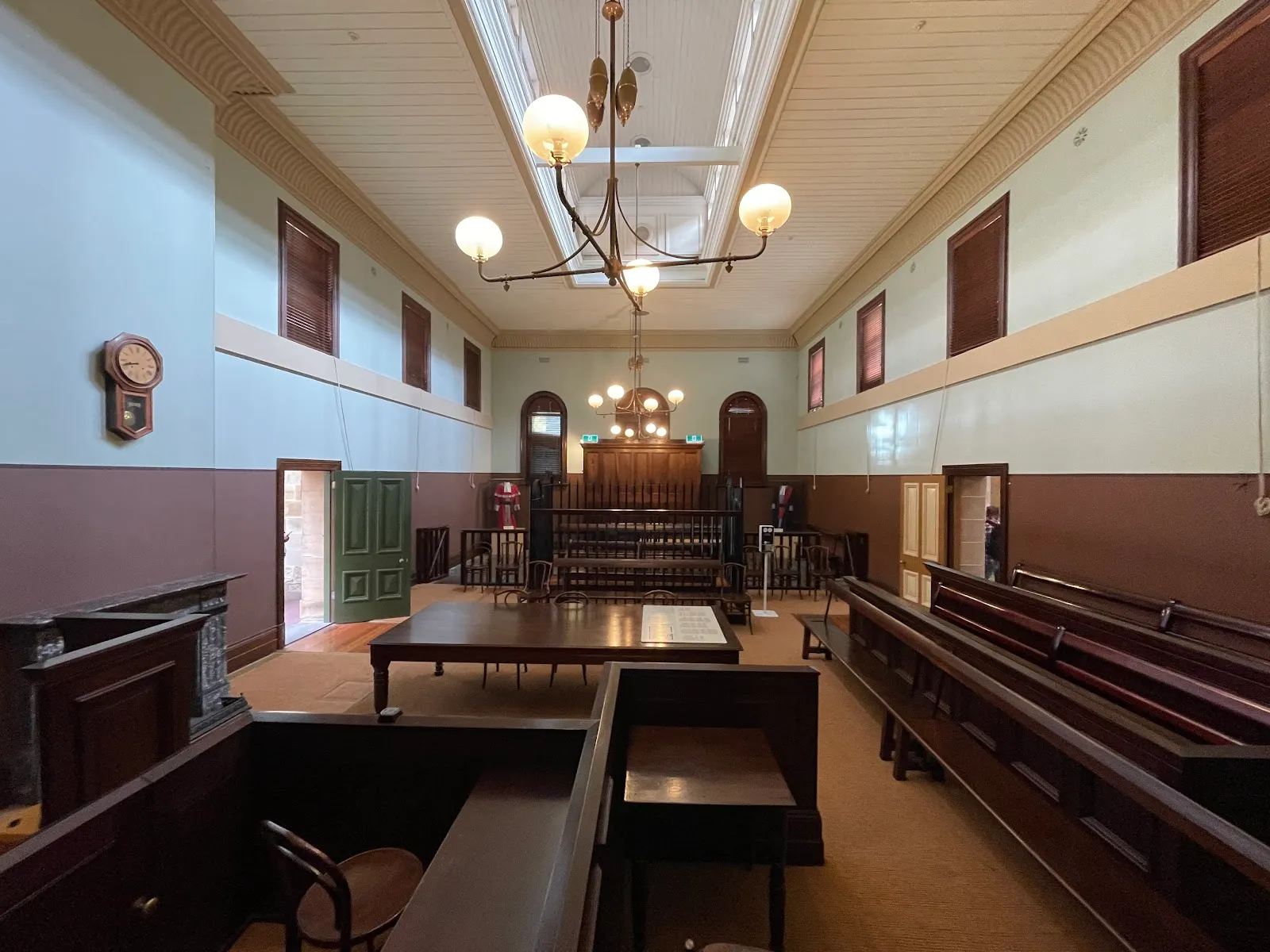
The museum’s restored spaces include 1890s holding cells, a charge room and courtrooms. A recreated courtroom helps explain how the justice system operated, while the old cells show where people were held. The sandstone walls, spiked gates and winding steps are part of the historic setting.
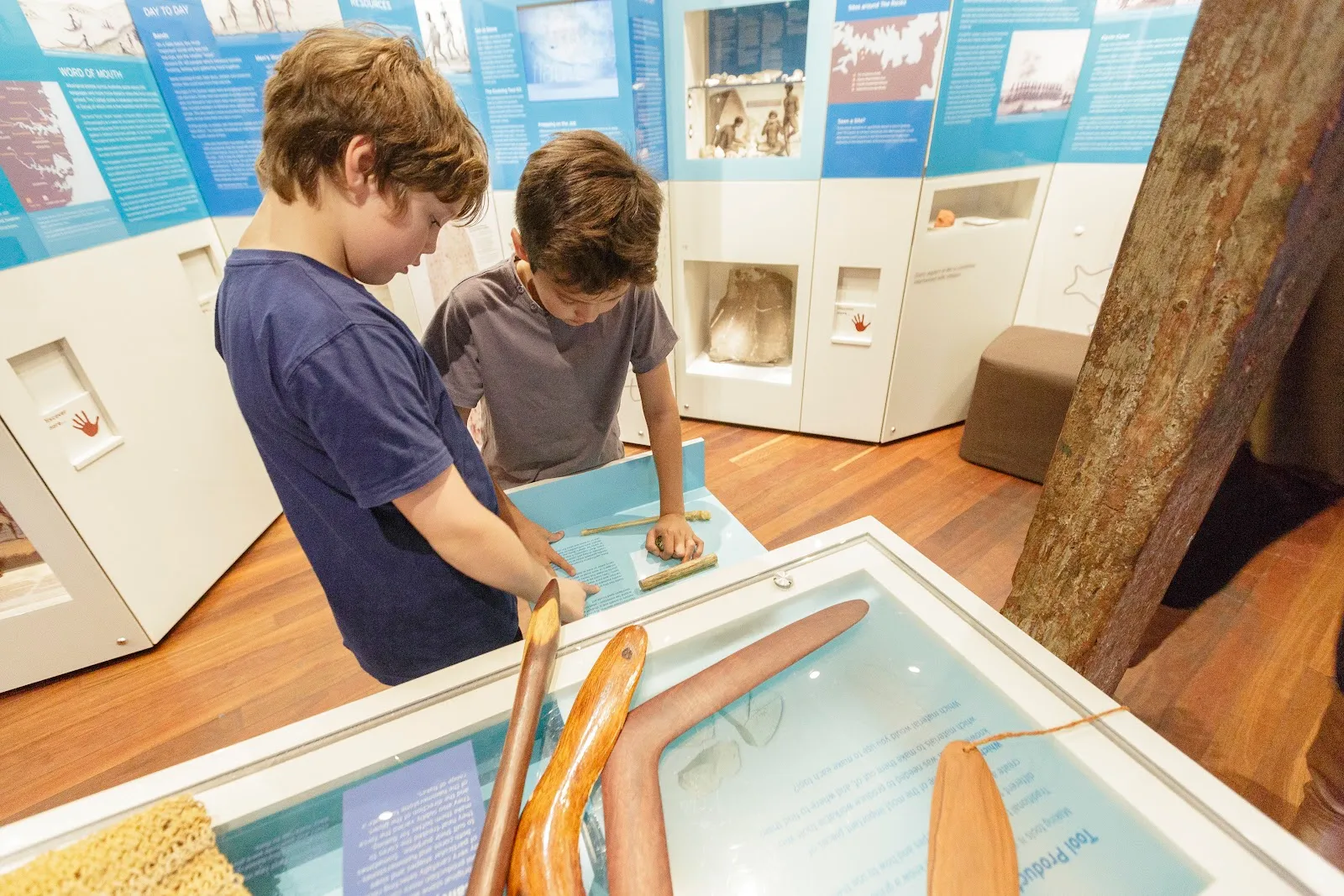
Exhibits bring together photographs, documents, police uniforms, historic weapons and forensic material. Mug shots and crime-scene photography show how police recorded people and evidence. The collection also follows the development of forensic investigation, giving visitors a view of the methods used to gather evidence in earlier periods.
Stories from Sydney’s criminal past
The displays cover people and cases from different eras, including bushrangers, gangsters and figures associated with sly grog. Their stories sit alongside material about police investigations and the courts, so the museum looks at both sides of the justice system.
Some exhibits deal with violent crimes and include photographs that may be upsetting. Much of the experience comes from reading the displays, so allow extra time if you want to follow the stories in detail. The museum also runs family programs during the year, including activities about the law and mock trials; check its website for current program information.
FAQ
Is entry to the Justice and Police Museum free?
Yes, admission is free. Check the museum website before visiting for information about reserving a ticket in advance.
When is the Justice and Police Museum open?
It is open on Saturdays and Sundays and closed Monday to Friday.
How long should I spend at the museum?
Allow about 45 minutes to 2 hours. The visit takes longer if you read the exhibits in detail.
Is the museum suitable for young children?
Some displays include distressing photographs, and much of the visit involves reading. It may be better suited to older children and adults.