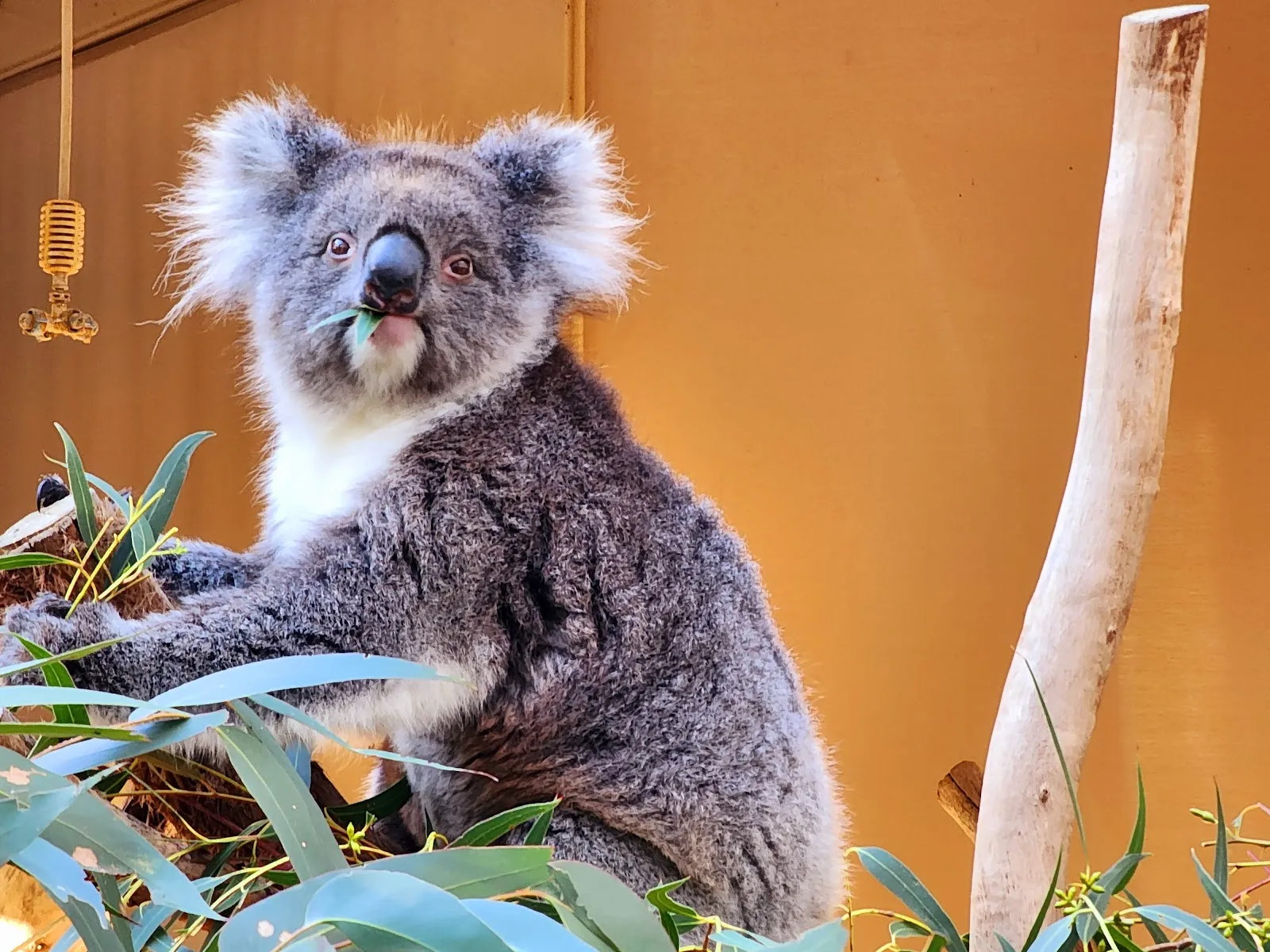
Cleland Wildlife Park sits in bushland on Mount Lofty Summit Road in the Adelaide Hills, about 20 to 30 minutes from central Adelaide. Its open spaces let you walk among kangaroos and wallabies, hand-feed them and see koalas, emus, wombats, potoroos, reptiles and native birds. The spacious paths make it easy to explore at your own pace, with plenty of chances to spot less familiar animals such as echidnas. You can also join a koala encounter or stop at the café after your visit.
A bushland park for native wildlife
Cleland Wildlife Park is in Crafers, on Mount Lofty Summit Road, within Cleland Conservation Park. Set among the Adelaide Hills, it covers 35 hectares and is home to more than 130 native Australian species. The park opened in 1967 and has since drawn visitors to see animals in natural-looking surroundings.
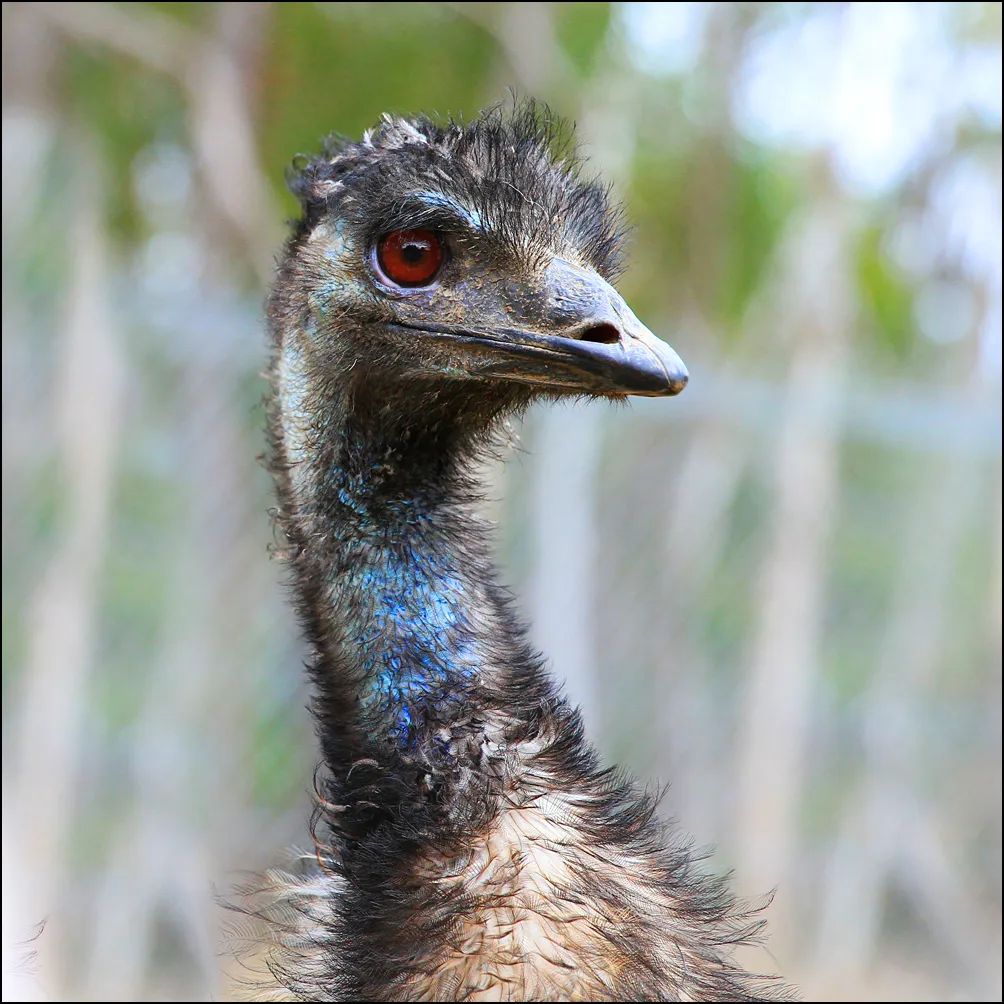
Kangaroos, wallabies and emus share open spaces with visitors, while other animals live in spacious areas. The collection also includes koalas, wombats, dingoes, Tasmanian devils, potoroos, bettongs, echidnas, reptiles and native birds. The bushland setting gives the walk a distinctly different feel from a visit focused on enclosed animal exhibits.
Walking the park and finding its animals
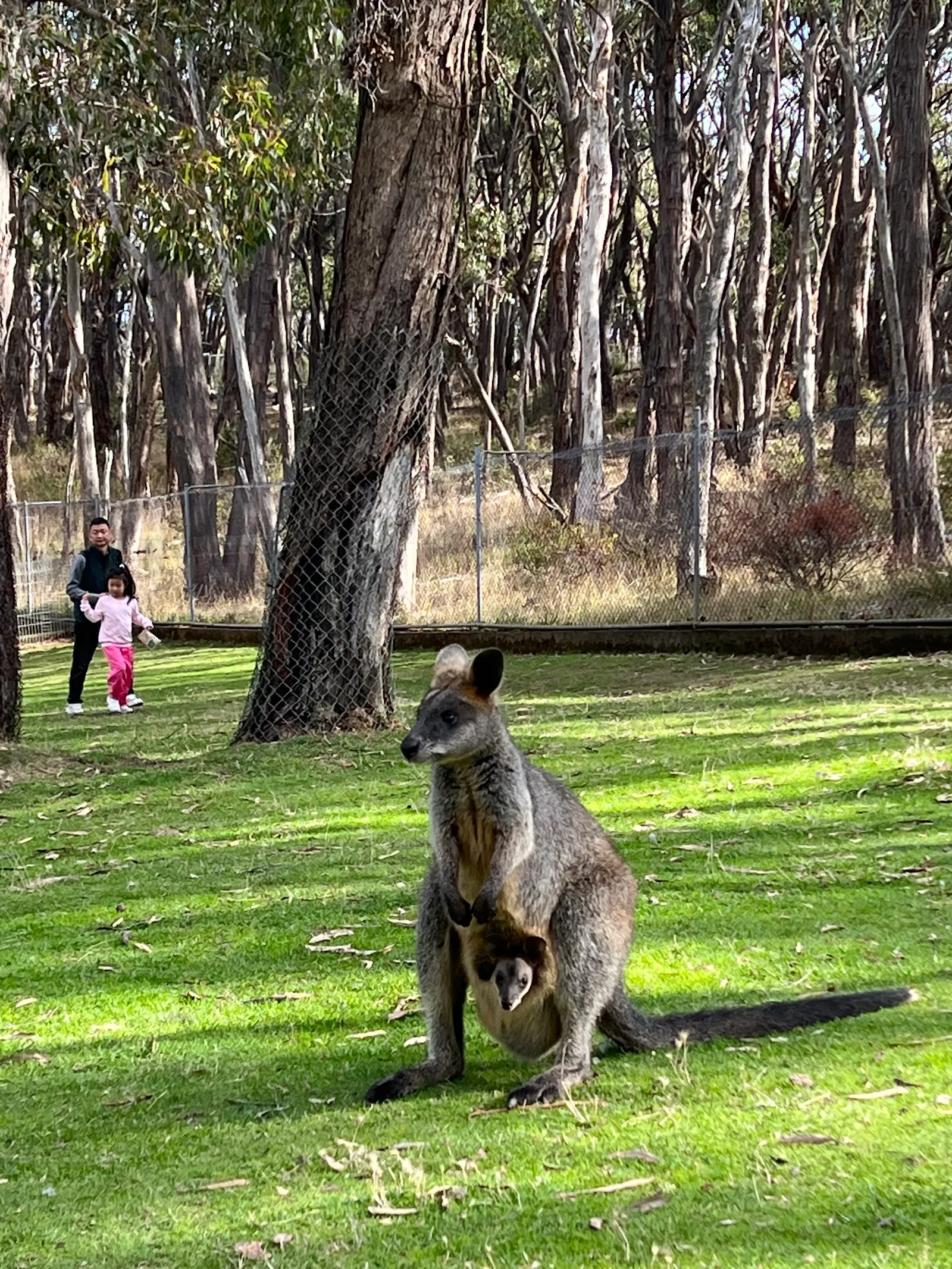
Paths are arranged so you can explore without repeatedly retracing your route. Take your time: kangaroos and wallabies may be grazing nearby, while smaller or less familiar animals such as potoroos and echidnas can take more searching. There is also a reptile section and a wetlands aviary with native birds.
The park is spacious, with trees, benches and maintained walkways. That gives you places to pause between animal areas, and shade along parts of the route. Families can make a visit around the animal encounters, while anyone keen on wildlife photography will find opportunities across the bushland setting.
Feeding and close encounters
You can buy bags of feed at the park and offer it to kangaroos and wallabies. Emus are among the animals visitors can feed, too. These interactions are a central part of the visit, but the animals move through their spaces at their own pace, so take time to look around rather than expecting each one to approach straight away.
Koala experiences are available, including close-up sessions. Some koala and reptile experiences have an additional cost; details depend on the session. Other activities mentioned at the park include keeper feeding sessions and special programs for children. Check current session information before you go, particularly if a specific encounter is important to your plans.
Planning a visit
Allow roughly two to three hours to explore, though the park is large enough that you may not see every area in that time. Early morning or late afternoon can help you avoid busier feeding periods. The park is about 20 to 30 minutes by car from central Adelaide, with its entrance at 365 Mount Lofty Summit Road, Crafers.
A modest café gives you a place to pause after walking around. Picnic and barbecue facilities are also listed among the park’s amenities. For current ticket and encounter details, check the official Cleland Wildlife Park website before setting out.
Wildlife care and conservation
Cleland has a role in koala conservation and has assisted with koala care during and after bushfires. It also works with Longleat in the United Kingdom on a long-term koala conservation project. The park’s wildlife experiences sit alongside these efforts to care for native animals and help visitors learn about them.
FAQ
How long should I spend at Cleland Wildlife Park?
Allow about two to three hours to explore. The park is spacious, and you may not cover every area in that time.
Can you feed kangaroos at Cleland Wildlife Park?
Yes. Bags of animal feed are available at the park, and you can feed kangaroos and wallabies. Emus are also among the animals visitors can feed.
Can you have a close encounter with a koala?
Koala close-up experiences are available. Some koala encounters have an additional cost, so check the park’s website for current session details.
What animals can you see at Cleland Wildlife Park?
The park is home to more than 130 native Australian species, including kangaroos, wallabies, koalas, emus, wombats, potoroos, reptiles and native birds.


