Melbourne Zoo is in Parkville, about four kilometres north of central Melbourne. Opened in 1862, it is Australia’s oldest zoo and has animals from Australia and around the world in landscaped, natural-style habitats. The butterfly house, where butterflies fly freely in a tropical indoor setting, is a highlight, as are the orangutan sanctuary, Trail of the Elephants and dinosaur section. Displays and keeper presentations add context about wildlife and conservation. Plan for a substantial walk: seeing the exhibits can take at least three to four hours.
A zoo with a long history
Melbourne Zoo opened in 1862 and is Australia’s oldest zoo. It sits in Royal Park in Parkville, around four kilometres north of central Melbourne. Its landscaped grounds hold wildlife from Australia and across the world, with exhibits arranged in natural-style settings.
The zoo’s approach to enclosures has changed over time. In the 1980s, it pioneered bioclimatic zones, grouping animals with similar wild habitats. Some areas let you walk through spaces shared with animals, while other exhibits have several viewing points. Animals may choose to stay out of sight, so a particular enclosure can be quieter at some moments than others.
Rainforest, elephants and butterflies
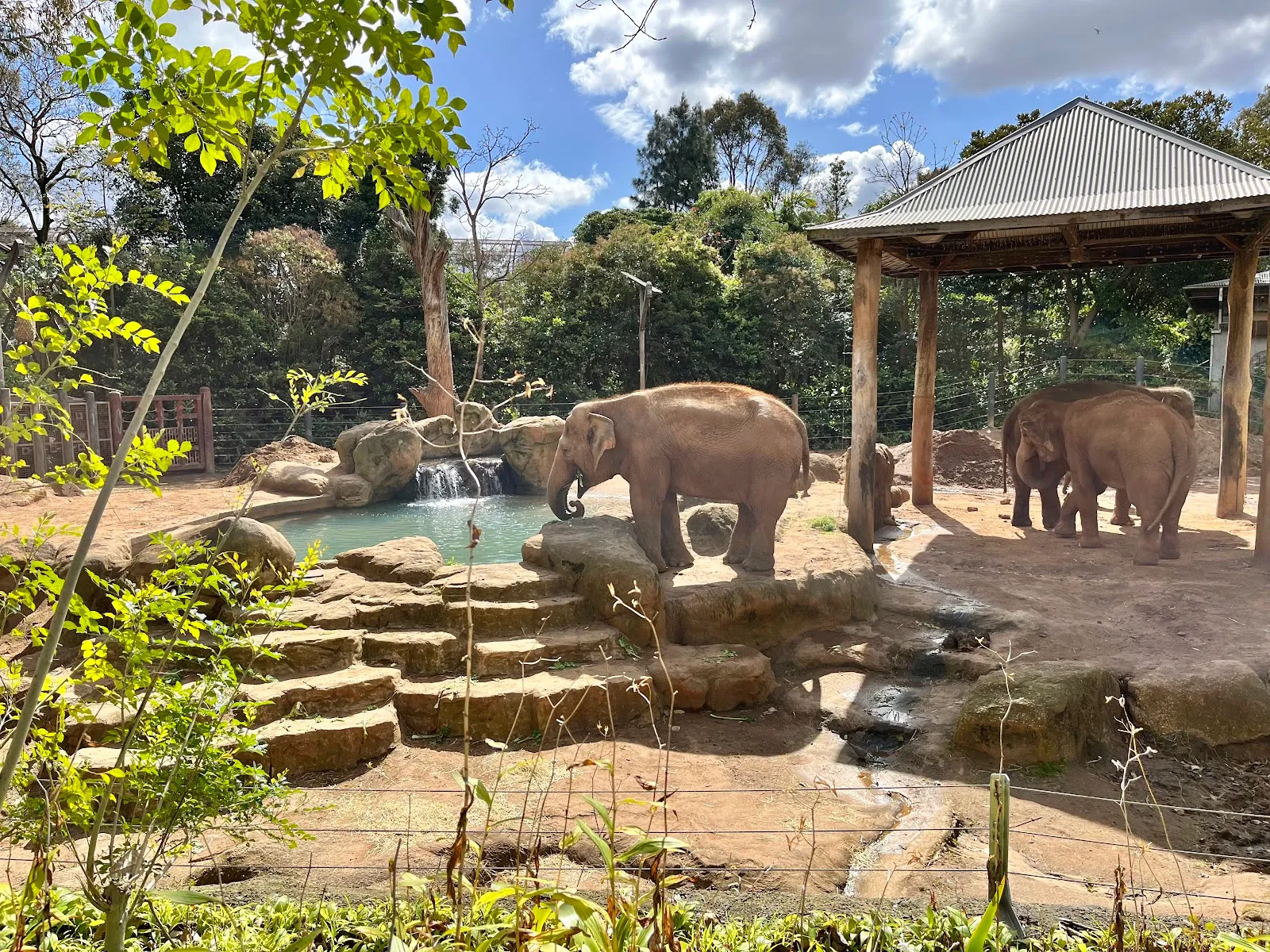
The orangutan sanctuary gives you a view of orangutans moving among the trees. For elephants, follow the Trail of the Elephants, a South East Asian-themed area with gardens and a village setting. Displays along the trail cover elephant habits, diet and culture.
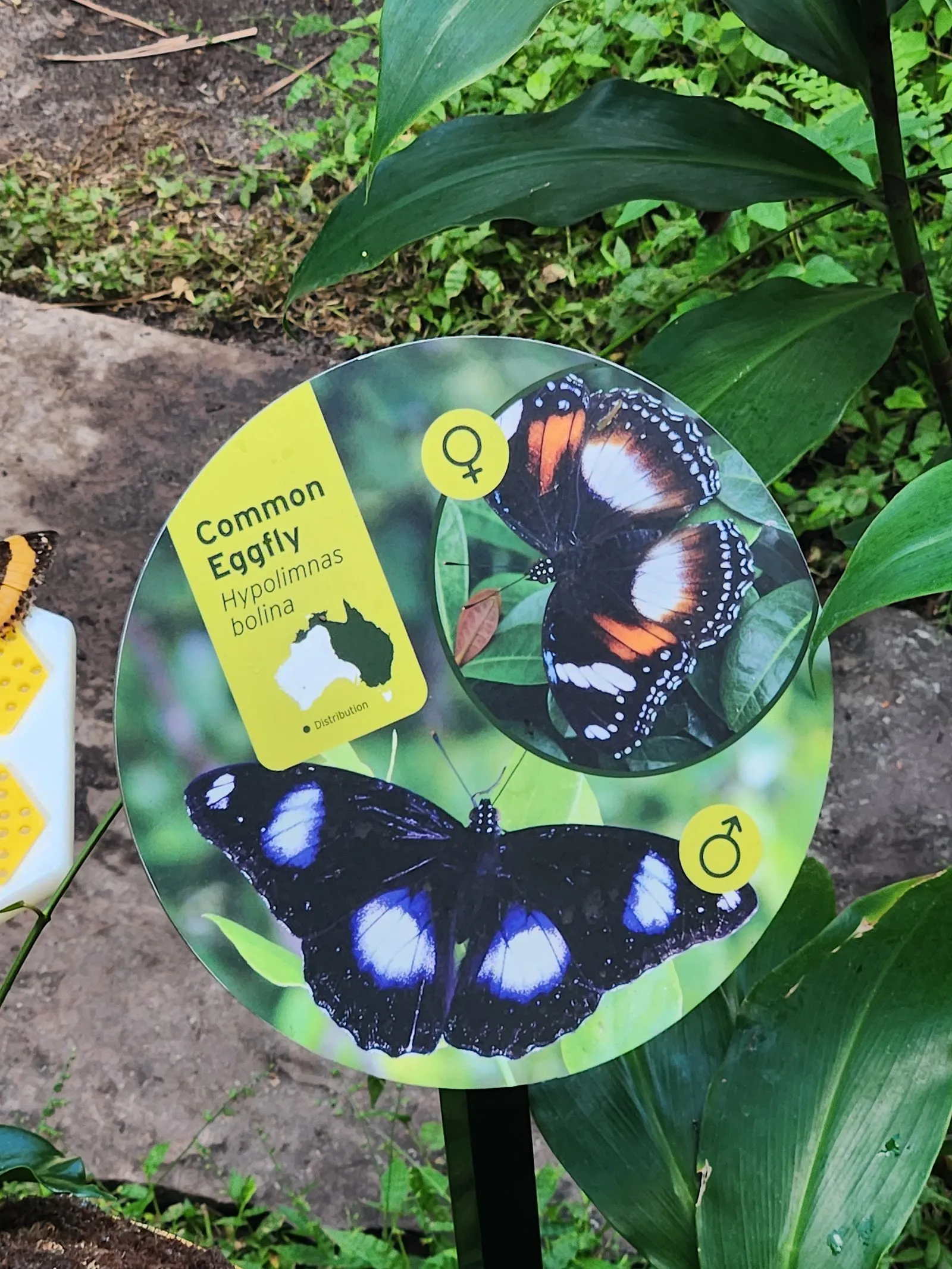
The butterfly house is a tropical, greenhouse-like space where butterflies fly freely around visitors. It is one of the zoo’s most distinctive indoor exhibits. Other highlights include Wild Sea, where you can watch penguins and seals in the water, and the reptile house. A dinosaur section adds a different kind of stop, with large, lifelike models that move and make sounds.
The wider collection includes Australian animals as well as species such as lions, tigers, gorillas, giraffes and snow leopards. Choose a few priority exhibits if you are visiting with young children or have limited time. The grounds are large, and covering every section takes several hours.
Presentations and planning your visit
Keeper talks and animal presentations give you a chance to learn more about animal care and behaviour. Their timing can shape your route through the zoo, so check the schedule on the website before setting out. Informational displays beside the exhibits offer details to read as you walk.
Cafés, rest areas and a playground make it easier to take breaks during a longer visit. The zoo also has a gift shop. Families with small children may find a pram useful on the long walks between exhibits. If you have mobility concerns, bear in mind that the grounds involve considerable walking; wet weather can make a visit more challenging.
Treat the viewing areas as places to observe without disturbing the animals. Avoid banging on windows, and give animals room to move or rest. Advance ticket purchase is recommended for quicker entry. The zoo is accessible by public transport and has paid parking.
FAQ
Where is Melbourne Zoo?
It is in Royal Park, Parkville, around four kilometres north of central Melbourne.
How long do you need at Melbourne Zoo?
Allow at least three to four hours to see the exhibits. The grounds are extensive, so a full visit involves a lot of walking.
What are the main highlights at Melbourne Zoo?
Highlights include the butterfly house, the orangutan sanctuary, the Trail of the Elephants, Wild Sea and the dinosaur section.
Should I buy Melbourne Zoo tickets in advance?
Advance ticket purchase is recommended for quicker entry.