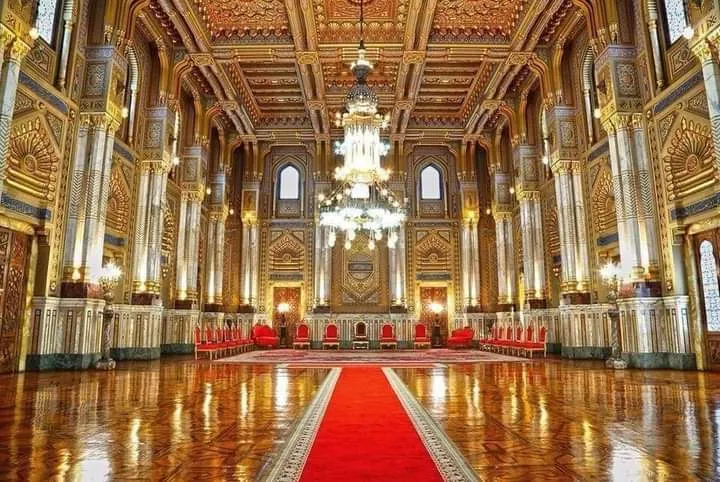
Bab al-Futuh is a Fatimid-era city gate at the northern end of Al-Muizz Street in Islamic Cairo. Built in 1087, its broad stone arch and rounded towers mark the former boundary of the old city. Look closely at the carved stonework, then walk the nearby historic streets, where mosques, markets and small shops line the route. The gate works well as a stopping point at the end of a walk through Al-Muizz Street, or as a starting point for exploring this part of Cairo on foot.
A northern gate of Fatimid Cairo
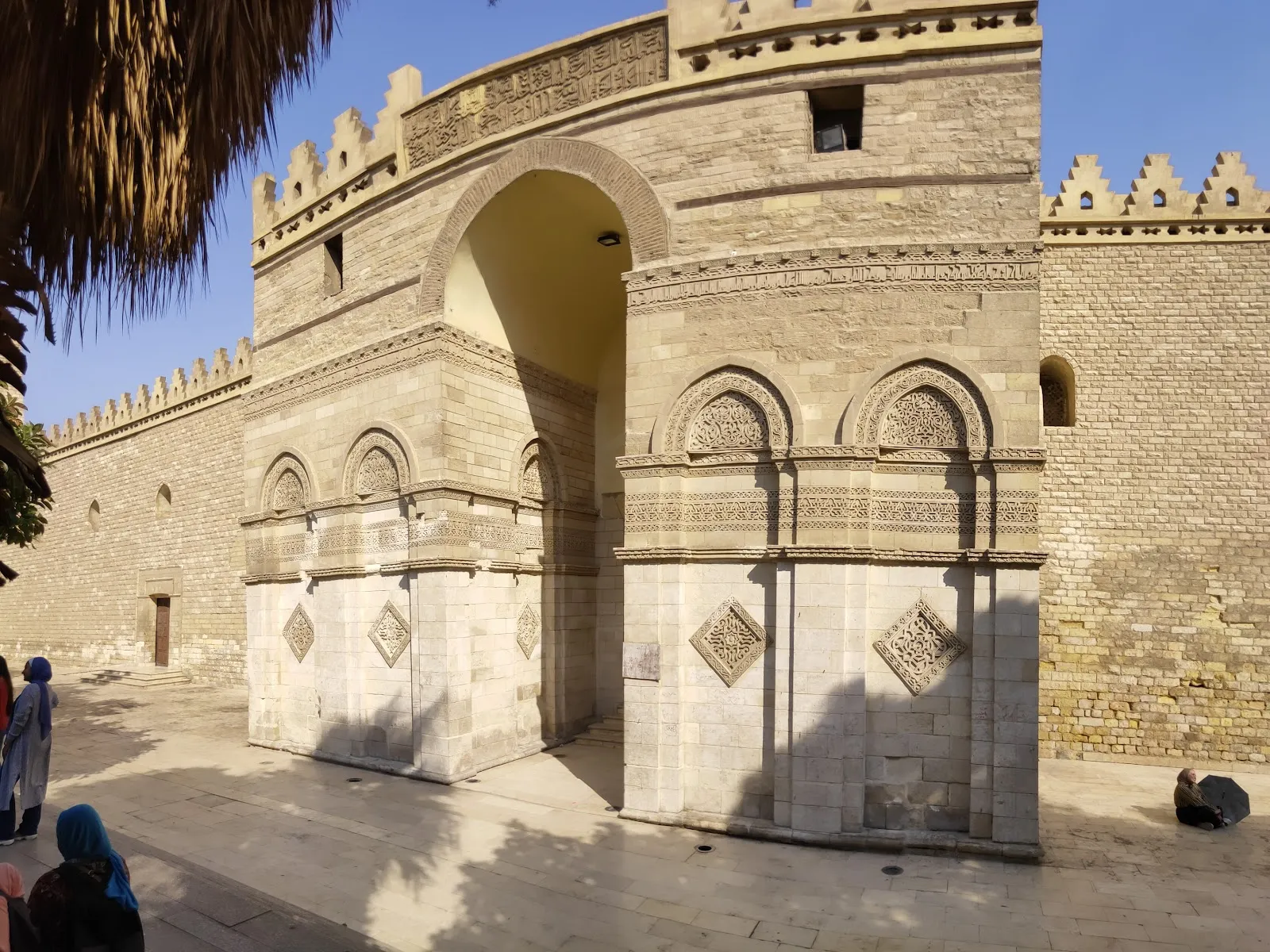
Bab al-Futuh stands at the northern end of Al-Muizz Street and once formed part of the defences around Cairo. The gate was completed in 1087 under the Fatimid caliph al-Muntasir Billah, during the rule of commander Badr al-Jamali. Its name is also rendered as the Gate of Conquests.
The city walls controlled access to the capital and could be closed in times of danger. Bab al-Futuh was one of three major gates associated with Fatimid Cairo, alongside Bab al-Nasr and Bab Zuweila. Its military purpose is still legible in its scale and solid construction.
Stone towers and a broad arch
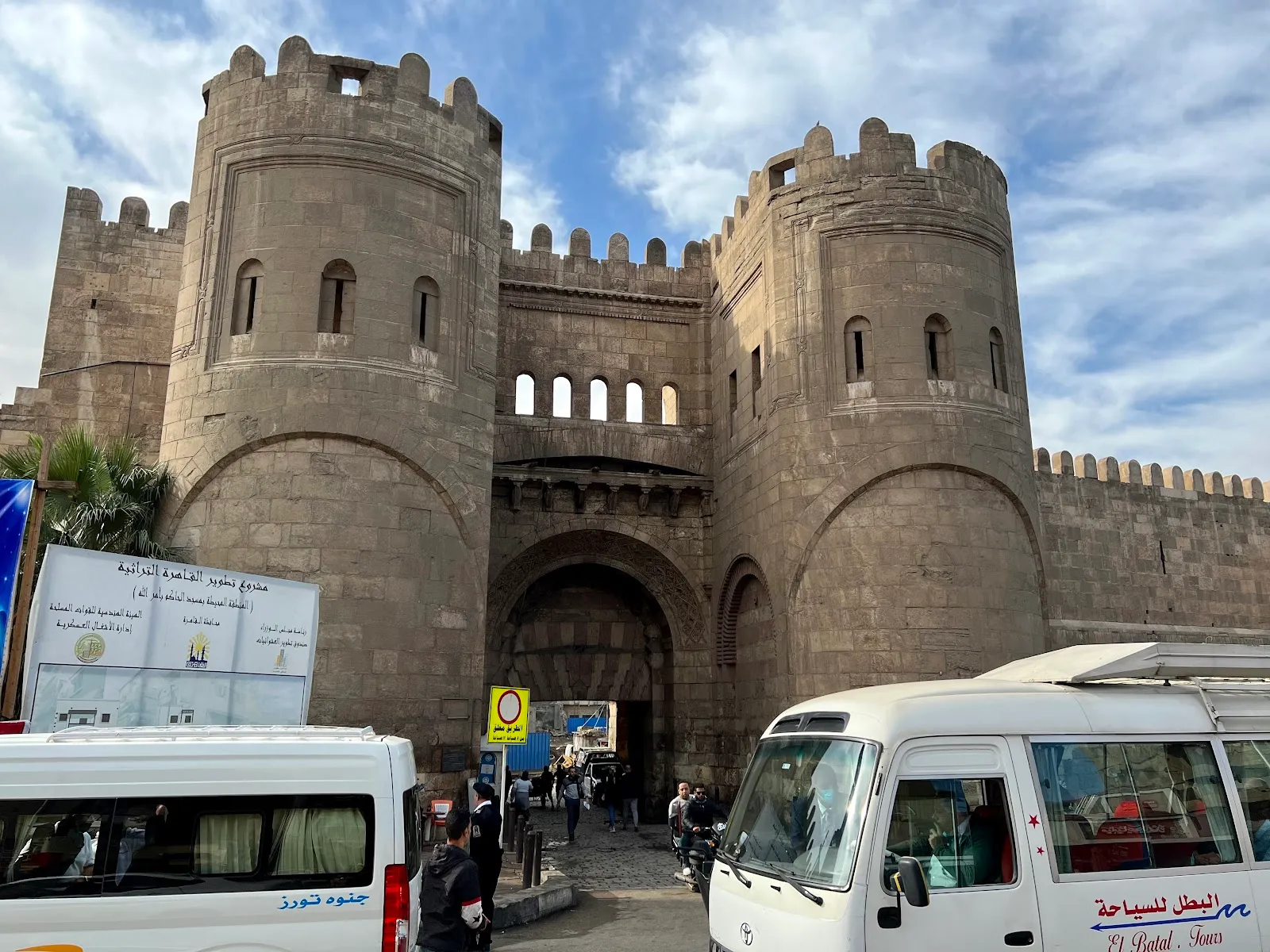
The gate's rounded towers flank a large stone arch. Carved details soften the defensive form, bringing ornament into a structure designed for protection. The curved walls and heavy masonry make the gate distinct from the busy streets around it.
Take time to look at the stonework from both sides as you pass through. The arch marks a transition between the historic street and the area beyond the old city boundary. Returning pilgrims from Mecca once entered Cairo symbolically through this gate.
Walking Al-Muizz Street
Bab al-Futuh is a natural endpoint for a walk along Al-Muizz Street, passing historic mosques and market lanes. The Al-Hakim Mosque is nearby, and Bab al-Nasr lies farther along the city wall. Shops and bazaars around the route sell handmade souvenirs and other goods.
A longer visit can include several landmarks and a pause for tea or coffee along the way. The walk takes place in active streets, with shops opening and local activity gathering as the day goes on. An early Saturday visit is suggested for a quieter start, while the surrounding market offers more to browse once shops are open.
Häufige Fragen
When was Bab al-Futuh built?
The gate was completed in 1087 under Fatimid caliph al-Muntasir Billah, during the rule of Badr al-Jamali.
How long should I allow for a visit?
Allow 2 to 3 hours for a walk through the nearby historic area if you plan to enter several landmarks and stop for a drink.
What can I see near Bab al-Futuh?
Al-Muizz Street, historic mosques, market lanes and Bab al-Nasr are nearby. Shops along the route sell handmade souvenirs.
When is a quieter time to visit?
Saturday before 10 am is suggested for a quieter walk, while shops are just beginning to open.