Reise planen
Sprache: Deutsch
ReiseplanerPlane deine Reise auf einer Karte

Top-Reiseziele

EnglishDeutschFrançaisEspañolPortuguêsPortuguês (BR)Italiano
Reisehinweis · ÄgyptenEinige Regierungen raten von Reisen in Teile von Ägypten ab.Die Warnungen gelten nur für diese Gebiete: 50-km-Streifen entlang der libyschen Grenze, Gazastreifen, Libysche Grenze (ohne feste Tiefe), Gouvernement Nord-Sinai, Sudan-Grenze (ohne feste Tiefe), Westliche Wüste, Gouvernement Ismailia (östlich des Suezkanals), Nördliches Süd-Sinai-Gouvernement (jenseits der Straße St. Katharina–Nuweiba).Die Empfehlung hängt von Ihrem Reisepass ab. Lesen Sie vor der Buchung die Hinweise Ihrer eigenen Regierung.Offizielle Hinweise
Gebiete mit Warnungen
  • 50-km-Streifen entlang der libyschen Grenze · alle Reisen vermeiden · Kanada, Neuseeland
  • Gazastreifen · alle Reisen vermeiden · Kanada, Frankreich, Neuseeland
  • Libysche Grenze (ohne feste Tiefe) · alle Reisen vermeiden · Deutschland, Spanien, Frankreich, Italien
  • Gouvernement Nord-Sinai · alle Reisen vermeiden · Kanada, Spanien, Frankreich, Irland, Neuseeland, Vereinigtes Königreich
  • Sudan-Grenze (ohne feste Tiefe) · alle Reisen vermeiden · Deutschland, Spanien, Frankreich, Italien
  • Westliche Wüste · alle Reisen vermeiden · Kanada, Neuseeland, Vereinigtes Königreich, USA
  • Gouvernement Ismailia (östlich des Suezkanals) · nicht notwendige Reisen vermeiden · Kanada, Vereinigtes Königreich
  • Nördliches Süd-Sinai-Gouvernement (jenseits der Straße St. Katharina–Nuweiba) · nicht notwendige Reisen vermeiden · Kanada, Neuseeland, Vereinigtes Königreich

Außerdem von einer Regierung genannt: 20-km-Streifen entlang der libyschen Grenze (Vereinigtes Königreich), Grenzgebiete (Militärzonen) (USA), Grenzgebiet Ägypten–Israel (Deutschland), Nördliche und mittlere Sinai-Halbinsel (USA), Gouvernement Port Said (östlich des Suezkanals) (Kanada), Grenzgebiet Rafah (Spanien), Gouvernement Suez (östlich des Suezkanals) (Kanada), Straße Bahariya–Siwa (Vereinigtes Königreich), Bir-Tawil-Trapez (Vereinigtes Königreich), Wüste westlich von Marsa Matrouh, Fayum und Abu Simbel (Frankreich), Region Gebel Uweinat bis Gilf el-Kebir (Italien), Halaib-Dreieck (Vereinigtes Königreich), Touristisch nicht erschlossene Wüstengebiete (Italien), Grenzübergang Rafah (Irland), Süd-Sinai-Halbinsel (Deutschland)

RegierungHinweiseAktualisiertHinweise lesen
Vereinigtes Königreich (FCDO)No advice against the whole country (regional advisories)–Hinweise lesen
Vereinigte Staaten (State Dept)Exercise increased caution (regional advisories)15. Juli 2025Hinweise lesen
Kanada (Global Affairs)Exercise a high degree of caution (regional advisories)–Hinweise lesen
Deutschland (Auswärtiges Amt)Besondere Vorsicht walten lassen (keine Gesamtwarnung) (regional advisories)13. Okt. 2026Hinweise lesen
Neuseeland (SafeTravel)Exercise increased caution elsewhere in Egypt (regional advisories)–Hinweise lesen
Irland (Außenministerium)High degree of caution (regional advisories)–Hinweise lesen
Frankreich (Ministerium für Europa und Auswärtige Angelegenheiten)Increased vigilance for the rest of the country (regional advisories)–Hinweise lesen

Täglich anhand der veröffentlichten Hinweise der Regierungen geprüft; zuletzt geprüft am 2. Nov. 2026.RoamLedger fasst offizielle Hinweise zusammen; es handelt sich nicht um Empfehlungen einer Regierung.

Abdeen Palace Museum
Museum

Abdeen Palace Museum

Abdeen Palace Museum is a former royal palace in the Abdeen district of Cairo.

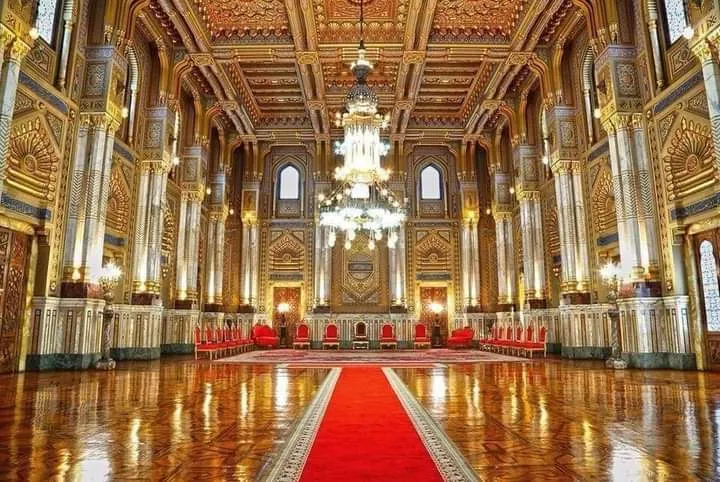
Abdeen Palace Museum is a former royal palace in the Abdeen district of Cairo. Khedive Ismail began building it in 1863, and the royal family lived there until the monarchy ended in 1952. Its rooms hold weapons, silverware, glassware and gifts to Egypt's leaders, and the painted halls show how the building was decorated. Go for the arms collection and the interiors, then walk the gardens, which have gazebos and a fig tree said to have come from Bangladesh. The museum closes early in the afternoon, so plan a morning visit.

From khedival residence to museum
Abdeen Palace Museum

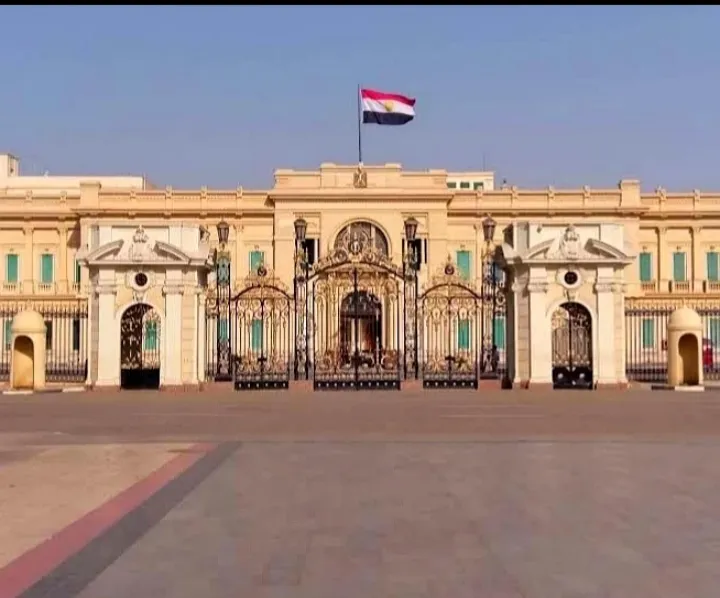
Khedive Ismail ordered the palace built, and construction began in 1863. The French architect Léon Rousseau designed it to serve as the government headquarters in place of the Citadel. The palace was officially opened in 1874, and a new wing was added in 1891.

For most of its life the palace was a royal residence. The monarchy ended after the 1952 revolution, and the building then became the official residence and workplace of Egypt's president. The upper floors were the living quarters of the royal family. Today they are closed to general visitors and are used mainly to host foreign dignitaries.

What the galleries hold
Abdeen Palace Museum

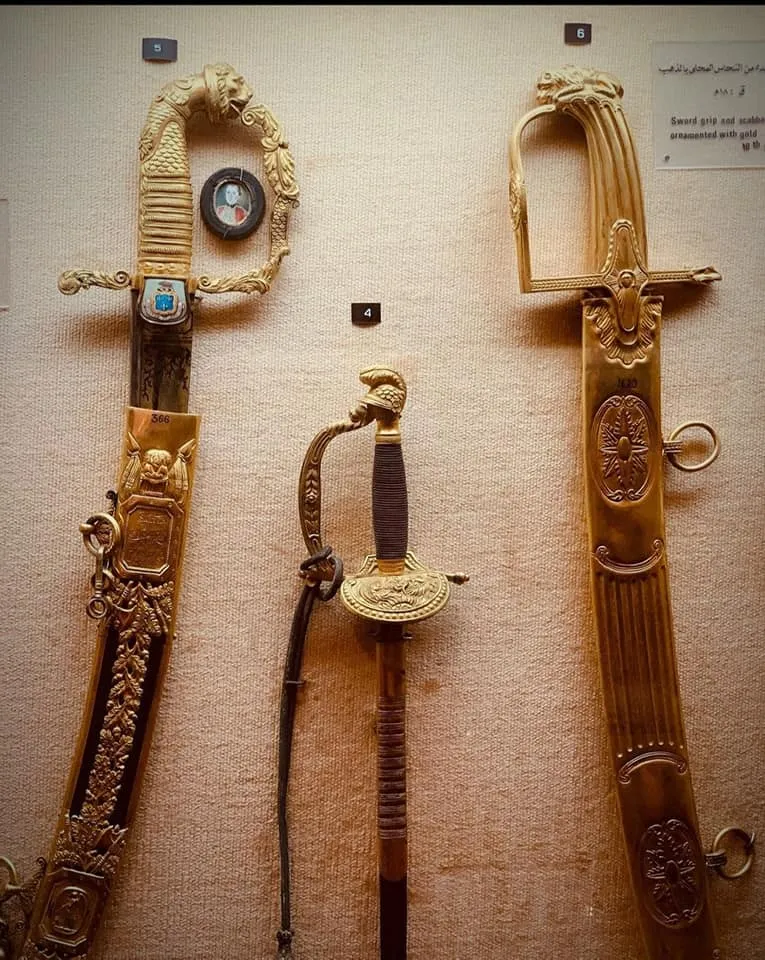
The museum is split into separate collections. The Silver Museum, the Arms Museum, the Royal Family Museum and the Presidential Gifts Museum are the names most often used. Other collections on the grounds include a war museum and a historical documents collection.

The arms collection is the largest focus. The king's love of weapons shaped much of it, and gifts from foreign guests were often weapons too. Presidential gifts include sports memorabilia, such as a signed football shirt.

Other rooms hold silverware, glassware, paintings of old pashas and a cinema inside the palace. Some halls have hand-painted walls. Extra rooms, such as Culturama, can be added for a fee. A guide can explain the history of the building and the people who lived in it.

The gardens and the fig tree

The gardens were added in 1921 by Sultan Fuad I, before he became king. They are kept in good order and include several gazebos.

A fig tree in the grounds is said to have been brought from Bangladesh by the king himself. It is one of the more unusual sights on the site.

Planning a visit

Enter through the ticket office in front of the museum. Admission is charged, and prices can change, so check the current price at the desk. Photography is allowed in the galleries, but video may be restricted.

A media centre shows a film about the palace for a small extra charge, under one US dollar on one visit. Allow two to three hours for the full museum.

The entrance, elevator, restroom and parking lot are listed as wheelchair accessible. Free and paid parking lots are both listed, and free street parking is available. A changing table is available, and the site is listed as good for kids. A restaurant is listed, but the cafeteria can be closed.

Häufige Fragen

Is there an entry fee?

Yes. Admission is charged, and extra rooms such as Culturama cost more. Ask at the ticket office for current prices.

Do I need to book in advance?

Advance tickets are recommended. A palace tour for special experiences should be booked two days ahead.

How long do you need?

Plan two to three hours for the whole museum.

Is it wheelchair accessible?

The entrance, elevator, restroom and parking lot are listed as wheelchair accessible.

Can I take photos?

Photos are allowed. Video may not be, so check at the ticket office.

Weitere Highlights in Kairo

Alle entdecken