Planeje uma viagem
Idioma: Português (BR)
Planejador de viagensPlaneje sua viagem em um mapa

Principais destinos

EnglishDeutschFrançaisEspañolPortuguêsPortuguês (BR)Italiano
Alerta de viagem · EgitoAlguns governos recomendam evitar viagens a partes de Egito.Os alertas cobrem apenas estas áreas: Strish 50 km a-hed ar frontier Libia, Strish Gaza, Frontier Libia (heb donder termenet), Rannvro Sinai An Norzh, Frontier Sudan (heb donder termenet), Desert ar C'hornôg, Rannvro Ismailia (a-zehou kanol Suez), Norzh Rannvro Sinai Su (a-viskoazh hent Santez Katell–Nuweiba).As recomendações dependem do seu passaporte. Leia a recomendação do governo do seu país antes de reservar.Recomendação oficial
Áreas com alertas
  • Strish 50 km a-hed ar frontier Libia · evitar todas as viagens · Canadá, Nova Zelândia
  • Strish Gaza · evitar todas as viagens · Canadá, França, Nova Zelândia
  • Frontier Libia (heb donder termenet) · evitar todas as viagens · Alemanha, Espanha, França, Itália
  • Rannvro Sinai An Norzh · evitar todas as viagens · Canadá, Espanha, França, Irlanda, Nova Zelândia, Reino Unido
  • Frontier Sudan (heb donder termenet) · evitar todas as viagens · Alemanha, Espanha, França, Itália
  • Desert ar C'hornôg · evitar todas as viagens · Canadá, Nova Zelândia, Reino Unido, EUA
  • Rannvro Ismailia (a-zehou kanol Suez) · evitar viagens não essenciais · Canadá, Reino Unido
  • Norzh Rannvro Sinai Su (a-viskoazh hent Santez Katell–Nuweiba) · evitar viagens não essenciais · Canadá, Nova Zelândia, Reino Unido

Também indicado por um governo: Strish 20 km a-hed ar frontier Libia (Reino Unido), Takadoù ar frontier (zonennoù milourel) (EUA), Takad ar frontier etre Egipt ha Israel (Alemanha), Penn-enez Sinai an norzh hag ar greiz (EUA), Rannvro Port Said (a-zehou kanol Suez) (Canadá), Takad frontier Rafah (Espanha), Rannvro Suez (a-zehou kanol Suez) (Canadá), Hent Bahariya–Siwa (Reino Unido), Trapez Bir Tawil (Reino Unido), Desert a-gornôg da Versa Matruh, Faiyum ha Abu Simbel (França), Rannvro Gebel Uweinat hag ar Gilf el-Kebir (Itália), Triangl Halaib (Reino Unido), Takadoù desert n'int ket touristel (Itália), Lec'h tremen ar frontier Rafah (Irlanda), Penn-enez Sinai Su (Alemanha)

GovernoRecomendaçõesAtualizadoLeia a recomendação
Reino Unido (FCDO)No advice against the whole country (regional advisories)–Leia a recomendação
Estados Unidos (Departamento de Estado)Exercise increased caution (regional advisories)15 de jul. de 2025Leia a recomendação
Canadá (Global Affairs)Exercise a high degree of caution (regional advisories)–Leia a recomendação
Alemanha (Auswärtiges Amt)Besondere Vorsicht walten lassen (keine Gesamtwarnung) (regional advisories)13 de out. de 2026Leia a recomendação
Nova Zelândia (SafeTravel)Exercise increased caution elsewhere in Egypt (regional advisories)–Leia a recomendação
Irlanda (Departamento de Relações Exteriores)High degree of caution (regional advisories)–Leia a recomendação
França (Ministério da Europa e Relações Exteriores)Increased vigilance for the rest of the country (regional advisories)–Leia a recomendação

Verificado diariamente com base nas recomendações publicadas pelos governos; última verificação em 2 de nov. de 2026.RoamLedger resume recomendações oficiais; não são recomendações de nenhum governo.

Abdeen Palace Museum
Museu

Abdeen Palace Museum

Abdeen Palace Museum is a former royal palace in the Abdeen district of Cairo.

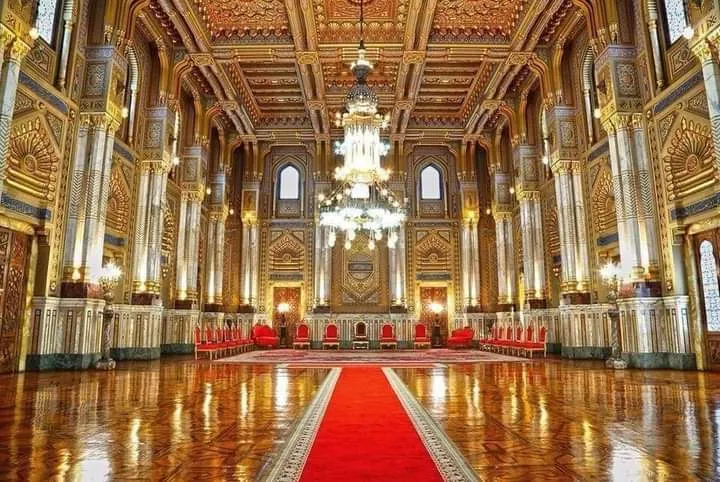
Abdeen Palace Museum is a former royal palace in the Abdeen district of Cairo. Khedive Ismail began building it in 1863, and the royal family lived there until the monarchy ended in 1952. Its rooms hold weapons, silverware, glassware and gifts to Egypt's leaders, and the painted halls show how the building was decorated. Go for the arms collection and the interiors, then walk the gardens, which have gazebos and a fig tree said to have come from Bangladesh. The museum closes early in the afternoon, so plan a morning visit.

From khedival residence to museum
Abdeen Palace Museum

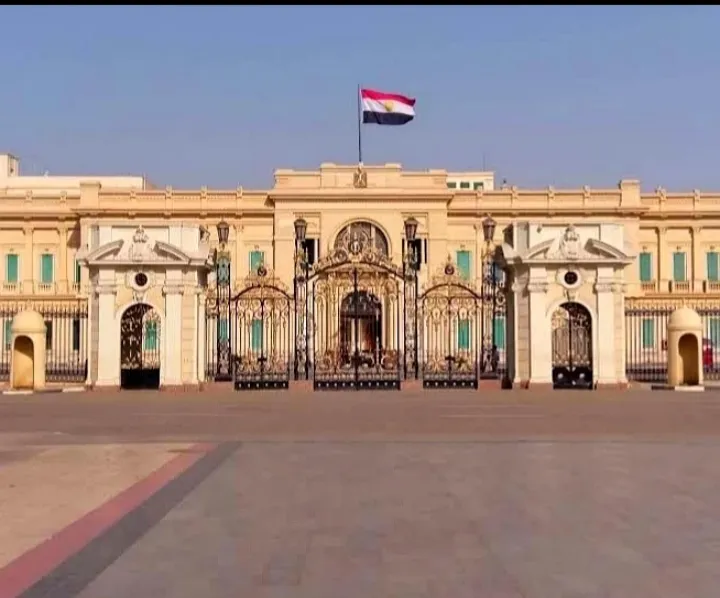
Khedive Ismail ordered the palace built, and construction began in 1863. The French architect Léon Rousseau designed it to serve as the government headquarters in place of the Citadel. The palace was officially opened in 1874, and a new wing was added in 1891.

For most of its life the palace was a royal residence. The monarchy ended after the 1952 revolution, and the building then became the official residence and workplace of Egypt's president. The upper floors were the living quarters of the royal family. Today they are closed to general visitors and are used mainly to host foreign dignitaries.

What the galleries hold
Abdeen Palace Museum

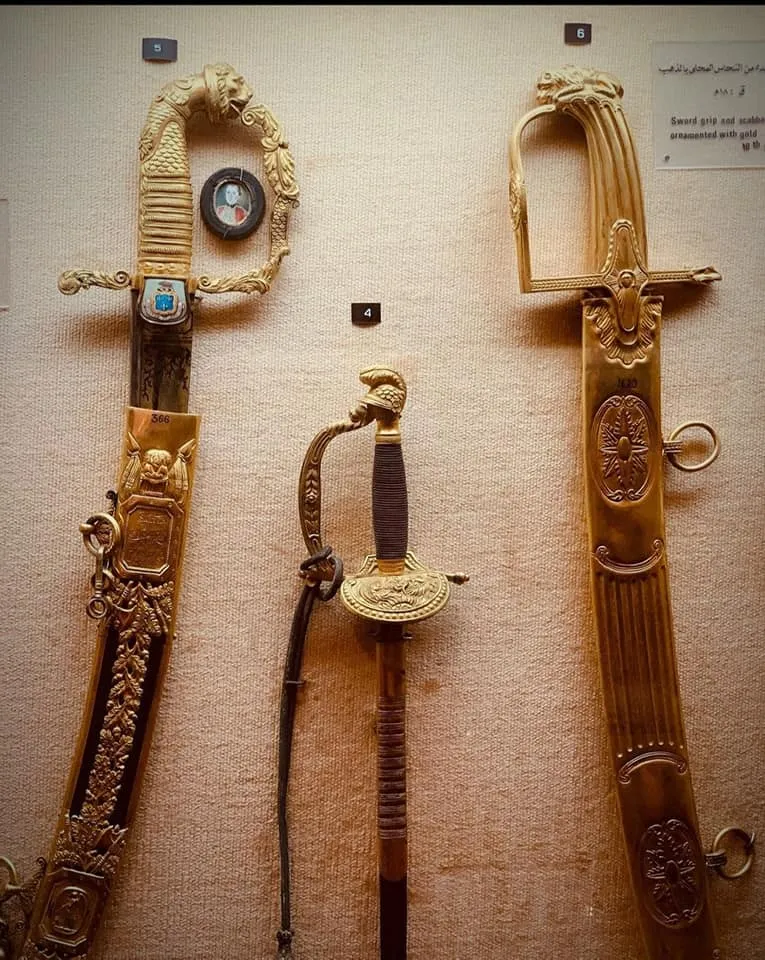
The museum is split into separate collections. The Silver Museum, the Arms Museum, the Royal Family Museum and the Presidential Gifts Museum are the names most often used. Other collections on the grounds include a war museum and a historical documents collection.

The arms collection is the largest focus. The king's love of weapons shaped much of it, and gifts from foreign guests were often weapons too. Presidential gifts include sports memorabilia, such as a signed football shirt.

Other rooms hold silverware, glassware, paintings of old pashas and a cinema inside the palace. Some halls have hand-painted walls. Extra rooms, such as Culturama, can be added for a fee. A guide can explain the history of the building and the people who lived in it.

The gardens and the fig tree

The gardens were added in 1921 by Sultan Fuad I, before he became king. They are kept in good order and include several gazebos.

A fig tree in the grounds is said to have been brought from Bangladesh by the king himself. It is one of the more unusual sights on the site.

Planning a visit

Enter through the ticket office in front of the museum. Admission is charged, and prices can change, so check the current price at the desk. Photography is allowed in the galleries, but video may be restricted.

A media centre shows a film about the palace for a small extra charge, under one US dollar on one visit. Allow two to three hours for the full museum.

The entrance, elevator, restroom and parking lot are listed as wheelchair accessible. Free and paid parking lots are both listed, and free street parking is available. A changing table is available, and the site is listed as good for kids. A restaurant is listed, but the cafeteria can be closed.

Perguntas frequentes

Is there an entry fee?

Yes. Admission is charged, and extra rooms such as Culturama cost more. Ask at the ticket office for current prices.

Do I need to book in advance?

Advance tickets are recommended. A palace tour for special experiences should be booked two days ahead.

How long do you need?

Plan two to three hours for the whole museum.

Is it wheelchair accessible?

The entrance, elevator, restroom and parking lot are listed as wheelchair accessible.

Can I take photos?

Photos are allowed. Video may not be, so check at the ticket office.

Mais atrações imperdíveis em Cairo

Explorar tudo